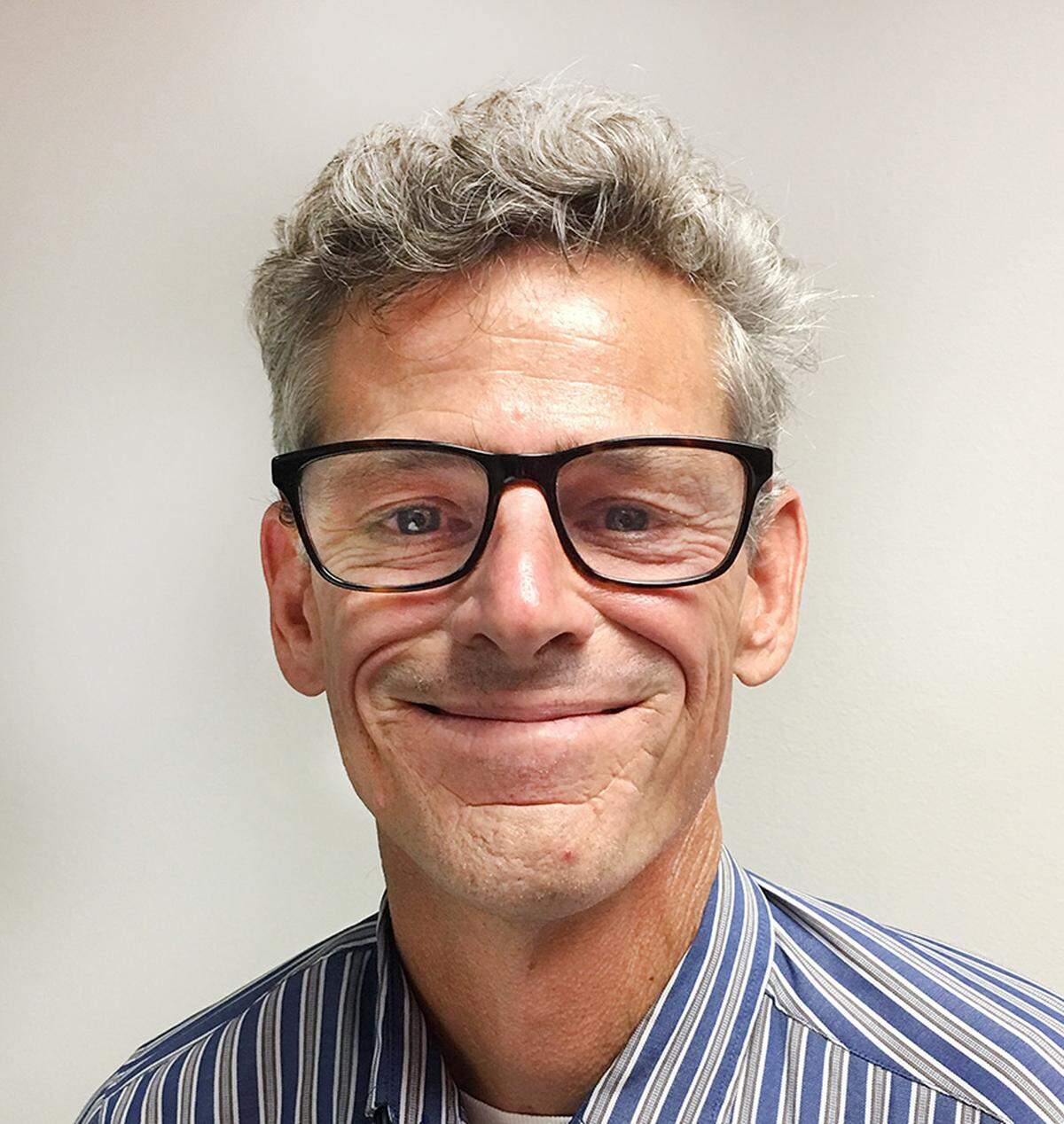
SC voters don’t elect judges — except probate judge. 2 are running in York County.
.jpg "The candidates for probate judge in York County in the June 2026 Republican primary are Anna Miller, left, and Daniel Harshaw, right.")
In South Carolina, voters don’t choose the judges who sentence people or sit on the state Supreme Court. The legislature does that. But the people do get to vote for probate judge — the only publicly elected judge seat in the state.
In York County, two experienced lawyers are seeking the job. Republicans Daniel Harshaw and Anna Miller face off in the June 9 primary. Since no Democrat filed for the job, the winner will be the only candidate in November’s election and almost assuredly will take over afterward.
Early voting started Tuesday and runs through June 5.
Current York County Probate Judge Carolyn Woodruff, a Republican, chose to retire and will not to seek another term after 16 years on the bench.
The term is four years and the annual salary is $172,971.04.
What does the probate judge do and why is the race important?
Anybody who has had a family member pass away likely has had some interaction with the probate court.
The office handles administration of decedents’ estates, the issuance of marriage licenses, the appointment of guardians and conservators, minor settlements, and involuntary commitments involving the mentally ill or chemically dependent. They also have exclusive jurisdiction over trusts and concurrent jurisdiction with Circuit Courts over power of attorney.
The probate judge makes decisions in wills and estates that require litigation in the court, and handles the administration of the probate court office and court proceedings.
The office has a staff that handles thousands of probate, estate, will and trust cases every year.
The probate court is a critical and crucial part of cases involving mental competency, conservatorships, and guardianships.
It usually is located at the York County Courthouse in downtown York, but as that historic building undergoes HVAC renovations, the probate court is located at the Moss Justice Center in York.
Harshaw has private practice experience, wants faster service
Harshaw, 42, is married with four children. He’s been an attorney handling probate cases for the past 17 years and cites his experience dealing with clients as a major plus he would bring to the judge job.
“I have explained the process and connected with a lot of people,” Harshaw said. “That experience is one of my strengths.”
With Woodruff retiring, Harshaw said the timing was right to seek the seat.
He said he also believes the office needs to have more access to the public for walk-in cases. The COVID pandemic pushed the office to require appointments for most matters that limited walk-in access, but Harshaw said a new judge should make the system move quicker for better public service.
More info: Campaign website voteharshaw.com. On Facebook voteharshaw. Instagram voteharshaw.
Miller already works at the probate court office
Miller, 43, is married with seven children. She’s been a York County associate judge in the probate court since 2019. That is a staff job at the office where the elected judge appoints the associate judge for a four-year term.
She says her experience and training at the office make her the best candidate for the job. She was associate probate judge in Lancaster County before York County, and has been an attorney for 16 years.
She said she has heard and decided cases and handled duties at the probate court that make her the right person to lead the office. Many of the decisions made in probate court involve mental health that she said are “critical to the health and safety of the community.”
“I know how to do the job already,” Miller said.
As for serving the public in a timely manner, Miller said the goal is to “get people in the door faster, but with the same level of service they are used to.”
The office does allow walk-ins, but it can be beneficial for people to know what types of documents they need before they arrive, she said. Additionally, York County’s population has grown, which creates a need for more staff to handle the public’s need for probate court services, she said.
More info: Campaign website Annamillerforprobate.com. On Facebook Anna Miller for Probate. TikTok https://www.tiktok.com/@anna.miller.for.p Instagram https://www.instagram.com/reel/DYk0qwbhnKq/
The Herald asked, the candidates responded
The Herald asked each of the candidates for probate judge these three questions about the job and their candidacy and asked for written answers. Here’s what they had to say:
1) Why are you running for probate judge?
Harshaw: I am running for probate judge to serve the people. I have spent my career as an attorney helping families navigate the probate process while they are going through difficult times. Serving the public with compassion is a top priority for me. People are normally going through difficult times when they come to the court. Many have lost a loved one or they are dealing with a family member who cannot take care of themselves. I want to see our court open and accessible to the public to take away the burden of waiting for assistance. Having help for the public from the court quickly when dealing with these stressful situations is important to me. I also believe that the rule of law is important and ensuring that contested matters are heard quickly and fairly is important. I want to ensure our court runs as efficiently as it can in all circumstances. It is important to me to implement procedures to make the process as easy as possible without adding bureaucratic red tape to the process.
Miller: I am running for Probate Judge to put my experience and knowledge to work for the Court’s next era of good leadership. The Probate Judge is the only elected judge in South Carolina, and I believe it is because she is the only unavoidable judge. At some point, every family in York County will either need a marriage license, or will suffer a loss that requires a will, small estate, or full estate to be filed with the Probate Court. In addition, many families are confused and frightened as they navigate shoals of difficulty in getting a loved one into treatment for mental illness, the use of substances, or as they navigate incapacity in one form or another. It is my goal to use my experience and training to assist these families in the way I want my family to be treated when it comes time to file my estate with the Court. I want the Court to be well-trained, respectful, accessible, friendly, able to assist with the uncontested administrative matters, and also to hear impartially all litigation that is filed with the Court. In all things, I want the Court to follow the law fairly for all. My experience, training, and knowledge fits me to be the County’s elected Probate Judge.
2) What qualities do you believe make you the best candidate for probate judge?
Harshaw: I have seen the difficulties that families face when they begin the process of transferring property after someone dies, obtaining control over a person who cannot manage their own business because of age or disability, or dealing with people who are in mental health crisis or severe addiction during my almost 17 years in practice as an attorney. Listening to what people are concerned about or having difficulty accomplishing and helping them address those matters within the law is important to me. Being understanding, but firm when needed, helps the matters in the probate court run smoothly. I also have handled many matters in circuit court where mediation is mandatory. Understanding the importance of getting parties who disagree to discuss a resolution is very helpful. I want to promote self-determination and resolution of disputes where it is feasible. I want the court to be resource that is helpful for the citizens of York County. Having worked outside of the court, I have a good perspective on where improvements can be made to ensure the court works best for the people. I have heard from clients where they have met with difficulty and want to continue to listen to the people to ensure the system works for them.
Miller: My experience makes me the best candidate. I attended the University of South Carolina Honors College and School of Law. I am a dual-licensed Probate Attorney with almost ten years’ judicial experience. I have been the York County Associate Judge over Guardianship/Conservatorship/Mental Health since 2019. As Associate Judge in Lancaster, I heard contested estate proceedings. I am deeply familiar with the law, having heard thousands of cases and serving on the Probate Judges’ 2014 committee to revise the estate code and (currently) on the committee to revise the mental health code. I have taught over a dozen continuing education seminars to attorneys, including last month’s class on Incompetence to Stand Trial proceedings to the criminal bar. I work with the other judicial and executive agencies with whom we intersect. I have filed the various reports the Court is accountable for filing, and know our budgetary and human resource processes. My personal experience fits me to serve. My family (seven children and husband) is deeply involved in our community, church, and Clover Schools. Like many coming before Probate, we have experience with eldercare. We cared for Mark’s grandmother in our home from 2011-2021, and I understand what those who have been appointed Guardians do for their loved ones, and how it feels to file an estate with the Court after loss.
3. Cite the three main issues you believe are important in the race for the only judge position that is elected by public vote.
Harshaw: I believe openness is critical for our court. The Court changed to appointment only during COVID and never reopened to any first-come first-serve availability. I believe appointments are important, however having some availability for people who do not feel that they can wait weeks to be seen is important also. I was greatly concerned when I talked with someone who was told he needed an appointment but then informed that the only way to schedule was to call in even though he was there at the reception window.
Leveraging technology is another major issue for the court. There are ways that people can receive assistance without needing to come to the courthouse. Many of the matters are completing of forms and mailing notices. Allowing people to electronically connect with staff for help completing forms is a great way to modernize the court while serving the people.
Eliminating unnecessary hearings is another important matter. Particularly in adult guardianships, when the person alleged to be incapacitated is certified by a doctor to be nonverbal, the family agrees that the person needs assistance and who the person to provide that assistance should be, and the person appointed to investigate the matter all agree, I feel that a hearing only adds unnecessary expense and stress.
Miller: The fundamental issue is the Probate Court following the law faithfully and fairly for all. A judge must be mindful of her oath of office, and her accountability to the voters, higher Courts, other branches of government, and to God.
The second issue is prioritization of involuntary commitment proceedings, where individual liberties intersect with public safety. I heard 56 proceedings last month, with allegations a person was a danger to themselves or others because of mental illness or substances. Also, I issued 6 after-hours detention orders. These life-and-death cases, some involving children, veterans, or those found incompetent to stand trial before General Sessions, require knowledge of the law, concern for individuals and the community, and the ability to work with a variety of agencies in dynamic situations. If elected, as a Co-Chair of the Probate Judges’ Mental Health Committee I will draft revisions to our 1970s-era Mental Health Code for legislative consideration.
The third issue is experience. The Court must grow in its use of technology. I will ask the Supreme Court to allow online filing. I will revamp our website, including instructions and the resources on it. This will make the Probate Court easier to understand and to schedule appointments and hearings. Experience enables these changes because I know who to work with to get it accomplished.