Here’s what you need to know about the rules Raleigh wants for ‘dangerous wild animals’
READ MORE
Snake scare in Raleigh, and the aftermath
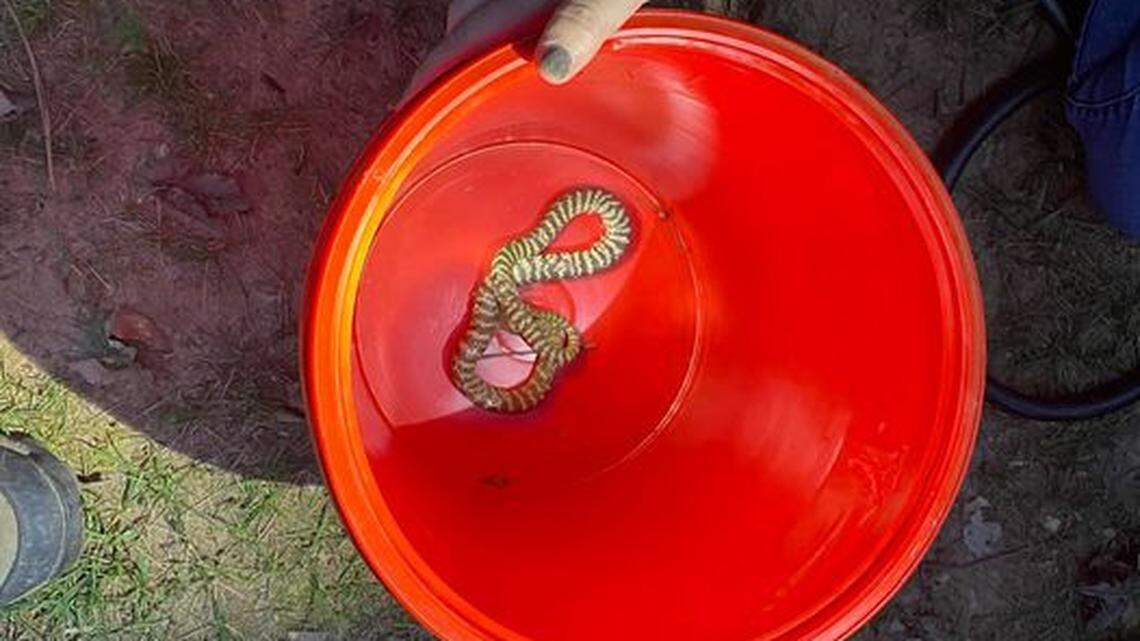
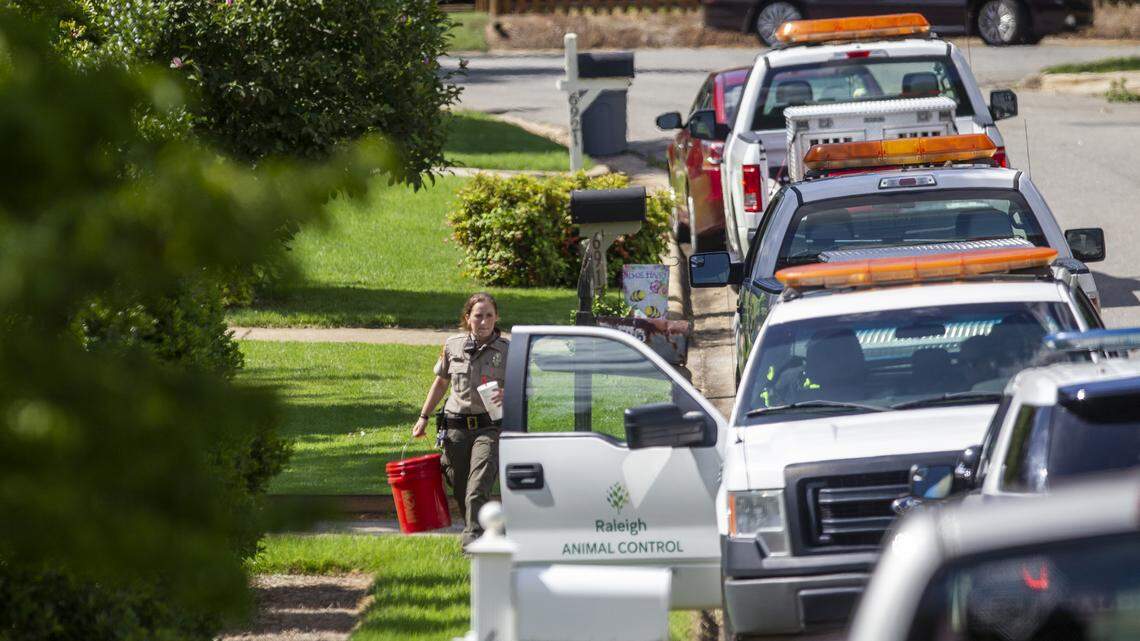
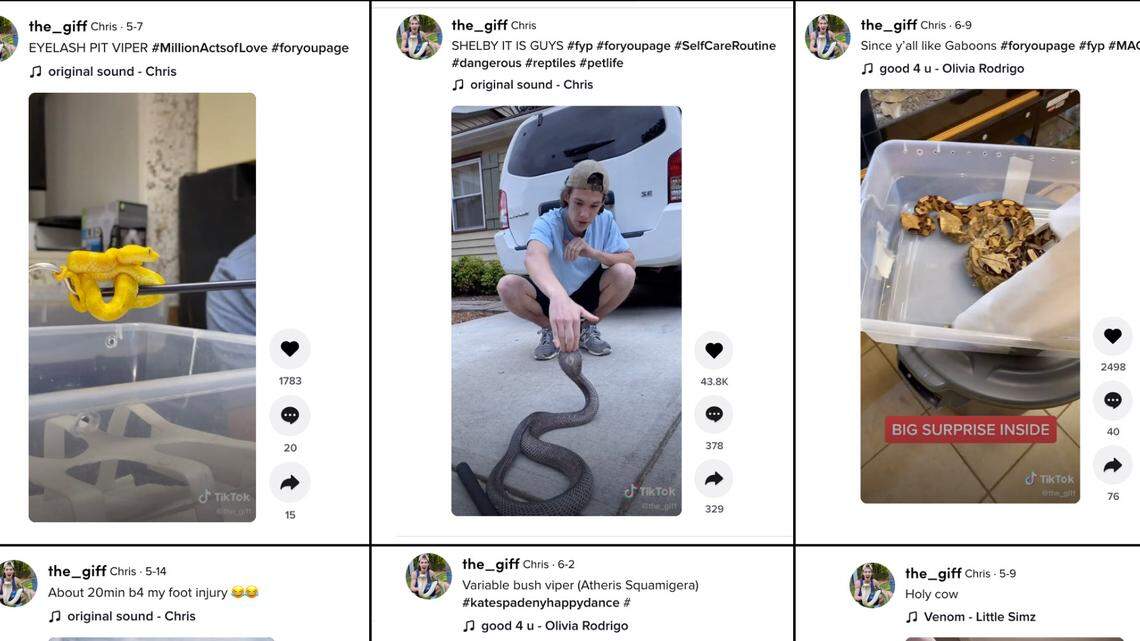
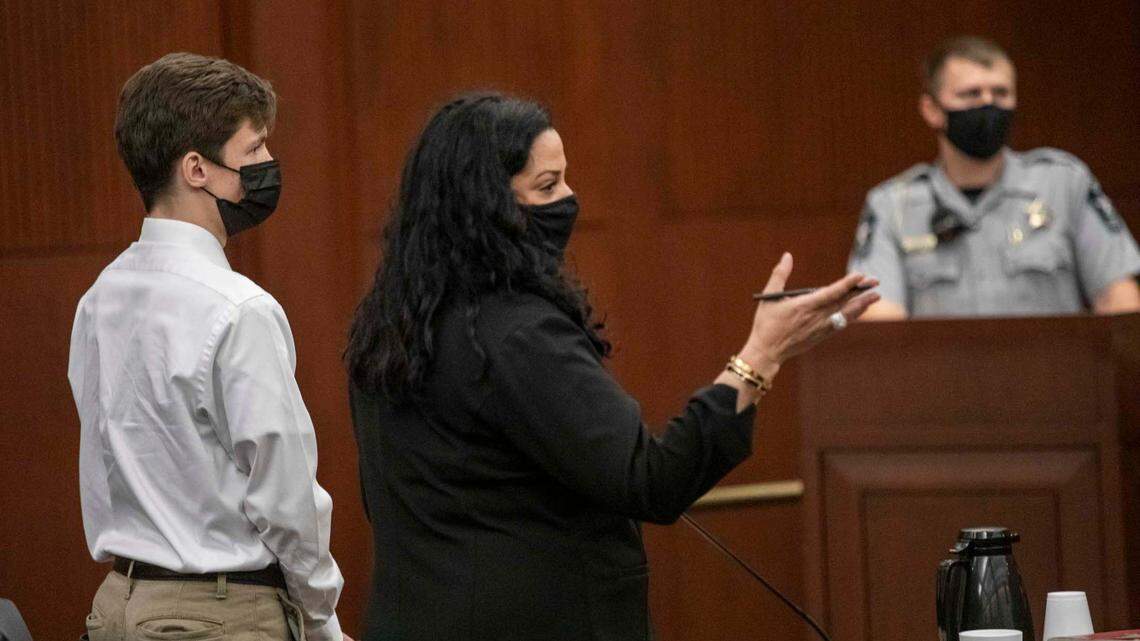
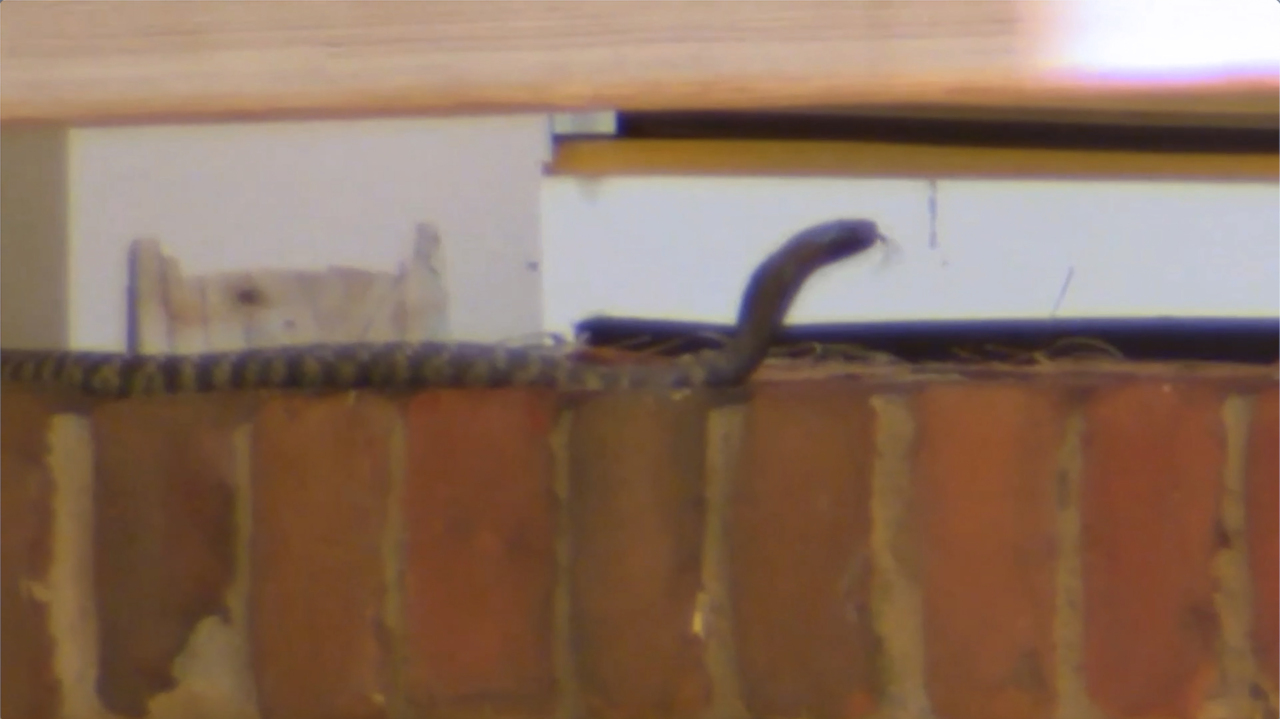
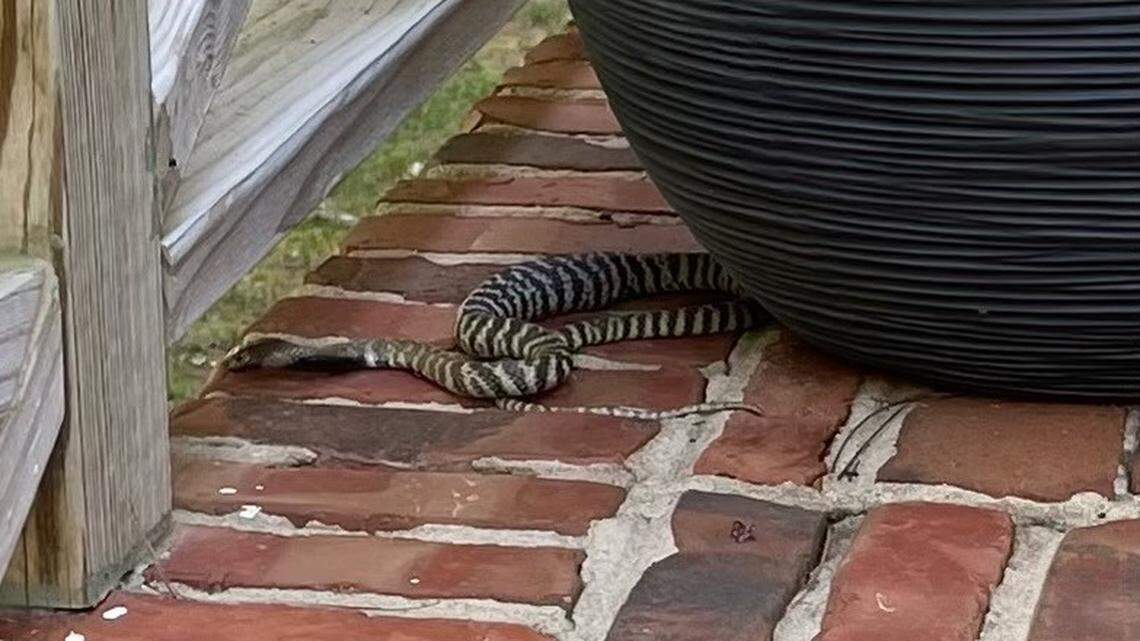
In the summer of 2021, a venomous zebra cobra was on the loose in a North Raleigh neighborhood, an incident that captured the region’s attention. The incident prompted the city of Raleigh to enact a new exotic animal ordinance. Here is coverage from The News & Observer.
Expand All
Nearly a year after a venomous zebra cobra was spotted in a northwest Raleigh neighborhood, the city has debated rules on how to handle nontraditional pets within city limits.
On Tuesday, the Raleigh City Council voted for a “dangerous wild animal” ordinance. Another vote is set for July 5.
Here’s what you need to know.
What is a “dangerous wild animal?”
A dangerous wild animal is basically any non-domesticated animal that is found in the wild, is “inherently dangerous” to people and generally does not live with humans.
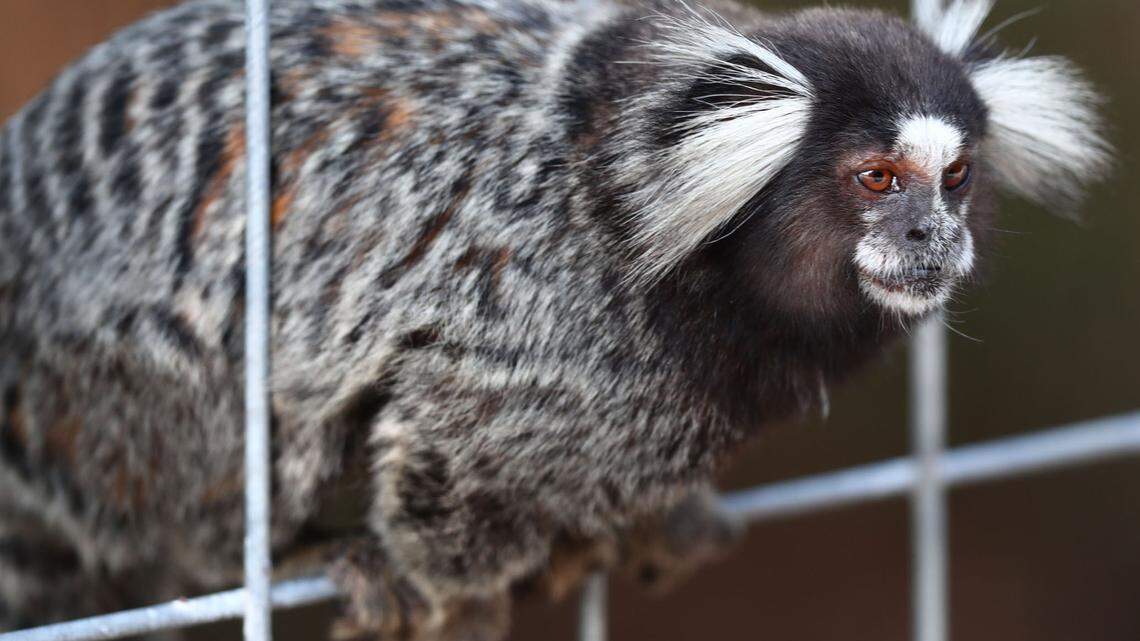
Raleigh specifically names lions, tigers, leopards, cougars, jaguars, cheetah, wolves, non-human primates, medically significant venomous snakes and crocodilians, but it’s not an exhaustive list.
What is a medically significant venomous snake?
This is a common term in the snake-keeping and medical fields.
“A medically significant venomous snake means a venomous or poisonous species whose venom or toxin can cause death or serious illness or injury in humans that may require emergency room care or immediate care of a physician.”
And, yes, this includes spitting zebra cobras.
When does it go into effect?
The Raleigh City Council voted 5-3 in favor of rules to ban new dangerous wild animals and to grandfather in current pets during a meeting Tuesday. A final vote will take place on July 5.
The ban will go into effect 60 days after the ordinance is formally adopted. Registration for pets begins on July 1, 2023.
What if I currently have a ‘dangerous wild animal?’
Any person who currently owns a dangerous wild animal will be allowed to keep them as long as they follow the rules, including registration.
Registration will include many things, including the owner’s name, the type of animal, photos and descriptions of the animals. The owner must have no felonies or convictions related to abuse or neglect of animals, and should include health records for the animal, liability insurance and a plan if the owner is no longer able to care for the animals.
A pet owner would have to immediately report an animal that has escaped.
Current snake owners would only be allowed to keep 10 medically significant venomous snakes.
Are there any exemptions?
Yes, a handful for educational or scientific organizations, laboratories, accredited zoos and wildlife rehabilitators, among others.
What are penalties for non-compliance?
A person who violates the ordinance will face a $500 fine per animal and will have to reimburse the city for costs of impounding, recapturing, sheltering or euthanizing the animal if it escapes.
What about a sugar glider or ferret?
The ordinance has gone through several iterations. At one point, it would have banned all non-domesticated animals, which alarmed some pet and reptile enthusiasts and associations.
The rules voted on Tuesday didn’t ban exotic animals and just focused on non-domesticated animals that are also dangerous.
So the ducks and squirrels are OK?
Yes, the ducks, squirrels and feral cats mentioned in some previous versions of the ordinance have been removed to just focus on dangerous wild animals.
What about a non-venomous snake? Or other reptiles?
Non-venomous snakes and reptiles are allowed under the new rules. Previous versions of the rules appeared to ban them, prompting concern from local and national groups including the United States Association of Reptile Keepers.
What happened to the Raleigh zebra cobra?
The snake died in late 2021.
After the cobra was captured, it was left in the keeping of Jen Davis, who helped capture the snake and is often asked by law enforcement to house venomous snakes when they are captured.
After being outdoors for so long, the snake had liver and kidney problems and “likely suffered some respiratory infections” likely from inhaling insulation, Davis said.
“It takes a while for that scarring to build up like it did,” she said in a previous News & Observer interview. “And you got to remember he was out for seven and a half months.”
This story was originally published June 21, 2022 at 7:36 PM with the headline "Here’s what you need to know about the rules Raleigh wants for ‘dangerous wild animals’."