Cruising Across Carolina: Mountain splendor, thrift shopping and gaming at summer’s end
READ MORE
Cruising Across Carolina
This summer, The N&O’s Martha Quillin is on a road trip across the Tar Heel State’s backroads and byways. And you’re invited. Plus, we have a full guide to NC’s beaches and coastal getaways — and the famed Mr. Beach’s pick for the best beach in the nation, right in our state.
Expand All
This is the sixth installment in Cruising Across Carolina, Martha Quillin and Travis Long’s summer road trip across the Tar Heel State’s backroads and byways.
You’re 11 years old.
It’s late summer, maybe 8 p.m. on a Wednesday. Could be Thursday, you’re not sure. Days of the week haven’t mattered since the last school bell rang in June.
You’ve been outside all day playing with the garden hose, riding your bike, jumping off stumps, swinging from monkey bars. Almost imperceptibly, street lights have started fluttering on.
You look toward home, knowing it’s time to go in but waiting until a door opens and a familiar voice sends your name into the dusk.
“Supper!” the voice calls. You freeze. You don’t answer. You hope for a reprieve. Just 10 minutes more.
Seconds pass and you hear your name again, then a door falling shut.
“Coming!” you promise.
That’s where we are in our summer travels. Darkness is coming fast and the dew is gathering on the grass, soaking our beat-up tennis shoes as we cross the yard. But there’s a fresh pair of sneakers in a box in the closet, along with some crisp new jeans and shirts with long sleeves. Perfectly sharpened pencils wait in a zippered bag in a red binder.
It’s been a good summer. As anticipated, for me it’s been the best work summer ever. I’m both exhausted and exhilarated from reconnecting with old friends: the rural roads, the North Carolina countryside, some favorite trees, people who enjoy talking with strangers.
We started on North Carolina’s Northern Coast back in May, before the school year ended, and we’re winding up in the Southern Mountains, with buses back on the road. We’ve been from Manteo to Murphy by the most circuitous route we could manage, squeezing in as many stops as time and weather allowed.
We left thousands of cool places on the map unpinned. For every perfect spot on the beach, each step along a hiking trail, every lick from an ice cream cone, there were a thousand more flavors of the state untasted.
The season isn’t quite over. Autumn calls, but we hesitate.
“Coming,” we say. We’ll be right there, just as soon as we hitch a ride on a steam train, hike to a river bank, pick some apples, catch a baseball game.
This week’s itinerary
The main spots: Chimney Rock State Park; Asheville; the apple orchards outside Hendersonville; Bryson City, where we sleep in a “teepee” and board the Great Smoky Mountains Railroad for a steam excursion into the Nantahala Gorge; a zipline tour in Highlands; a back-country hike into the Great Smoky Mountains National Park; and Cherokee.
Length of trip: Seven days, but many people visit the N.C. mountains and never go back to where they came from.
For just a minute in November 2016, when a cinder ignited the dried leaves next to our car, I thought an N&O photographer and I were about to become casualties of the Party Rock Fire, one of many blazes that chewed up tens of thousands of parched forested acres in the North Carolina mountains that fall. It was late at night and though the road was open, nobody knew we were out there searching for a good spot from which to observe the flames, some of which were burning through Chimney Rock State Park.
When this is over, I thought, I’m coming back here to see that rock.
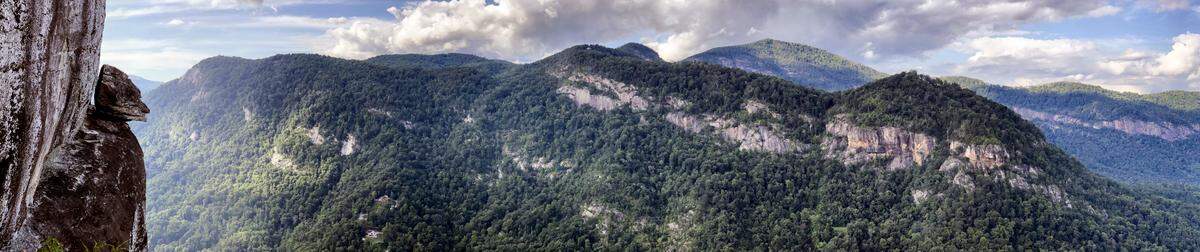
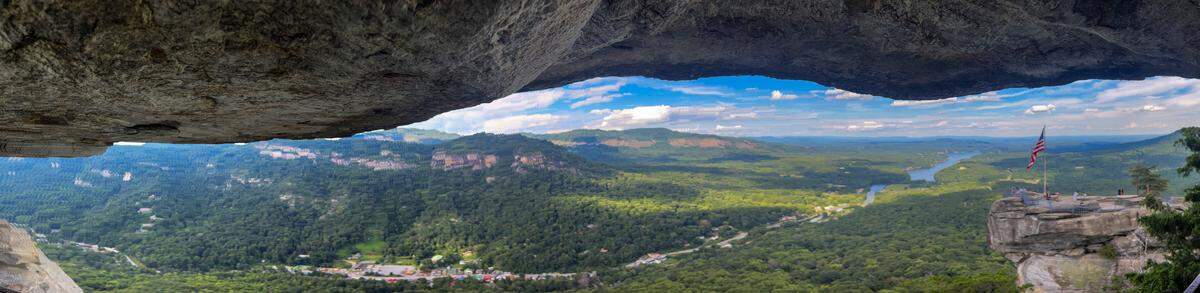
That’s where this trip starts, in Rutherford County, four hours west of Raleigh in what became one of North Carolina’s most spectacular parks when the state bought the property in 2007 from the Morse family, which had owned the land and run it as a tourist attraction since 1902.
A mountain with an elevator
This gem of the Appalachian mountains is a product of both ancient geological flux and American capitalist ingenuity. Because not everyone could or would hike up the mountain to see the stone monolith that looms over Hickory Nut Gorge, Dr. Lucius Morse and his two investor-brothers paid to build a road that would take visitors as far as cars could travel.
After Morse’s death, the brothers blasted an elevator shaft into the mountain that would carry pedestrians the rest of the way. That engineering marvel opened in 1949.
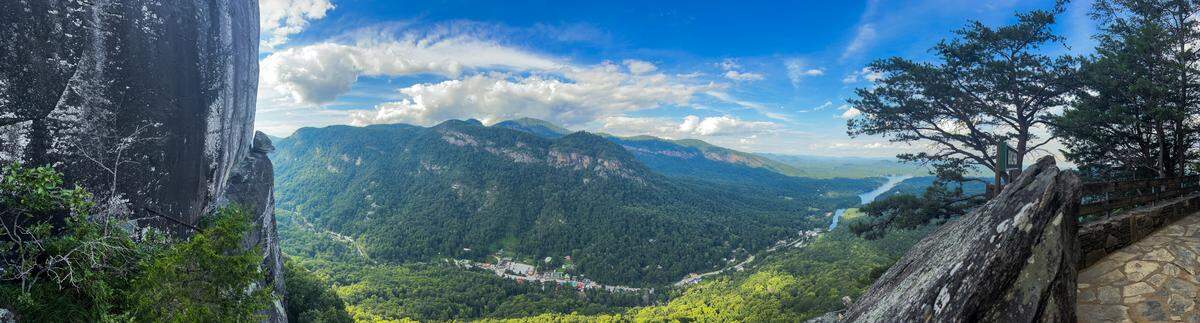
When the state acquired the property, it closed down the elevator for repairs and updates that took 18 months but made the ride safer and more reliable.
The elevator trip is almost as noteworthy as the rock formation itself, propelling riders the equivalent of 26 floors in 32 seconds. The pits of their stomachs arrive soon after.
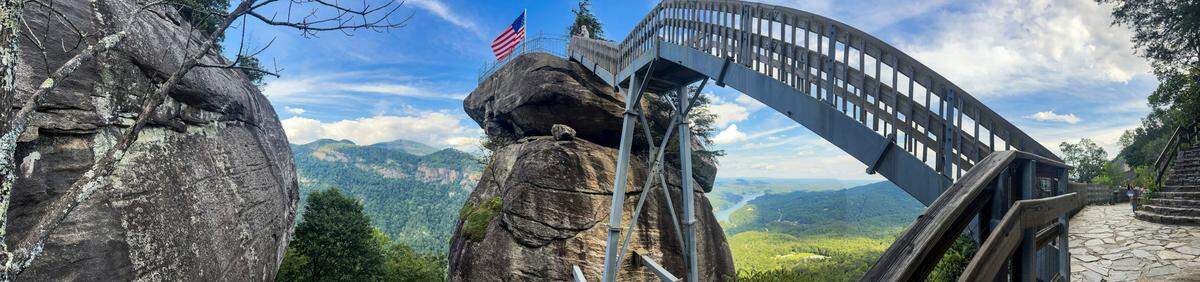
For purists, there are hiking trails from the bottom of the mountain to the chimney; around the side of the mountain to the base of 404-foot Hickory Nut Falls, one of the tallest waterfalls in the eastern U.S.; and to the headwaters of the falls at the mountaintop. If you choose any or all of these, carry water and snacks.
I drove to the top parking lot, arriving in the middle of a summer thunderstorm that drove nearly everyone else out of the park after perusing everything in the gift shop. I boarded the elevator to the “Sky Lounge,” which includes a second gift shop, a snack bar and a bridge over to the base of Chimney Rock. This is the highest point of wheelchair accessibility.
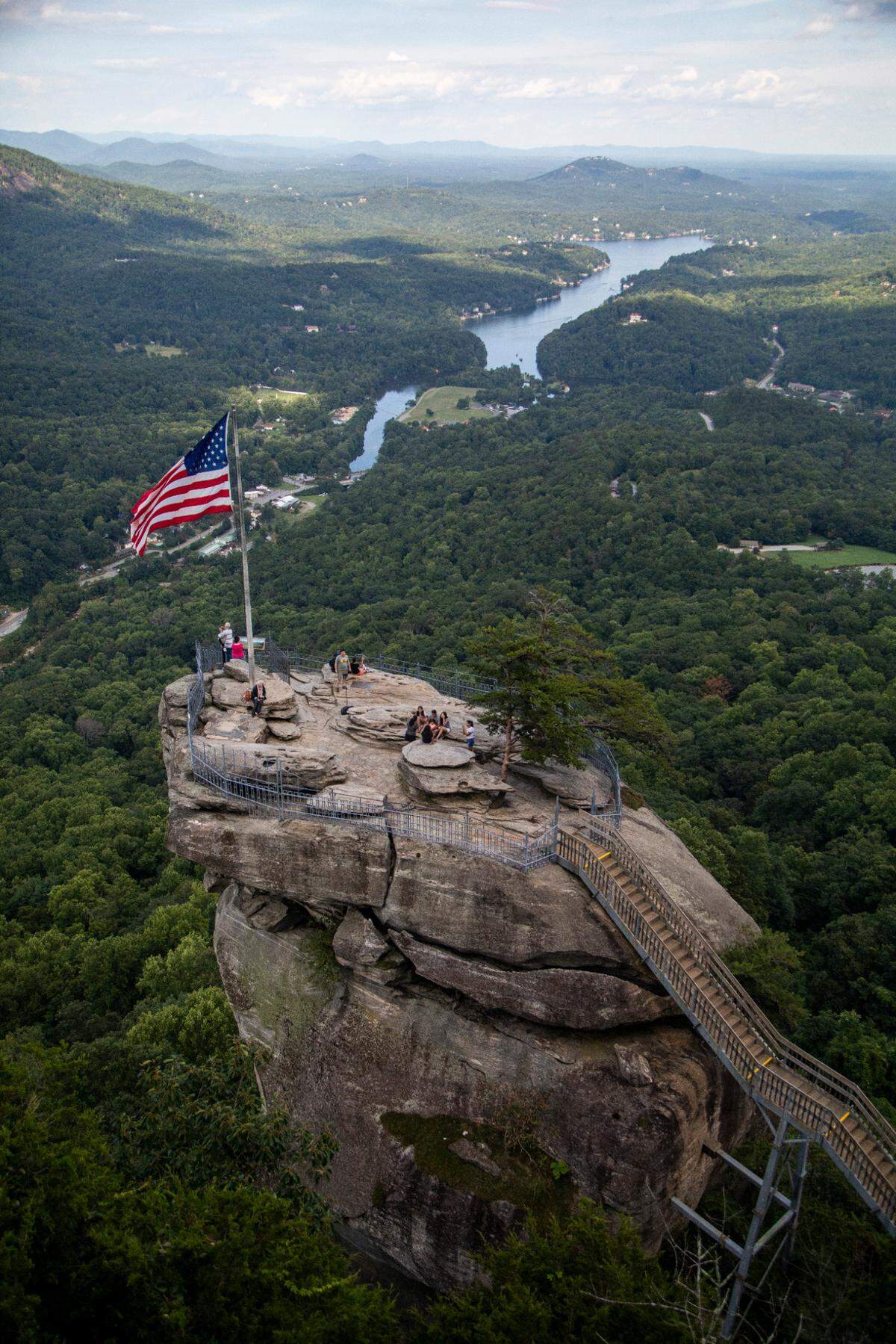
Since the rock outcropping sticks out like a lightning rod, park officials close the stairs to it during active lightning, like lifeguards keeping people out of a pool.
While waiting for a storm to pass, climb the 300-some stairs to “Exclamation Point,” which is only part way to the mountain’s summit but enough to evoke some exclamations. The view is stunning and worth the knee strain. When you come back down, climb the 40-some stairs up the rock and look down the valley.
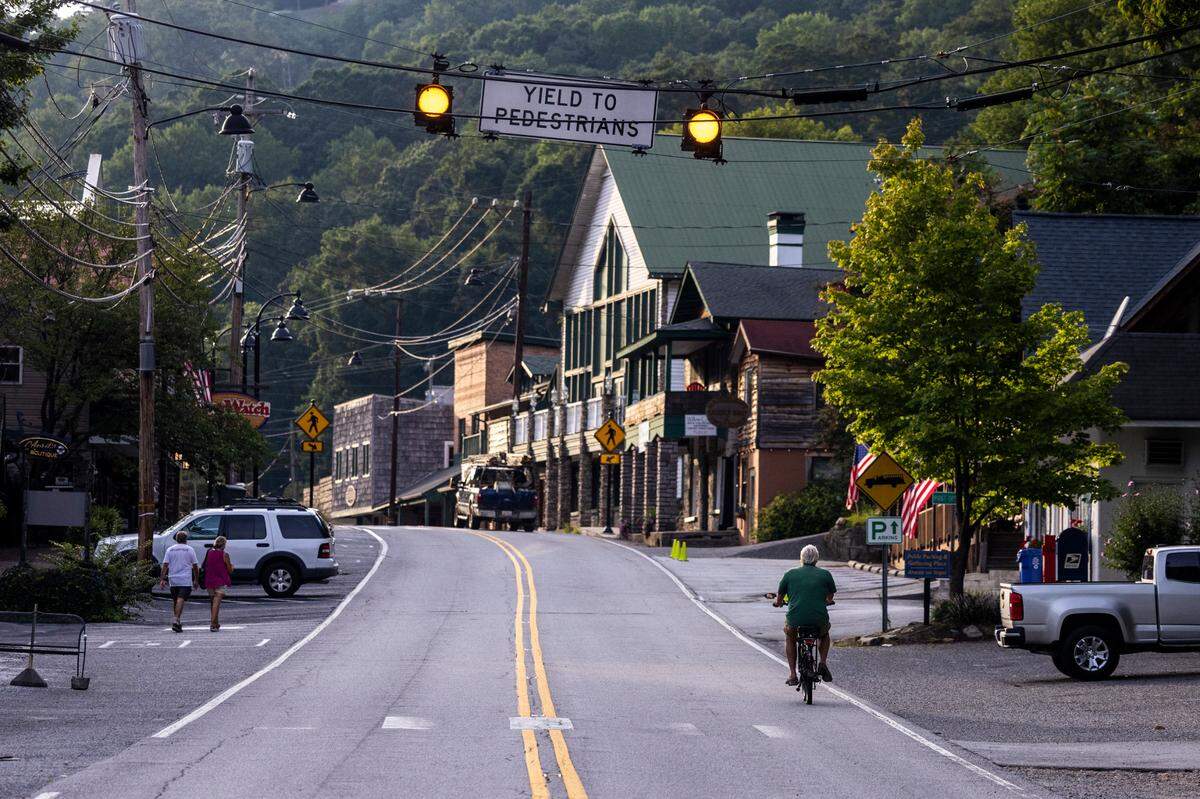
Leaving the park takes you back into the Village of Chimney Rock on the Rocky Broad River. Park your car, stroll the riverwalk, visit the shops, restaurants and bars.
Local accommodations include historic hotels in nearby Lake Lure and riverfront cabins and campgrounds in Chimney Rock, including Hickory Nut Falls Campground right on the river.
Liquid gold
Twenty minutes away on U.S. 64 west between Chimney Rock and Hendersonville is a string of apple houses offering fruit directly from orchards that spread up the hillsides along the highway and beyond. Some offer a U-pick option, and several, including Barnwell’s, run mechanical cider presses and sell this liquid gold by the gallon starting in early September.
If the only apples you’ve eaten came from the grocery store, make this revelatory side trip during the fall harvest season. Try all the varieties, and buy enough to share with coworkers and neighbors back home.
From here, it’s a half-hour to Asheville, which has more to offer than the 250-room Biltmore Estate, though everyone should visit the house once to see how people live when they are wealthy enough to own an entire mountain as a summer estate.
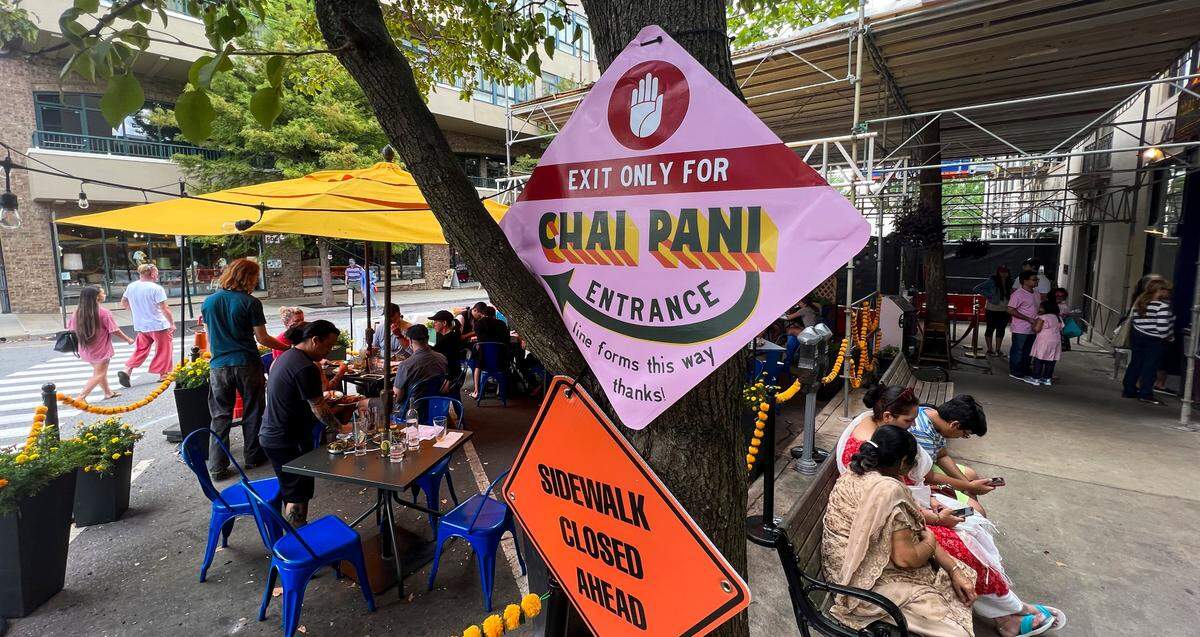
Some of the best food in North Carolina is served in Asheville; earlier this year, Chai Pani was named Outstanding Restaurant of 2022 by the James Beard Foundation. It’s open for lunch and dinner and if you hope to taste either, you need to be in line when they open. If you’re told it will be an hour wait, get your name on the list and walk around downtown until it’s almost time to be seated.
It’s billed as serving “Indian street food,” and in good weather, the street seating is the place to enjoy it.
Asheville has tons of shopping, much of it catering to wealthy tourists. That’s not my demographic, but I can spend a day and a little of my disposable income going in and out of its consignment stores, thrift shops and antiques malls.
Mountain thrift
My favorite places at the moment are south of downtown, not in the fancy stores of Biltmore Village but in the repurposed industrial buildings around there: the sprawling Antique Tobacco Barn, which got discovered several years ago but still has good vendors and some deals; the small and funky Second Chances Thrift Store, which benefits Brother Wolf, a local animal rescue; and Screen Door, Regeneration Station, and Sweeten Creek Antiques and Collectibles, all collections of vendor booths.
The Asheville Habitat for Humanity ReStore in the same area is one of my favorites in the state for its sheer volume and variety of items.

I don’t need — or even have room for — anything from any of these shops, and what I did buy has to ride around in my AWD storage locker until I can make room in the house. But I understand a place better when I see the relics of its material history that have lasted long enough to be collected, given away or resold.
If you aren’t fortunate enough to have a sister and brother-in-law living near Asheville whose spare bedroom is available (I don’t mean to brag), nearly every kind of accommodation is available here, from the Grove Park Inn to glamping in the Pisgah National Forest to a tent camping site on the North Mills River.
A really fun option is the Log Cabin Motor Court in Weaverville, just outside Asheville, built in the 1930s. Unlike some of the places where I have slept this summer, the cabins are heated and cooled, have wifi and internet access and indoor plumbing. The website highlights the fact that the cabins have “No telephones to disturb you.”
No worries, we are plenty disturbed by our own.
A great place to walk in Asheville — that isn’t inside an antiques mall — is the N.C. Arboretum, operated by the UNC System inside the Pisgah National Forest. It has beautiful gardens, hiking and biking trails ranked from easy to hard, a cafe and a gift shop. Admission is free but parking is $16 unless you buy a membership, which will also get you into the N.C. Zoo in Asheboro.
Be a tourist, see the Tourists
It’s still baseball season, and the Minor League Asheville Tourists had an evening home game against the Rome Braves from Georgia while I was in town. The Tourists play at McCormick Field, built in 1924 and named for a city bacteriologist who figured out the town could reduce the spread of disease with a “Swat That Fly” campaign.
Babe Ruth, Lou Gehrig and Jackie Robinson all played in games at the stadium. When baseball floundered in the 1950s, the park survived by hosting stock car races on a track circling the playing field.
The stadium gift shop is called “The Tourist Trap.” Concession-stand hot dogs and ice cream in a batting helmet are extra but required.
Asheville is a great town, but to really experience these mountains, drive even further west where much of the land is federally protected and little changed from the 19th century, when rail lines were being laid to haul passengers, logs, minerals and modern consumer goods in and out. In fact, it’s still possible to see some of the landscape from the perspective of a passing train.
Freight traffic in the region had dropped off by 1985 to the point where Norfolk Southern closed the run from Andrews to Murphy, and the state bought a section of the rails to keep them from being destroyed.
Rail enthusiasts and tourism promoters developed a passenger excursion running out of Dillsboro starting in 1988, and I climbed aboard an open car behind the steam engine for a news story soon after it launched. I think I still have some of the coal cinders in my eyes.
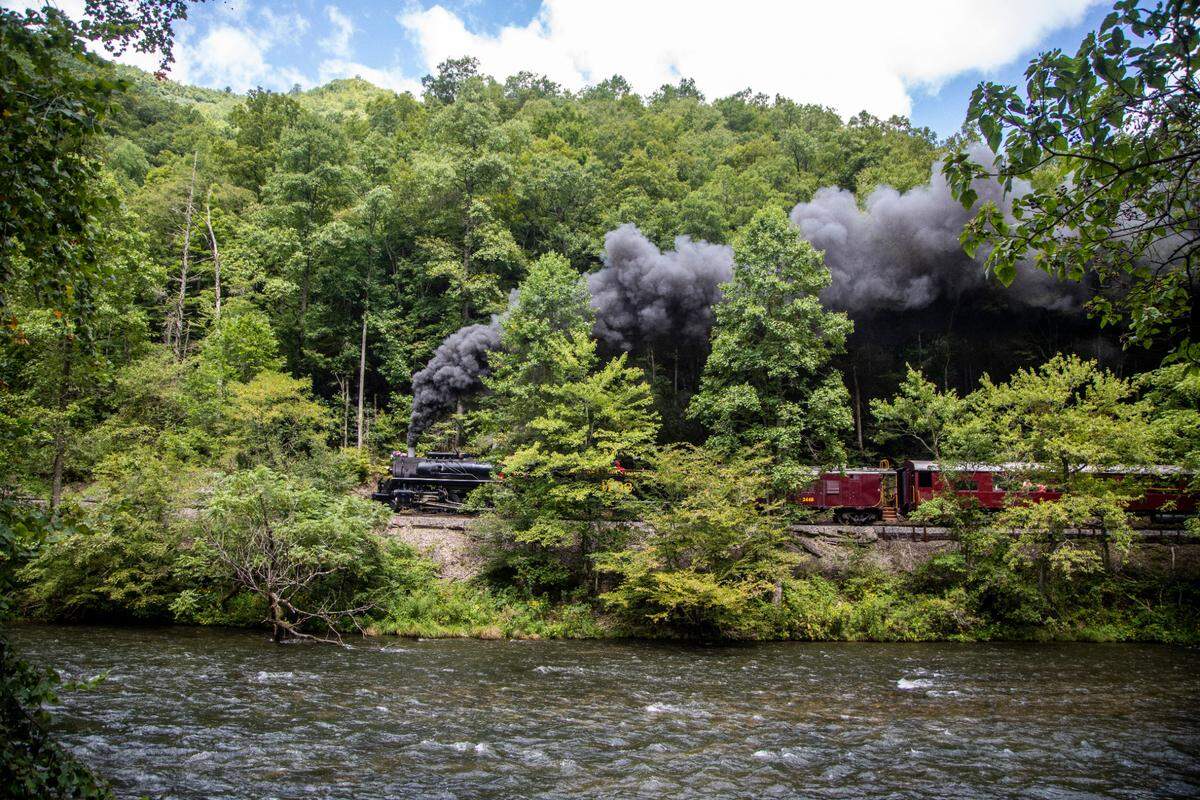
Today, the Great Smoky Mountain Railroad runs excursions out of Dillsboro and Bryson City carrying nearly 200,000 passengers a year. Diesel-powered trains run nearly every day of the week, but steam locomotive No. 1702 only runs on Fridays and Saturdays out of Bryson City.
The Nantahala Gorge excursion leaves at 10:30 a.m., and to be sure you’re at the station on time, stay nearby at a motel, bed & breakfast or in a cabin or campsite along the Tuckasegee River right outside of town.
Sleeping among the buffalo
With apologies to visual journalist Travis Long and all other members of the Eastern Band of the Cherokee Indians — whose ancestors never lived in teepees — I camped at the Grumpy Bear Campground in a “Tipi.” That’s a brand name of a tent in the shape of the Native American dwellings featured in every bad cowboy movie from the 1950s.
Admittedly culturally and historically incorrect, the “Tipi” was fun, had air conditioning if needed and was close to the rushing river. So close that on the second night, when it was threatening big rain and I didn’t have enough phone signal to do an internet search, I had a coworker back in Raleigh check the forecast for Bryson City to make sure I wouldn’t get washed downstream into Fontana Lake in a flash flood.
Each teepee is named for an animal painted on the side; I liked the buffalo because it sat up on a wooden platform that kept the floor dry.
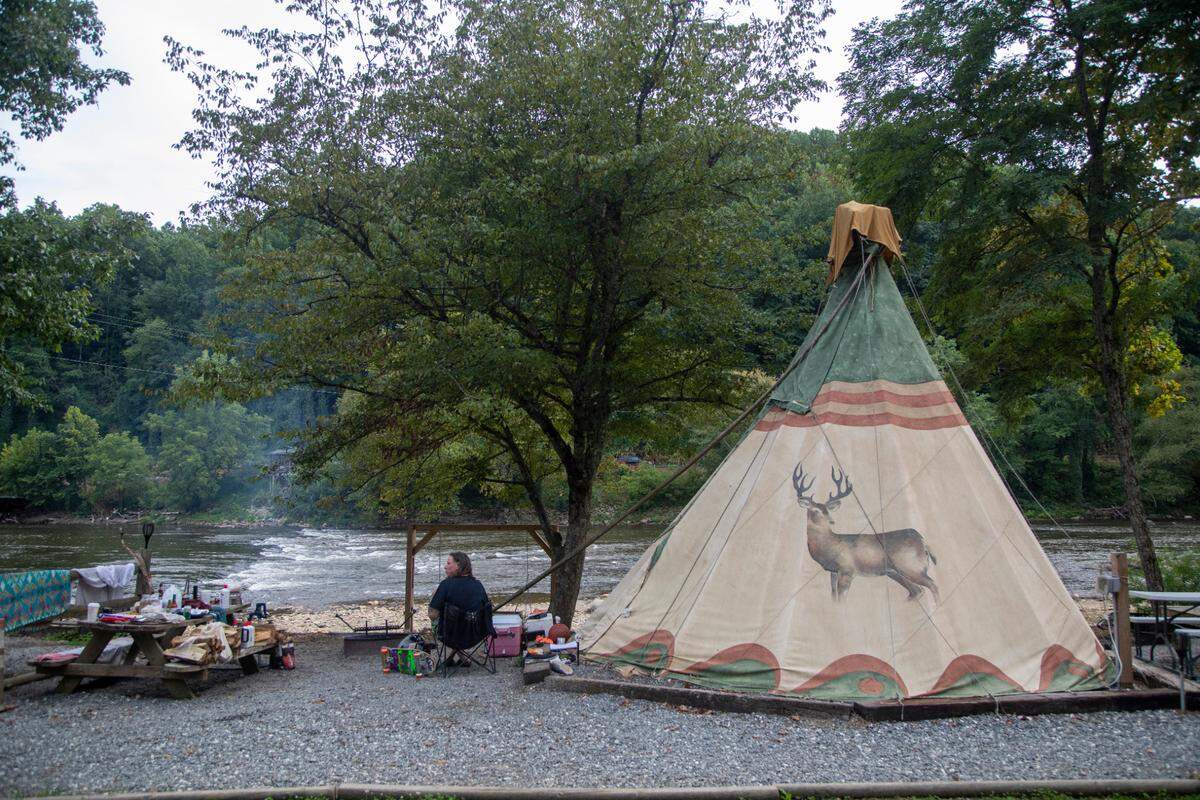
I didn’t see any bears, but I don’t know why they would be grumpy in a campground whose bathhouse is sparkling clean and features private bathrooms.
On the day of the train ride, get to Bryson City 90 minutes early and follow the signs for passenger parking, included in the price of a ticket. It’s a walk of a block or two over to the train station, plus you need time to get a bagel and coffee at Mountain Perks near the depot and spend a few minutes in the train museum and gift shop.
You’ll eat lunch on the train from a box you pick up before boarding or served by an attendant in your car, depending on the type of ticket you buy.
C’mon ride the train
I’m not a train nut — I know No. 1702 is a Baldwin locomotive that weighs more than 82 tons and was built for the U.S. Army in 1942 because I looked it up. But rocking gently through Western North Carolina’s backyard at 20 mph does put the dread on having to drive around the Raleigh Beltline at rush hour.
Bonus: the locomotive now runs off recycled motor oil instead of coal, so it still generates that impressive head of steam but passengers go home with clean clothes and no corneal scars.
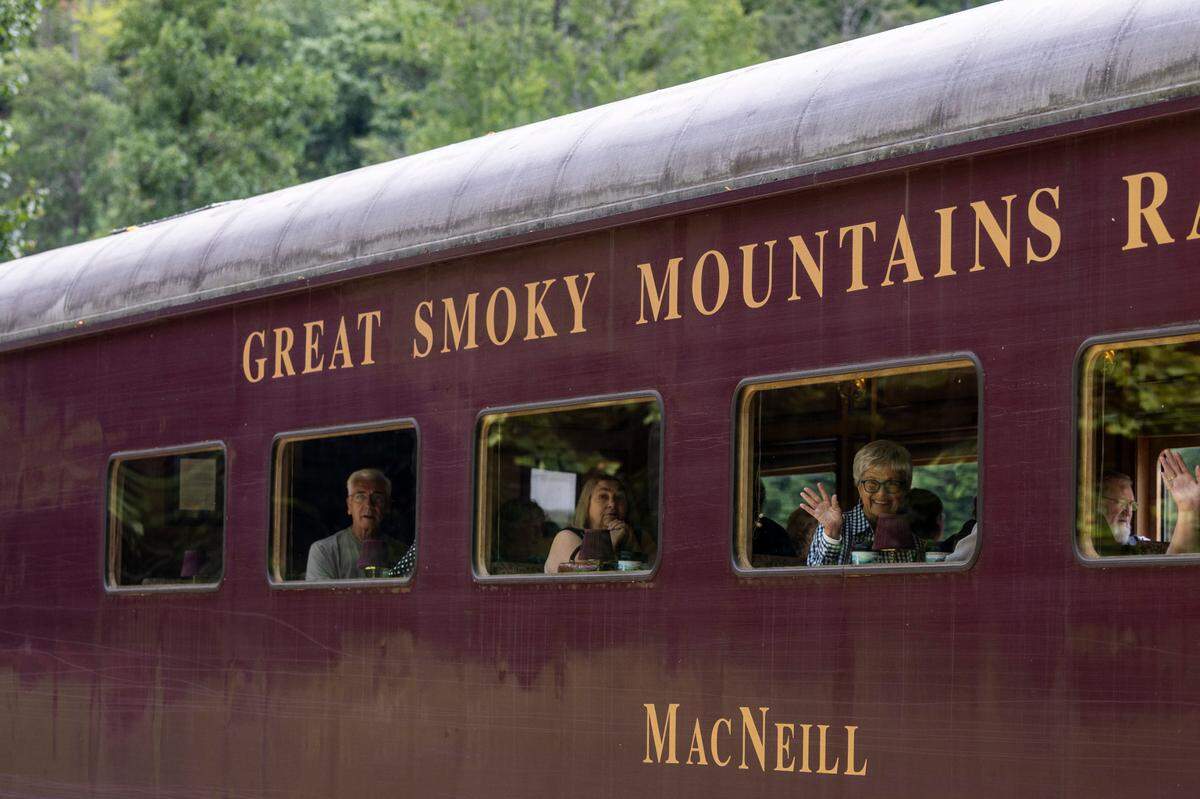
The excursion, 44 miles each way, goes southwest out of Bryson City, crossing Fontana Lake on a 791-foot trestle that’s 100 feet above the water, then follows the Nantahala River up the gorge. After a short stop, it starts the return trip, pulled by a diesel engine at the other end of the train.
There’s a nearly hour-long layover at the Nantahala Outdoor Center, enough to peruse clever camping gadgets and pick up brochures about whitewater rafting trips. Or just sit beside the river.
You get back to Bryson City at 3:30 p.m., leaving time for visiting shops and having a casual meal at Anthony’s or, if you can get a reservation, at the Bistro at the Everett Hotel.
The next day, drive the 20 miles to the town of Cherokee, the centerpiece of the Qualla Boundary, the 57,000-acre remnant of the once-vast tribal lands of the Eastern Band of the Cherokee Indians.
Visit the Museum of the Cherokee Indian, the Qualla Arts and Crafts Co-op and the Oconaluftee Indian Village to learn the history of the region and meet some of the modern-day residents. Plan up to an hour at the crafts co-op to shop the wood carvings, paintings, basketry, beadwork and other artistry, and at least an hour each at the museum, where you learn about the Cherokee through written words and pictures, and the village, where you watch Cherokee staff members demonstrating traditional crafts and tasks.

If it rains, the village pauses tours because most demonstrations are done outside. The walking path in the village can be muddy after heavy rain.
With much of North Carolina in a drought through much of the summer, I had very few rainy days where I couldn’t make planned stops. When I did, I looked for things to do indoors.
Gambling and Guy Fieri
When the weather just would not break in Cherokee, I did what more than 3.5 million people do each year and went to Harrah’s Cherokee Resort and Casino.
Just pulling into the sprawling development and parking in one of the three decks violated the main rule of Cruising Across Carolina: Stay out of the giant, obvious tourist attractions. Not because they’re bad but because people can learn about them in any interstate rest area.
So the plan was to go eat at Guy Fieri’s Cherokee Kitchen & Bar inside the resort, which sounded fun since I like his TV show. But when I texted my editor and a colleague, they said I must also go into the casino and play the quarter slot machines. They Venmoed me $5 each to gamble on their behalf. When I finally found the casino, Harrah’s was giving first-timers $50 to spend on the gaming floor. What luck!
I was more out of my element than a teepee in Cherokee.

First, there are no quarter slot machines because there are no quarters. The machines take special electronic cards and track your balance, which in my experience is ever declining. Even with patient instruction from a guest services staffer, I was Opie Taylor at the carnival trying to win Andy a razor for his birthday. I was destined to lose and did, except for $8.27.
Perhaps you will do better.
When your money runs out, or your head explodes from the overstimulation of the music and the flashing lights, my waitress at Guy Fieri’s restaurant suggests the burger, the barbecue or the penne pasta. The pasta wasn’t fabulous but at least I got something for my money.
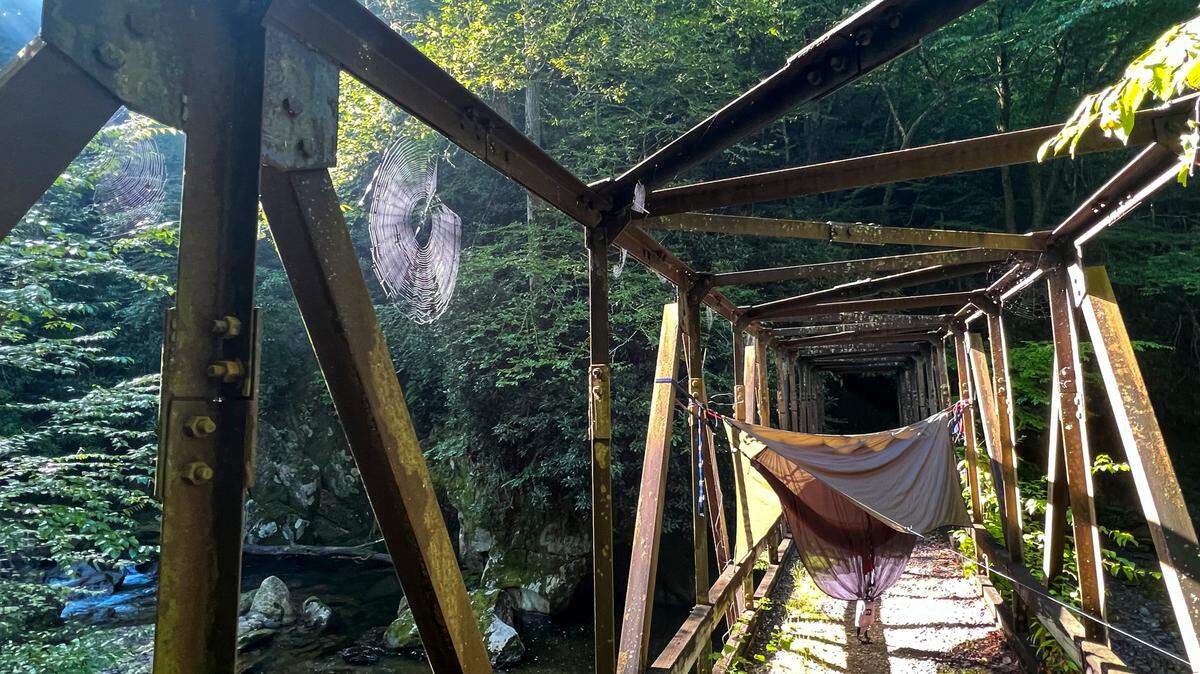
Travis had better weather when he came out later to get photos and video. Taking advantage of Cherokee’s proximity to the Great Smoky Mountains National Park, he and a childhood friend hiked more than three miles to do an overnight at Backcountry Camp 47 off Enloe Creek Trail.
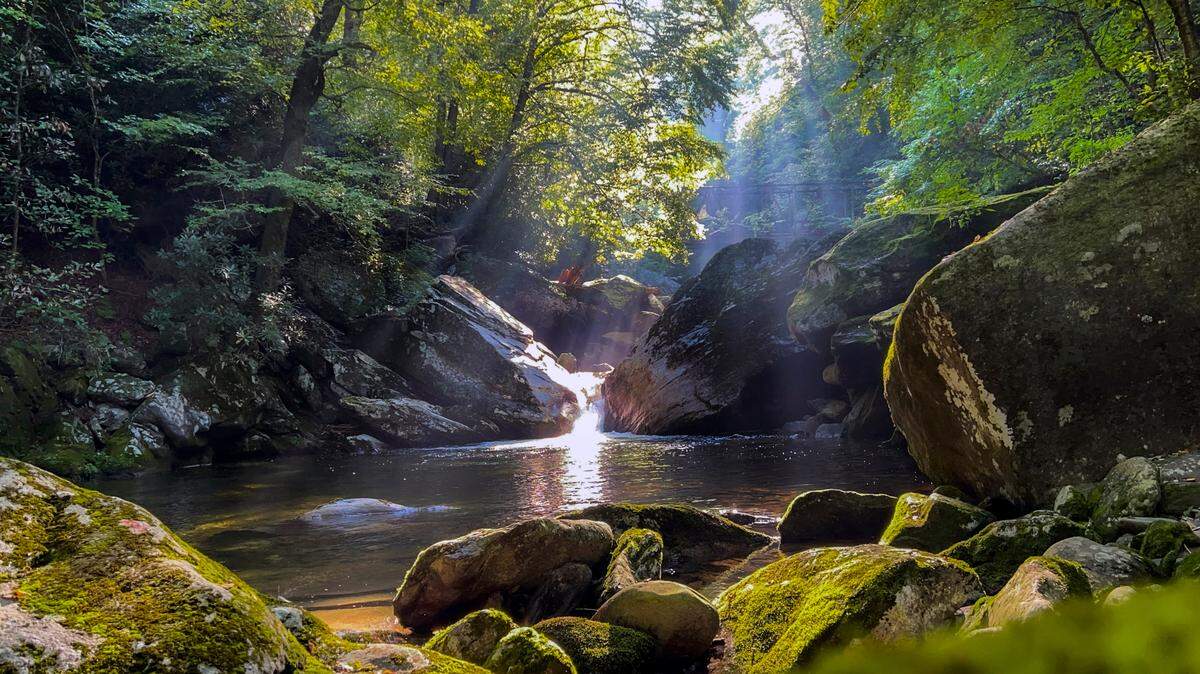
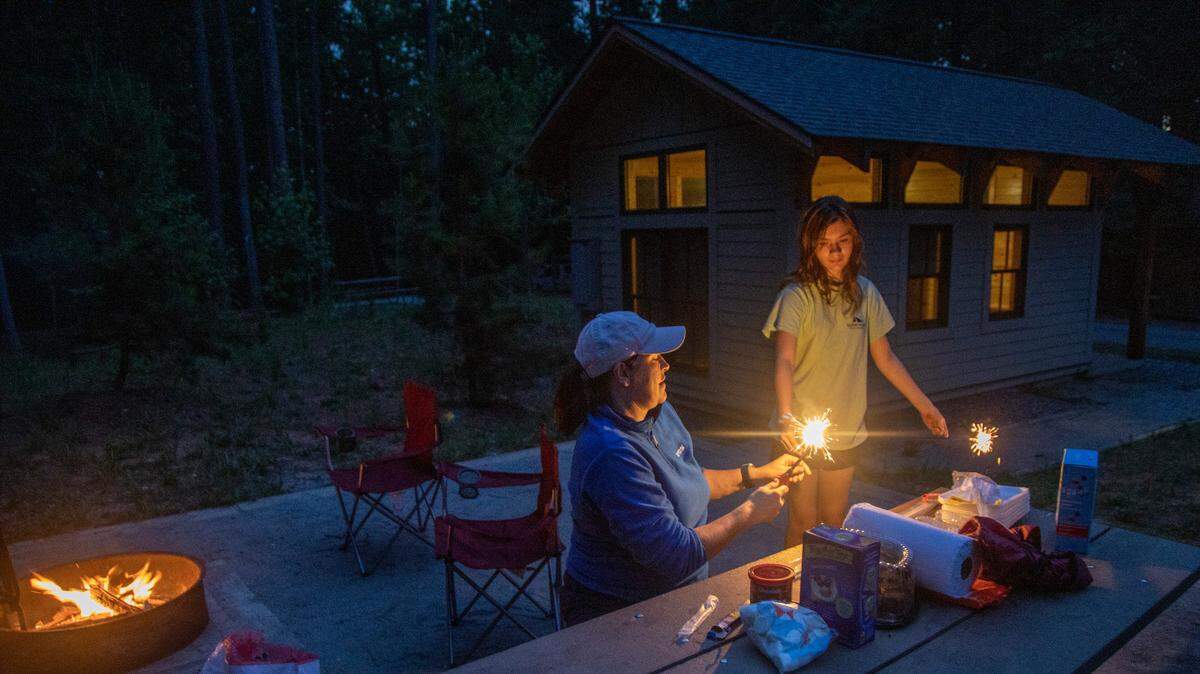
The first two miles were almost straight up, he said, and the last mile almost straight down. The reward was a campsite with a fire ring, a bridge over a trout stream and no human intrusion, not even a plane flying over, to keep two lifelong friends from catching up on untold stories.
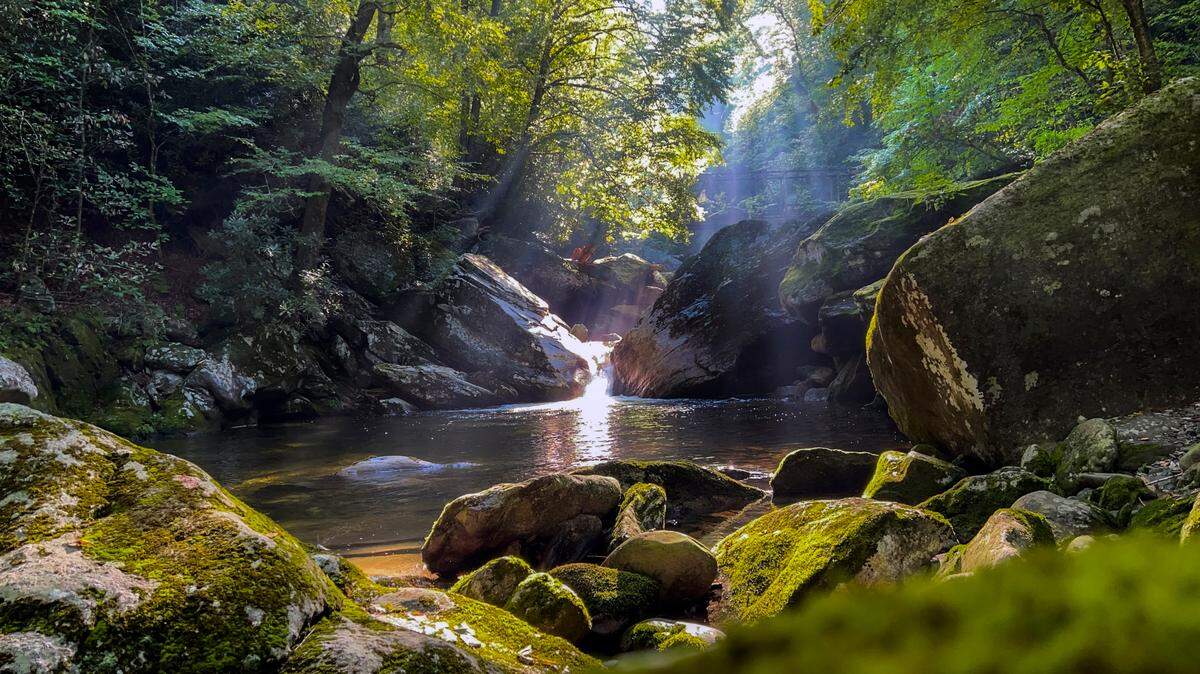
If you camp in the Smokies’ backcountry, get a permit first, and don’t fish the streams without a valid North Carolina or Tennessee fishing license.
Travis’ other adventure was at the Highlands Aerial Park in Scaly Mountain, hard against the Georgia state line an hour south of Cherokee. He took his 10-year-old son, Henry, on the full mountaintop zip-lining tour that includes eight lines, some up to 250-feet high and one that’s 1,550-feet long.
They added in the “giant mountain swing,” with a first drop so fast and severe that when I watched the video, I reflexively reached out to try to catch them.
Henry, who was just days away from starting school, was terrified, Travis said.
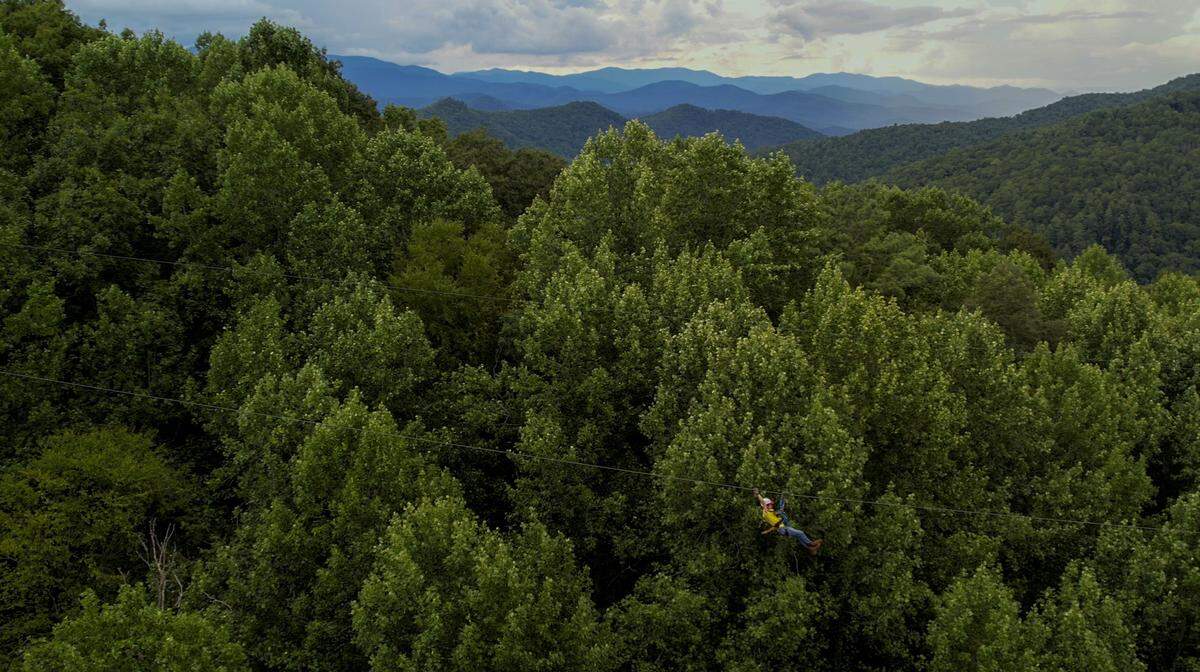
“But he loved it. He’ll remember that for a long time.”
The perfect ending to a perfect summer trip.
About the writer
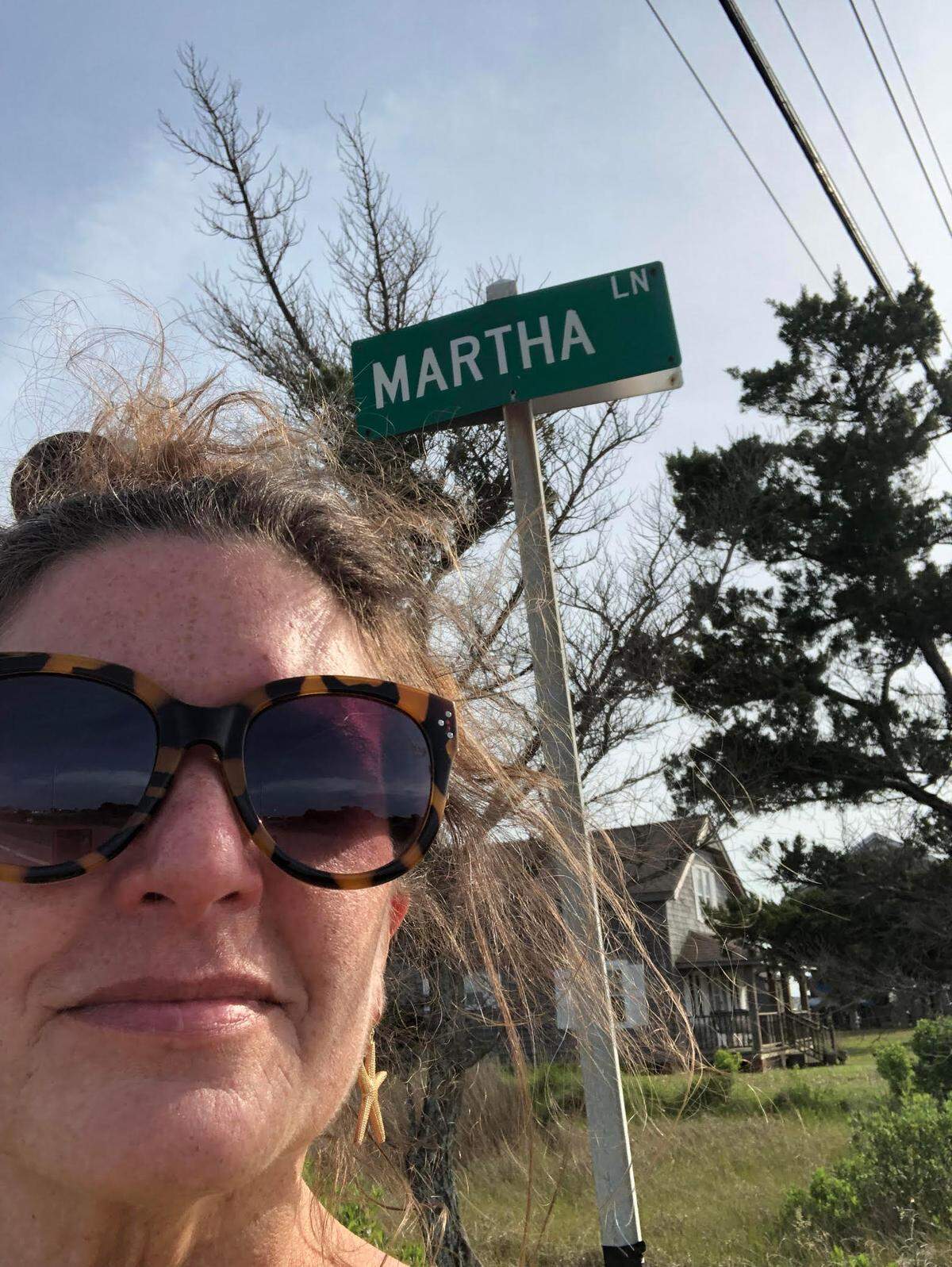
Martha Quillin grew up in North Carolina and has worked for The News & Observer for more than 35 years, mostly as a general assignment reporter. In a good year, she puts 30,000 miles on a car going to the places and talking to the people that make North Carolina amazing. She is mystified by people who drive around in clean cars.
About the photographer
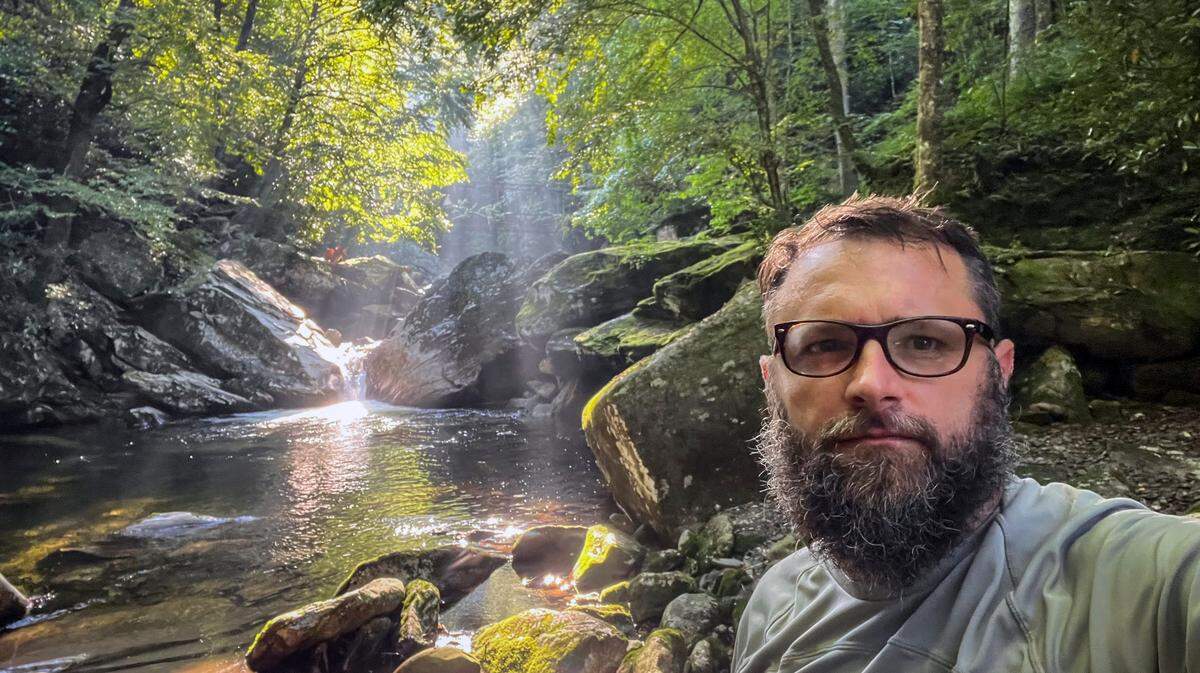
Visual journalist and introvert Travis Long has worked at The News & Observer since 2003, using still and video cameras as magic tickets into places he would never otherwise go. He has ventured even further out of his comfort zone this summer, looking at the state from a different perspective, such as from a zip line 250 feet off the ground.
Coming up: We’ll highlight our adventures in a special guide, plus your favorite North Carolina travel picks, on Sept. 14.
This story was originally published September 7, 2022 at 6:00 AM with the headline "Cruising Across Carolina: Mountain splendor, thrift shopping and gaming at summer’s end."