North Carolina now requires porn websites to verify age. How will that work?
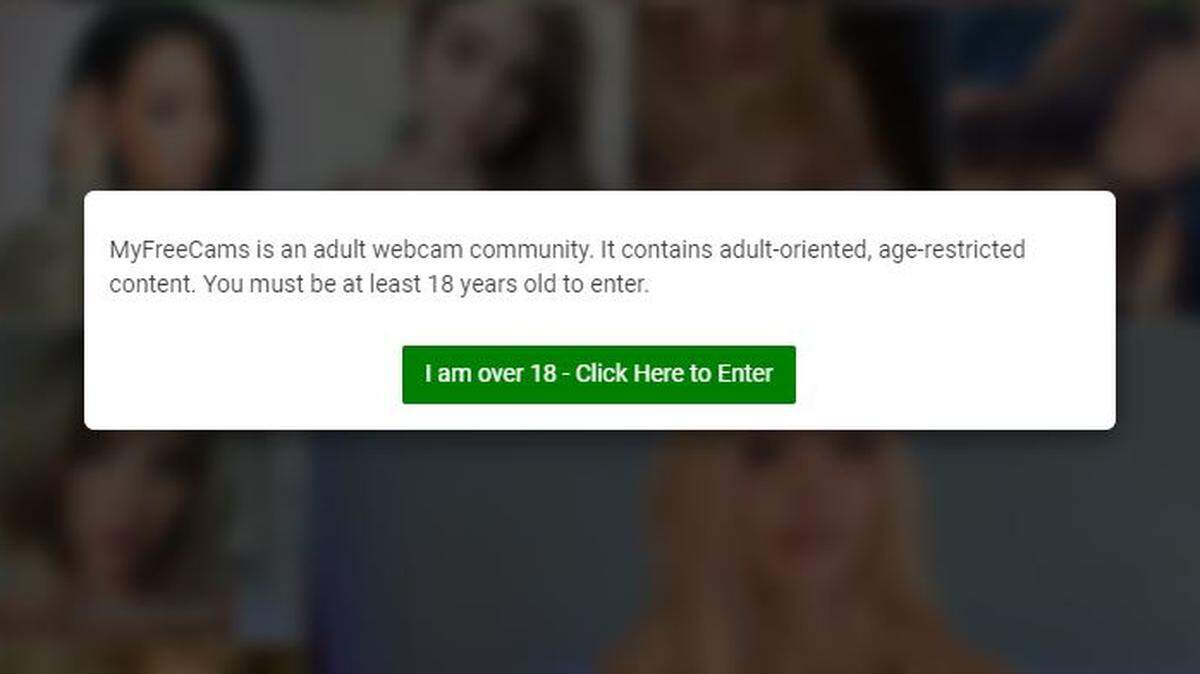
North Carolina Gov. Roy Cooper signed a bill in September that requires age verification on pornographic websites.
The new law, which goes into effect Jan. 1, requires the websites to verify users in North Carolina are over the age of 18 through a commercially available database or “another commercially reasonable method for age and identity verification,” according to the bill. However, websites are not allowed to keep any of the identifying information used to gain access to the sites.
The measure also allows parents to sue the owners of those websites for allowing their children to view the material.
Texas, Virginia, Louisiana, Arkansas, Utah, Mississippi and Montana have passed similar laws, according to the N.C. Family Policy Council. But in August, a federal judge ruled that Texas’ law implements free speech restrictions that violate the First Amendment, Variety reported. The ruling was appealed by the Texas Attorney General.
When the laws went into effect, Pornhub saw its traffic drop by more than 80% in Louisiana. Users in Utah, Mississippi and Virginia were also blocked from accessing the site, Politico reported. The same thing happened for North Carolina-based users in late December — days before the law was set to take effect.
“The safety of our users is one of our biggest concerns,” the statement says on Pornhub’s website, one of the most-visited adult websites in the world. “We believe that the best and most effective solution for protecting children and adults alike is to identify users by their device and allow access to age-restricted materials and websites based on that identification. Until a real solution is offered, we have made the difficult decision to completely disable access to our website in North Carolina.”
How will it work?
Age verification in North Carolina hasn’t been set up yet, but those who visit porn websites in states with similar laws are directed to a third-party site where they provide their government IDs, Wired reported.
Credit card information, face scans and online parental consent forms could also be used to verify ages, according to a briefing from the European Commission, where similar laws have been passed.
After a similar law went into effect in Virginia in July, most websites didn’t adopt age verification methods, the Virginia Mercury reported.
If websites don’t comply with the law, parents of minors who were allowed to view the content or anyone whose personal information was kept by the website can file civil suits against the companies for damages, according to the N.C. bill.
Free Speech Coalition Executive Director Alison Boden told the Mercury that a lot of pornographic websites aren’t based in the U.S., making it harder for them to be held accountable for breaking the law.
“The actual legal jeopardy that an international company might face, especially since it would be like a private lawsuit from an individual, is not terribly high compared to what a U.S. company would face if sued by a person in Virginia,” Boden said.
Why was the age verification law passed?
The age verification law passed as part of House Bill 8, which received overwhelming, bipartisan support. The bill, titled “Various Statutory Changes,” also includes new requirements about computer science education in middle and high schools and accreditation of schools.
The law is meant to protect children from the harmful effects of pornography, Sen. Amy Galey, an Alamance County Republican who introduced the proposal, said during a floor debate.
“Moms and dads across the state of North Carolina are striving to protect their children from online predators in a number of different ways by monitoring their child’s use, by putting parental controls on their electronics,” Galey said. “This will give them another important way where they can work to keep their children safe.”
Exposure to pornography at a young age can lead to mental health issues, and encourage sexism and objectification, sexual violence and other negative outcomes, according to UNICEF.
North Carolina’s law comes as more teens than ever are watching explicit content online.
A study from Common Sense Media, an advocacy organization that gives ratings to media and technology to decide whether they’re suitable for children, said nearly three in four teens between the ages of 13 and 17 reported watching porn online, and more than half reported seeing it before the age of 13.
This story was originally published October 3, 2023 at 12:23 PM with the headline "North Carolina now requires porn websites to verify age. How will that work?."