Pro-Palestinian protesters gather on anniversary of UNC-Chapel Hill encampment
READ MORE
NC responds to Israel-Hamas war
Since Oct. 7, when Hamas launched a surprise attack on Israel, the ensuing war in Gaza has had an impact around the world. In the Triangle, protesters have taken to the streets, college campuses and government meetings to call for a cease-fire, aid to Gaza and the release of hostages. Here is ongoing coverage from The News & Observer.
Expand All
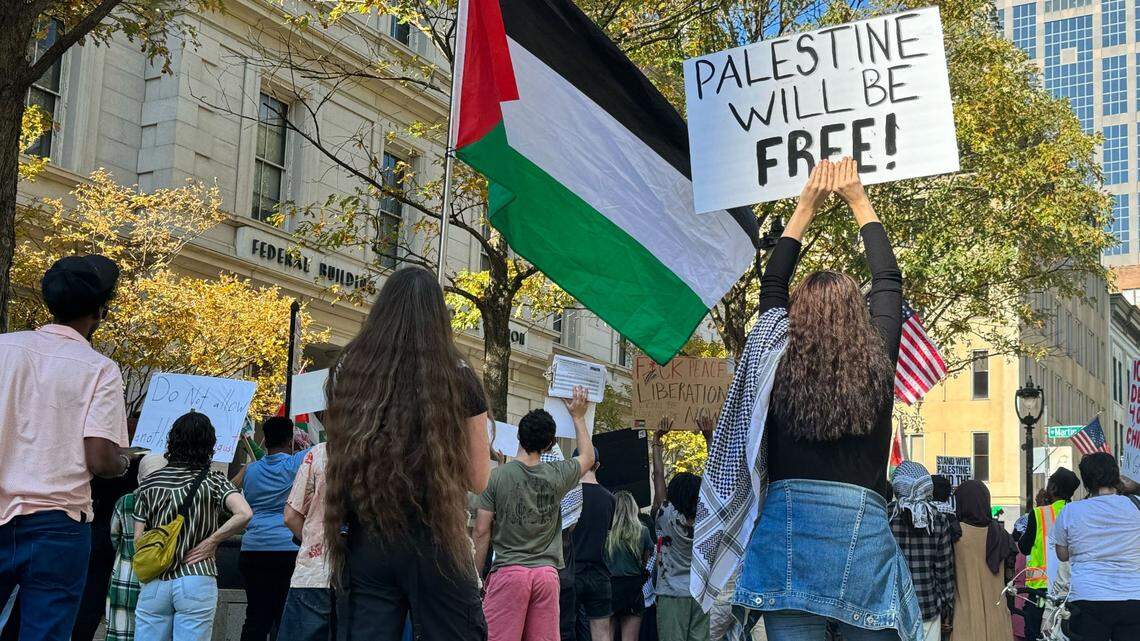
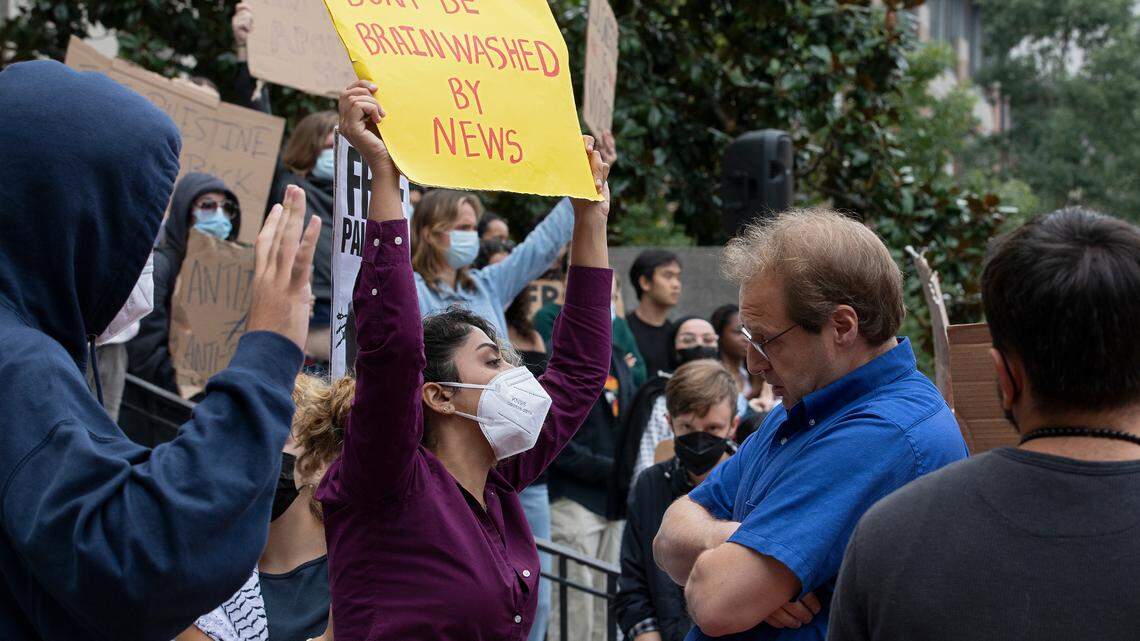
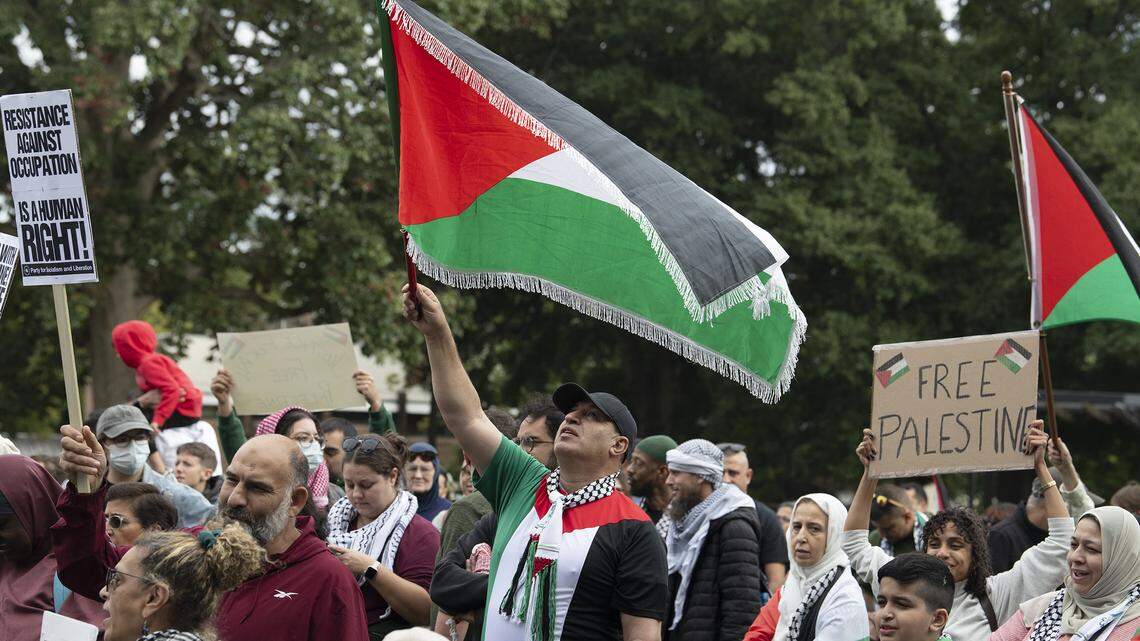
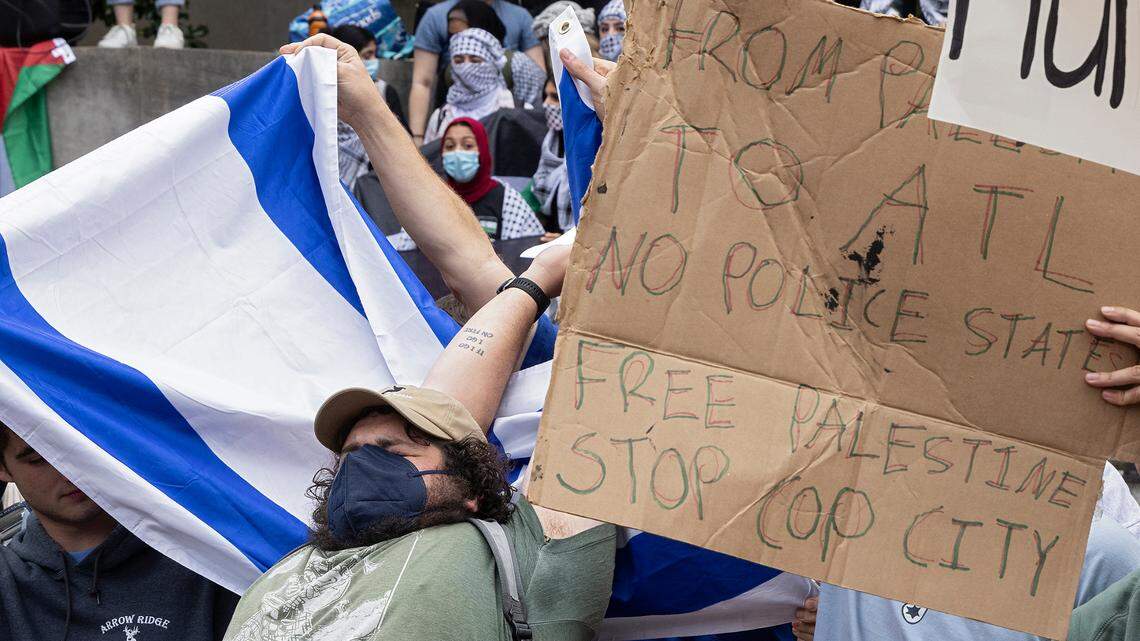
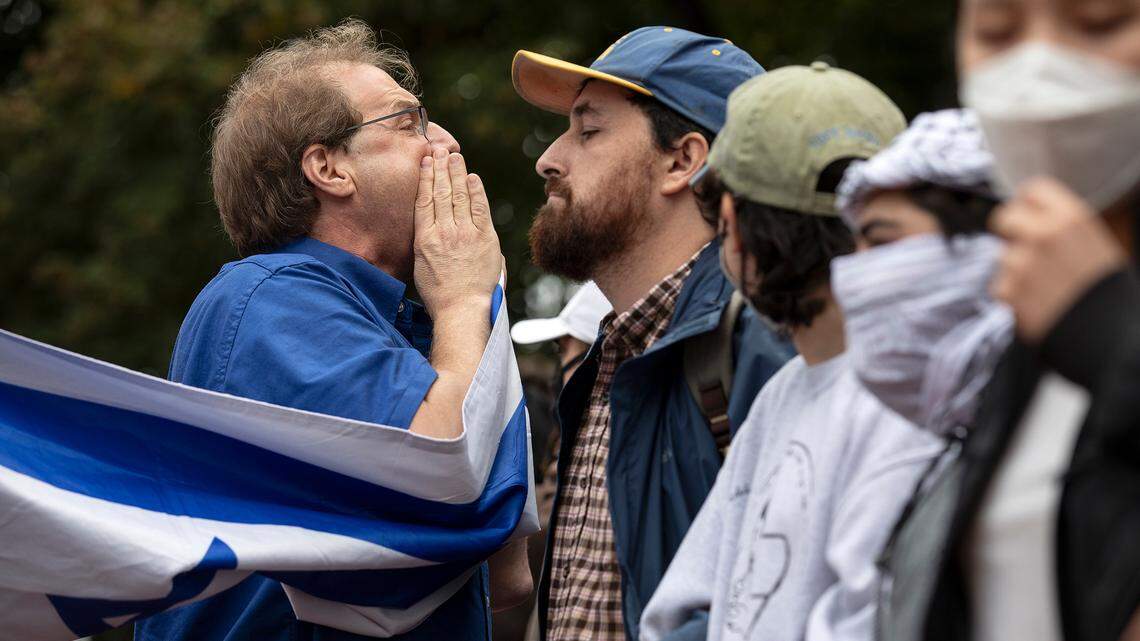
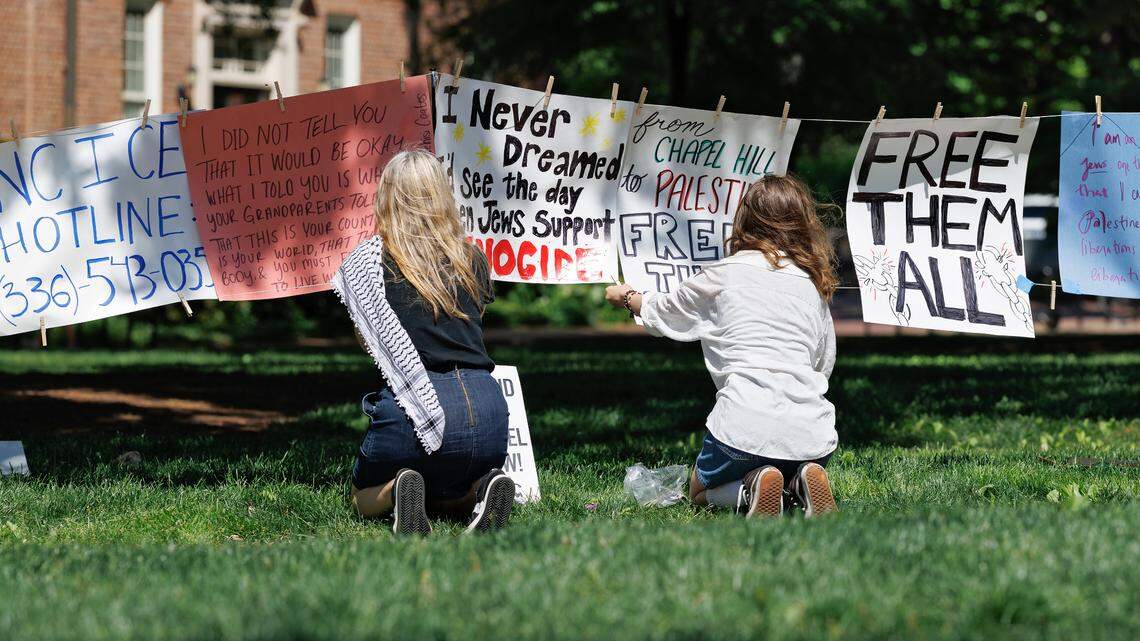
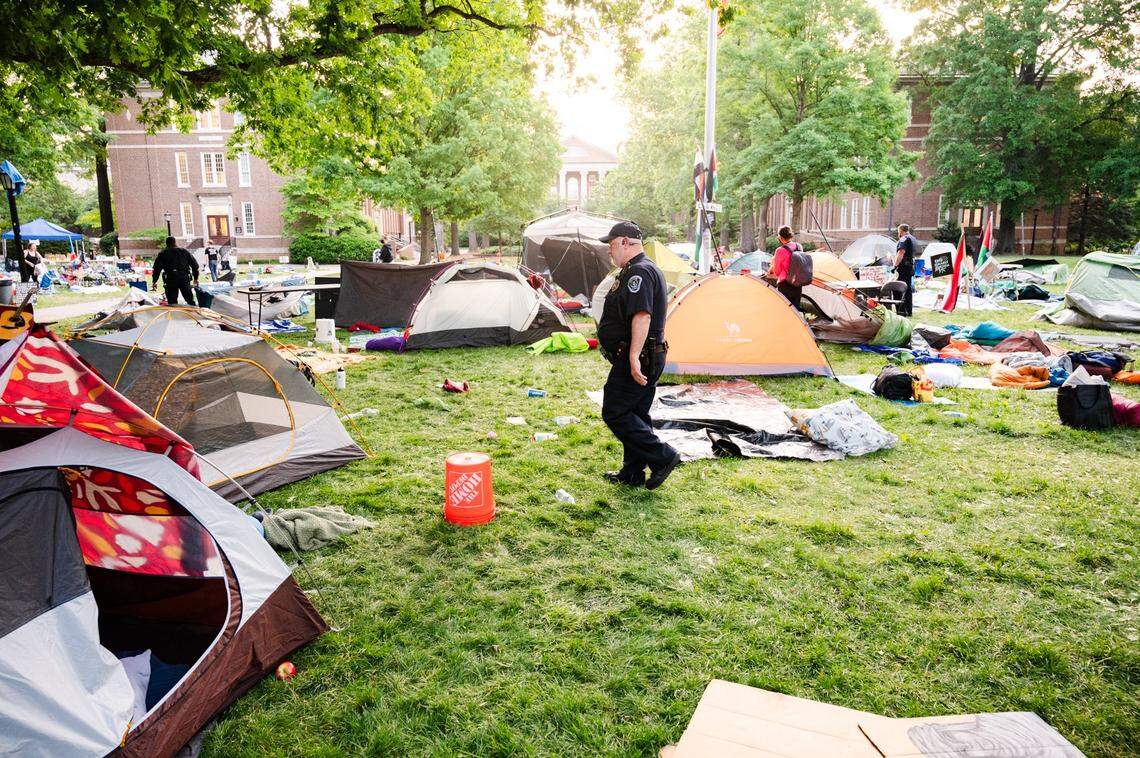
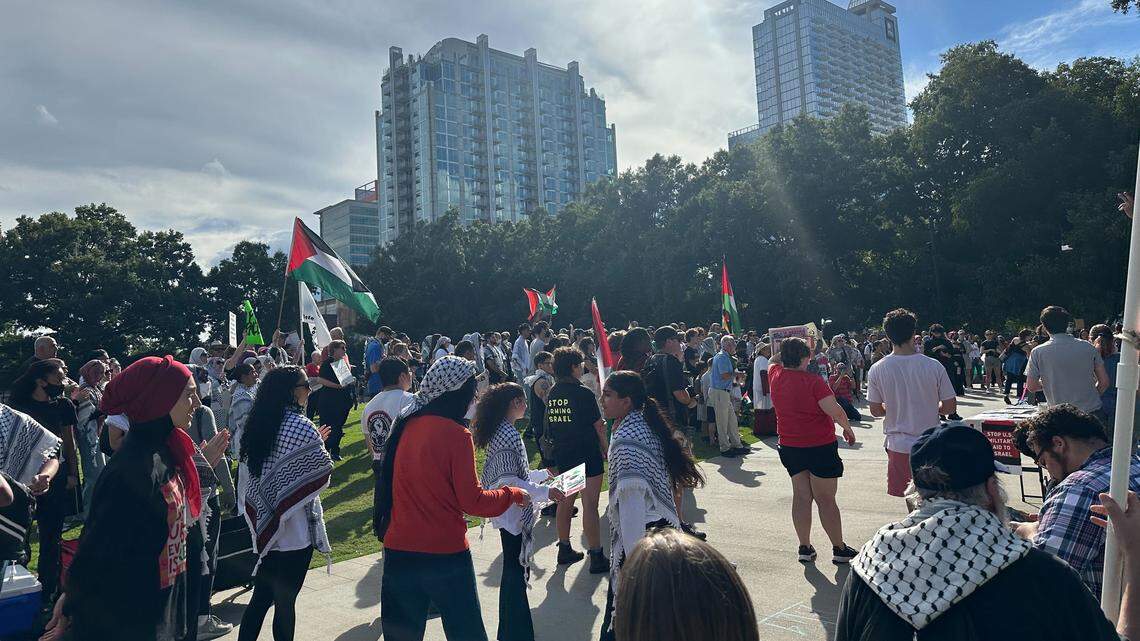
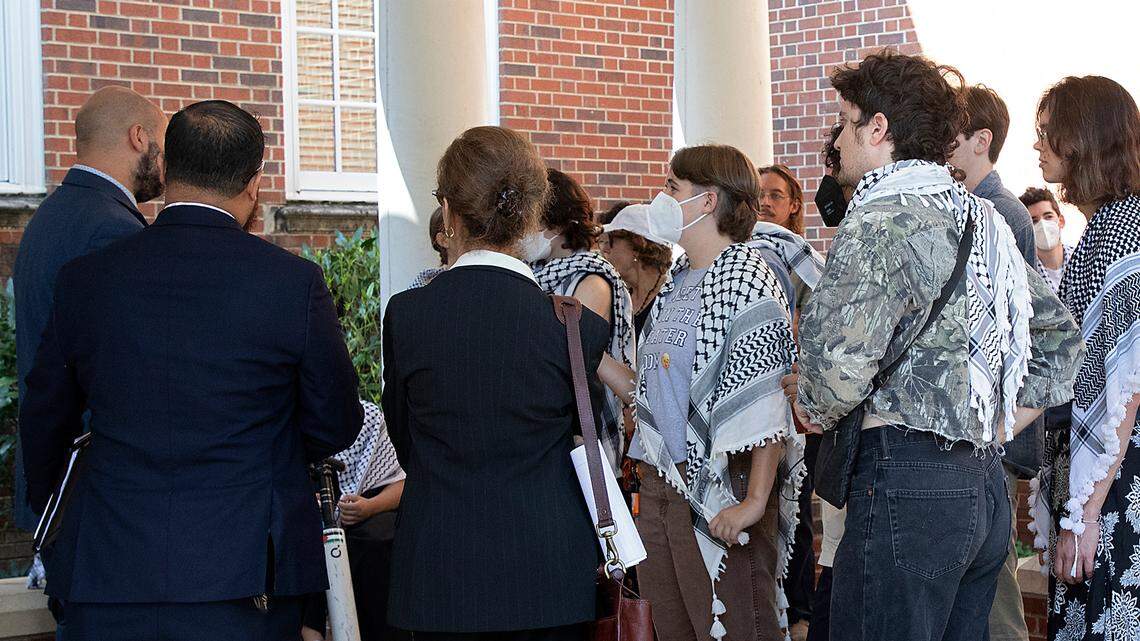
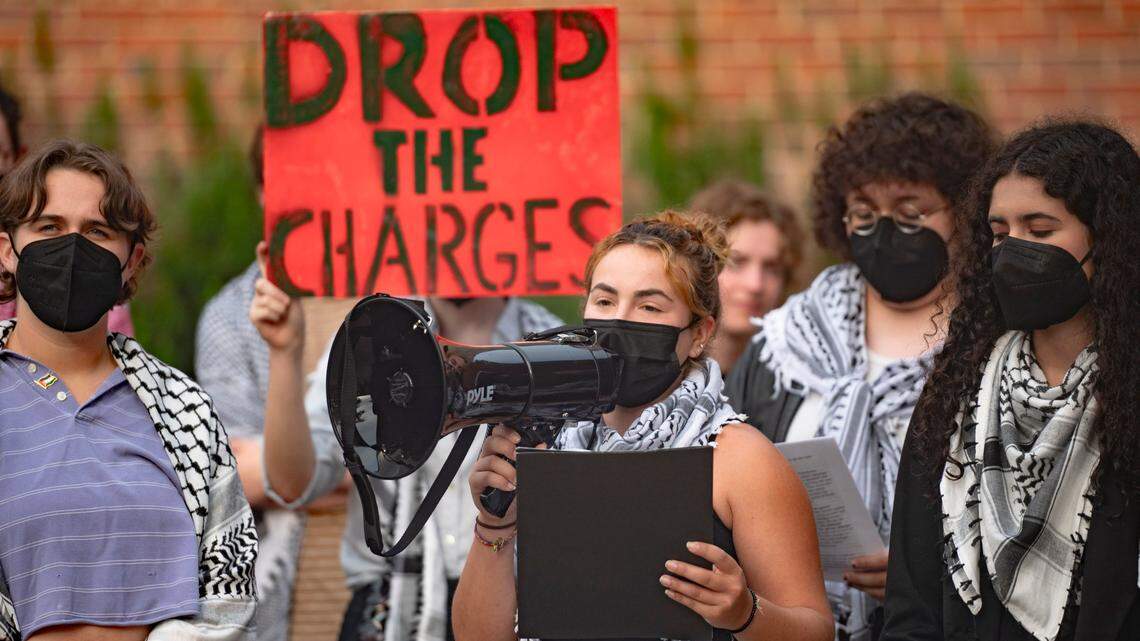
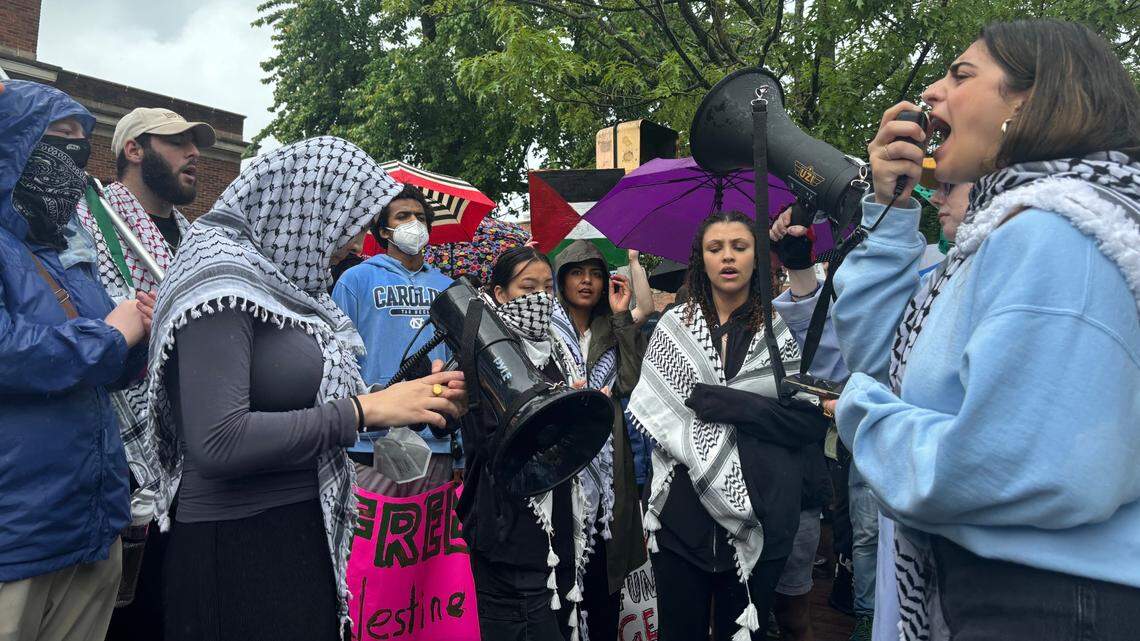
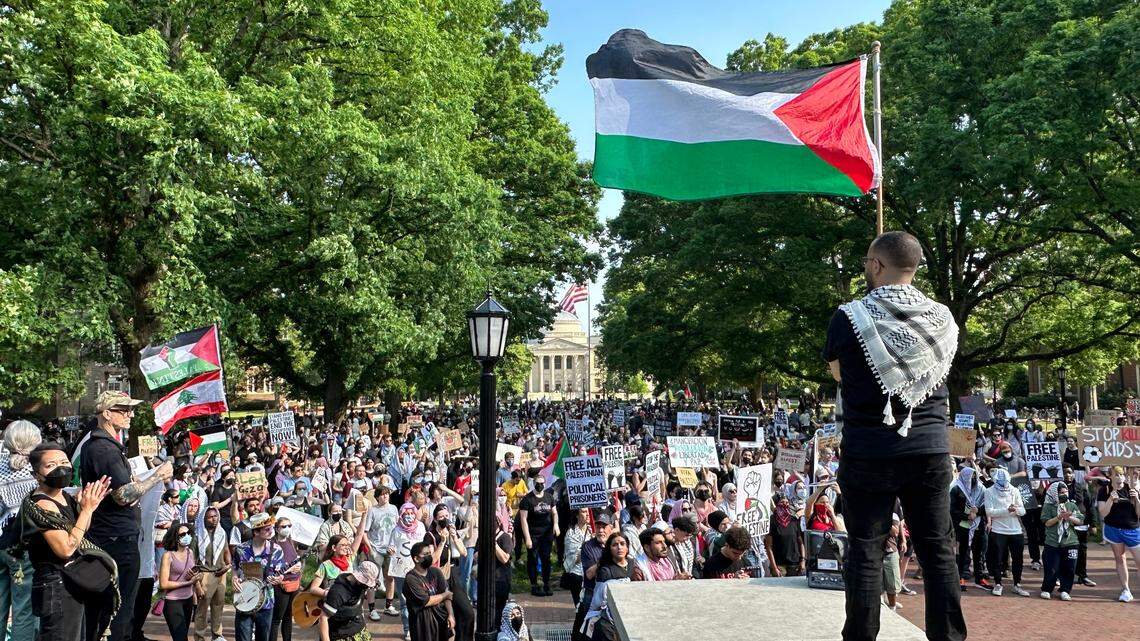
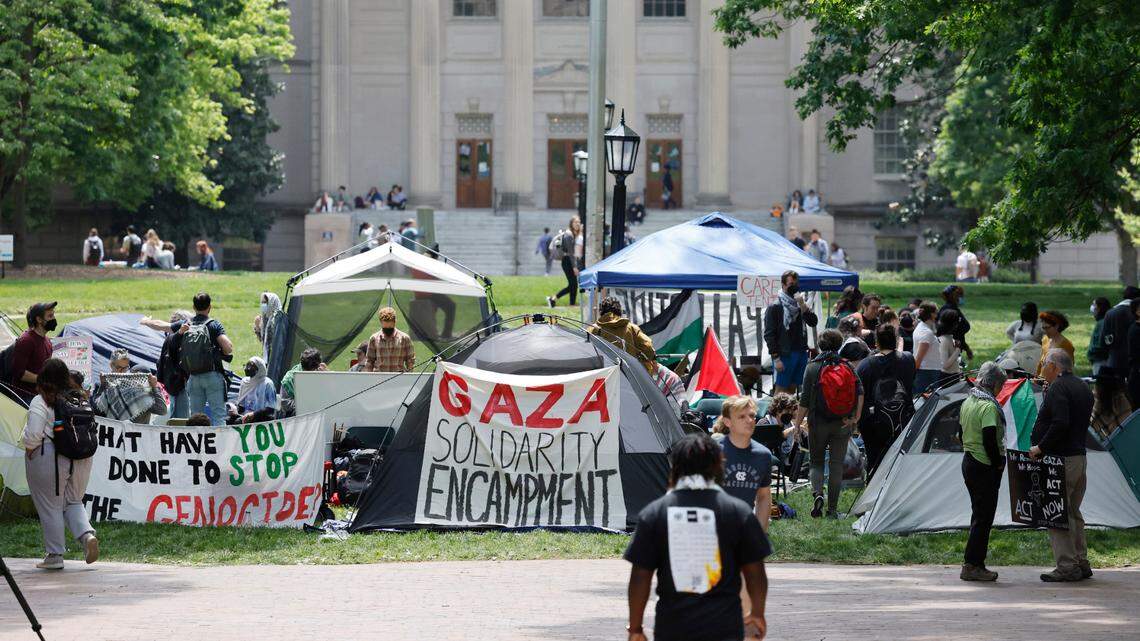
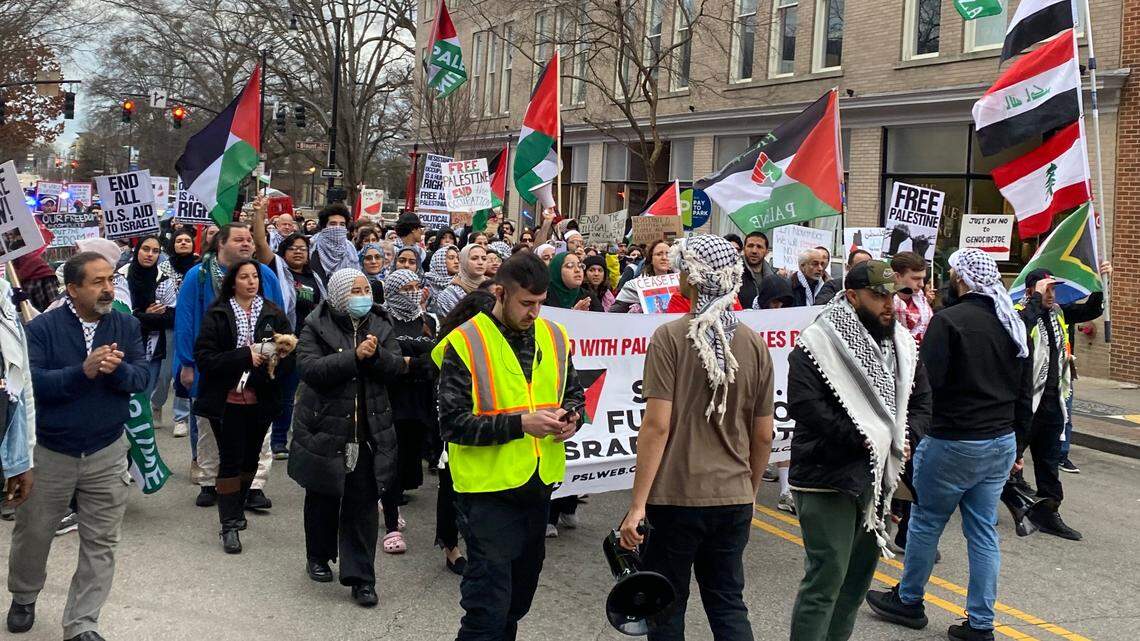
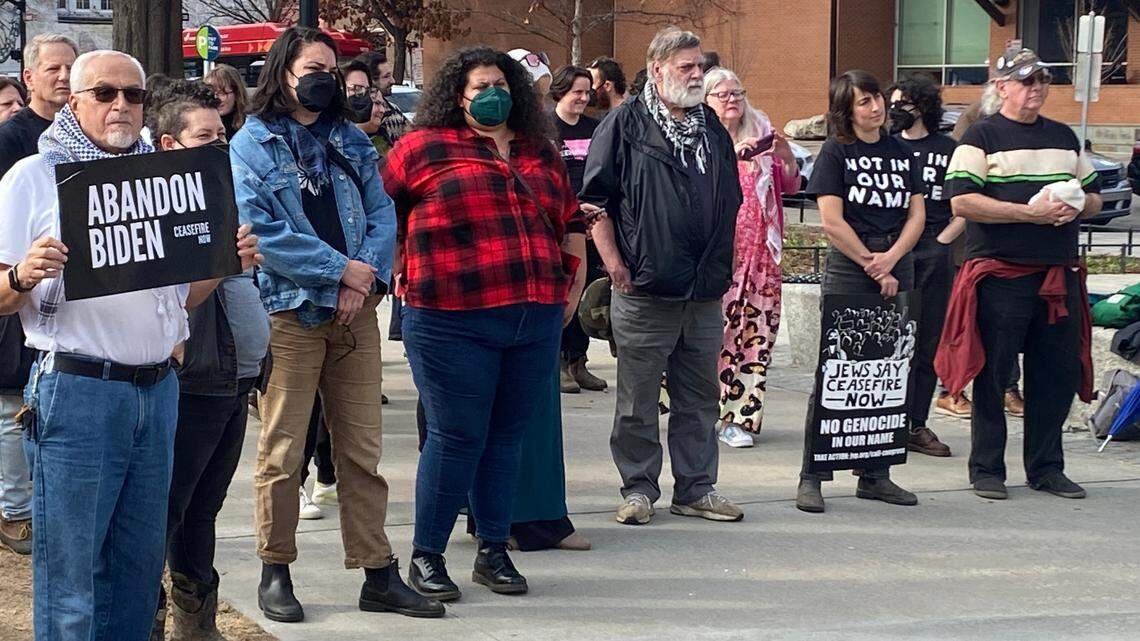
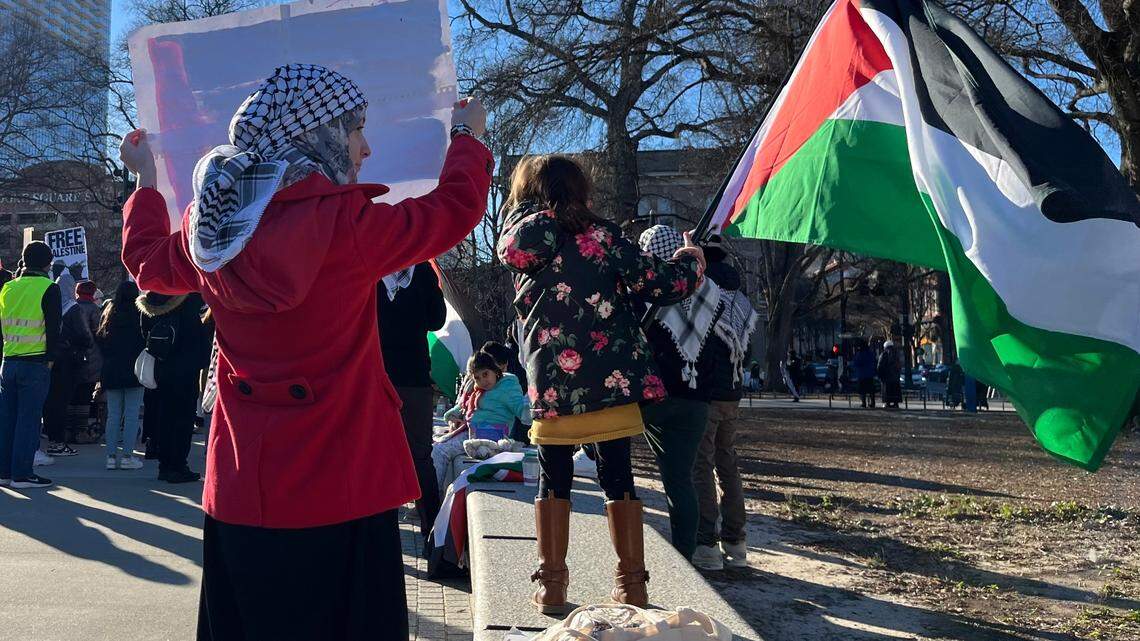
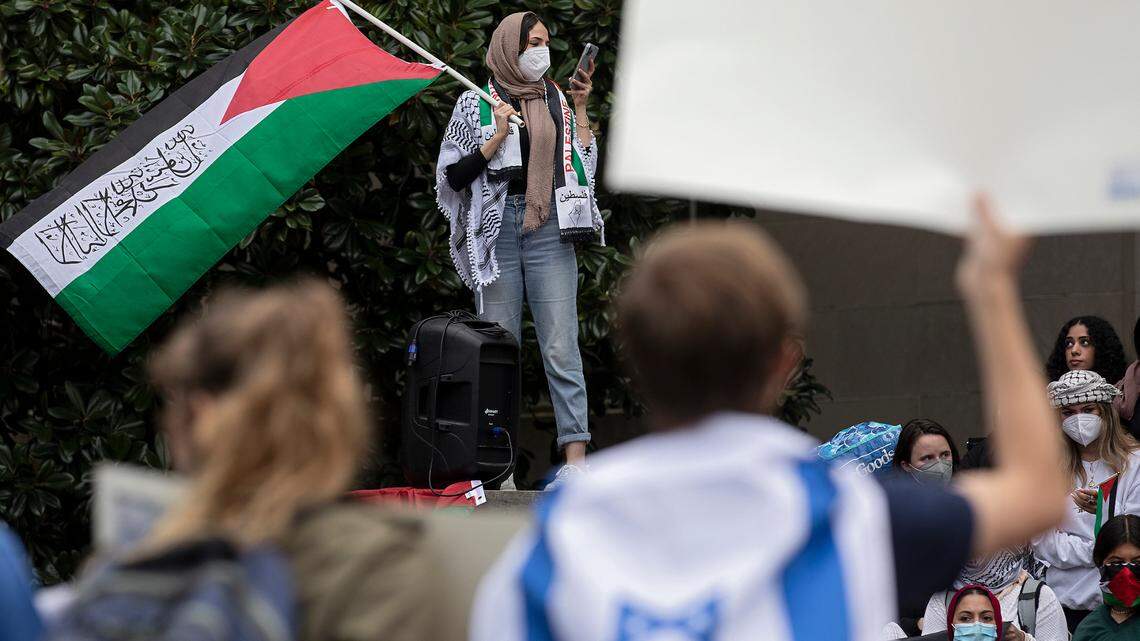
Students and community members gathered on UNC-Chapel Hill’s Polk Place on Tuesday, their voices and banners rising once again in the heart of campus to support Palestinians as the Israel-Hamas war continues, and to mark the anniversary of the tent encampment that stood in the same spot last April.
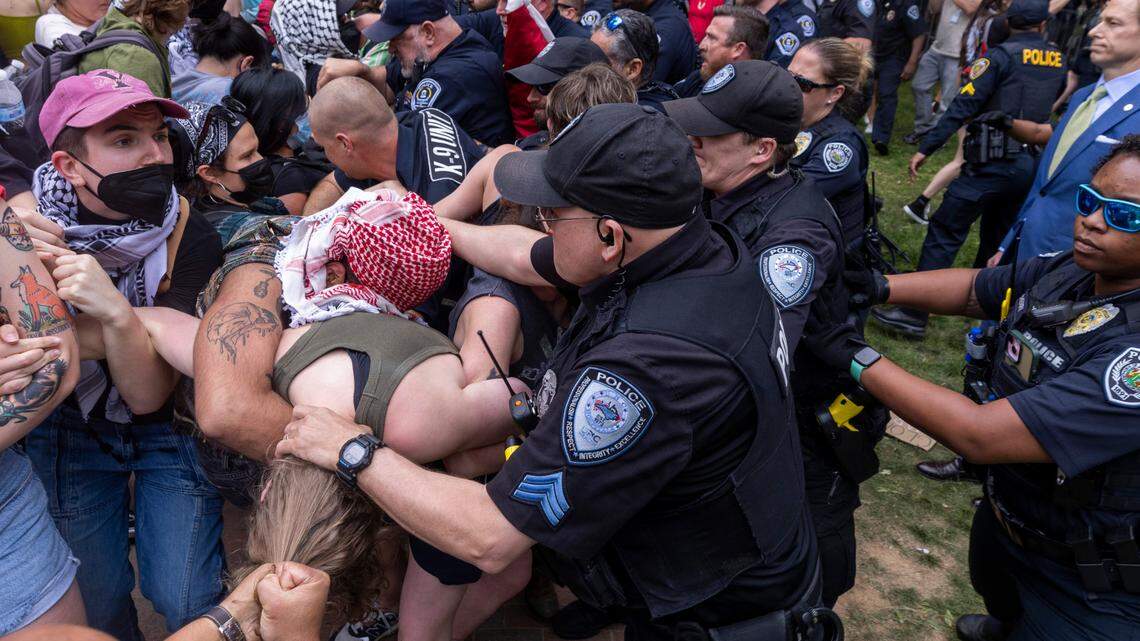
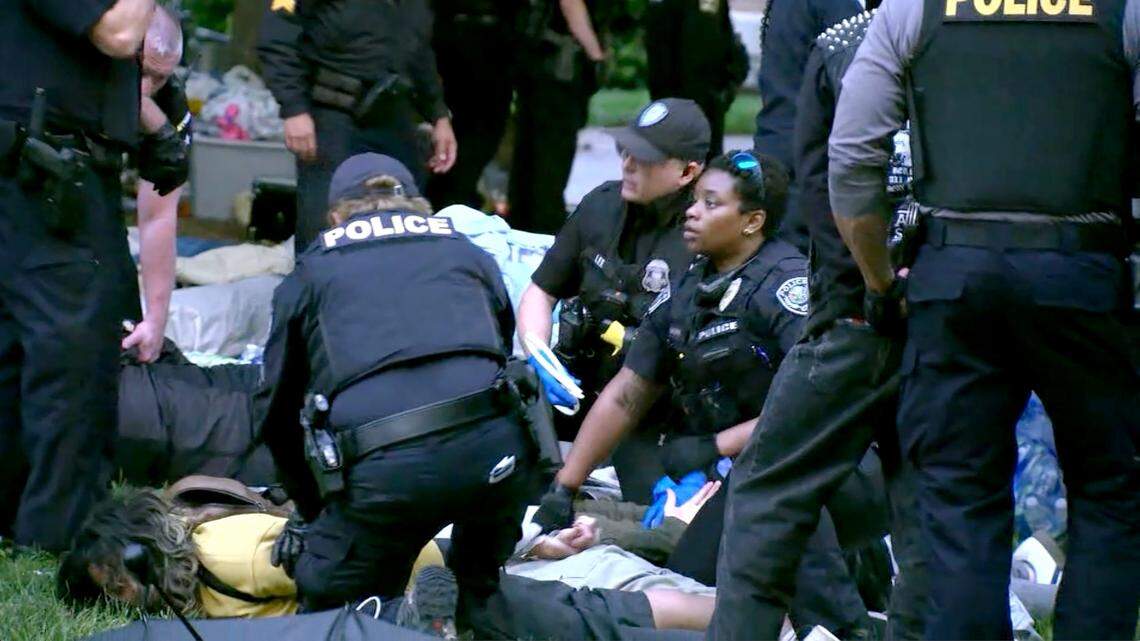
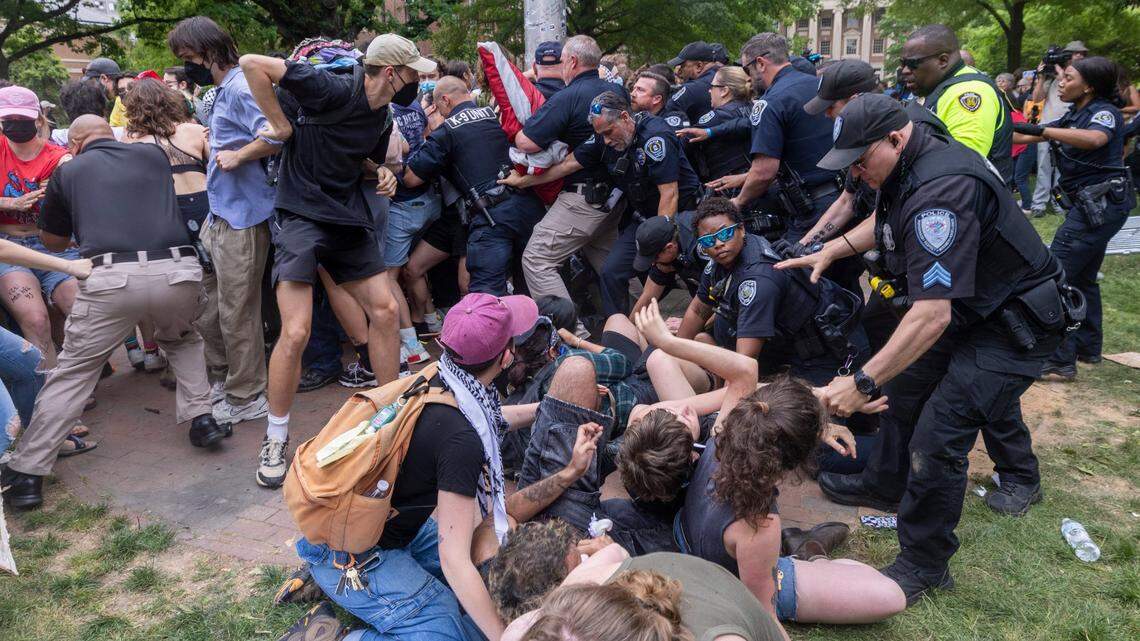
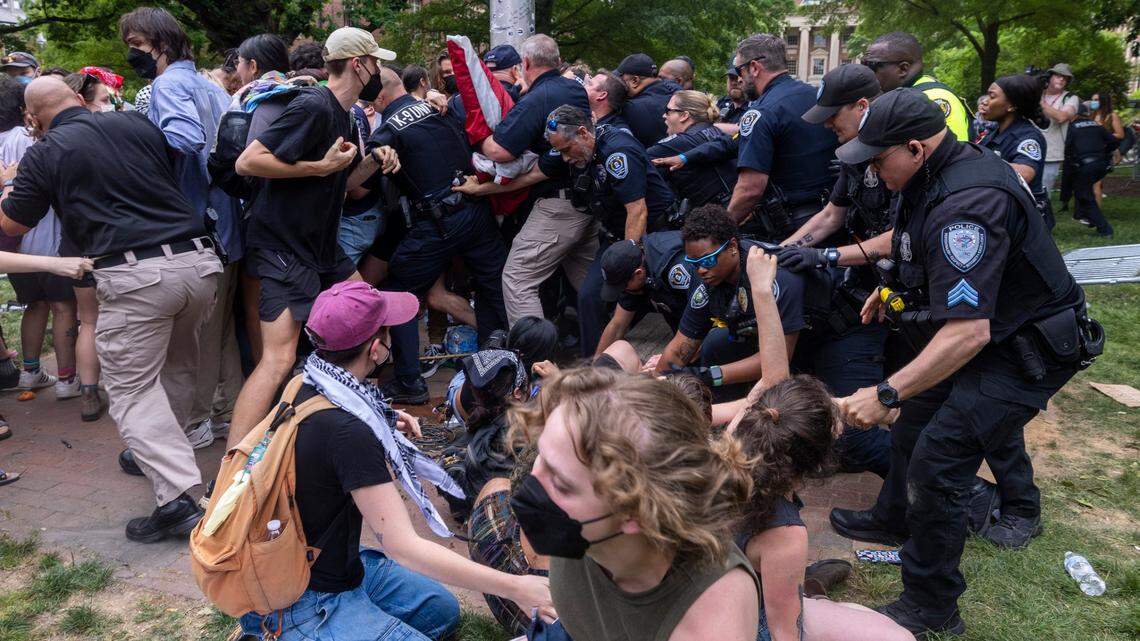
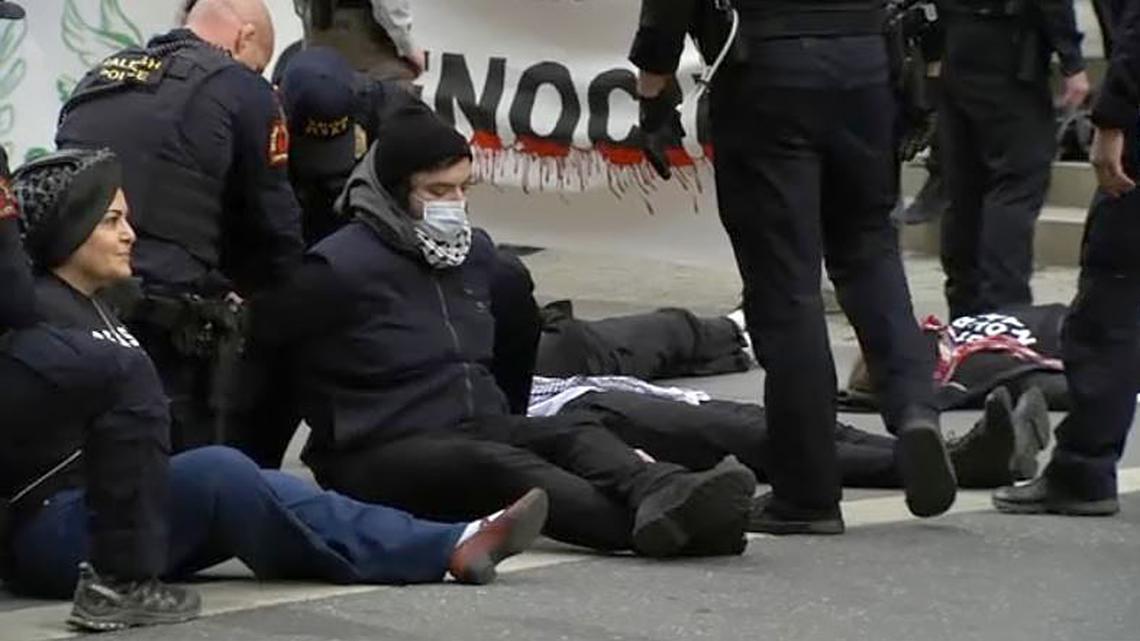
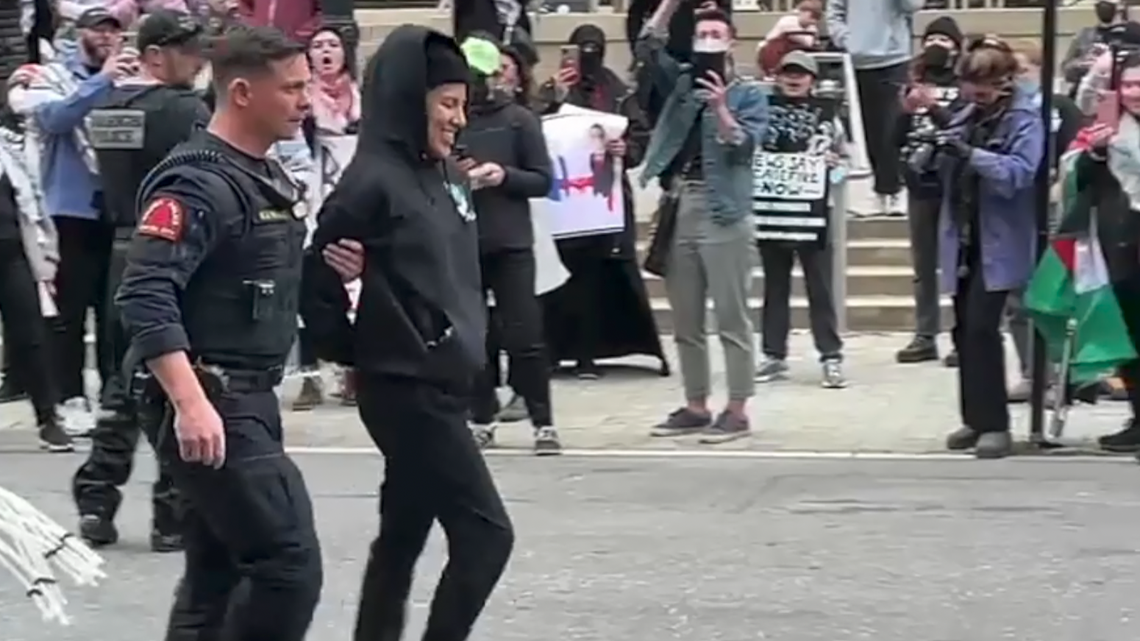
A year after UNC Police, supported by officers from other UNC System schools, tore down the encampment and arrested more than three dozen protesters, pro-Palestinian demonstrators returned to the same grassy quad.
They planned to rally against the ongoing “US-Israeli genocide of Palestinians,” UNC Students for Justice in Palestine wrote in an Instagram caption about the event, calling for “community resistance.”
“In light of all of the repression that the student movement for Palestine faced in the wake of the encampment last year, it’s important for us to insist on our demands, which have not changed,” a spokesperson for UNC SJP told The News & Observer at the event.
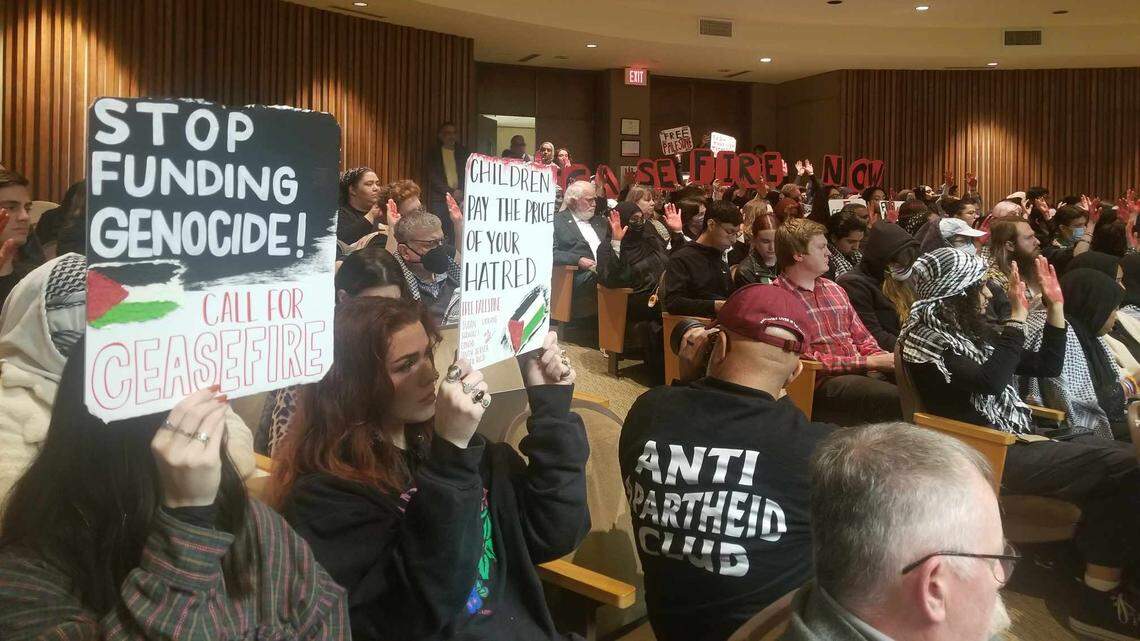
Protesters’ demands include UNC disclosing its investments, divesting from Israeli and Israel-supporting products and companies, setting up a commission to ensure accountability and providing sanctuary for international students.
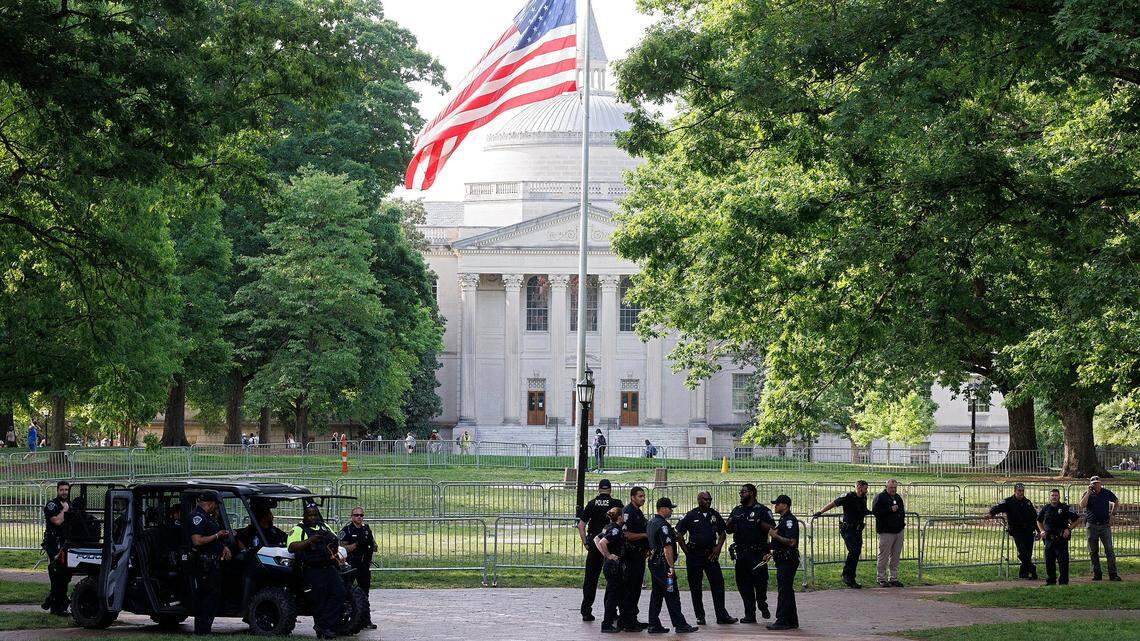
Unlike last year’s encampment, the day concluded without police escalation. A handful of UNC Police officers patrolled the quad throughout the afternoon, but did not engage with protesters.
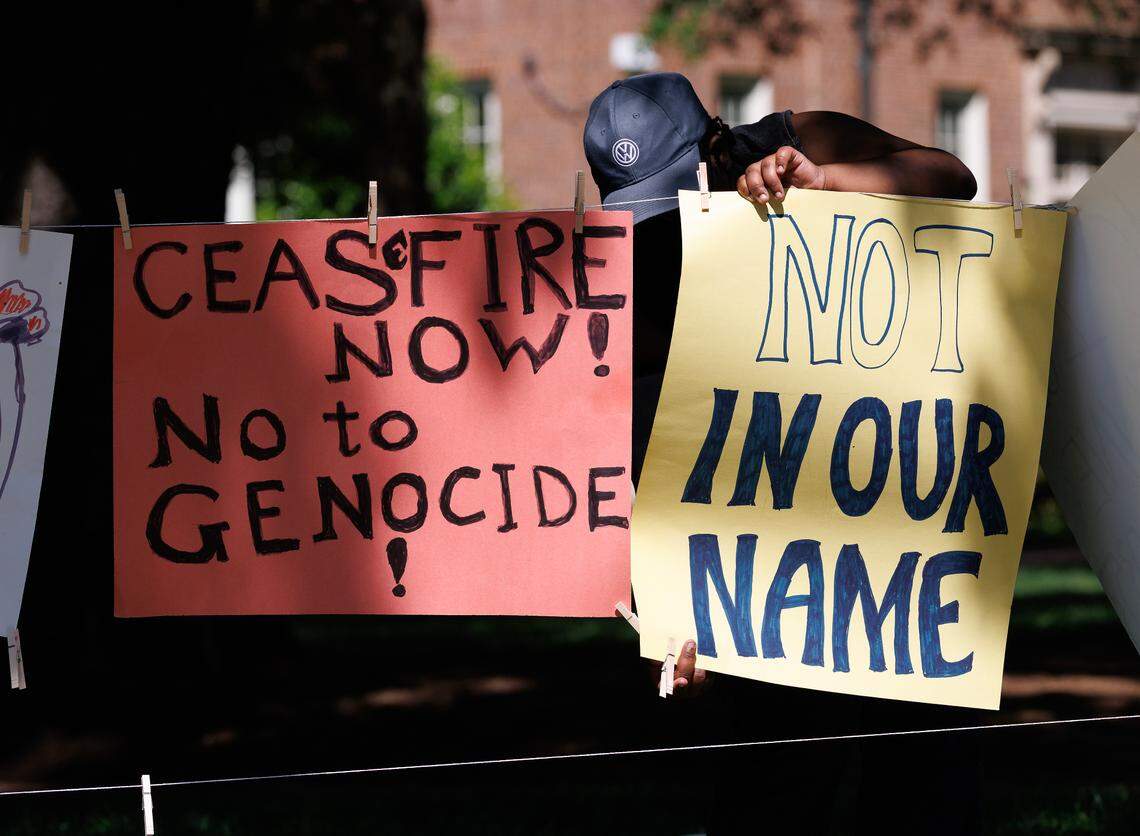
Tuesday’s event began at 10 a.m. and continued until 8 p.m. UNC SJP organized hourly programming, including learning sessions about the “history of Palestinian Resistance,” and a teach-in “from Chapel Hill to Palestine.” Activities like screen printing and sign-making supplemented the demonstration.
June Majid, a graduate student from NC State University, doesn’t consider what the protesters are doing as inherently brave, compared to those living through the conflict in the Middle East, where over 52,000 people have been killed, according to the Hamas-run health ministry.
“It’s never been about the student movement,” she said. “For me, it’s always been about Palestine. When I think of courage, when I think of bravery, when I think of conviction, I think of the Palestinian people, I think of the people suffering and yet still resisting.”
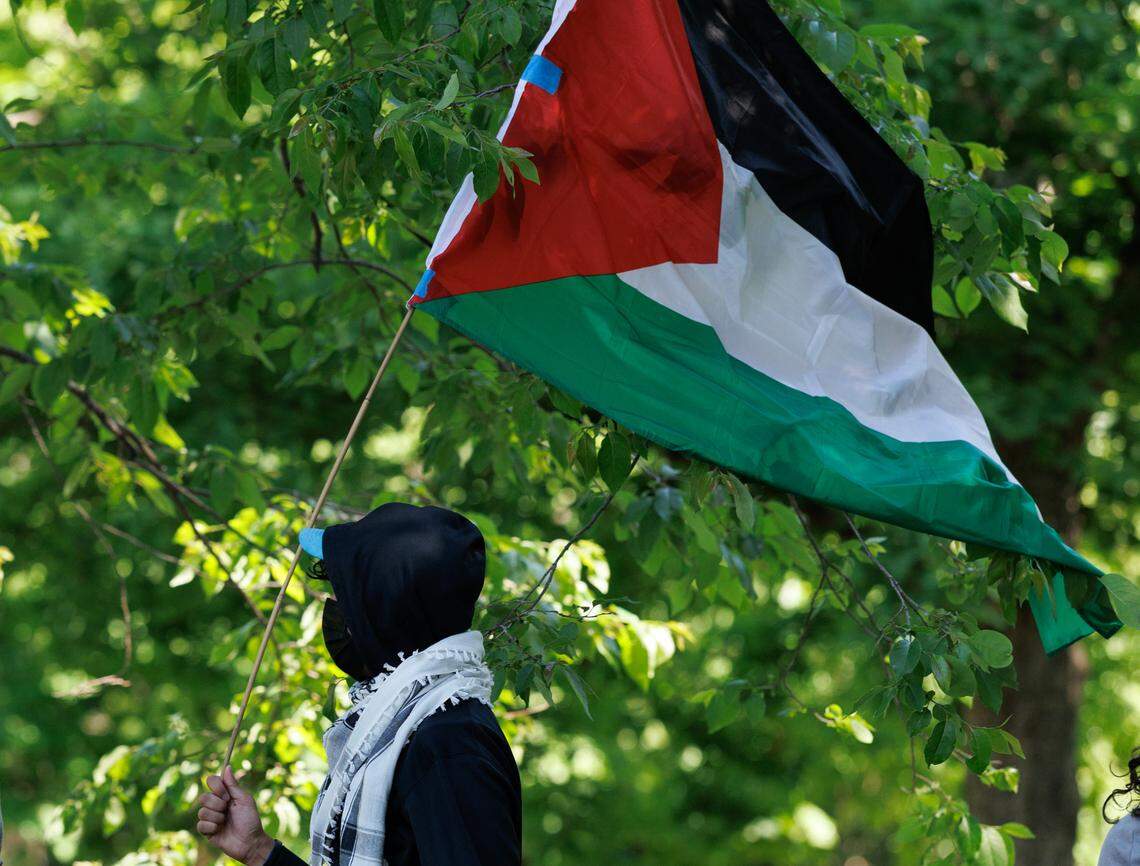
Emily Rose Gaeta, a 35-year-old Franklin County resident, came to the demonstration to support the student protesters and said she could not just “sit back.”
“I was taught the opposite of resistance, she said, referencing how she was raised. “I was taught to be silent. I think resistance for me is using my voice, using my able body to show up.”
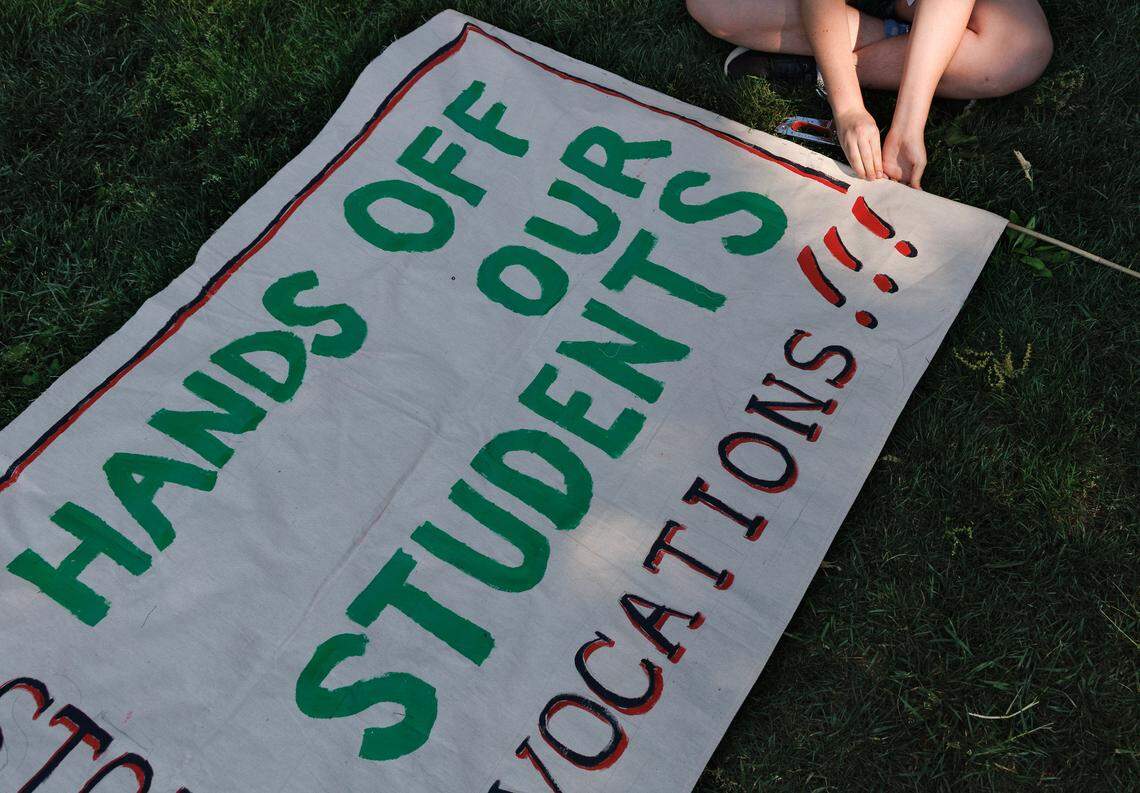
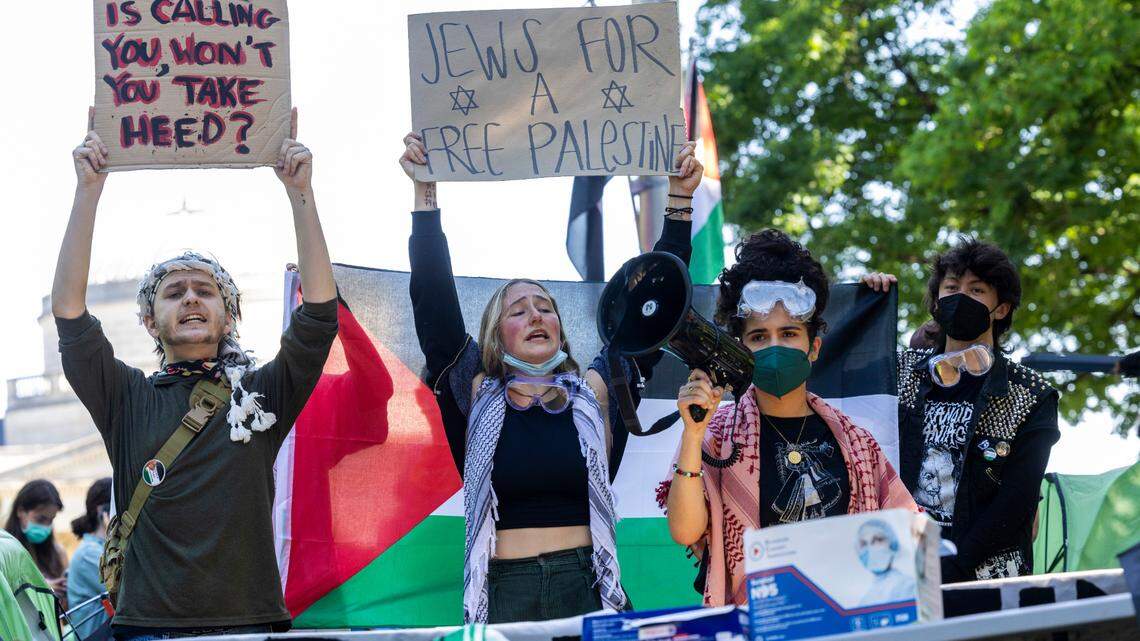
Advocates made signs and other art with messages like “One day, everyone will have always been against this” and “Hands off our students.”
“The fascist Trump and UNC administrations want to scare and silence us for speaking out so they can continue slaughtering and displacing thousands on OUR dime,” UNC SJP said on Instagram.
2024 protest draws national attention
The original encampment, which lasted several days in April 2024, called on UNC to divest from companies tied to Israel’s military operations. It drew widespread attention — and sparked debates over the limits of free speech and protest on public campuses across North Carolina.
Tuesday’s rally was the first large-scale Palestinian solidarity protest at UNC since Donald Trump returned to the presidency in January.
To Gaeta, the Trump administration’s campaign against pro-Palestinian advocacy is “un-American” and “unconstitutional.”
The event also follows a February decision by the UNC System Board of Governors to implement new system-wide protest rules, which require demonstrators to reserve many indoor and outdoor spaces in advance and allow administrators to limit crowd sizes, among other restrictions.
“The right to freedom of speech and expression and academic freedom for students, for faculty, for community members, anybody — it doesn’t end the second you step onto a campus,” Majid said. “So the consistent authoritarianism by the UNC System, the over-militarization and state-sanctioned violence that they put against their own students is unacceptable.”
“They educated us so they cannot be mad, that we took our education and turned it into action,” Majid added.
The protest comes as the American Civil Liberties Union of North Carolina, Emancipate NC, and Muslim Advocates have filed a lawsuit against UNC, alleging that the university violated the free speech and due process rights of five pro-Palestinian protesters banned from campus after last year’s encampment.
Nationally, the Trump administration, however, has warned UNC and other universities that they could lose federal funding if they allow “illegal activities and harassment that result in Jewish students losing equal access to school facilities.”
This story was originally published April 29, 2025 at 12:03 PM with the headline "Pro-Palestinian protesters gather on anniversary of UNC-Chapel Hill encampment."










.JPG)