What to do if a rattlesnake bites you while you don’t have cell service in NC
AI-generated summary reviewed by our newsroom.
- North Carolina rattlesnake bites are rare but can cause serious medical emergencies.
- Victims should seek distance, avoid home remedies and try to contact emergency help.
- Protective clothing and caution on trails reduce risk of unseen rattlesnake bites.
North Carolina offers countless hiking trails during the summer, but be mindful of rattlesnakes that may be on the route along the way.
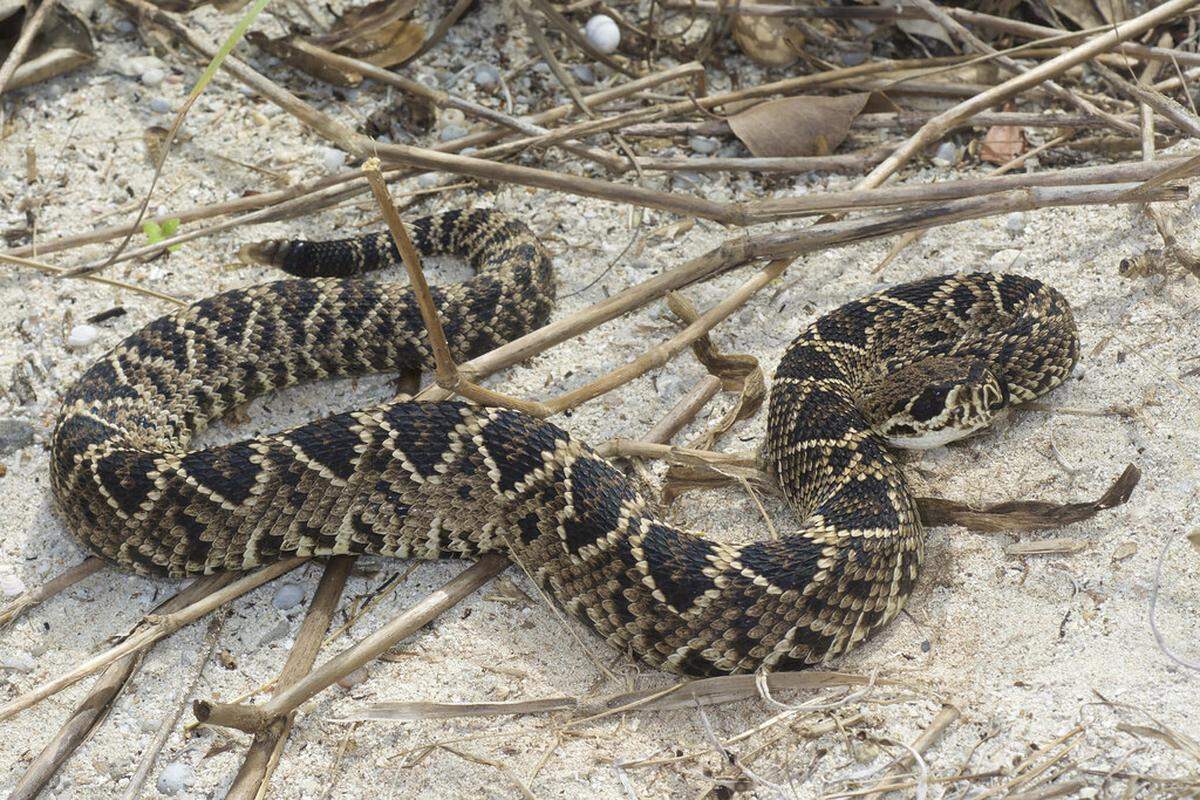
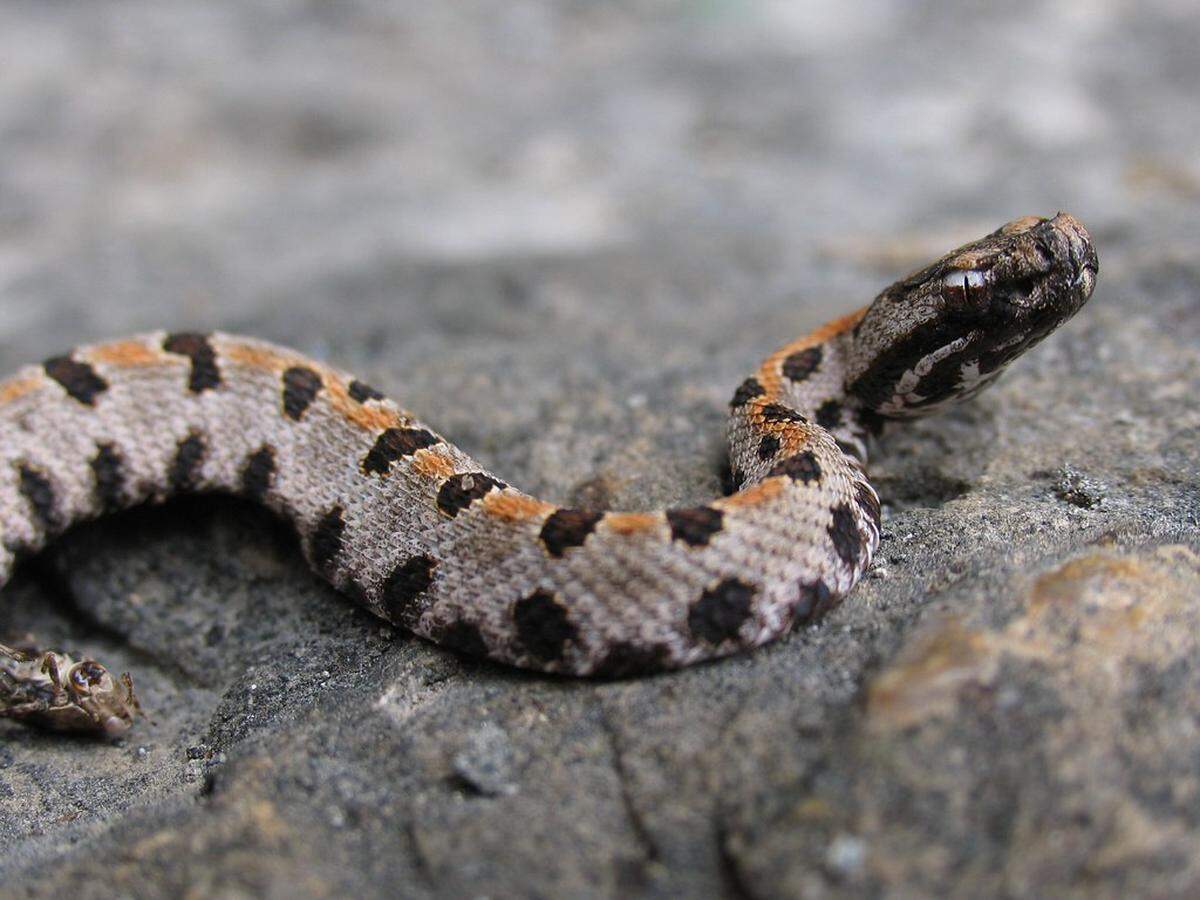
There are three rattlesnake species in North Carolina, according to the Carolinas Poison Center: the Timber “Canebrake” Rattlesnake, Eastern Diamondback Rattlesnake and Carolina Pigmy Rattlesnake.
“Bites from rattlesnakes are usually more severe than bites from copperheads and are a medical emergency,” the Carolinas Poison Center says.
You could find yourself deep in the North Carolina wilderness without cell service – and in the presence of potentially dangerous snakes.
So, what should you do if you’re bitten?
First, you’ll need to know how to identify the slithery reptiles.
What do rattlesnakes look like?
The most obvious sign that you’re dealing with a rattlesnake is the rattle on the ends of their tails, Skylar Hopkins, an assistant professor of applied ecology at NC State University, previously told The Charlotte Observer.
She also pointed out that timber rattlesnakes also have a “very distinctive pattern” of dark W-shaped bands on their bodies and are typically “fat and flat” compared to other snake species.
A common misconception is that all venomous snakes have triangular-shaped heads, Hopkins said.
“That’s actually not a good indicator to tell the difference between a rattlesnake and something else,” she said. “A lot of our snake species, when they feel threatened or scared, they have the ability to flatten their head, make it wider and make it more of a triangle shape.”
How likely are rattlesnakes to bite?
Not very likely, Hopkins said.
“Rattlesnakes really do not want to have any interactions with people,” she said. “People are a lot bigger than rattlesnakes.”
Rattlesnakes generally prefer to stay hidden, she said.
“They have really good camouflage, that’s what they’re the best at,” said Hopkins. “Most of the time you’re going to walk right by a rattlesnake and never know it’s there, because it’s not going to move a muscle.”
What to do if you are bitten and don’t have cell signal
If you find yourself in a remote area with no cell service and are bitten by a rattlesnake, there are still ways you can call for help.
Many satellite emergency communicators can send text messages and have an SOS feature to send coordinates.
Some iPhone users can make an SOS call through the lock screen. The call will automatically call a local emergency number and share your location information, according to Apple. One thing to consider, iPhone 14 phone models and those after can use the emergency SOS feature with only satellite and not cellular data or WiFi coverage.
If you’re lost, you can try getting back to a cell service area by using a handheld GPS, compass or map according to the National Park Service.
Following water drainage or a stream can be used as a last resort if you’re lost and have no way to get help, according to the U.S. Department of Agriculture.
What to do after being bitten by a rattlesnake
If you’re bitten by a rattlesnake, the first thing you should do is get a safe distance away from the snake, Hopkins said.
Once you do that, if possible, Hopkins said you can take a photo of the snake and post it to the NC Snake Identification & Education Facebook Group, where users can help you identify the type of snake that bit you.
However, if you notice any adverse reactions to the snake bite, such as swelling or hives, you should seek help from a medical professional, Hopkins said.
She also advised against common snake bite remedies, such as taking Benadryl, applying a tourniquet and sucking out the venom — so these methods aren’t effective against snake bites and can be dangerous.
How to avoid rattlesnake bites
Hopkins said snake bites can be prevented by wearing protective clothing outside, such as long sleeves, pants and shoes.
You should also be wary when walking in wooded areas, since rattlesnakes like to hide under logs and brush.
“If you’re ever going to step over a log, you should always check and see that there’s no snake on the other side of the log before you step over,” Hopkins said.
This story was originally published June 2, 2025 at 11:19 AM with the headline "What to do if a rattlesnake bites you while you don’t have cell service in NC."