A buck moon will peak over NC, then a popular meteor shower. When to see it all
AI-generated summary reviewed by our newsroom.
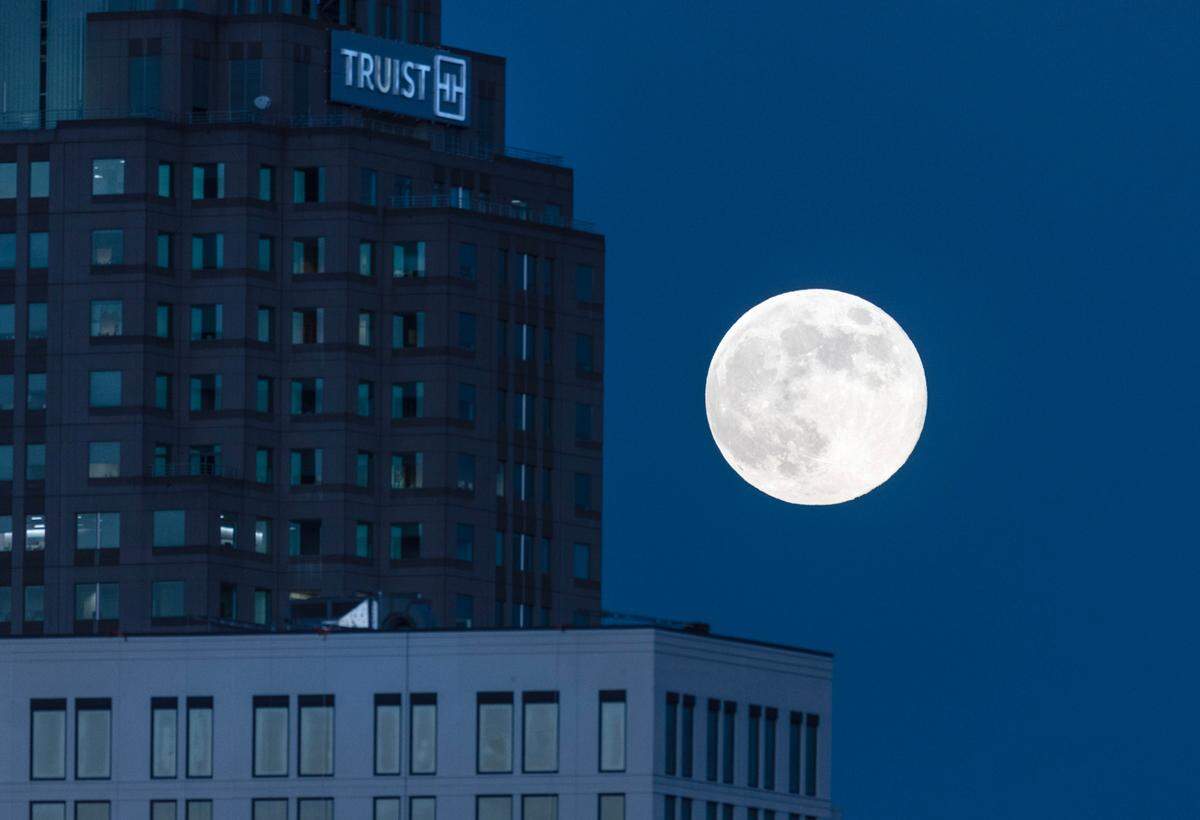
- The full buck moon peaks July 10, best viewed after sunset toward southeast skies.
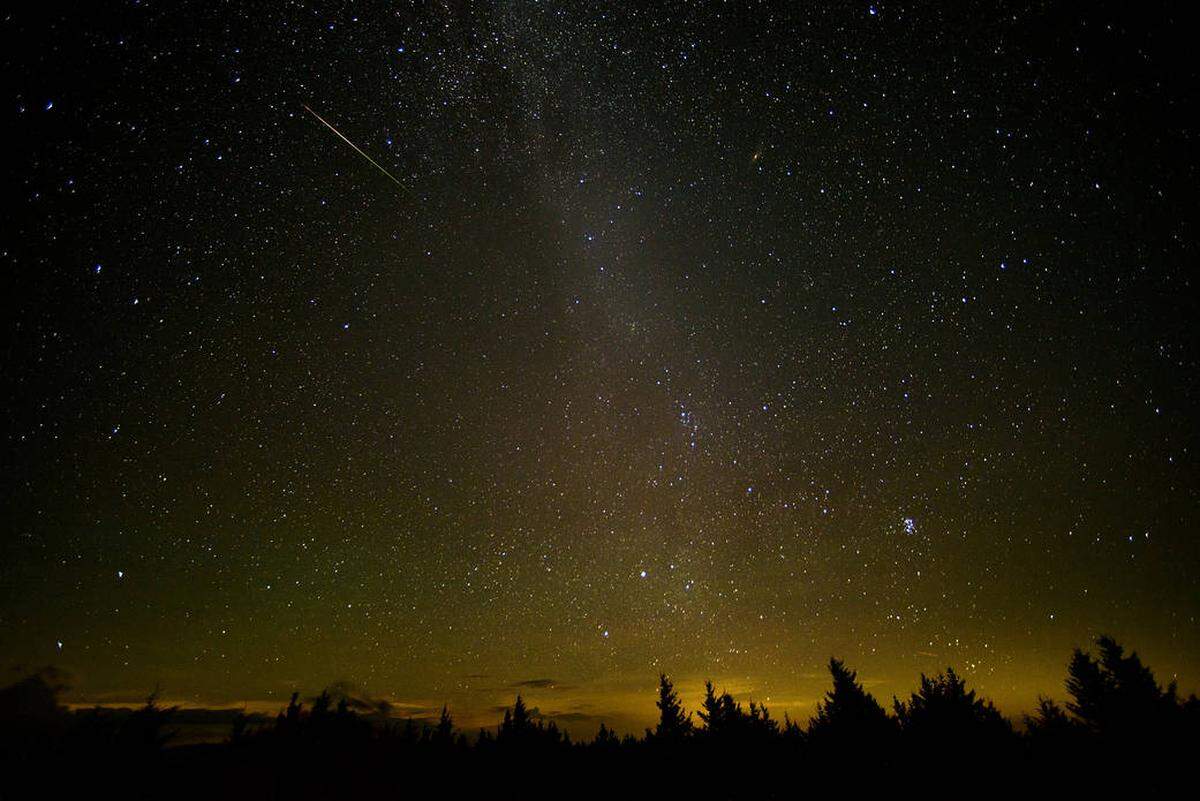
- Perseid meteor shower begins mid-July, with peak rates on the night of Aug. 12.
- Moonlight during peak may hinder visibility of fainter meteors across North Carolina.
North Carolina stargazers are in luck this month.
A pair of celestial events are expected to light up the night sky: an especially bright, full “buck” moon and a meteor shower that is expected to generate hundreds of falling stars.
According to the Old Farmer’s Almanac, July’s full moon is called the buck moon because it coincides with the time of year when male deer are growing their antlers.
And happening just a few days later is the beginning of the Perseid meteor shower, which is expected to produce an average of 100 meteors per hour during its peak, according to NASA.
Here’s how to see the buck moon and Perseid meteor shower in North Carolina.
When can you see the buck moon in NC?
The buck moon will reach its peak at 4:37 p.m. on Thursday, July 10, according to the Old Farmer’s Almanac – but with daylight still lingering, your best chance to see it clearly will be later that evening.
Since it will still be below the horizon at that time, plan to look toward the southeast after sunset to see it rise into view.
Will the weather interfere with the buck moon?
There is a 60% chance of rain in the Charlotte area Thursday night, with showers and thunderstorms likely between 2 a.m. and 3 a.m., according to the National Weather Service.
Conditions should be similar in Raleigh. There is a chance of showers and thunderstorms before 8 p.m. and a slight chance of showers between 8 p.m. and 2 a.m.
Western North Carolina residents can expect showers and thunderstorms before 7 p.m.
When can you see the Perseid meteor shower in NC?
The Perseid meteor shower will be active from mid-July to until late August and will peak on the night of Aug. 12, according to Space.com.
“Viewers should start observing around 11 p.m. local time when the rates of shooting stars increase and can watch the sky until dawn,” Space.com says. “Unfortunately, the peak occurs just three days after a full moon, so moonlight may wash out fainter meteors.”
How to watch the Perseid meteor shower
Bill Cooke, who leads NASA’s Meteoroid Environment Office at the Marshall Space Flight Center in Huntsville, Alabama, shared a few tips to help you get the most out of your meteor shower viewing experience:
Find a dark spot away from city or street lights.
Give your eyes 30 to 45 minutes to fully adjust to the darkness.
Avoid using your phone, even brief glances at the screen can disrupt your night vision.
Lie flat on your back to get the widest possible view of the sky.
Identify the radiant, the area in the sky where the meteors appear to come from.
Inspired by a story from The Centre Daily Times in Pennsylvania.
This story was originally published July 7, 2025 at 2:59 PM with the headline "A buck moon will peak over NC, then a popular meteor shower. When to see it all."