These biting bugs are swarming the coast. How to avoid them at NC beaches
AI-generated summary reviewed by our newsroom.
- North Carolina fall beaches attract biting pests like mosquitoes and no-see-ums.
- Biting flies and mosquitoes breed near marshes, dunes and decaying beach debris.
- Experts recommend EPA-approved repellents and avoiding areas with standing water.
With summer crowds gone, North Carolina beaches feel calmer and cooler — but that doesn’t mean you’ll have the sand to yourself.
Fall beach trips often come with some pesky company: biting bugs.

Which bugs bite on the NC coast?
Beachgoers in North Carolina usually have three main biting pests to watch out for this time of year: mosquitoes, no-see-ums and biting flies. Here’s what you need to know.
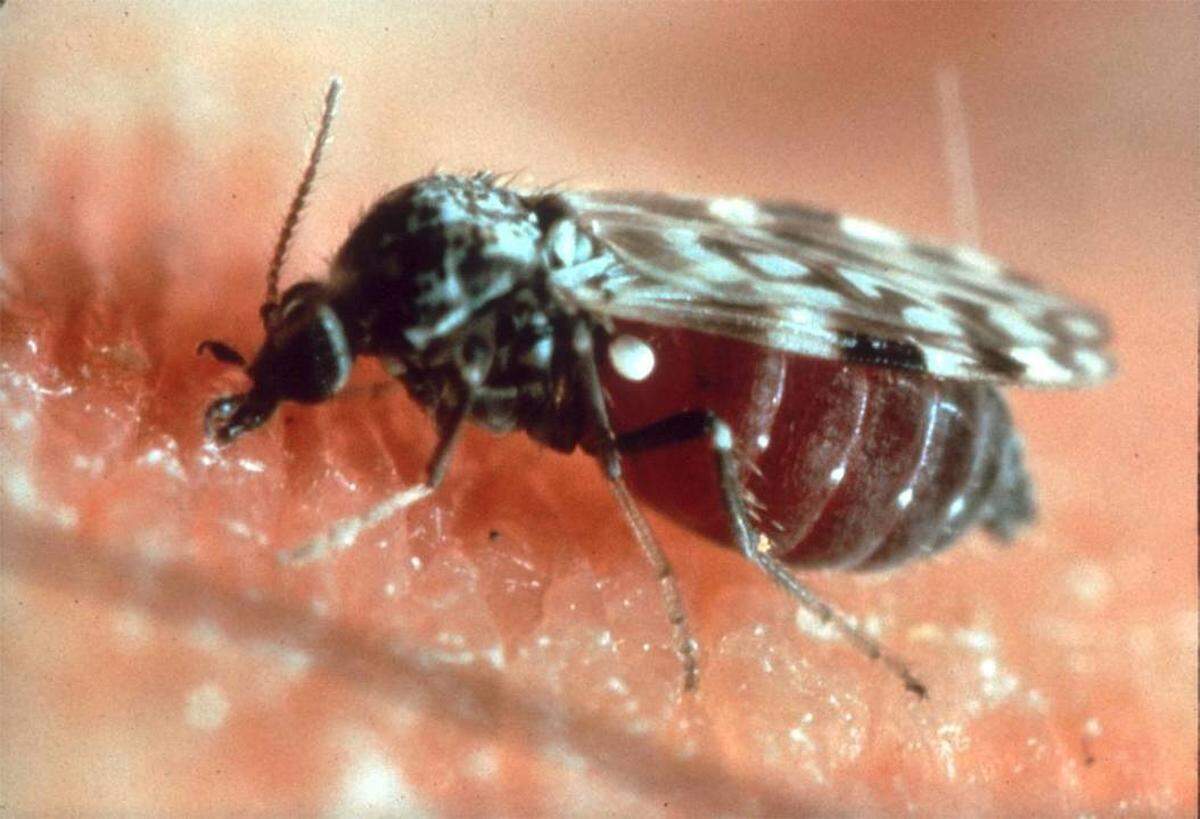
No-see-ums
No-see-ums typically come out during warm weather, and they generally prefer muddy areas, Chris Hayes, an extension associate of structural pest management at NC State University who specializes in educating the pest management industry on critter habits, previously told The Charlotte Observer.
They’re also very likely to bite if you’re nearby, which can cause a burning sensation, as well as different reactions in humans, such as small, red welts at the bite site to allergic reactions that can lead to significant itching, according to the Purdue University Extension.
“Basically, they’re akin to a mosquito, like a tiny mosquito, but their mouth looks a little different,” Hayes said. “And in fact, you may not even notice them at all. You may not even see them, hence the name ‘no-see-ums.’ Because you happen to notice them when an adult is typically biting you.”
Biting flies
According to the N.C. State Extension, biting flies, such as horse flies and deer flies, “are among the largest and most annoying flies that we encounter,” and their “painful bites can make working or relaxing outdoors difficult.”
Horse flies are larger (around 14 to 19 millimeters) than deer flies (around 10 to 13 millimeters), with clear versus patterned wings, the Extension says. Their life cycle includes clustered eggs, spindle-shaped larvae and spined pupae that darken as they mature.
Deer flies often bite the head and neck areas, while horse flies target the legs, according to the Extension.
Aside from beaches, biting flies can also be found along hiking trails, narrow lanes and roads and at the edges of woodlands.
Mosquitoes
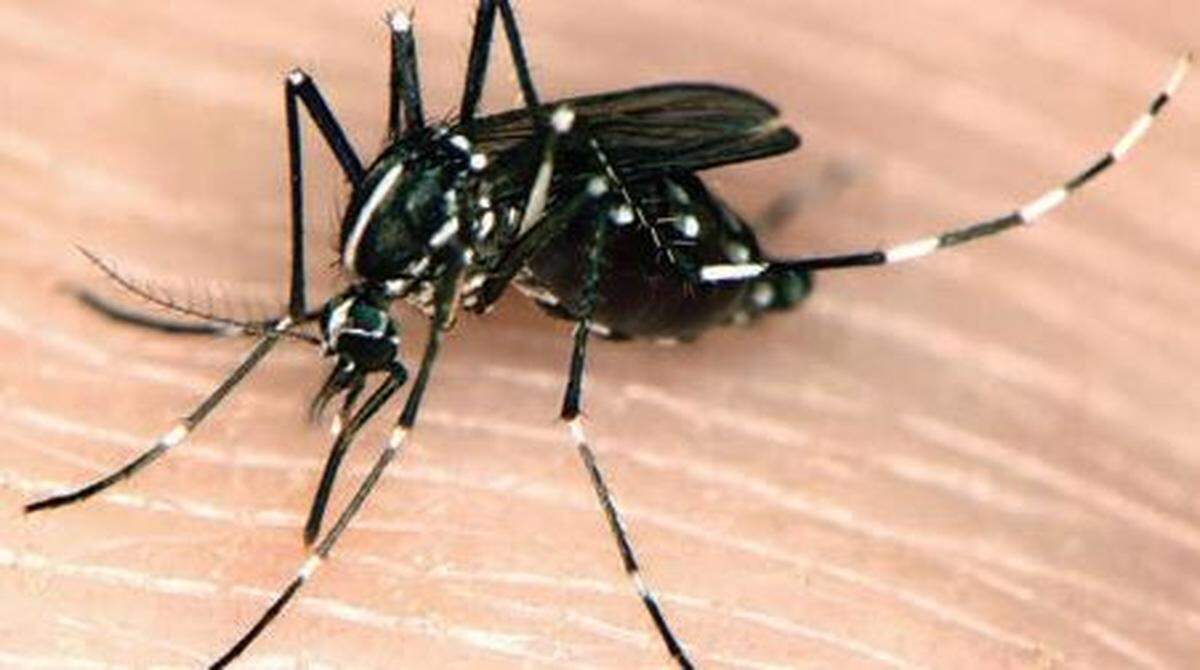
The Asian tiger mosquito, one of the most common species in the state, according to Hayes, is often found in coastal areas.
These mosquitoes bite people and animals, mainly in the morning and late afternoon, and can become a nuisance in large numbers, according to the Town of Leland, NC.
Mosquito bites can cause a range of reactions, from mild redness and itching to blisters and bruise-like dark spots, depending on the person’s sensitivity, according to the Centers for Disease Control and Prevention.
Mosquitos are also considered “vectors,” which means they can spread diseases like Zika virus and malaria. But those diseases aren’t common in North Carolina, Hayes said.
Where are bugs most common at NC beaches?
Beach-biting pests — especially no-see-ums — are most common particularly around salt marshes, intertidal zones and beaches strewn with decaying seaweed and organic debris, according to the N.C. State Extension.
These tiny flies breed in damp sand, mud and wet organic matter washed ashore, making areas just above the high tide line or near marsh edges hotspots for their presence. If you’re walking near marsh vegetation, dune edges or areas where seaweed accumulates, you’re more likely to encounter them.
How to avoid beach bug bites
Insect repellent can be used to prevent bites, but you should apply it regularly (not excessively) and follow the label instructions carefully, Hayes previously told the Observer.
To protect yourself from mosquito bites, the Centers for Disease Control and Prevention recommends using Environmental Protection agency-approved insect repellents with active ingredients like DEET, picaridin or oil of lemon eucalyptus, and consider natural options like citronella-based creams.
To keep mosquitoes from spoiling your beach day, steer clear of spots where water collects — they’re “container breeders” that thrive in places like buckets, tires, toys or anything else holding standing water, Hayes said.
Inspired by a story from The Sun News in South Carolina.
This story was originally published September 25, 2025 at 9:56 AM with the headline "These biting bugs are swarming the coast. How to avoid them at NC beaches."