The ‘black box’: How SC lawmakers quietly funneled $1.7M to Beaufort Co. projects
READ MORE
Hidden Earmarks
How millions in your state tax dollars are secretly spent each year.
Expand All
A project to install sewers in a Bluffton neighborhood received $300,000. The crime lab at the Beaufort County Sheriff’s Office got $250,000. And $200,000 went to an S.C. nonprofit developing a community for people with developmental disabilities.
These payments were among at least $1.7 million in state taxpayer dollars that flowed to local projects in Beaufort County at the behest of its state legislators — all through an opaque practice of placing “hidden earmarks” in last fiscal year’s state budget.
But if taxpayers wanted to track this money, they would find only vague line items like “parks revitalization” or “medical contracts” that funnel money through state agencies that didn’t request the funds and then send the dollars out to local nonprofits and governments.
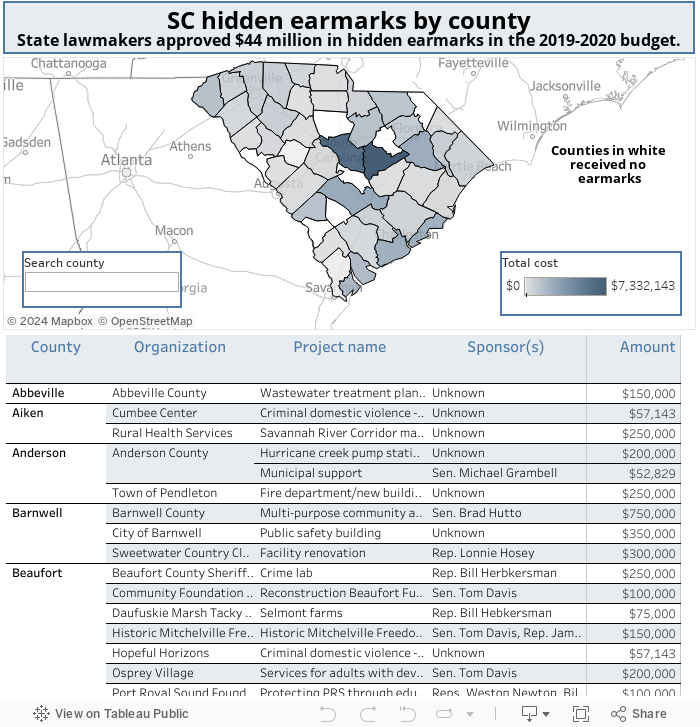
An investigation by The State Media Co. and The Island Packet found there is little, if any, public debate over the spending, and no public document exists listing all the projects and the legislators who requested the hidden earmarks. While taxpayers are left in the dark, counties receive vastly unequal levels of funding through the process, the newspapers found.
Last year, Beaufort County’s legislators routed hundreds of thousands of dollars to local organizations through earmarked “pass-throughs,” according to a wide-ranging records analysis by The State. The county’s haul ranked among the top 10 statewide, outpacing the amount of hidden money that flowed to 40 other counties.
Statewide, nearly $44 million in hidden earmarks was quietly routed to local projects in the 2019-2020 state budget— a larger sum than was previously known.
Lawmakers differ on transparency of earmark process
For some lawmakers, like Rep. Bill Herbkersman, R-Bluffton, the practice of stashing money for local groups in the state budget is just another way to return taxpayer dollars to Beaufort County, which for too long gave more funds to the state than it received, he said.
“As we’re repatriating money to our area, we’re being as transparent as we can,” Herbkersman said.
For others, the process is a necessary evil. Sen. Tom Davis, R-Beaufort, served as chief of staff to former Gov. Mark Sanford, who railed against allocating state taxes to local projects and vetoed the spending, calling it “pork” and even hauling piglets to the State House to protest the practice.
Davis has recounted the Sanford story on the Senate floor and is also on the record opposing earmarks. But his requests brought at least $500,000 in hidden funding to Beaufort County organizations last year, records show.
Davis says he does everything he can to document his funding requests in writing and to defend them before his fellow lawmakers at subcommittee meetings. But ultimately, Davis said he has little control over whether spending gets obscured behind vague line items.
Why pursue funding for local projects through a process critics say is hidden from public view? “You’re in the gray area between taking a position on principle and then being shut out of the process entirely. I try to strike a balance,” he said.
“People elected me to not only enact sound statewide policy, but to also be their voice in the budgeting process,” Davis added.
One of the eight organizations on the receiving end of funds allocated through hidden earmarks in Beaufort County last year didn’t respond to calls from reporters. In interviews and public documents, seven others laid out detailed plans for how the money would be spent, crediting local lawmakers for the support. One also acknowledged transparency concerns.
If the $100,000 that flowed to Reconstruction Beaufort, a historical nonprofit led by Beaufort Mayor Billy Keyserling, had been spelled out in the budget, “there’d be public hearings, there’d be public input, there’d be public scrutiny and there’d be broad public participation,” Keyserling said.
“We unfortunately have to work with the system we have and fortunately Sen. Davis and members of his committee have been willing to do that,” he added. His nonprofit has put the money toward teaching materials and curriculum development focused on educating young people about the Reconstruction era, the mayor said.
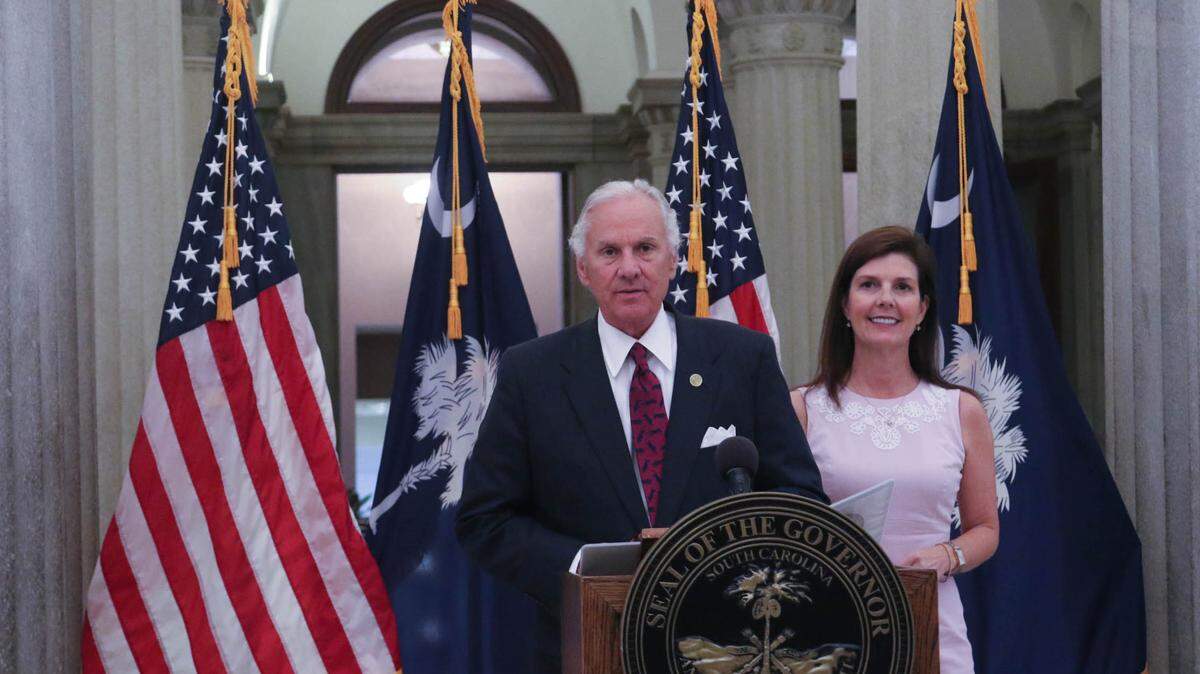
For years, South Carolina’s Republican governors have nixed such spending, only to be overruled by legislators. With his vetoes last year, Gov. Henry McMaster wrote repeatedly that “earmarks should be publicly disclosed and debated through the normal appropriations process and allowed to stand on their own merits, not rolled up into one line thereby sheltered from scrutiny.”
And government watchdogs decry the practice. Hidden earmarks are “costly, inequitable and corrupting,” said Thomas Schatz, president of Citizens Against Government Waste, a fiscally conservative think tank based in Washington D.C.
While this does not seem to be the case for Beaufort County’s projects last year, in the past some earmarked funds have flowed to organizations with direct ties to legislators, for questionable purposes, The State has reported.
While Beaufort County organizations benefited from a windfall of hidden money for local projects in last year’s budget, neighboring Jasper County missed out almost entirely, pass-through records show — a trend that’s replicated across the state, with some counties left out of the state funding bonanza, The State found.
Davis pointed to an $8 million allocation for the proposed Jasper Ocean Terminal that he secured in last year’s budget, which was spelled out in the state budget rather than included under a hidden earmark. But the lawmaker also acknowledged the budgeting process is “a zero-sum game, with winners and losers.”
While taxpayers might not know it, as lawmakers return to Columbia to craft this year’s budget, millions in funding for local projects are on the table.
How funds are secured in the SC budget
State tax funds requested by individual lawmakers reach local projects through an obscure system without clear rules and remarkable variation depending on the project, The State’s investigation found.
Requests aren’t always put in writing and their inclusion in the budget usually depends on the blessing of the powerful chairs of the Senate Finance and House Ways and Means committees, lawmakers interviewed by The State said.
Davis, a lawyer who has represented Beaufort and Jasper counties in the state Senate since 2009, swore each and every one of his requests for local projects was submitted in writing to budget writers and the appropriate subcommittee, with documentation justifying the allocation. Davis said he also defends these requests in public committee hearings and asks they be spelled out in the budget.
But what happens after that is more like a “black box,” he said. When it’s ready, senators flood into the State House and flip through the draft of the budget laid on their desks on the Senate floor. Sometimes they can’t find their requests because they’ve been hidden under vague line items, Davis said.
“There’s really no rhyme or reason or rationale as to in what instances it’s broken out and in what instances it’s rolled up,” he added.
For example, $150,000 Davis requested for development of a historic park at Hilton Head’s Mitchelville, the first self-governed town of formerly enslaved people in the U.S., and $50,000 for archaeological research and museum exhibits by the Santa Elena Foundation both fell under “historic preservation” on last year’s budget.
The money flowed to the S.C. Department of Archives and History, which then received instructions from budget writers on where to send it. In that agency’s case, the organizations were required to submit after-the-fact justifications for the funds, that looked much like applications for a competitive grant.
In 2012, Davis told The Island Packet and Beaufort Gazette, “I think preserving Mitchelville is a worthy project, but it ought not be funded via a political earmark in the budget.” He continued, “All politicians think their projects are worthy. That’s why it’s important for the projects to go through a competitive selection process before the appropriate executive agency.”
Asked about that statement, Davis said he won’t defend the earmark process, explaining that the best budgeting practice would be to spell out funding for local projects in the state budget.
Ahmad Ward, Mitchelville’s executive director, said Davis asked for extensive justification from the nonprofit on how it would use the funds, which will be applied to an archaeological survey and other work to prepare the historic site for the development of a park, goals that have also received local funding.
Davis “saw an opportunity to help a project that we think could bring a lot of notoriety and revenue to the Lowcountry region, and so he saw fit to help us out,” Ward said.
The senator shared written justification for the spending that he sent to budget writers, which he said doesn’t happen for every lawmakers’ pet projects.
His process is different from “simply dropping something into the budget without explanation, without being challenged, without providing testimony,” Davis said.
Tracking the money proves difficult
Still, tracking who made requests and how the money is being used is difficult. The State filed dozens of record requests with state agencies over a period of months to assemble its database of hidden earmarks in last year’s budget.
In some cases, like the $200,000 sent last year to Osprey Village, a Hilton Head-based nonprofit that runs thrifts stores and provides services to adults with developmental disabilities, the earmarked funding was rolled into a nondescript line item for “medical contracts.”
In response to public records request, the agency that handed out the funds, the S.C. Department of Health and Human Services, provided a contract with only a short paragraph describing the use of the money. The nonprofit “shall use funds to provide services for adults with developmental disabilities,” including “respite care and planning for the offer of supported living program services,” it read.
When asked, Osprey Village sent the newspapers a more detailed budget narrative submitted to the agency outlining the costs incurred by its yearly services, administration and board of directors.
The payment — identical to those that have been disbursed four out of the past five years, according to S.C. Comptroller General records — has been “critical,” said Channing Heiss, director of communications for the nonprofit. The funding is equivalent to about a sixth of the nonprofit’s yearly revenue, according to its most recent tax filing.
“I can understand exactly why the community would want to know where those dollars go. That’s perfectly legitimate,” said Heiss. “But these dollars are going to change lives for many years and many generations to come.”
Davis, who sponsored the funding, according to DHHS records, recognizes a need for greater accountability.
“Whenever you talk about spending people’s money, people want to see inside the black box. People want to understand who’s making what request and for what reason, and who got what money and for what project. That ought to be something that’s completely transparent,” Davis said.
Another Beaufort County lawmaker, Rep. Weston Newton, R-Bluffton, is sponsoring a bill requiring organizations receiving funds from state agencies, including through hidden earmarks, to submit reports accounting for exactly how funds were spent. The legislation is before the House Ways and Means Committee.
“There’s no clear opportunity for the public to come in and express their concerns about these individual earmarks,” said Ashely Landess, president of the South Carolina Policy Council, a libertarian-leaning think tank that has long advocated for reform of the state’s budget process.
“They don’t design this for you to figure out what they’re doing with it,” she said.
Local governments, law enforcement see state funds
Just over $1 million in hidden earmarks went to public entities in Beaufort County last year, much of it courtesy of requests sponsored by Rep. Herbkersman, a developer and 17-year veteran of the House of Representatives, according to The State’s analysis.
Herbkersman personally delivered a $250,000 check to Beaufort County Sheriff P.J. Tanner, the top law enforcement official said. The funding was a pass-through from the S.C. Department of Public Safety designated in the budget as a “local law enforcement grant.”
The funds were for continuing upgrades to the Sheriff’s Office’s forensic lab, one of the few local labs across the state, Tanner said. The lab processes DNA, fingerprints, drug samples and evidence in arson cases for all of the county’s law enforcement agencies and departments in neighboring Jasper and Colleton counties, he said.
All that reduces the burden on the state’s crime lab, according to Tanner. “If we’re doing the state’s work here locally, then helping us with our funding is logical,” he said, citing previous efforts by Herbkersman to fund the local lab with state money.
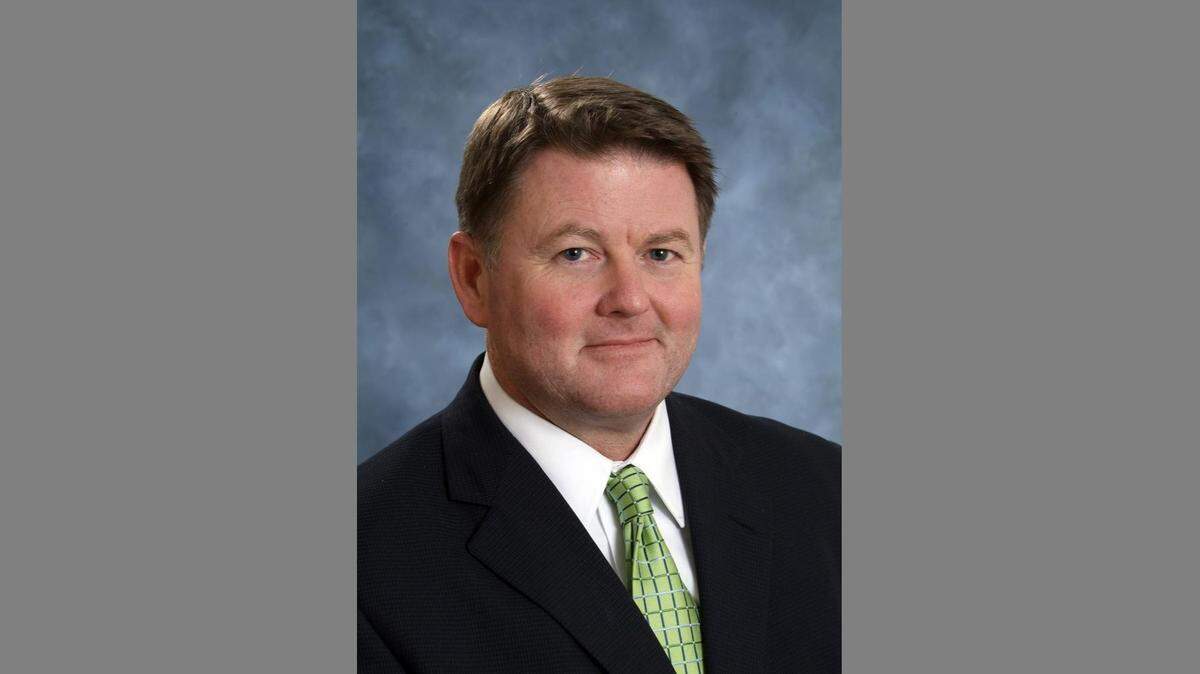
Funding for local projects is “transparently voted on” by legislative subcommittees, Herbkersman said, saying that requests are always discussed. “I will not allocate a dime, or push for a dime, unless it’s in a public meeting.”
But while requests may be discussed in subcommittees, many legislators said there’s no way to know where money for local projects is going when it gets rolled up into vague line items in the appropriations bill. The result? Some legislators don’t know exactly what they’re voting on when they approve the budget.
Asked about budget lines that don’t describe where funds are actually headed, Herbkersman said the practice is just part of budgeting. “You can budget $500 a year for yourself for auto repairs, and you don’t know if it’s going to be tires or oil changes,” he said.
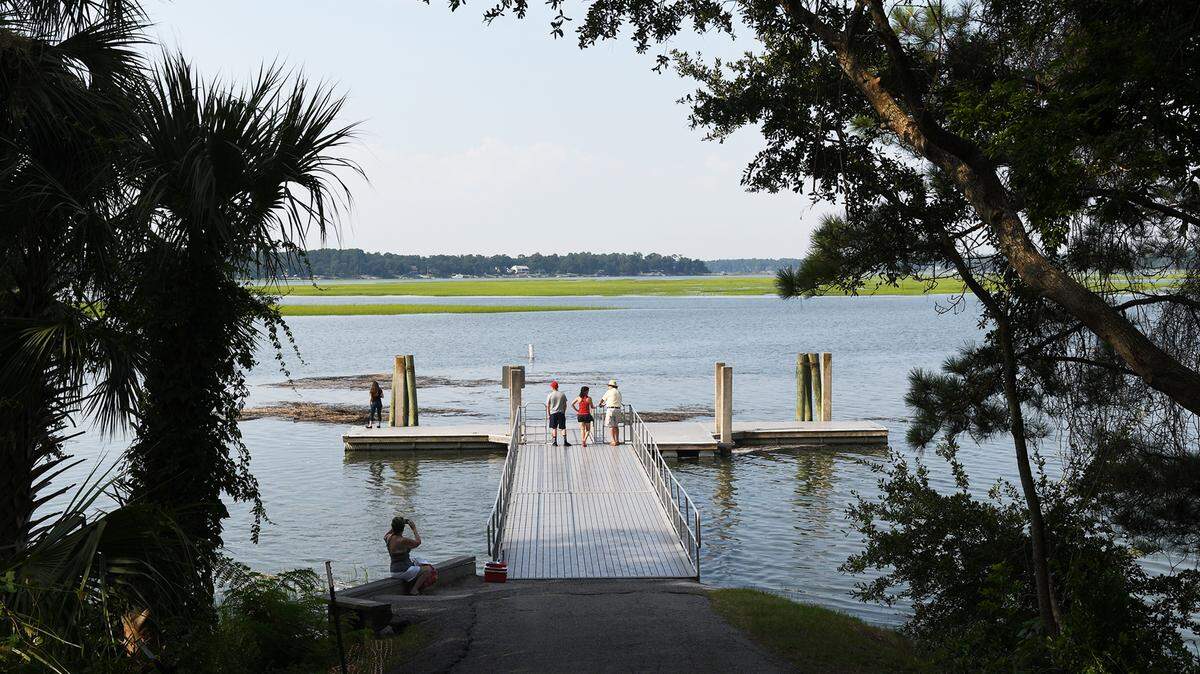
The Town of Bluffton has benefited from earmarks Herbkersman sponsored, records from the S.C. Department of Parks, Recreation and Tourism show. These include multiple allocations for the new public dock under construction at the end of Old Town’s Calhoun Street, listed on the 2018-2019 budget as “sports marketing” and on last year’s as “parks revitalization,” as well as funds last year for a sewer project channeled through the S.C. Department of Health and Environmental Control as water “system upgrades,” records show.
“It is not uncommon for members of the state delegation, as well as federal lawmakers, to ask what they can do to help support their constituents living in Bluffton. These conversations have taken place for years,” wrote town spokesperson Debbie Szpanka in an email.
“Everybody hates earmarks unless it’s for them,” Herbkersman said, defending the process as transparent. “These aren’t cash disbursements, these are checks. You can look at those checks anytime you want from any agency,” he said.
But without an understanding of which local projects are funded through the state budget, taxpayers may not know where to look.
The funds are sheltered from scrutiny, said Landess with the S.C. Policy Council.
“Every individual line item might be a small amount of money, but the questions has to be what service are South Carolina taxpayers paying for?” she said.
Andrew Caplan at The State contributed reporting.
This story was originally published September 14, 2020 at 5:00 AM with the headline "The ‘black box’: How SC lawmakers quietly funneled $$1.7M to Beaufort Co. projects."