Helene downpours could lead to landslides in western NC. What to know + how to stay safe
READ MORE
Hurricane Helene Aftermath
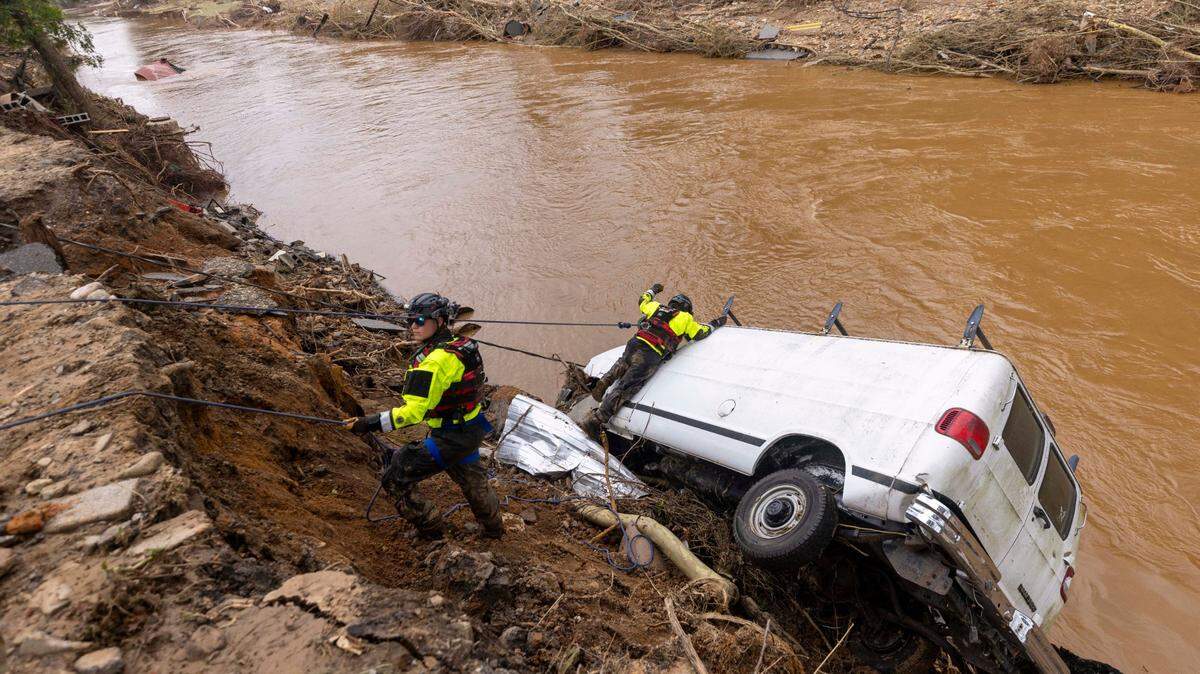
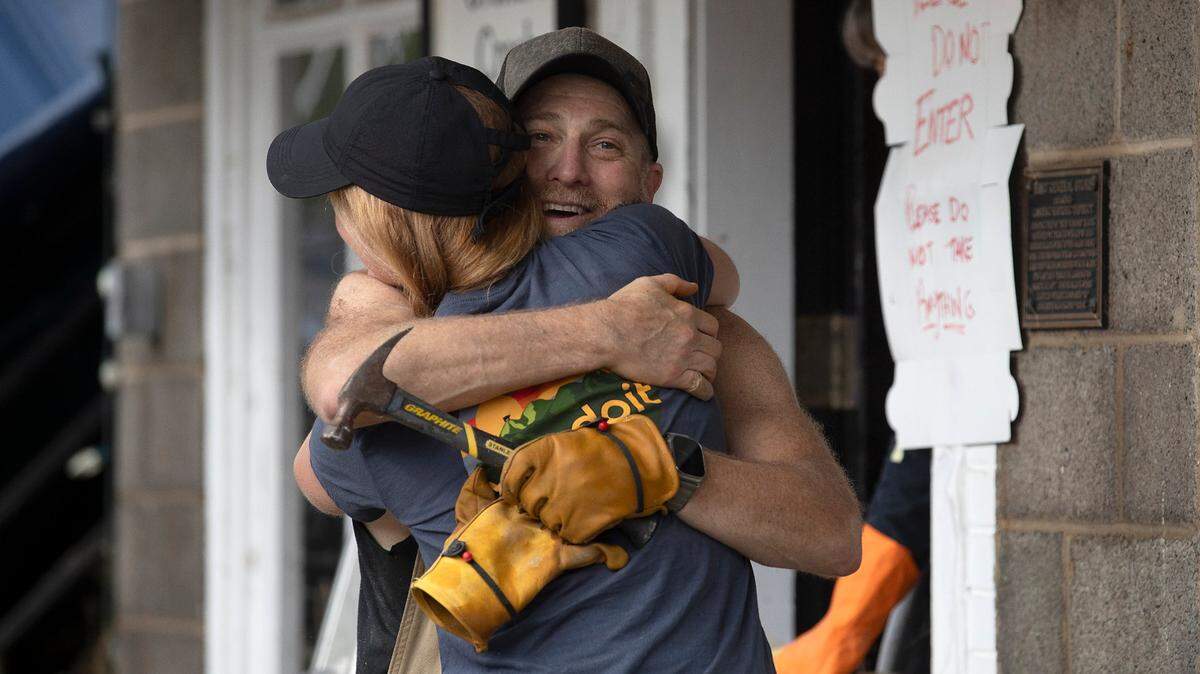
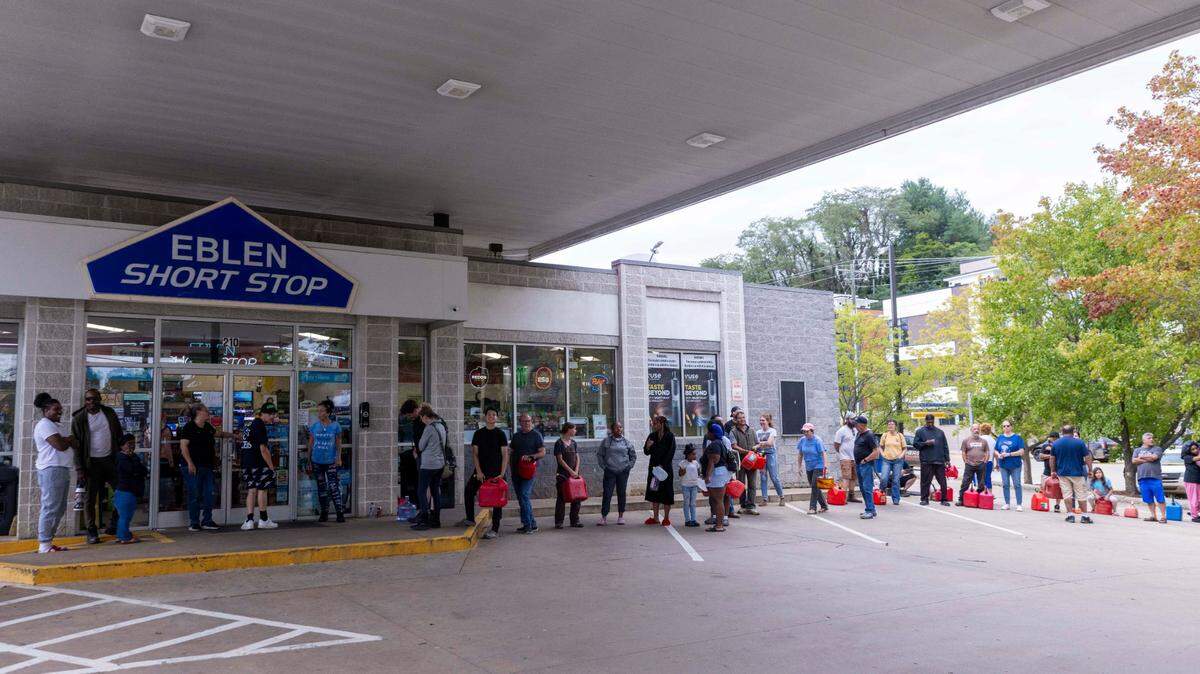
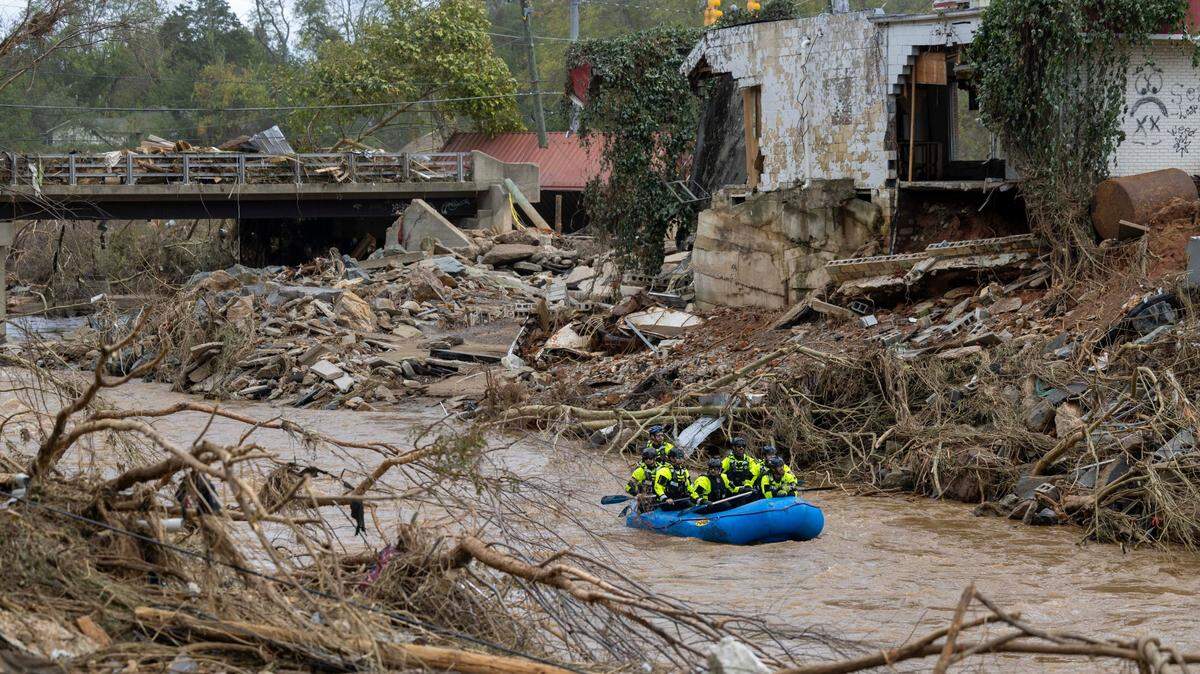
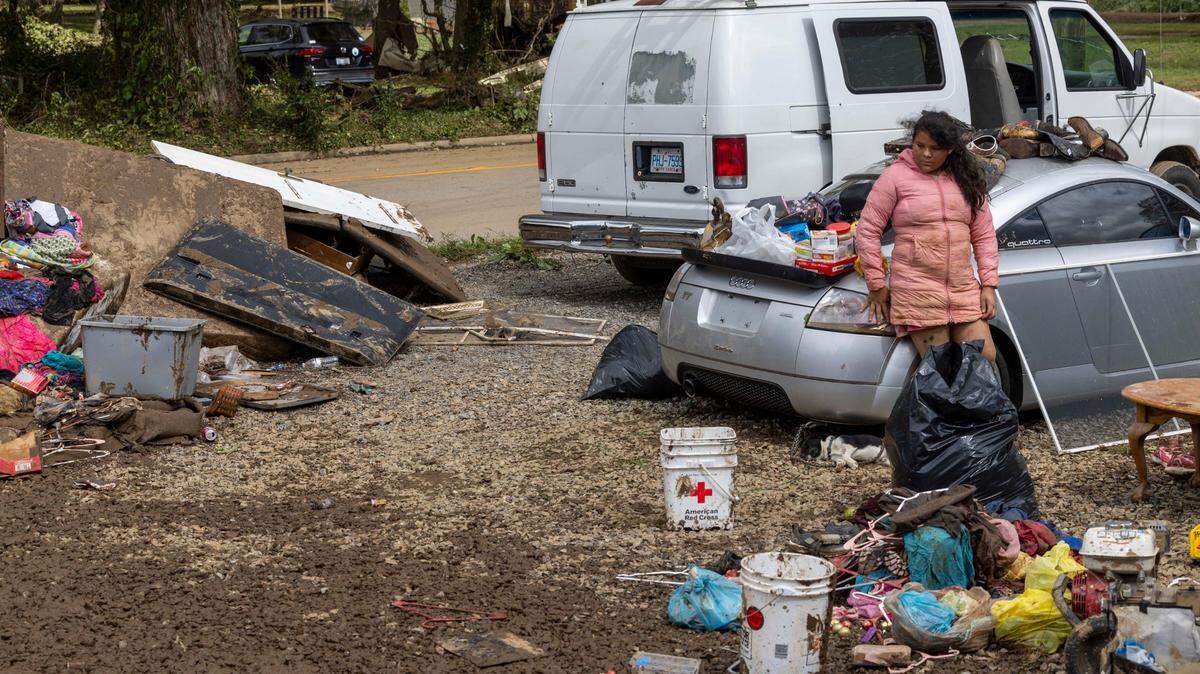
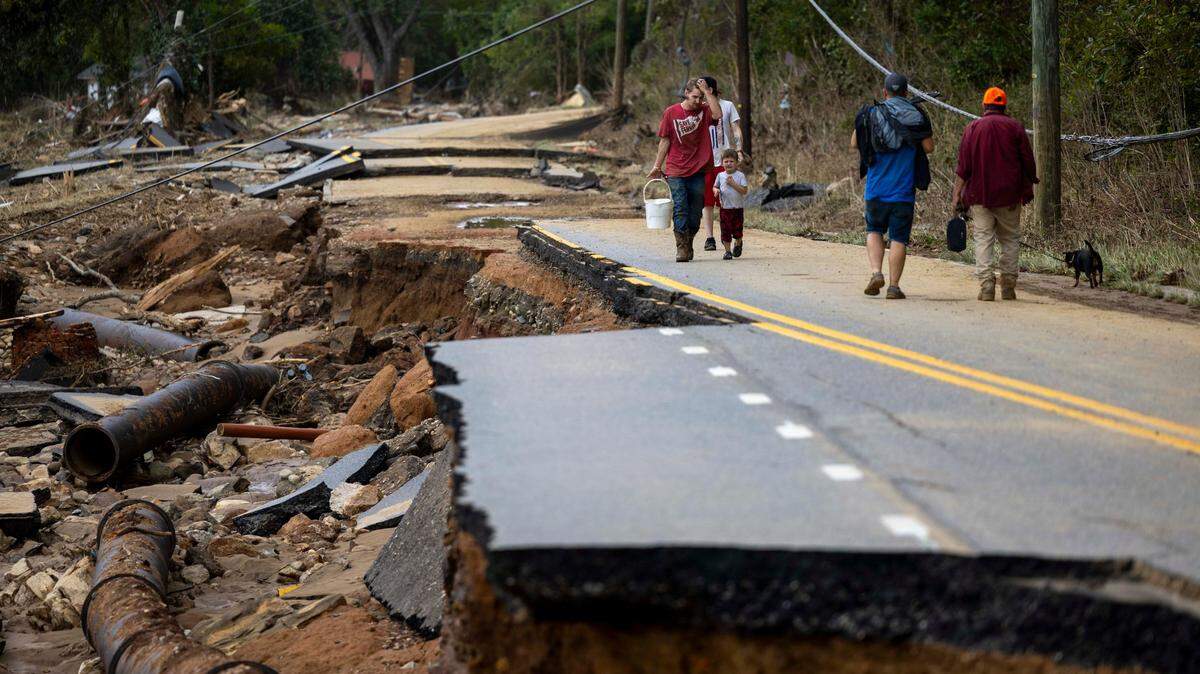
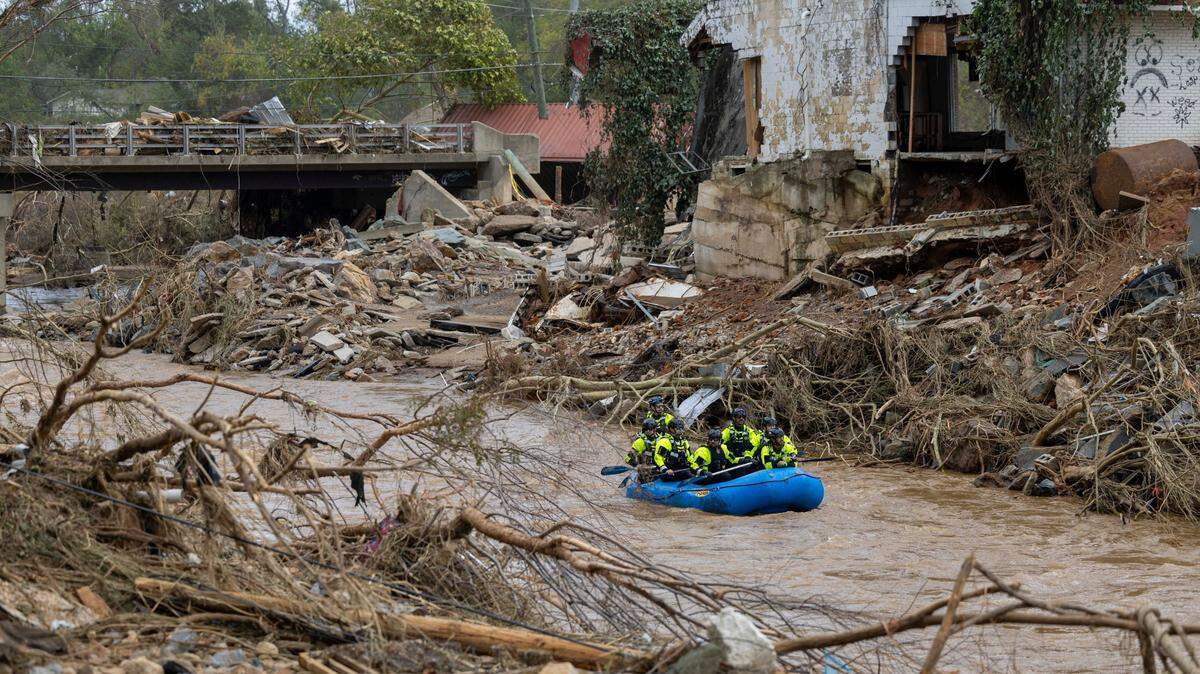
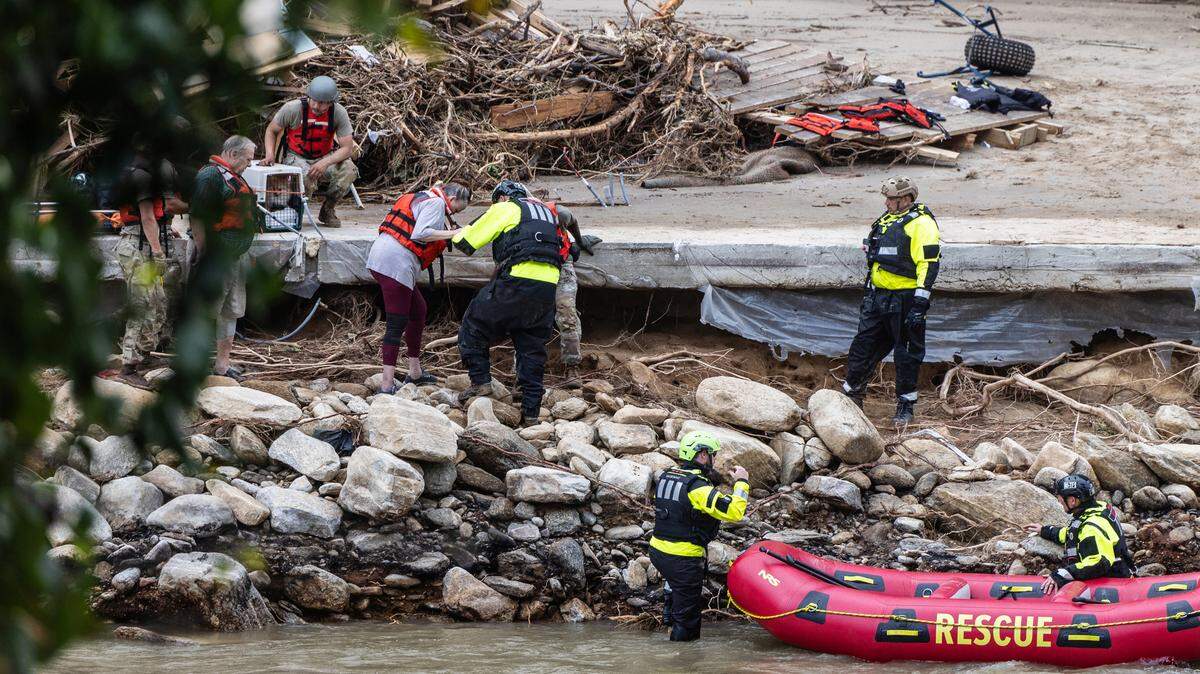
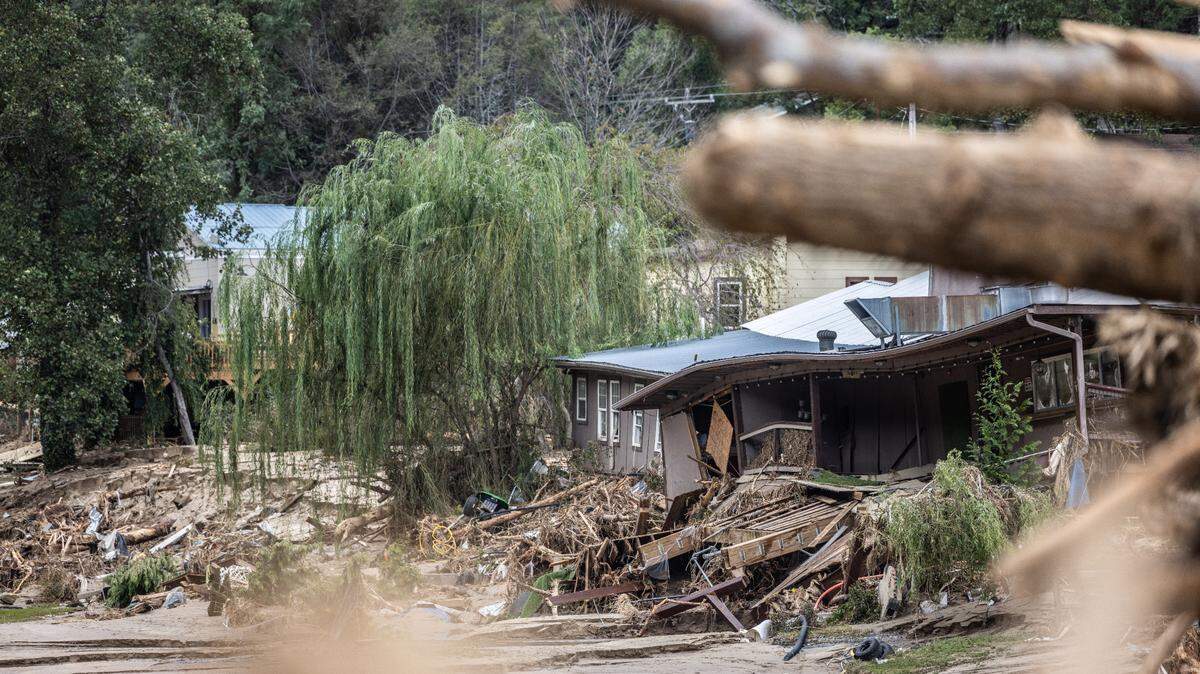
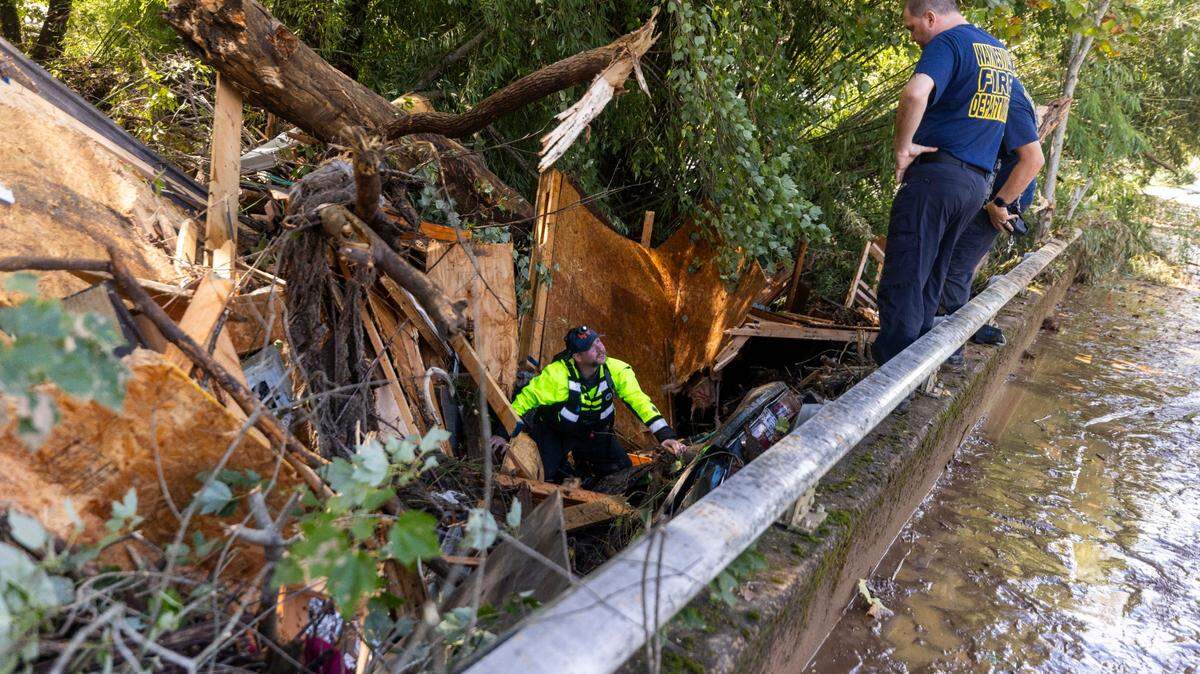
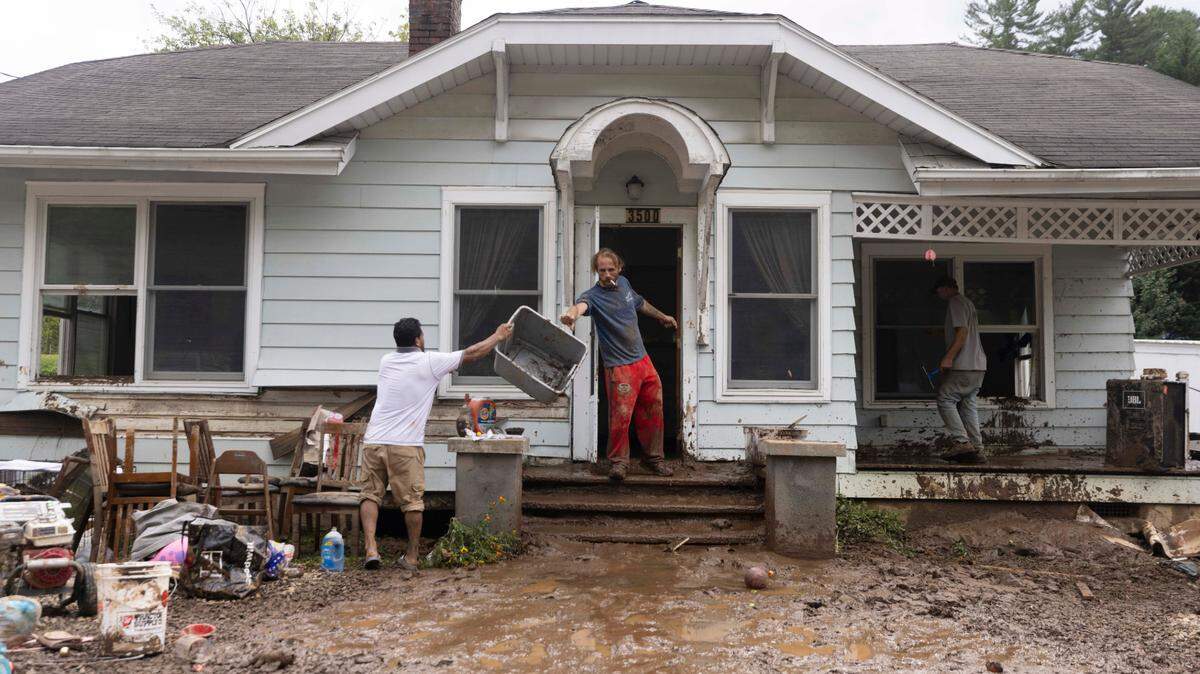
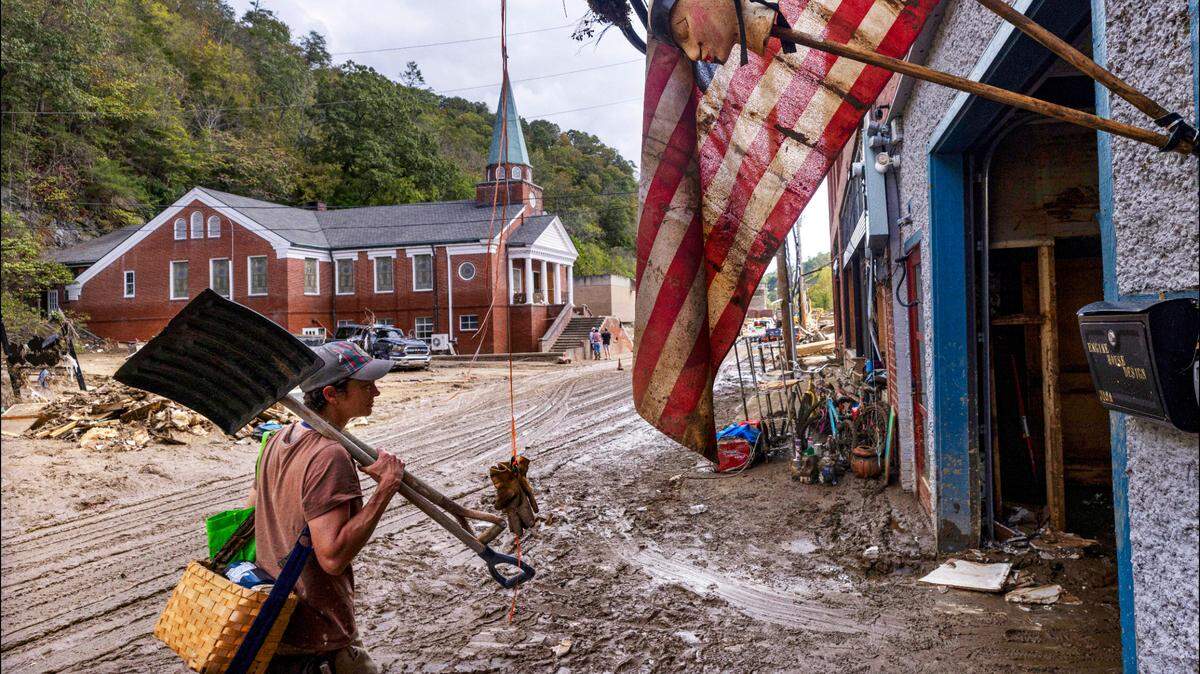
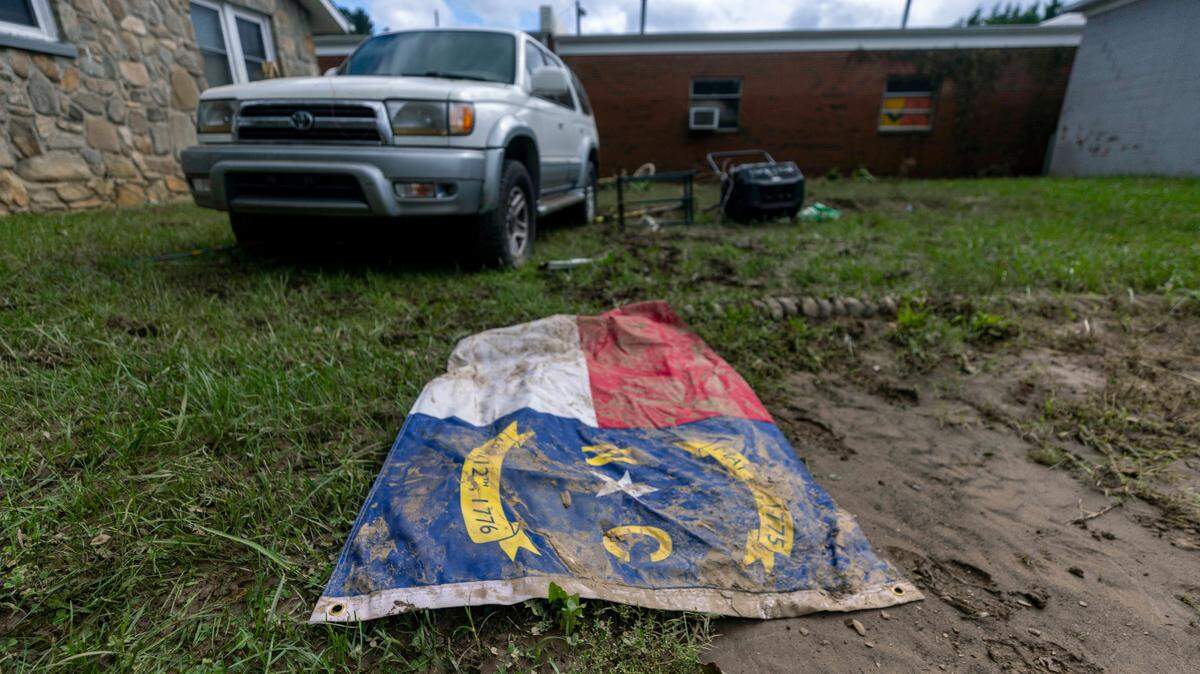
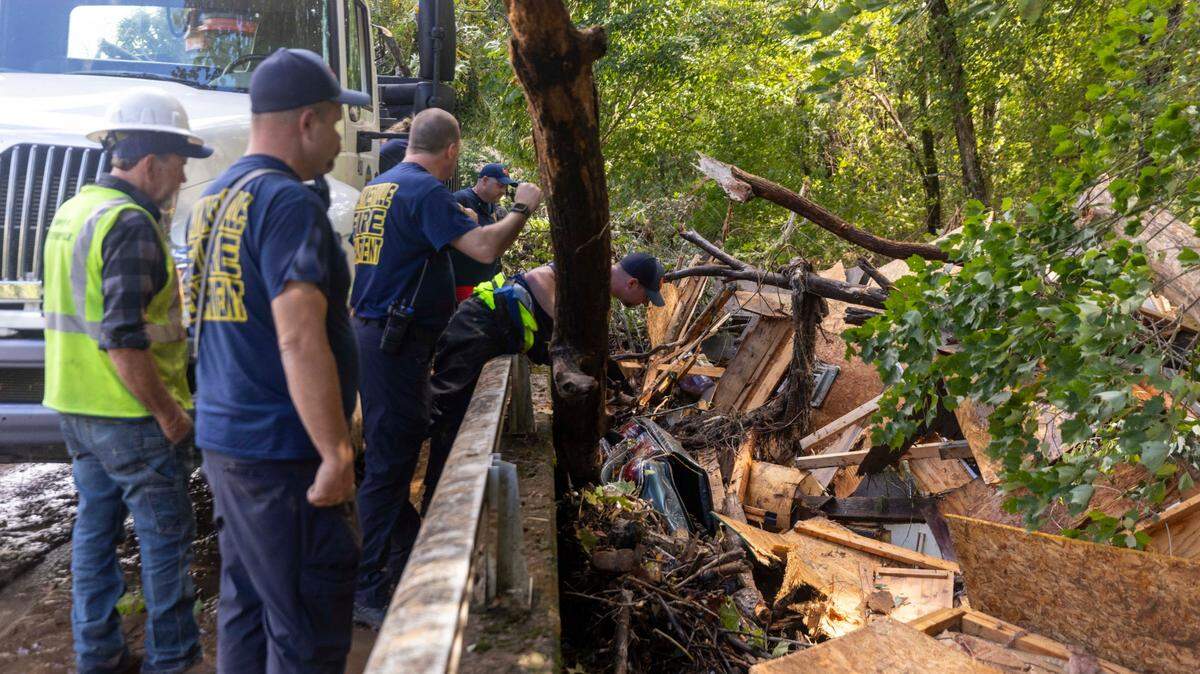
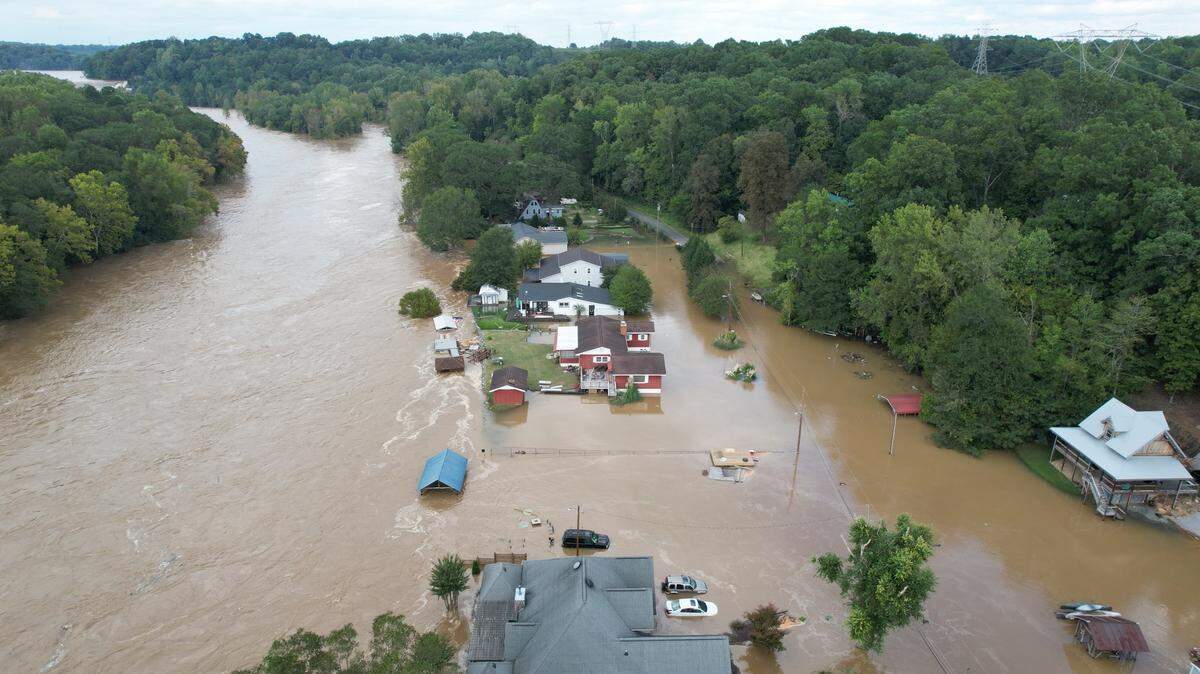
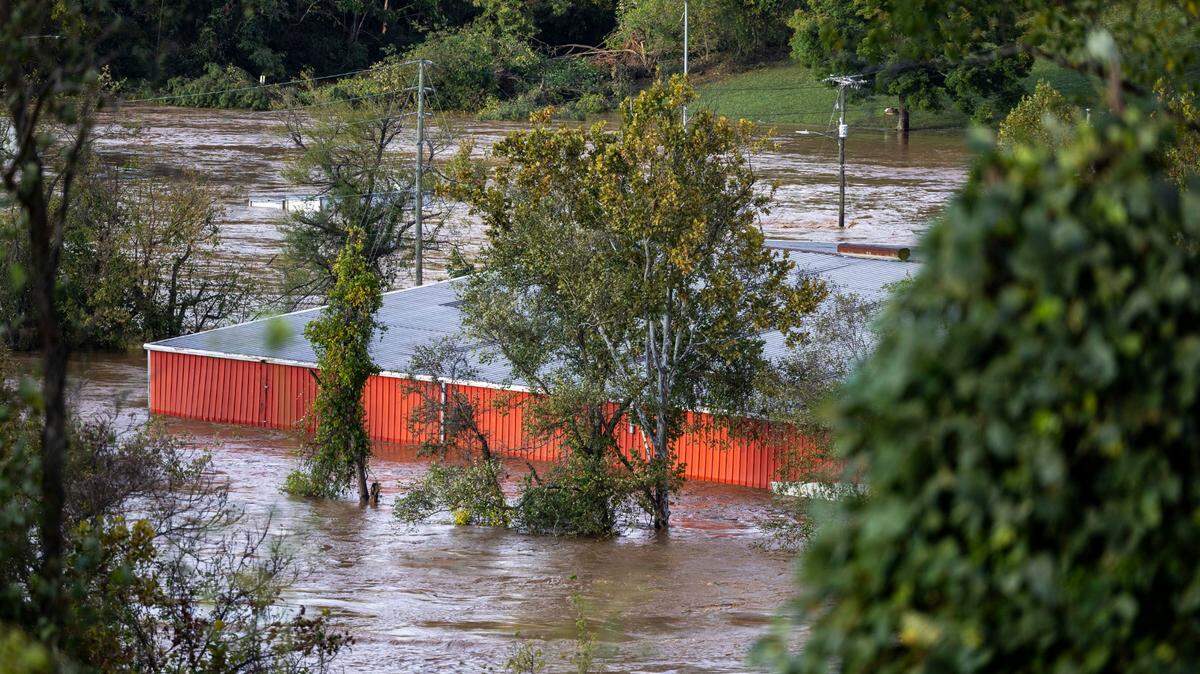
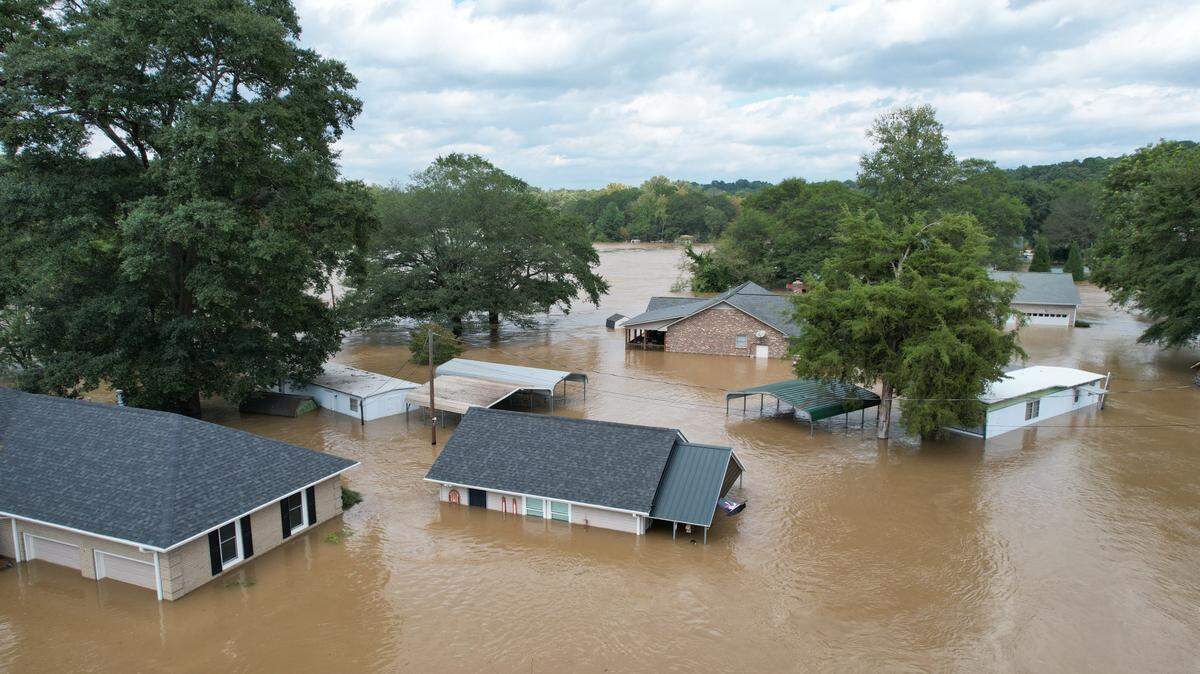
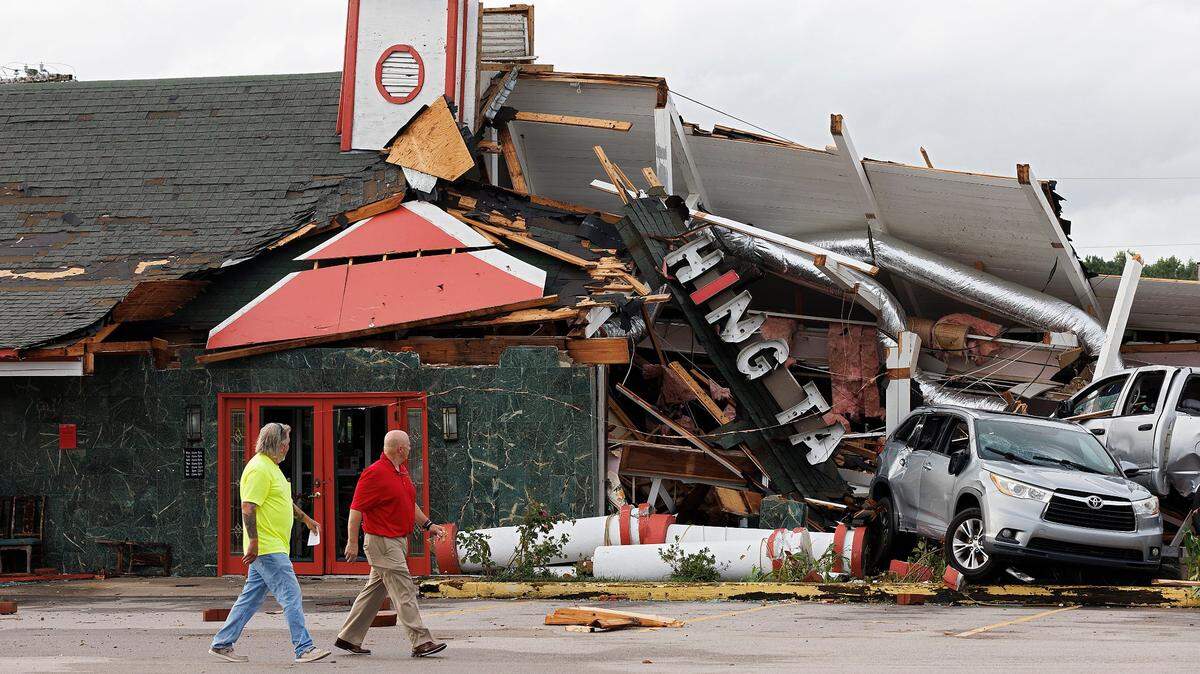
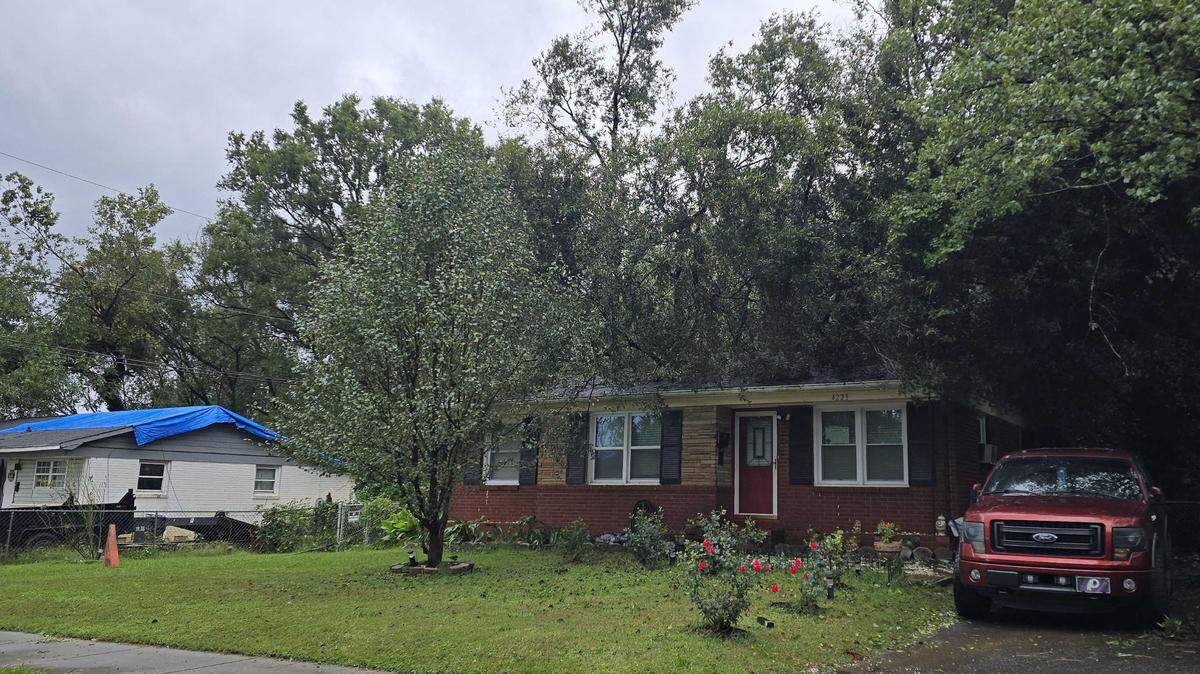
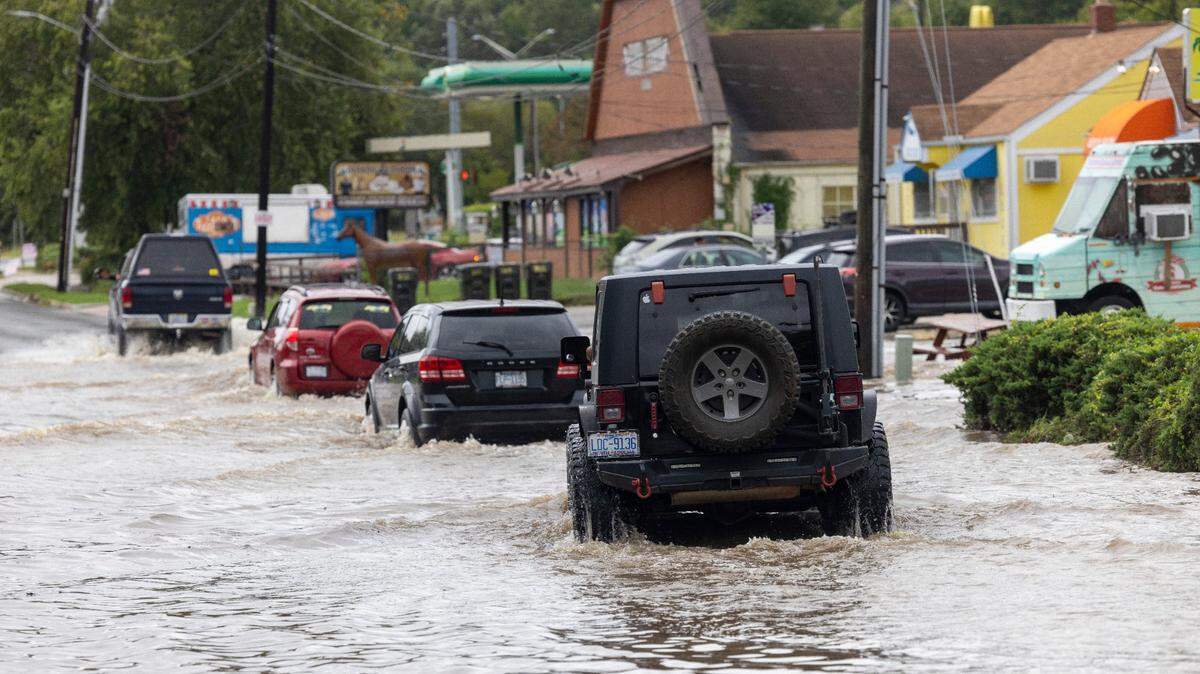
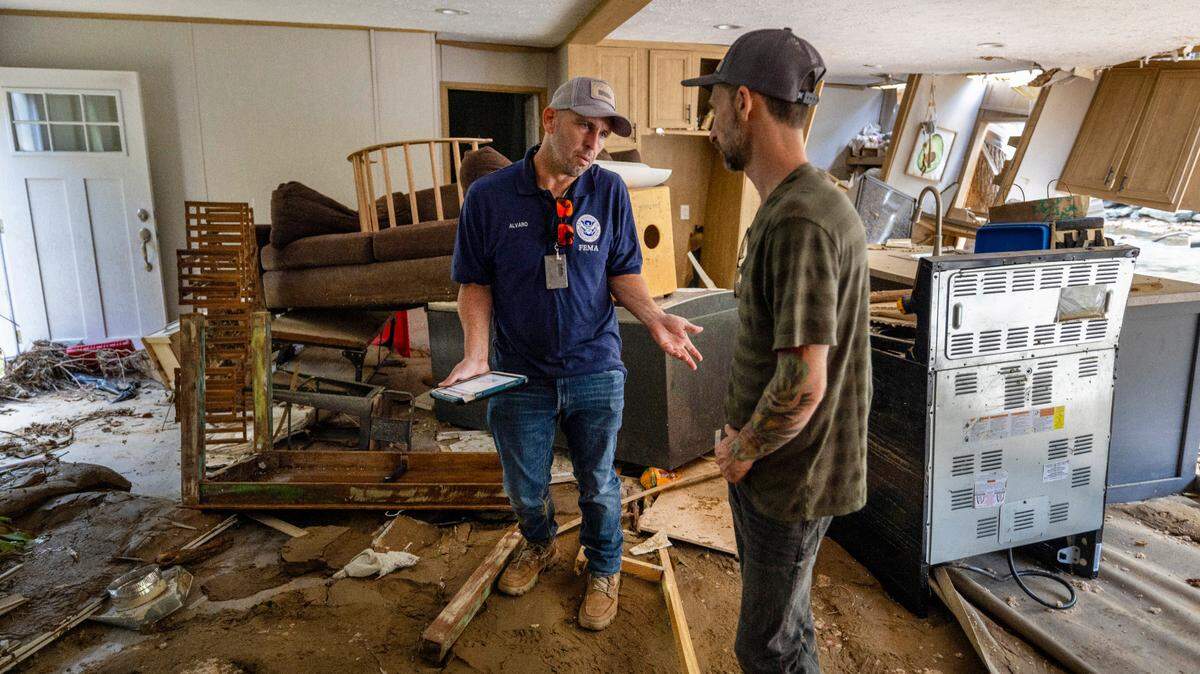
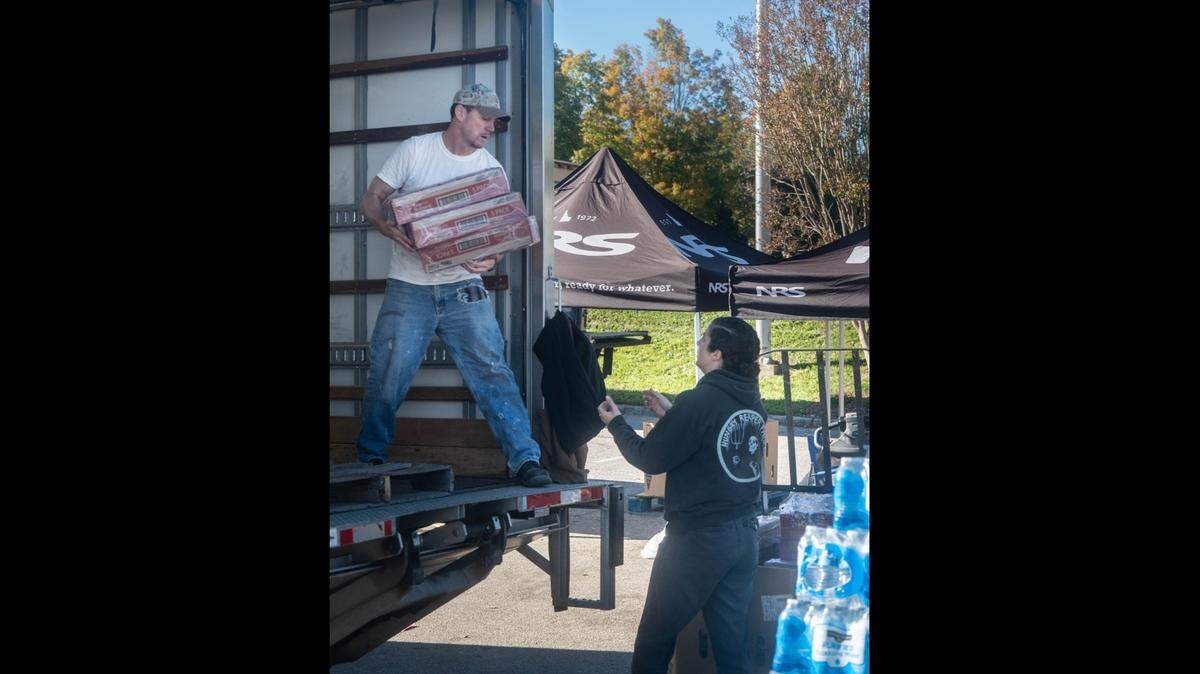
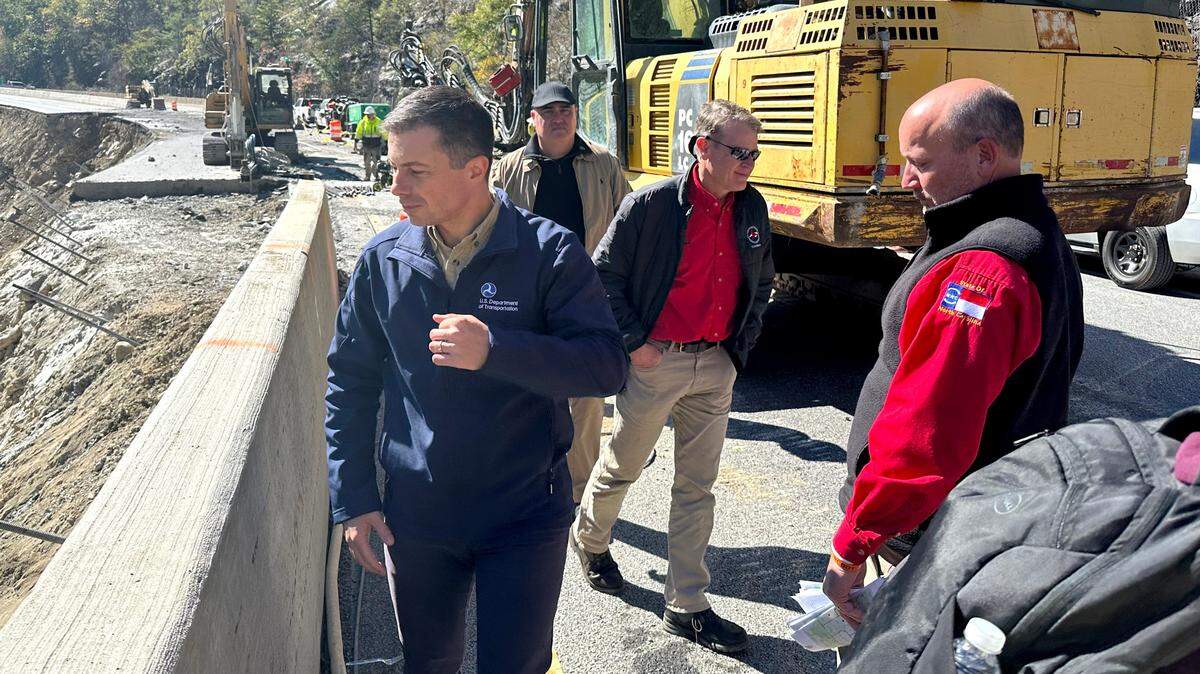
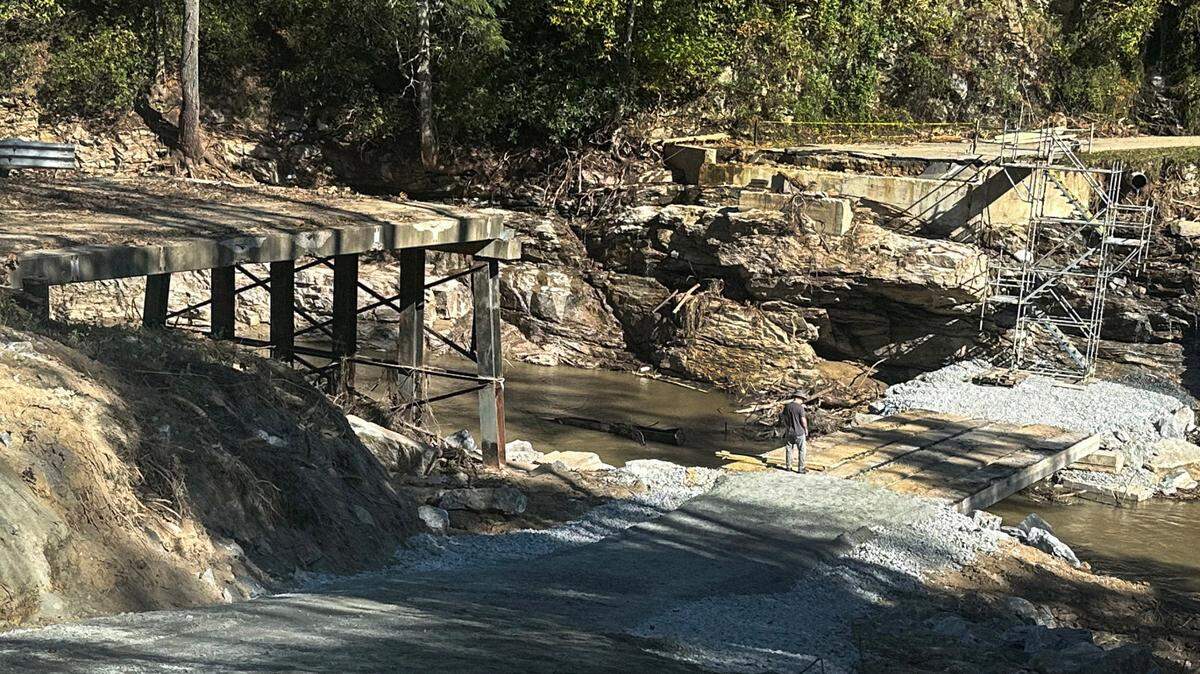
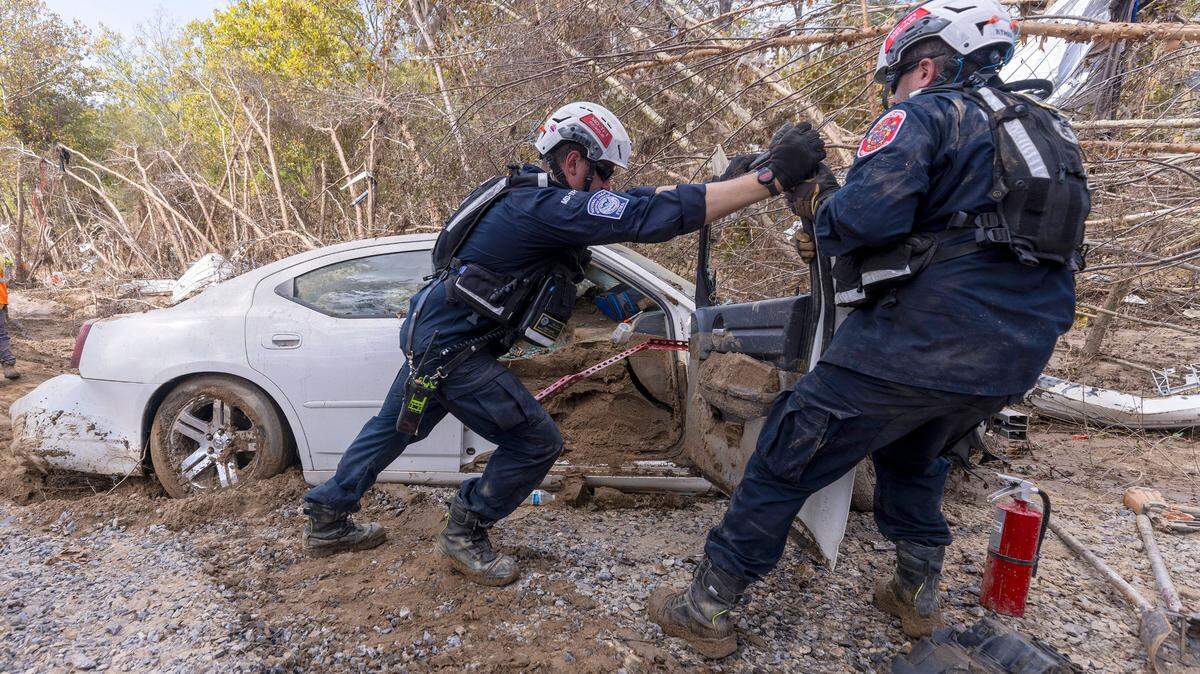
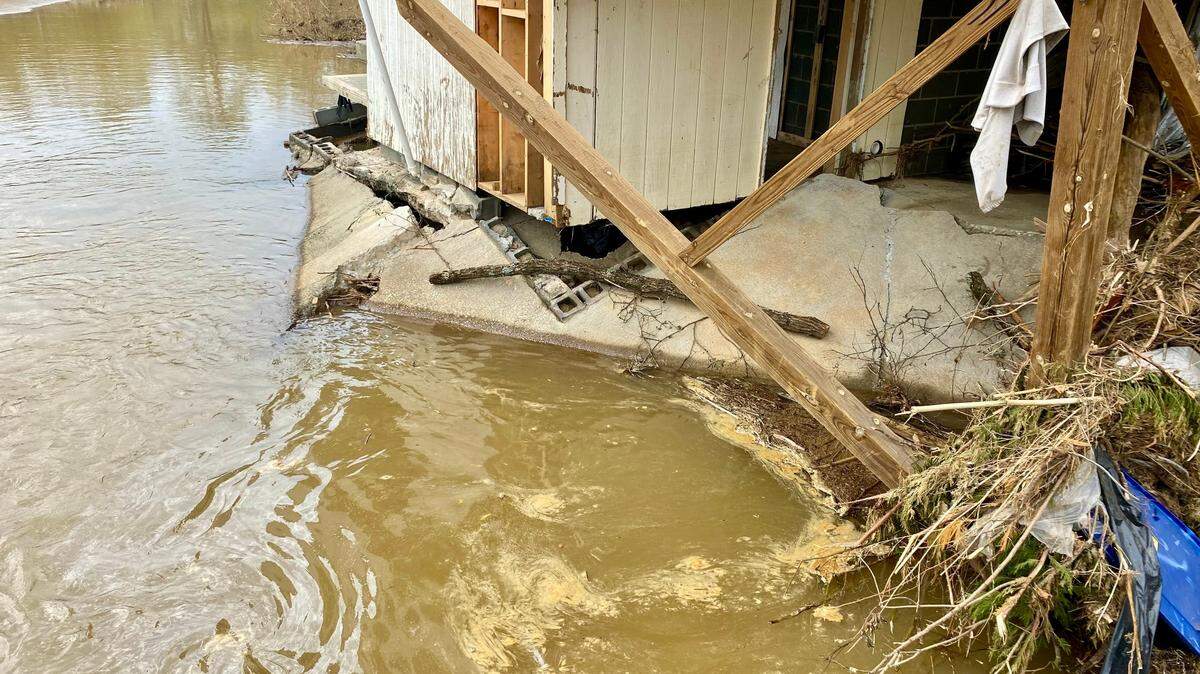
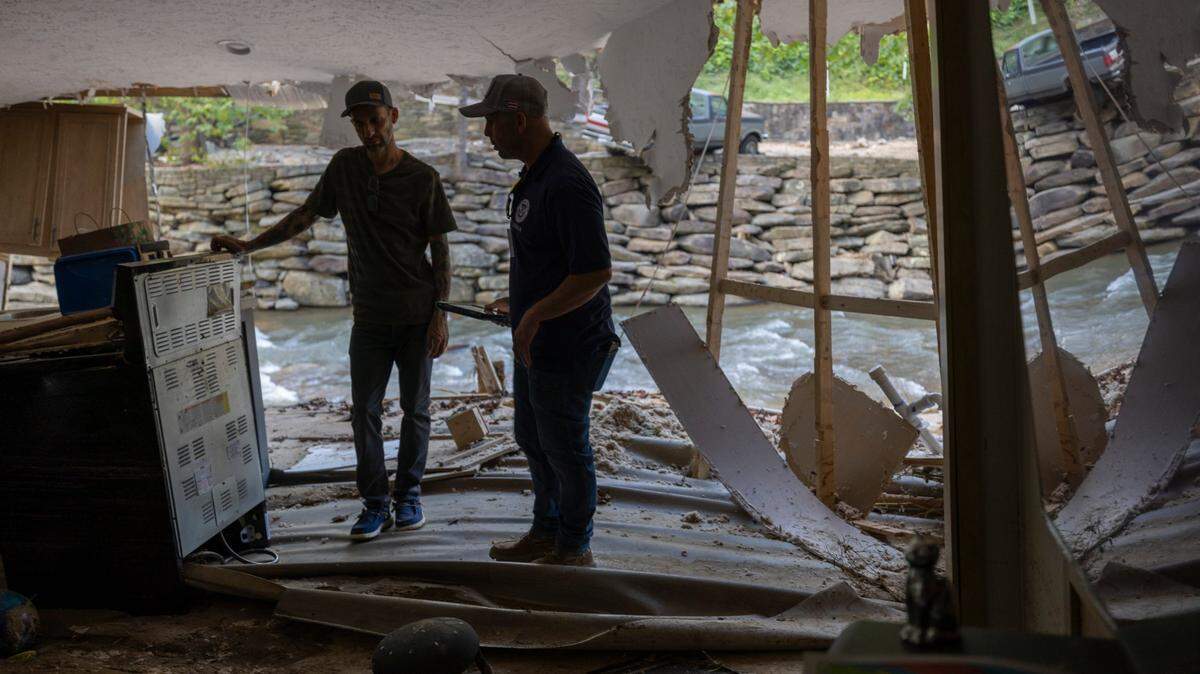
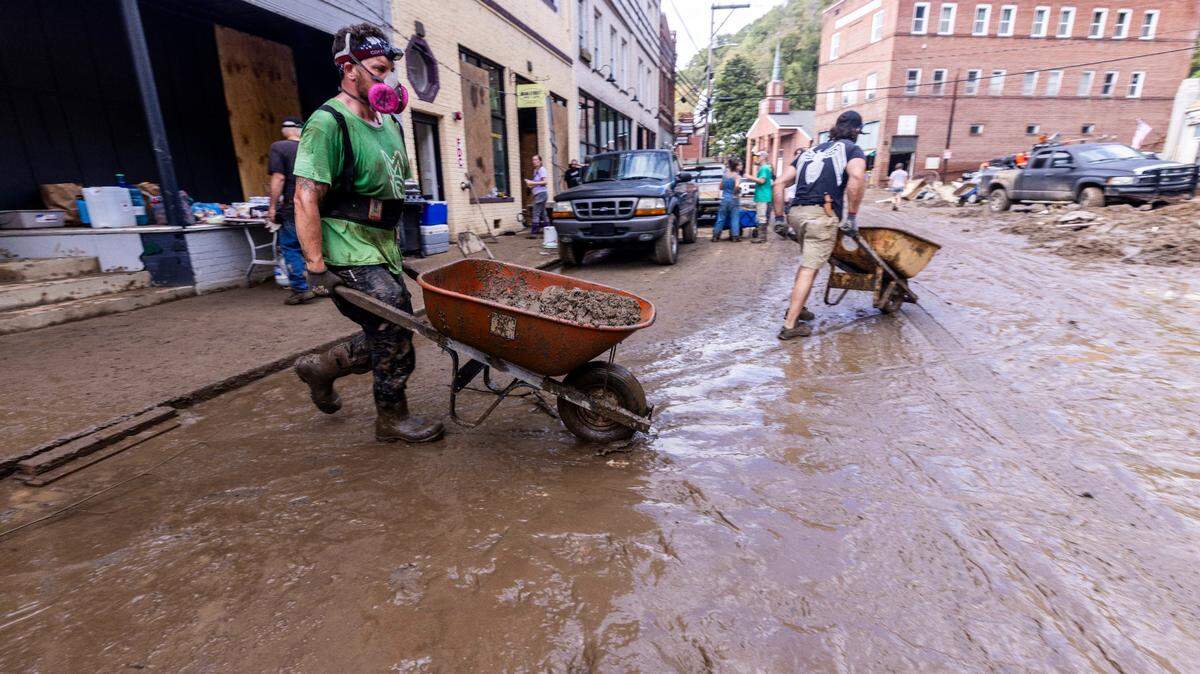
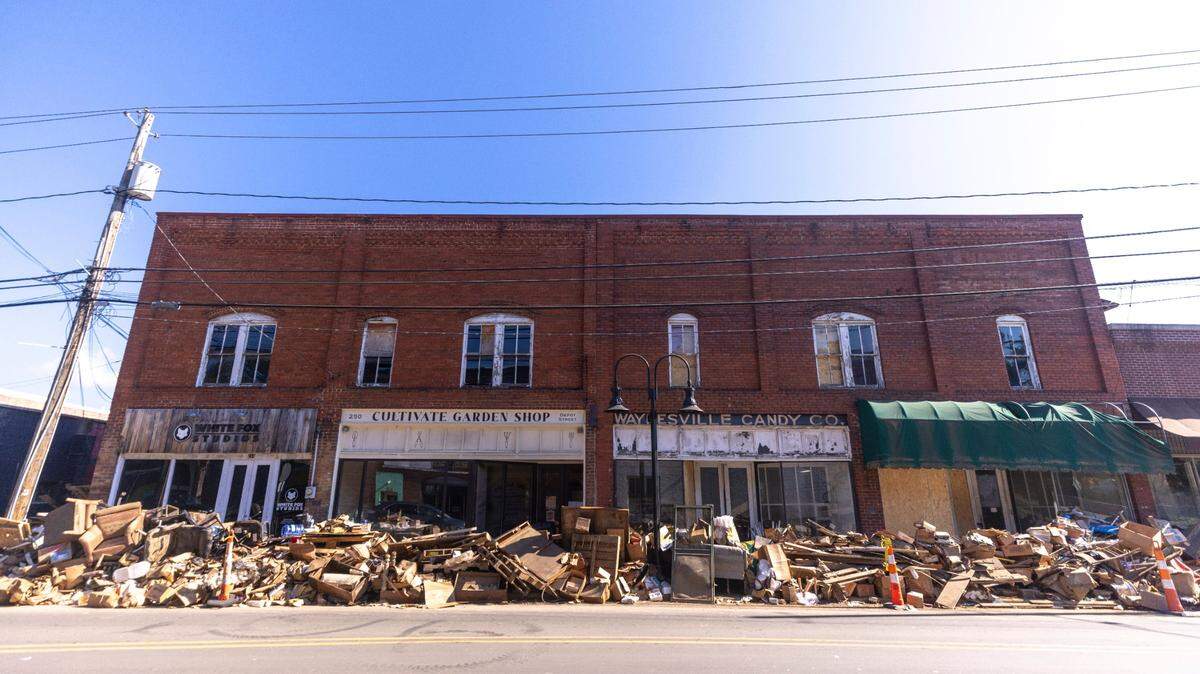
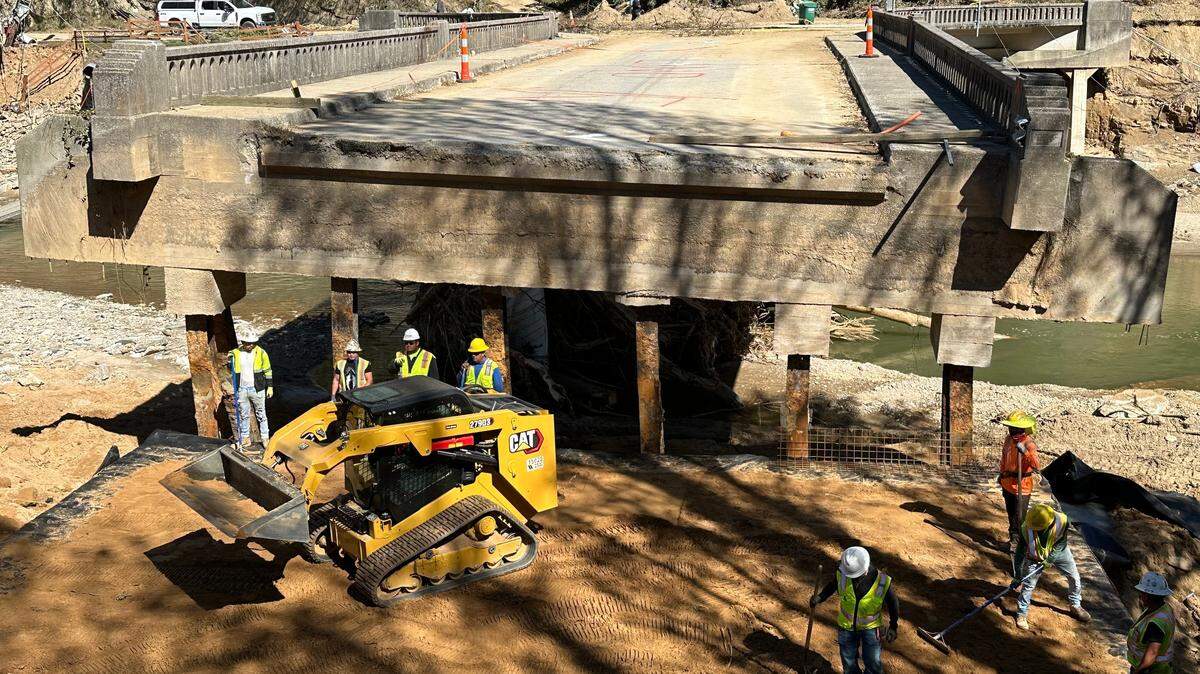
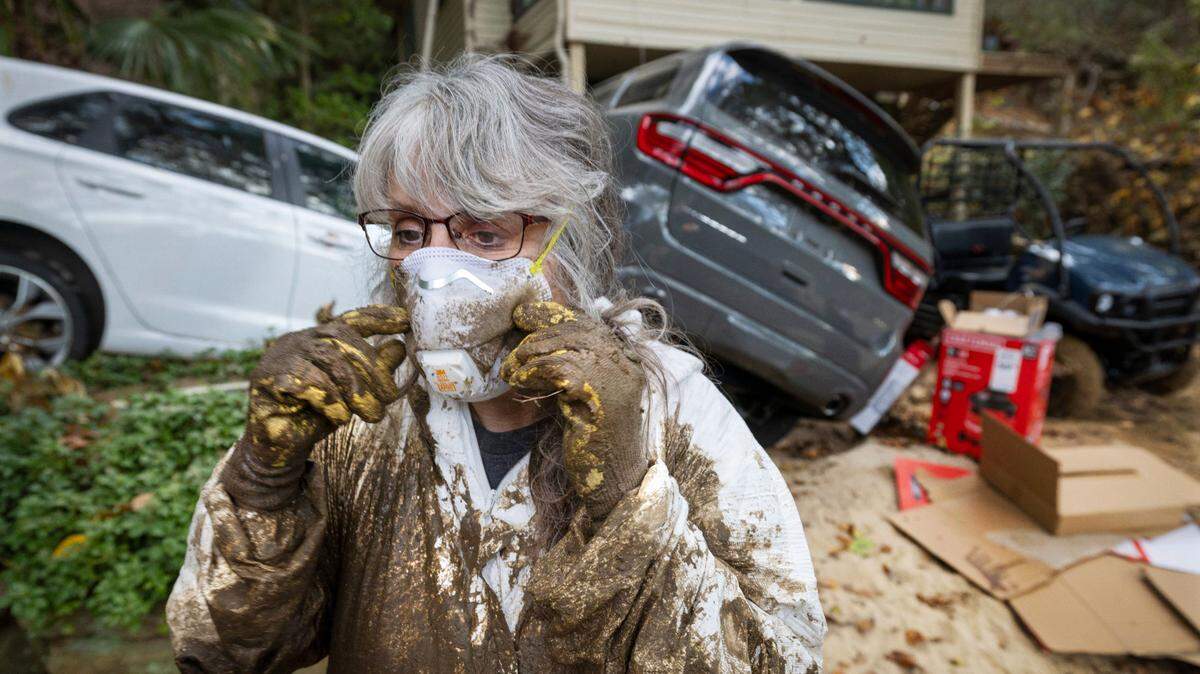
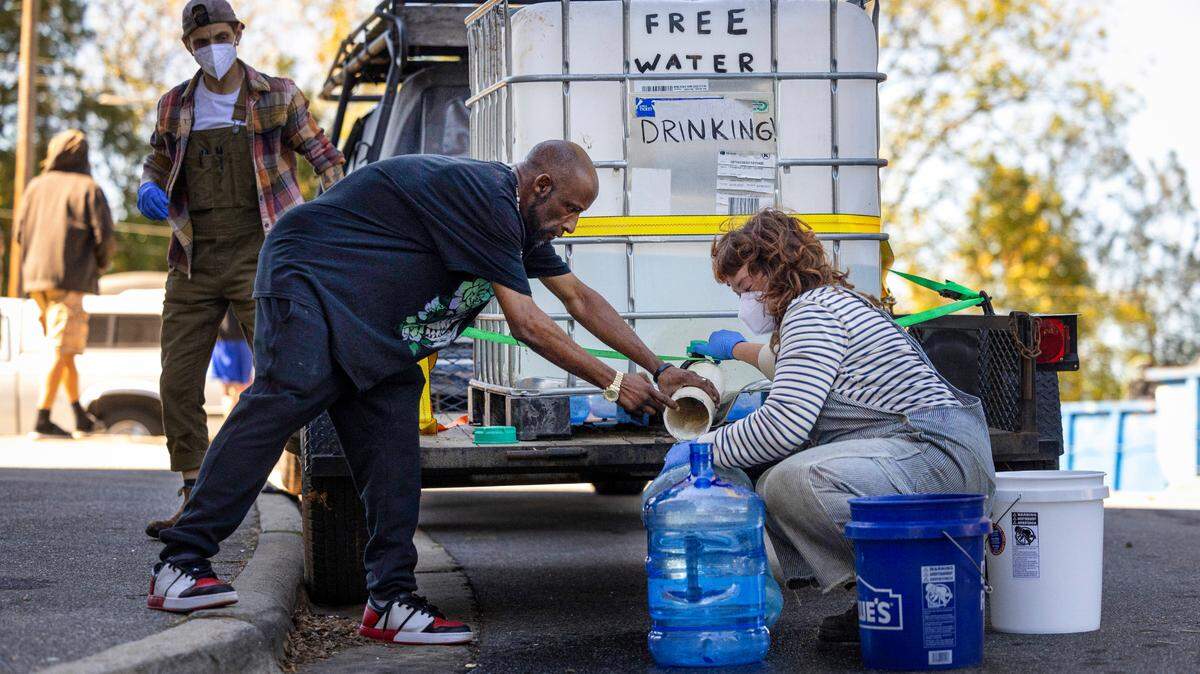
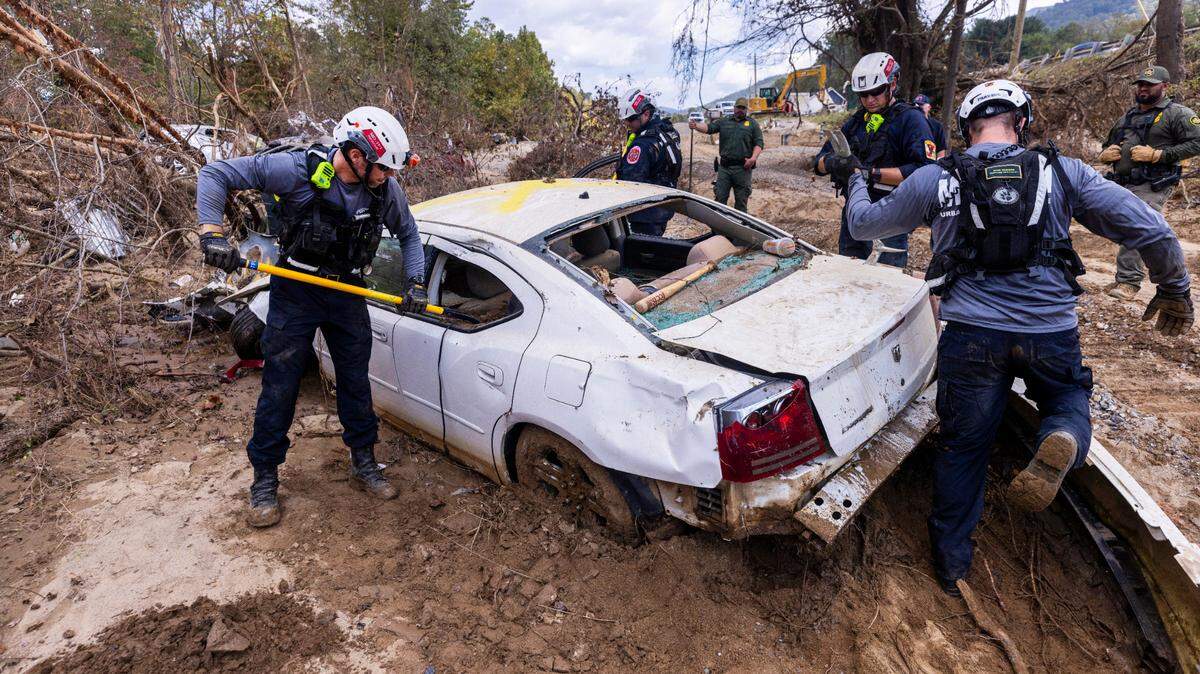
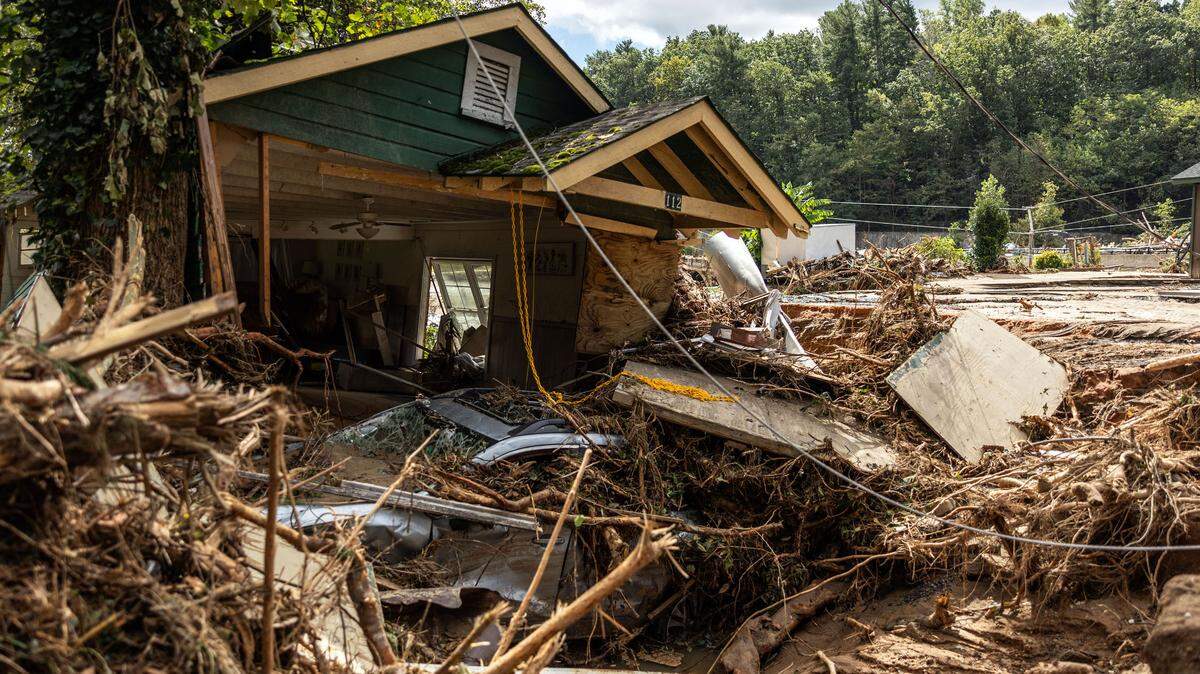
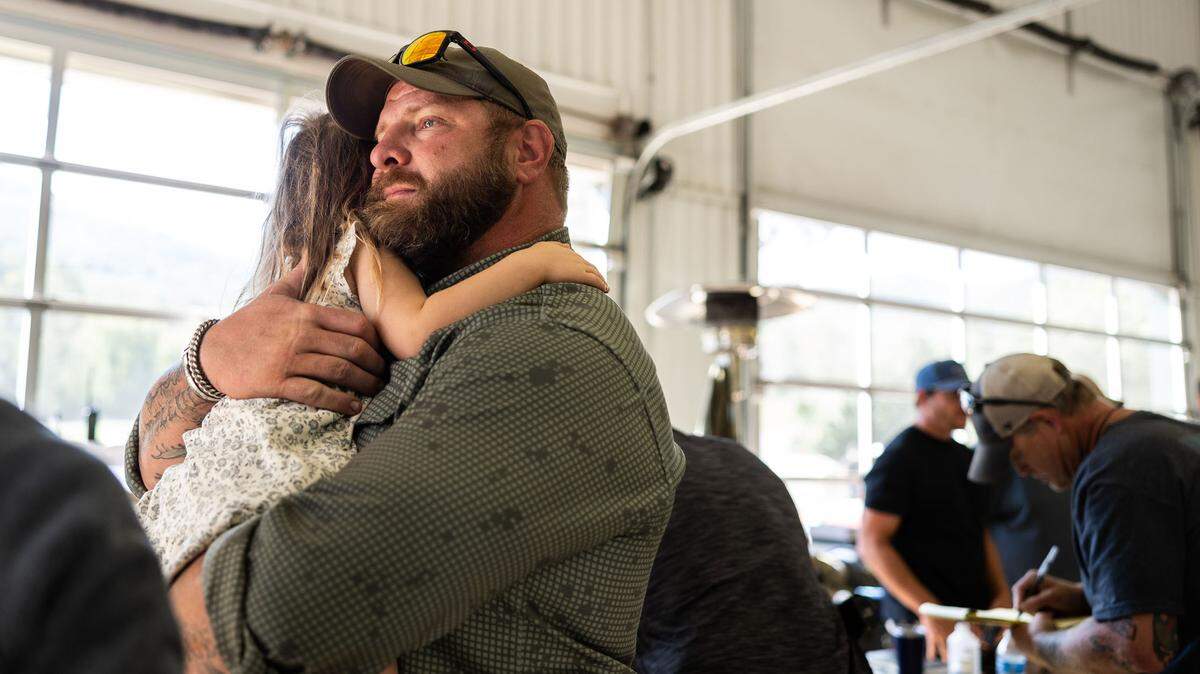
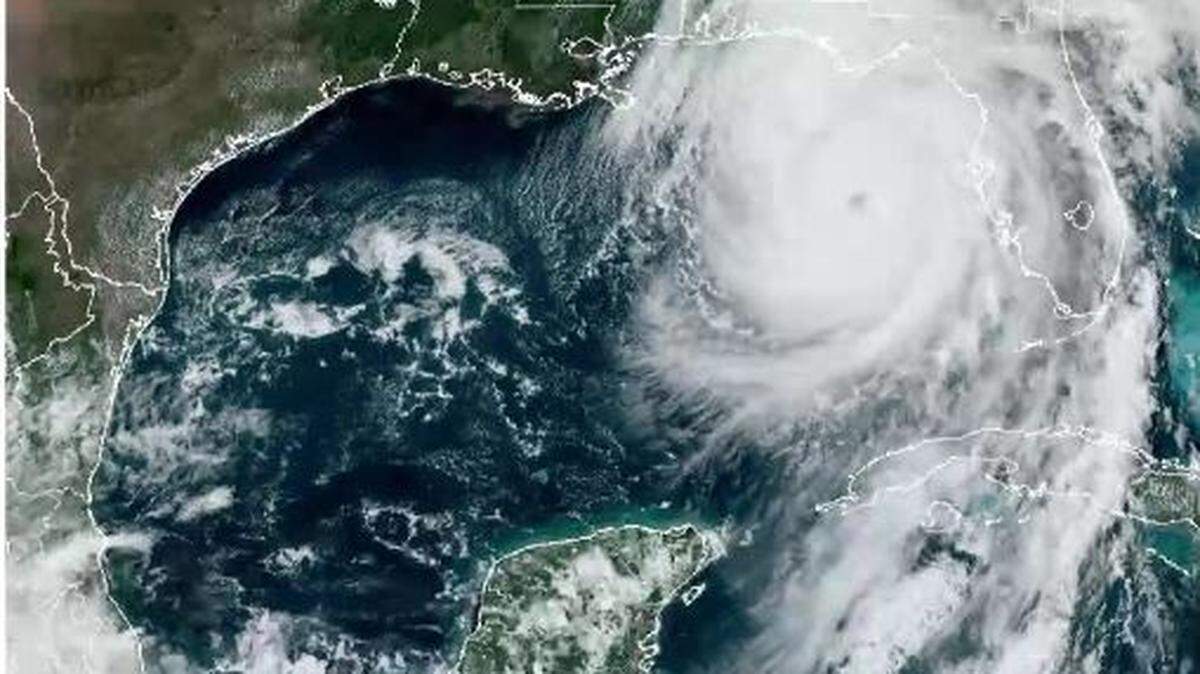
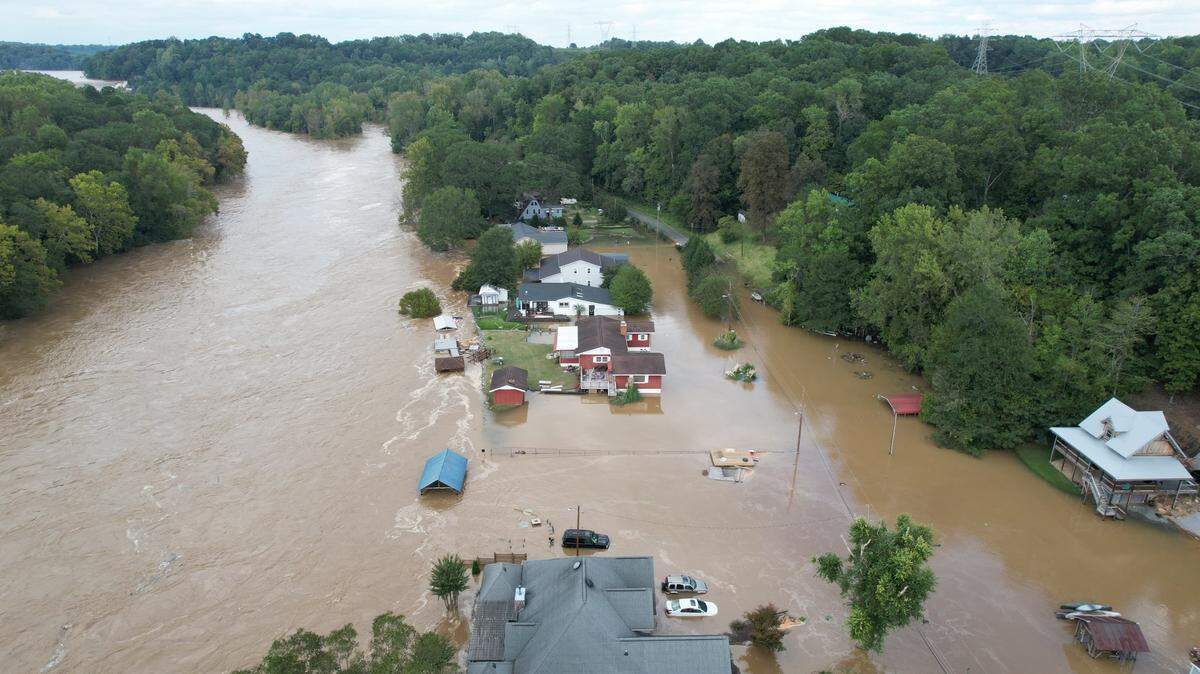
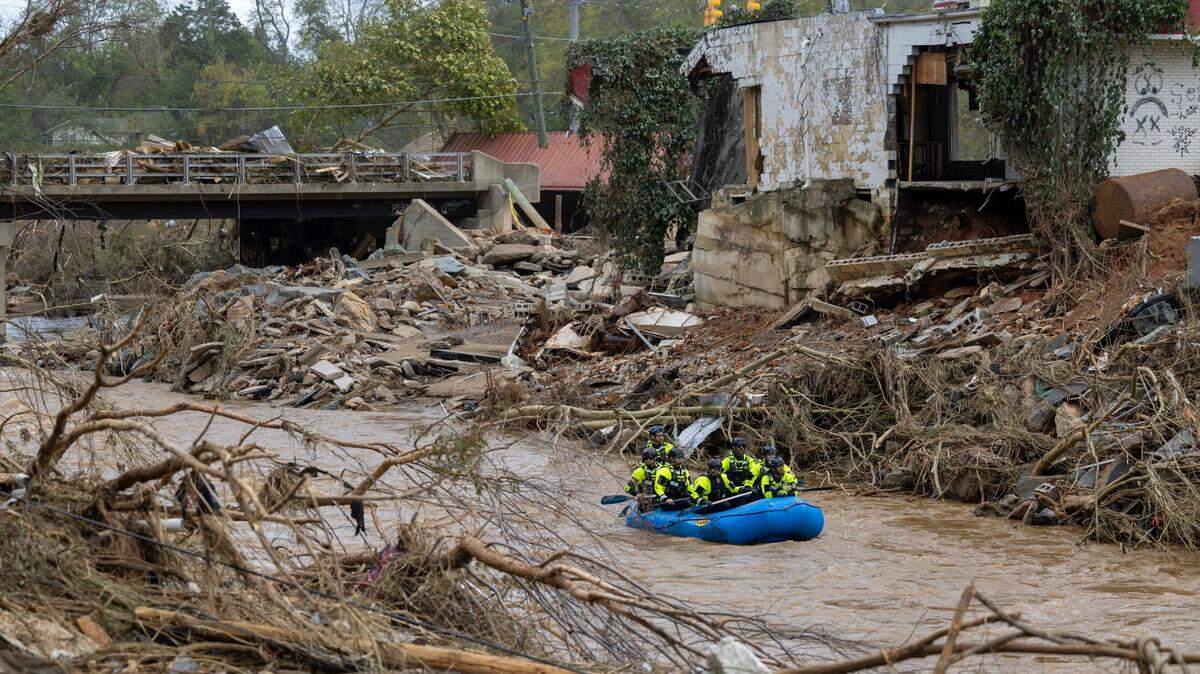
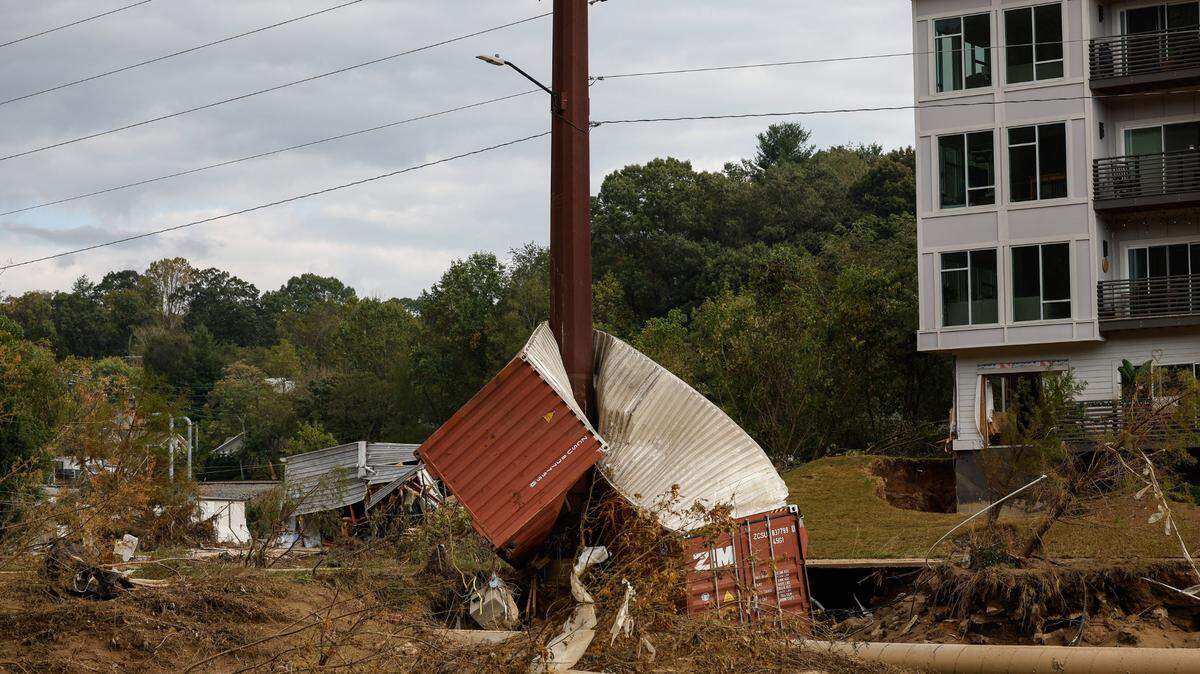
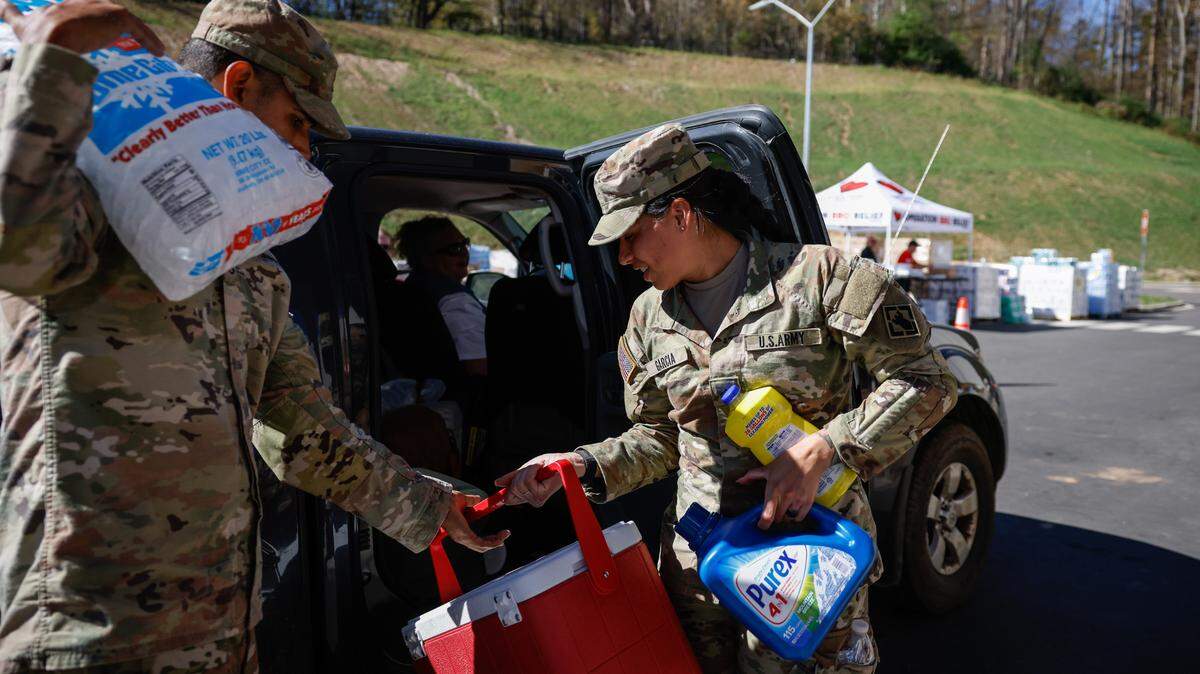
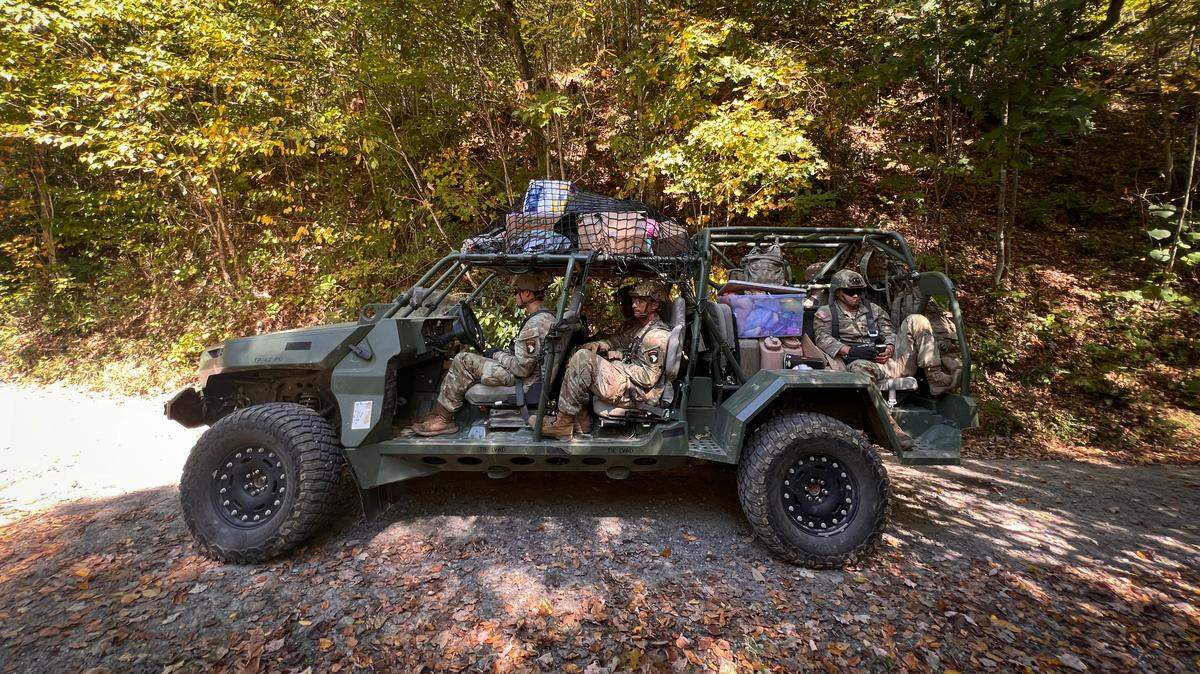
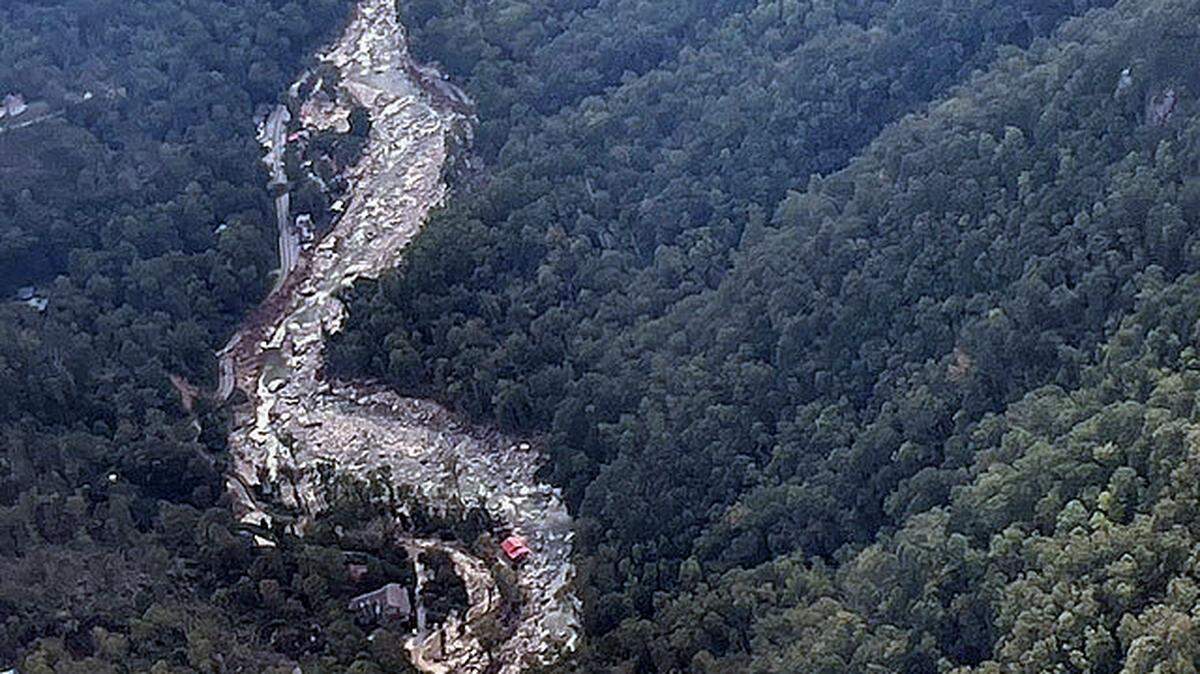
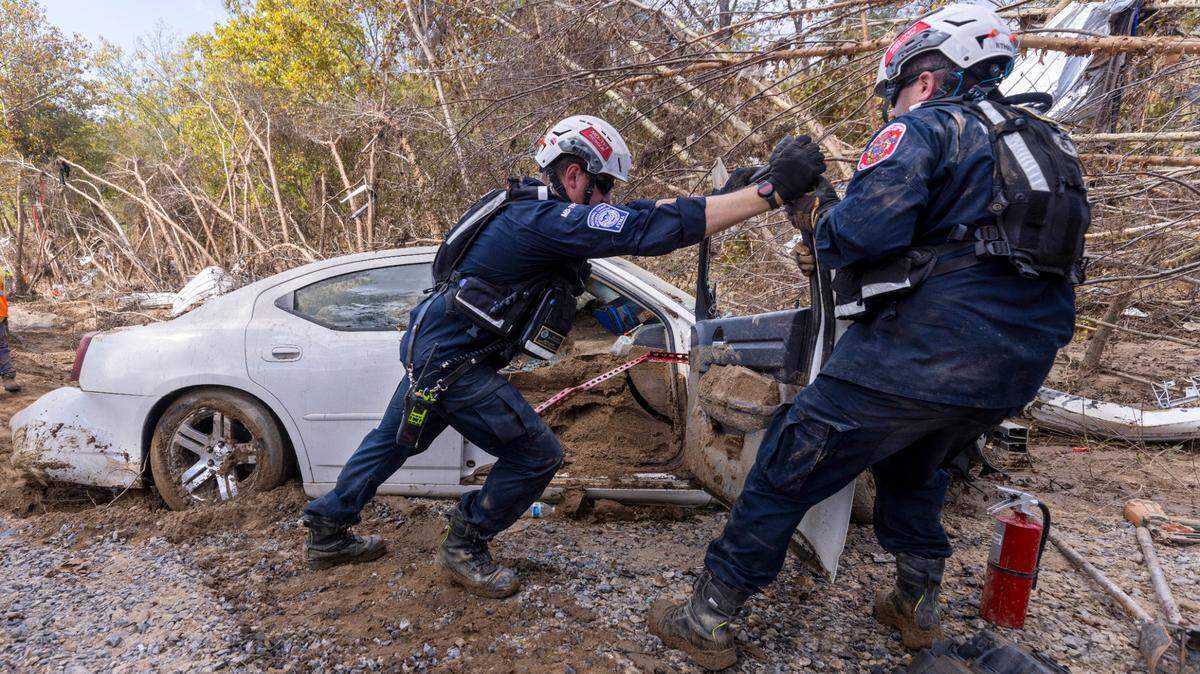
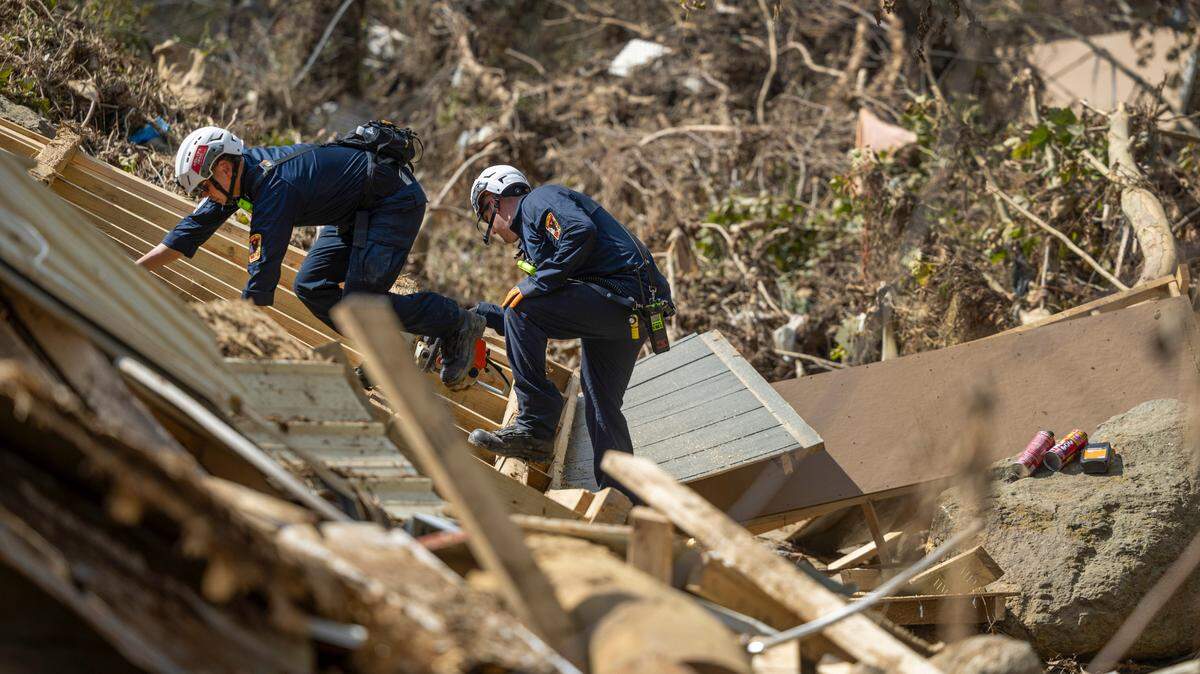
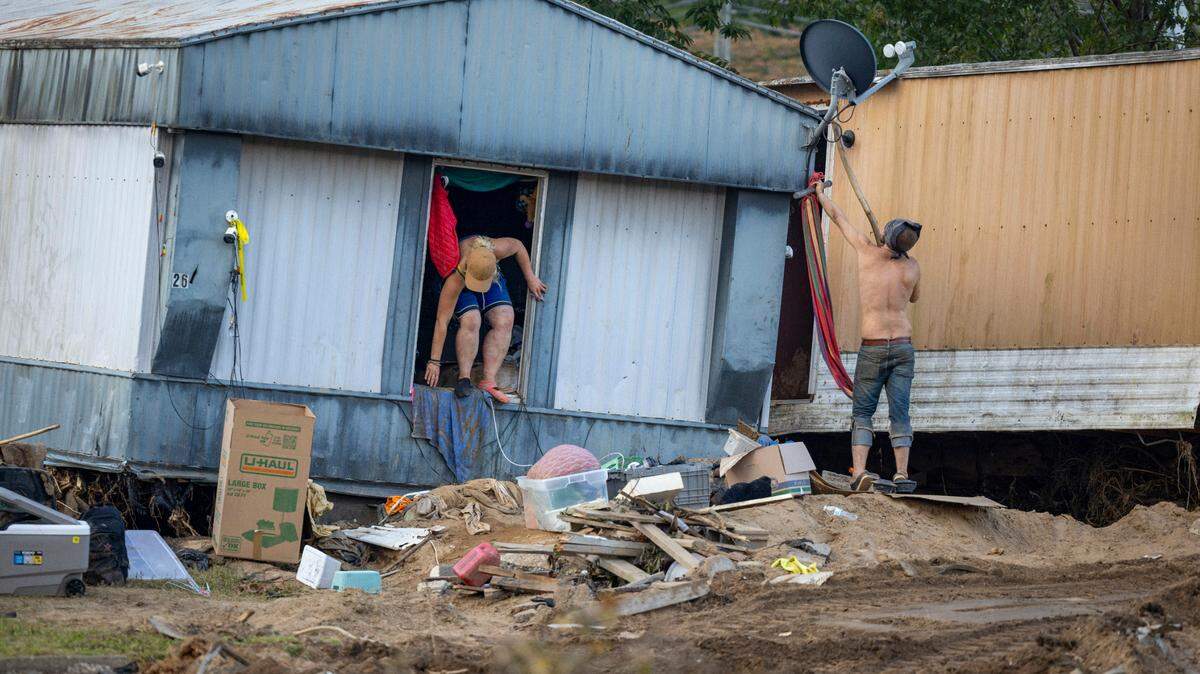
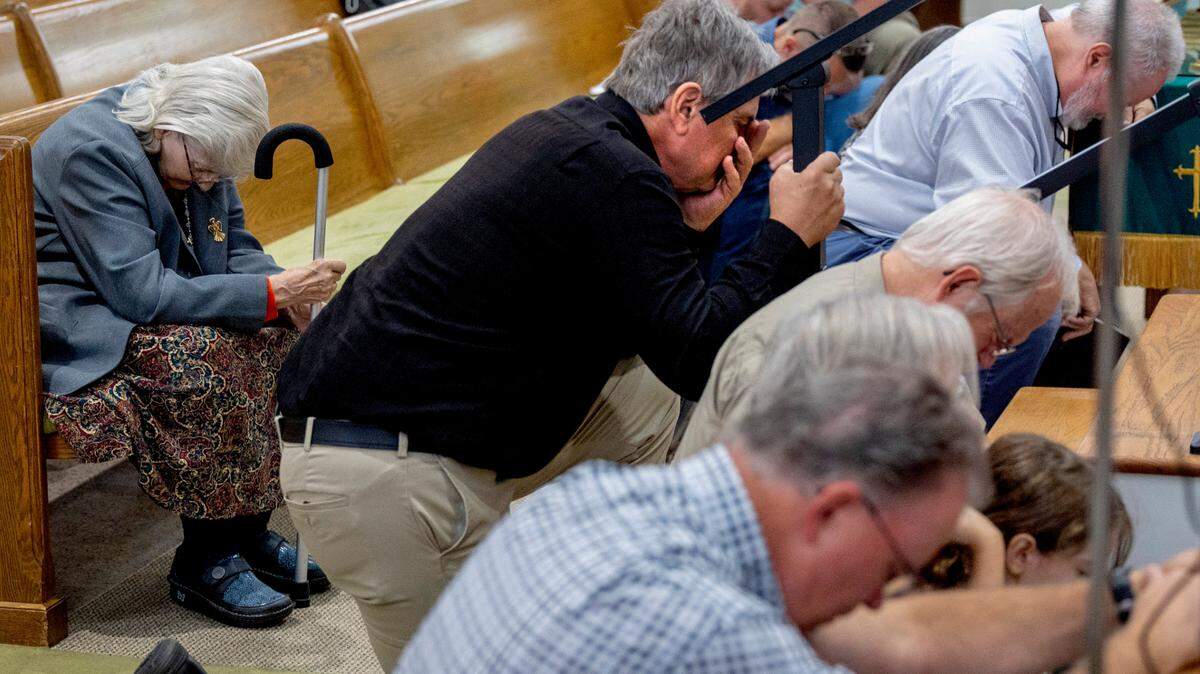
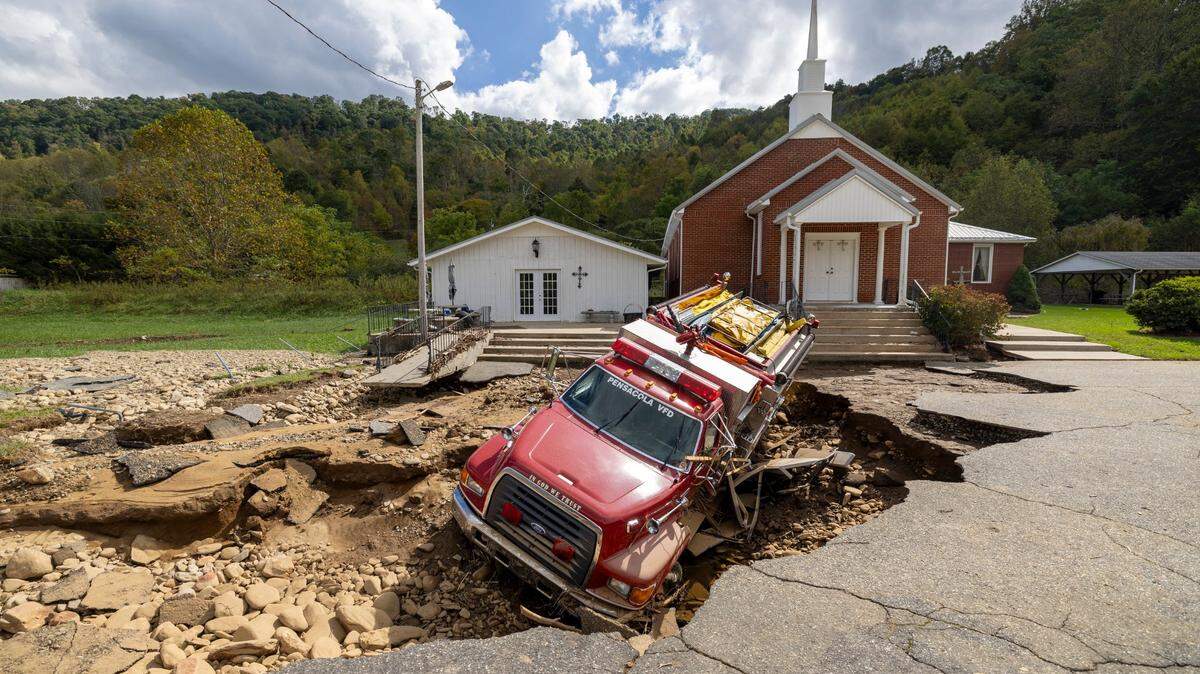
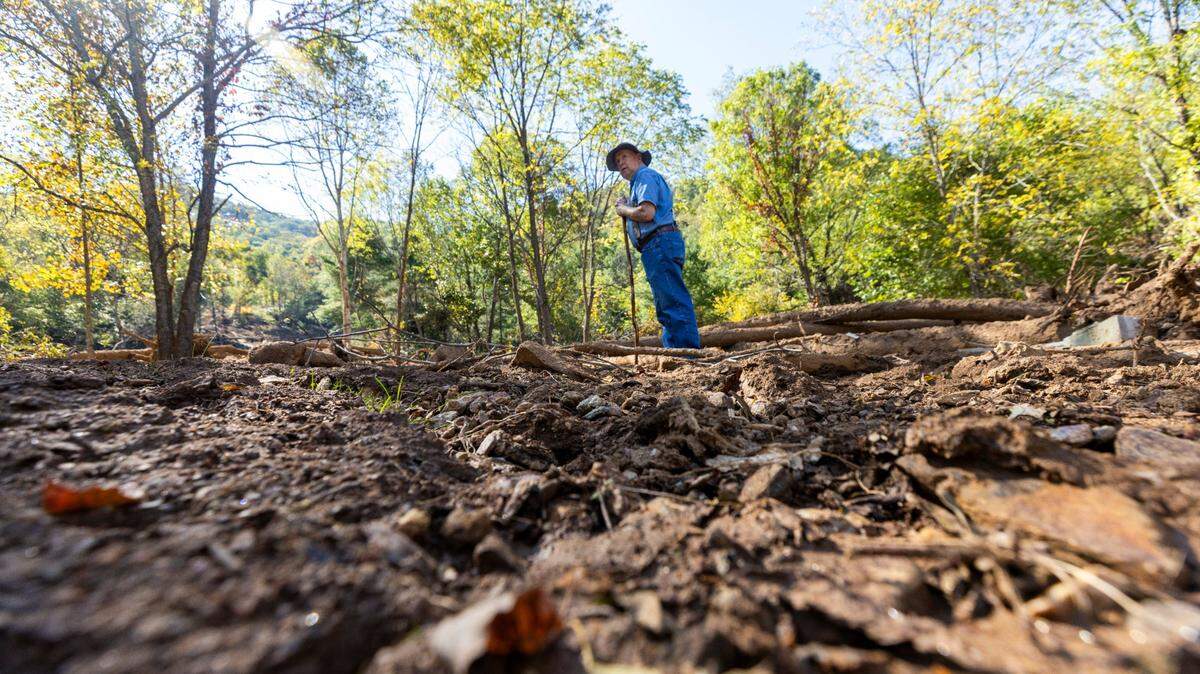
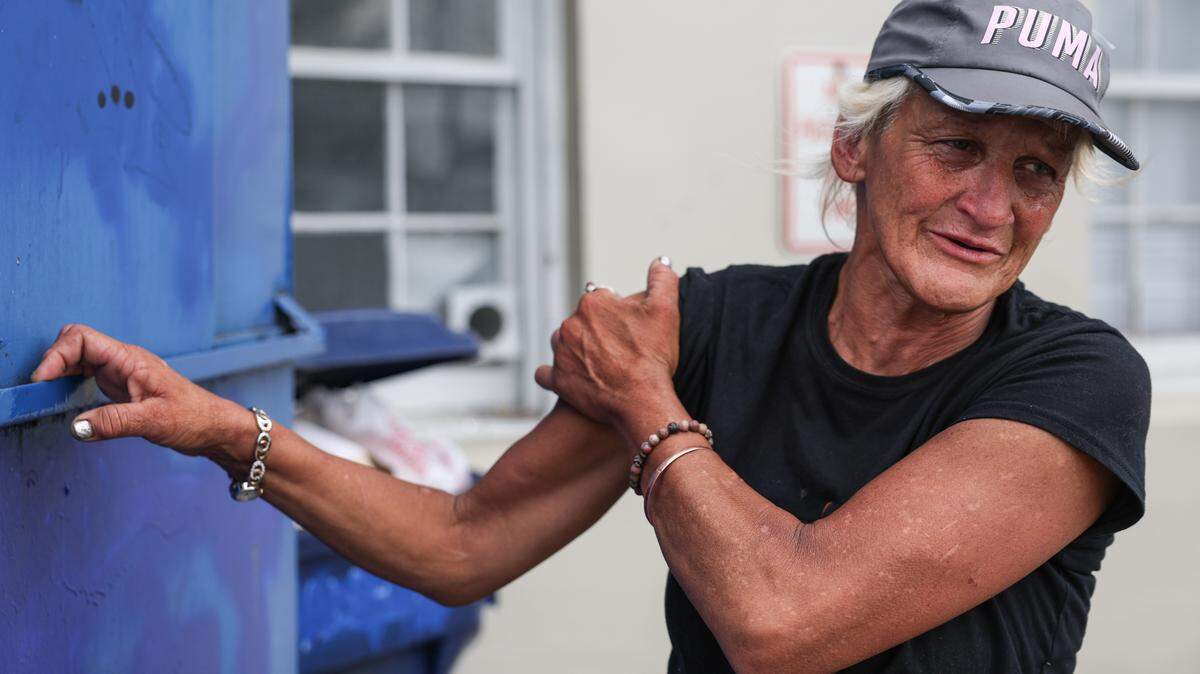
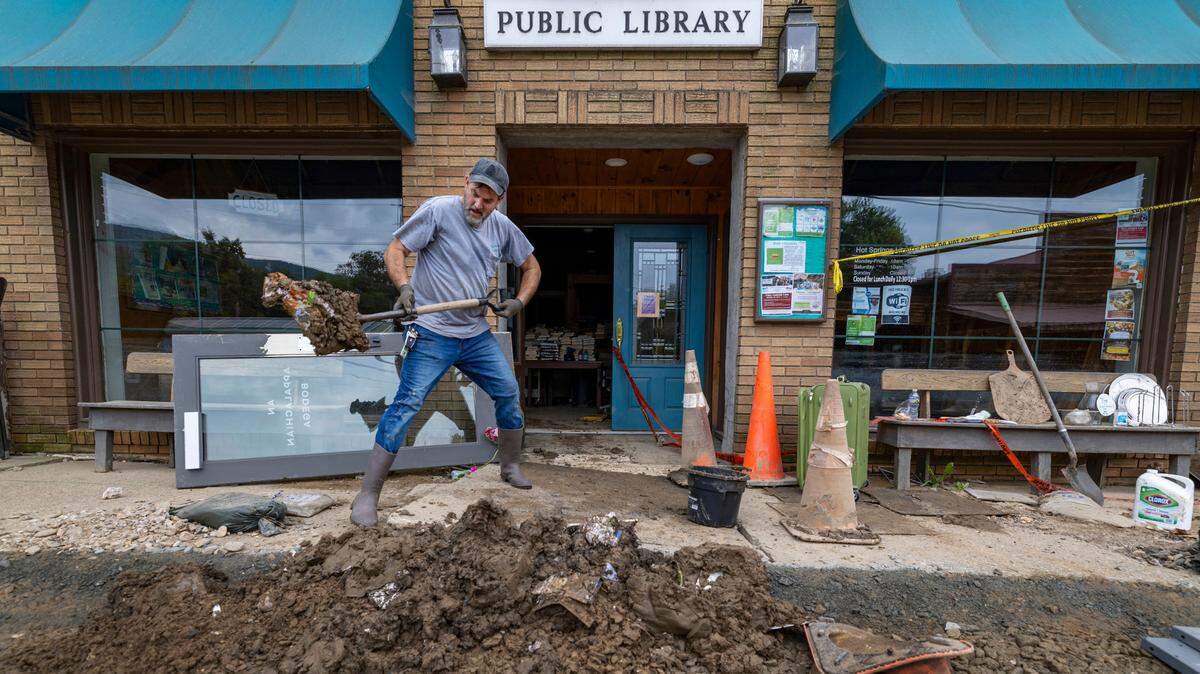
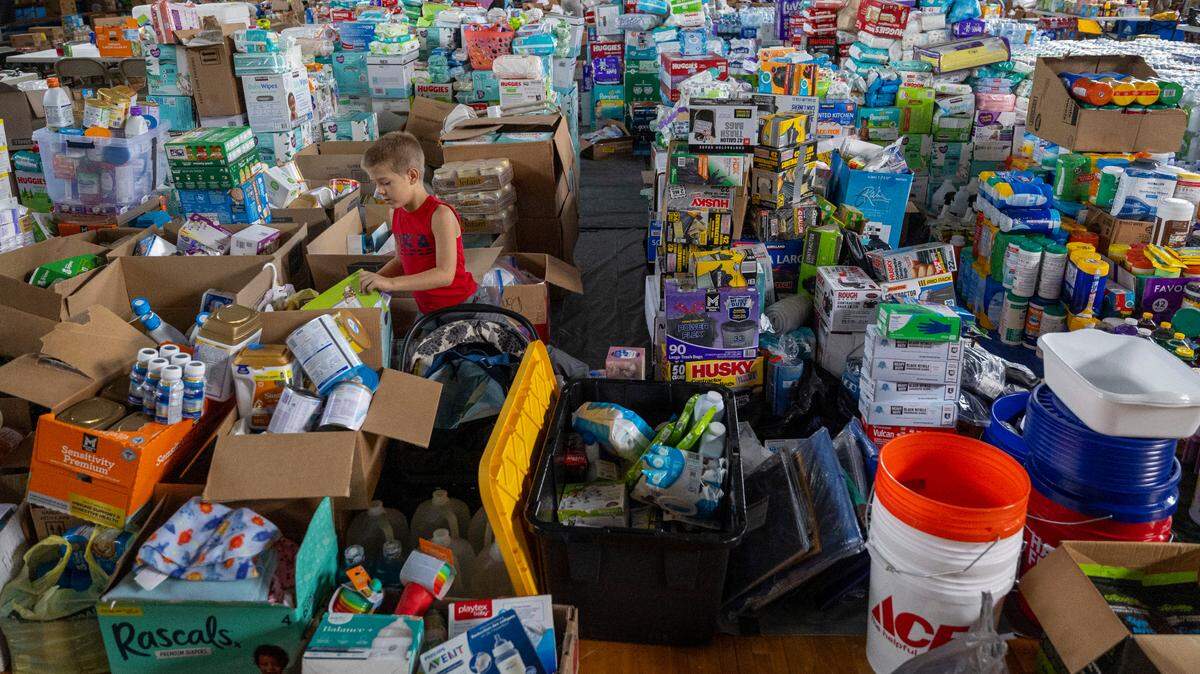
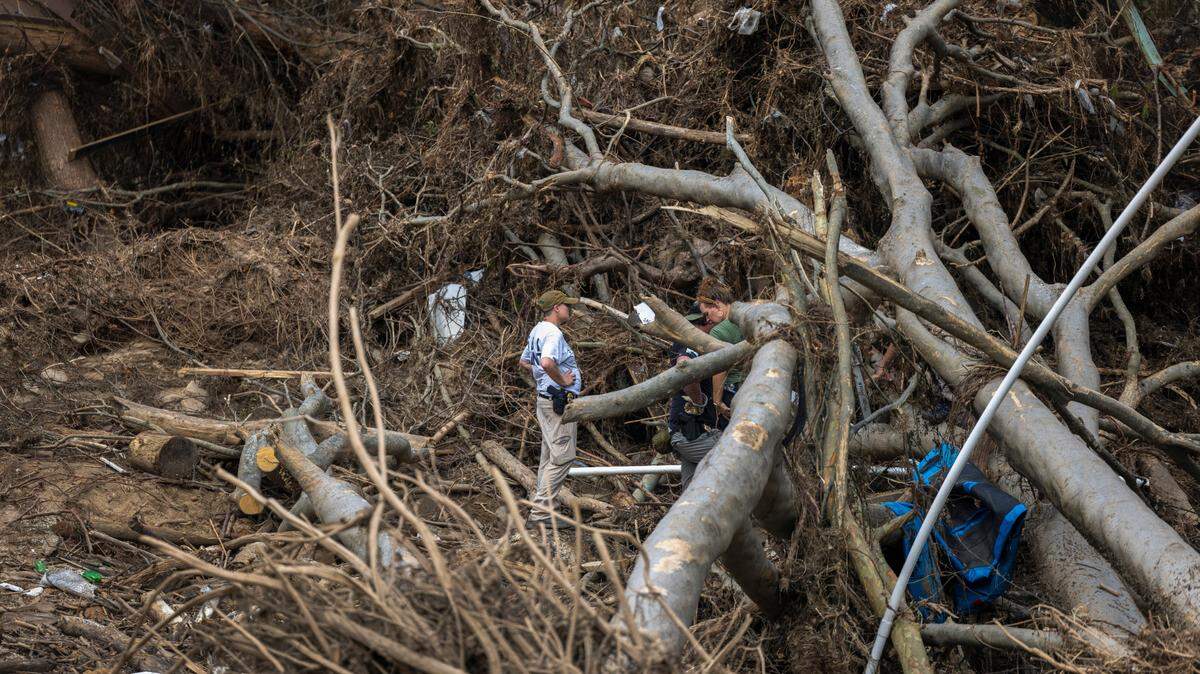
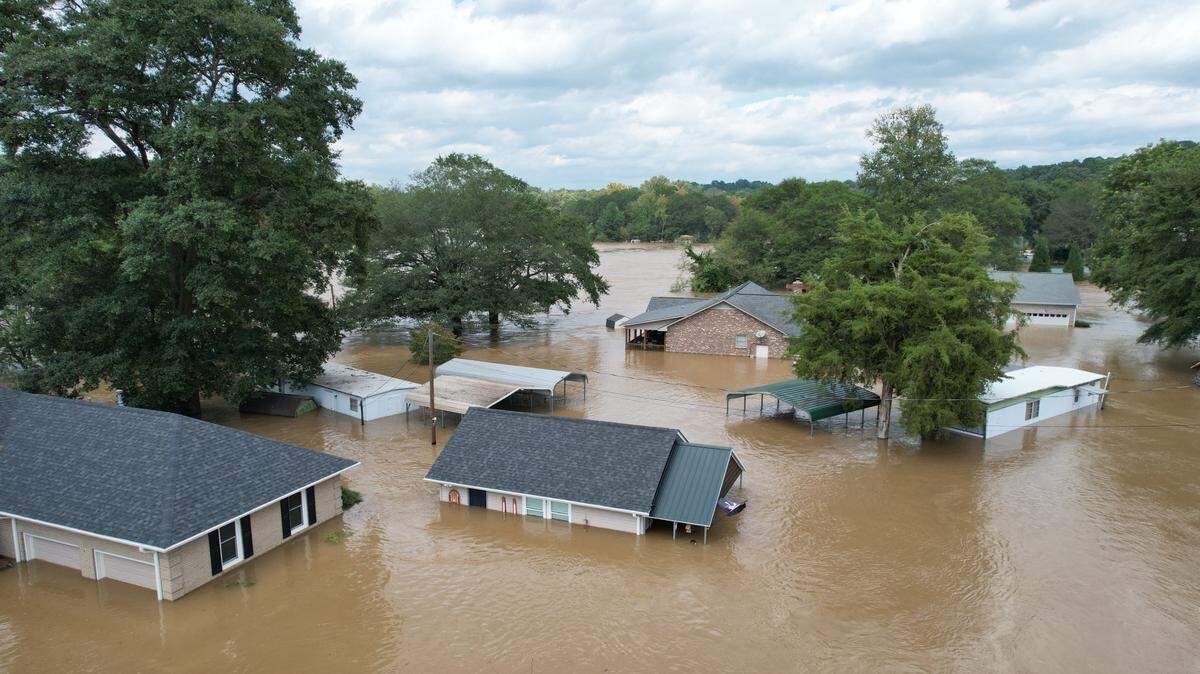
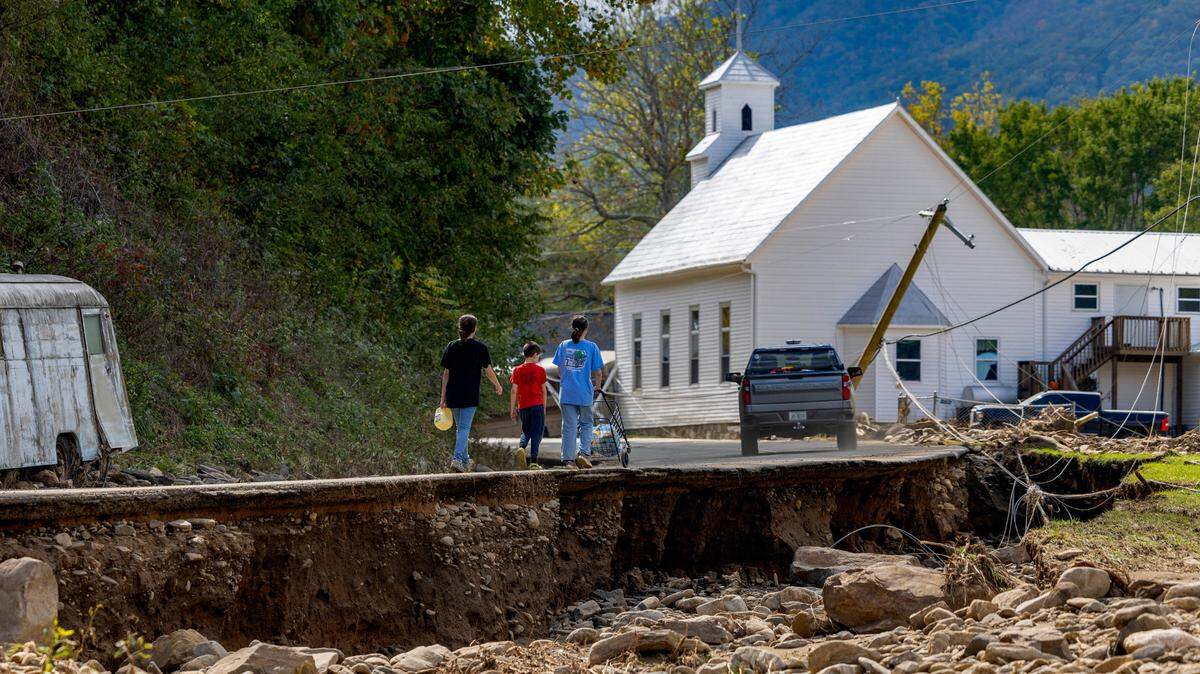
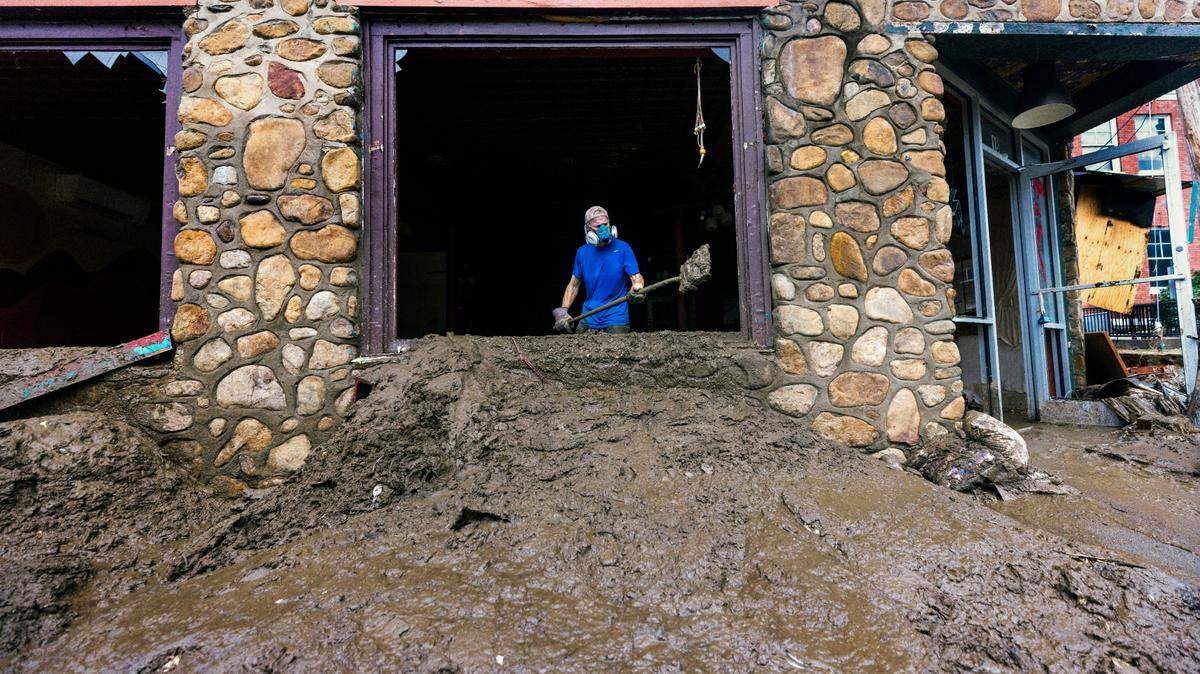
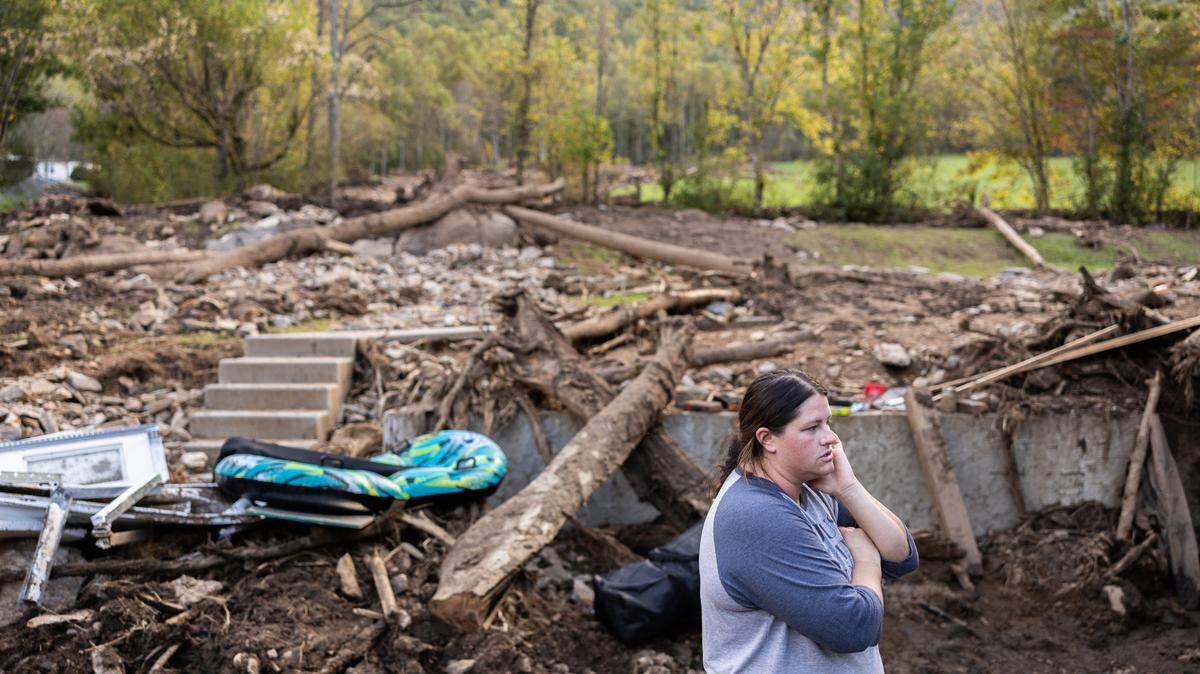
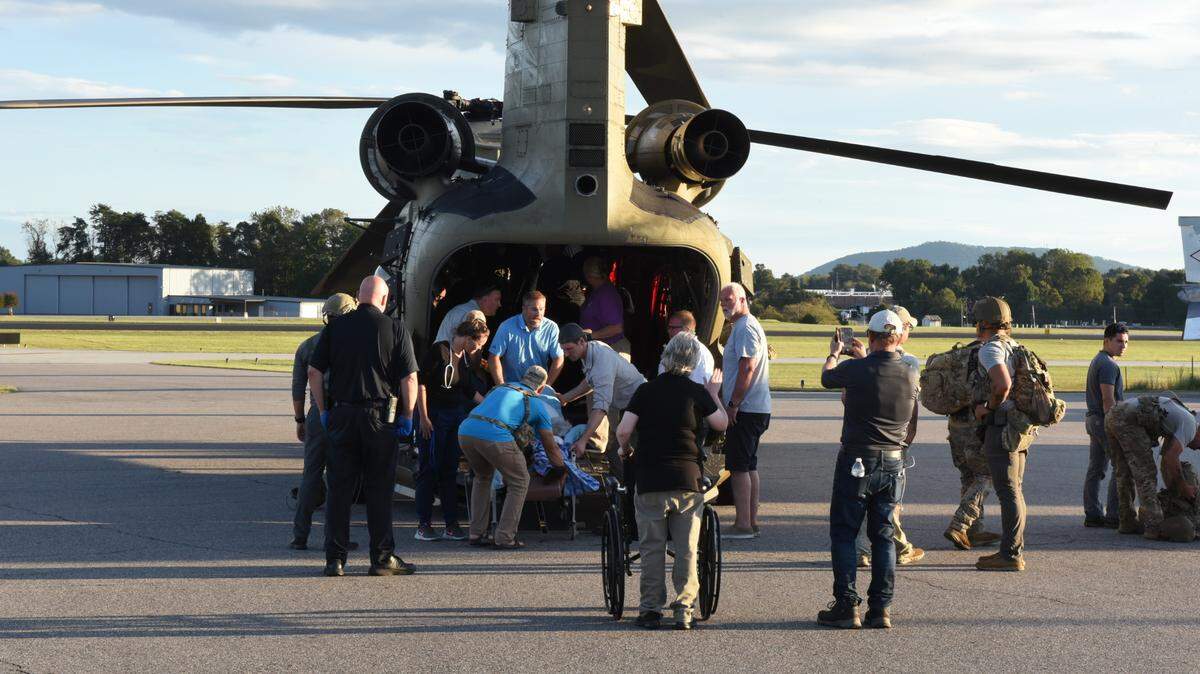
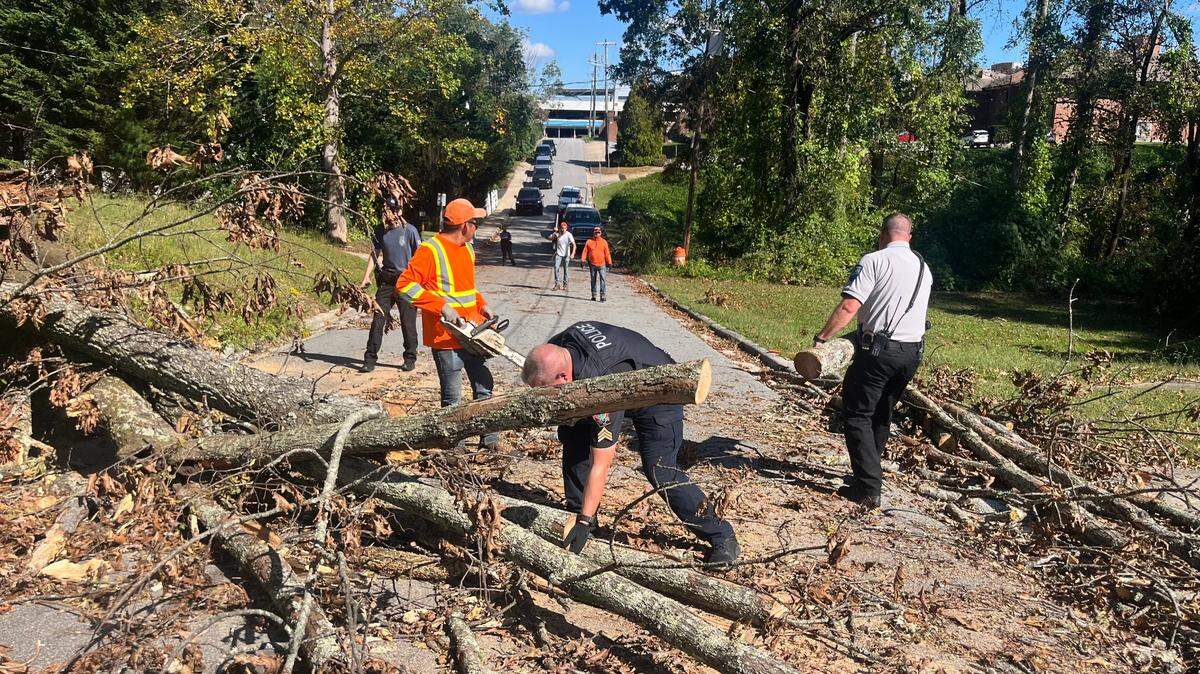
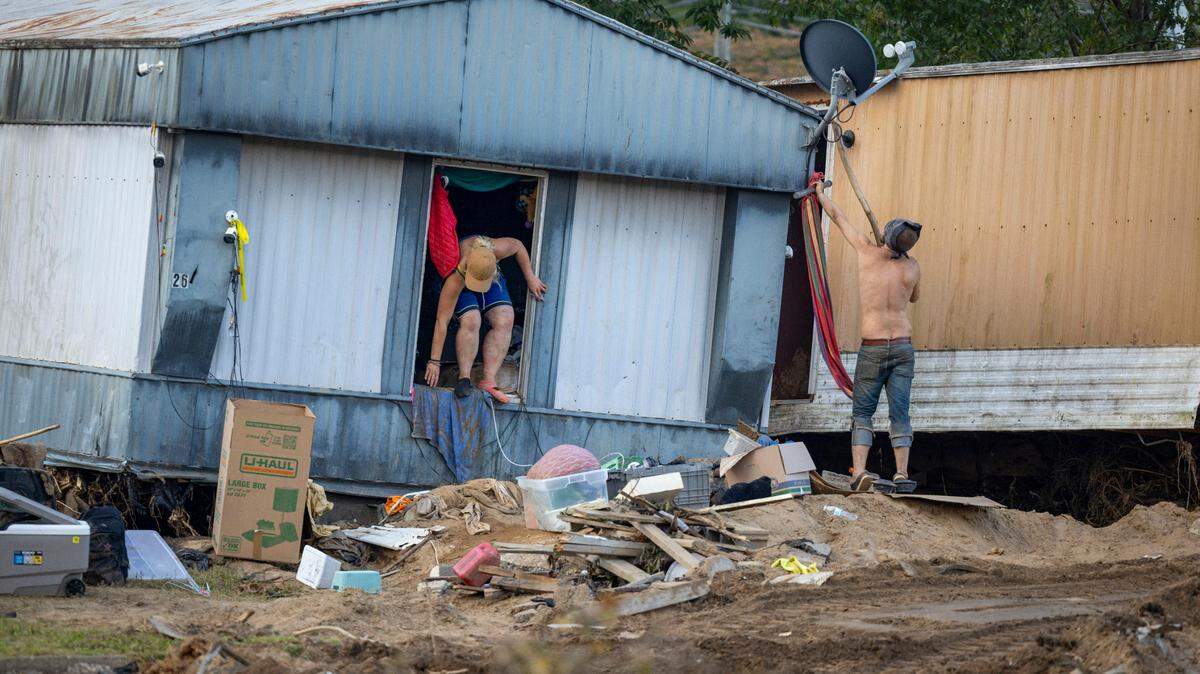
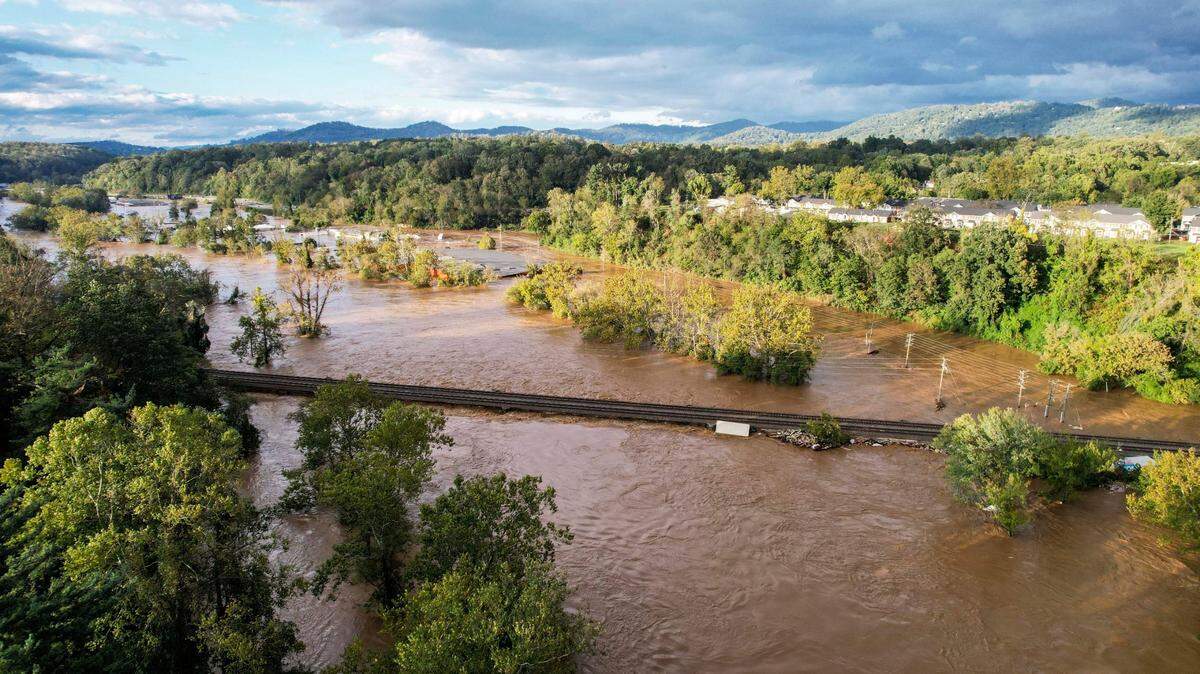
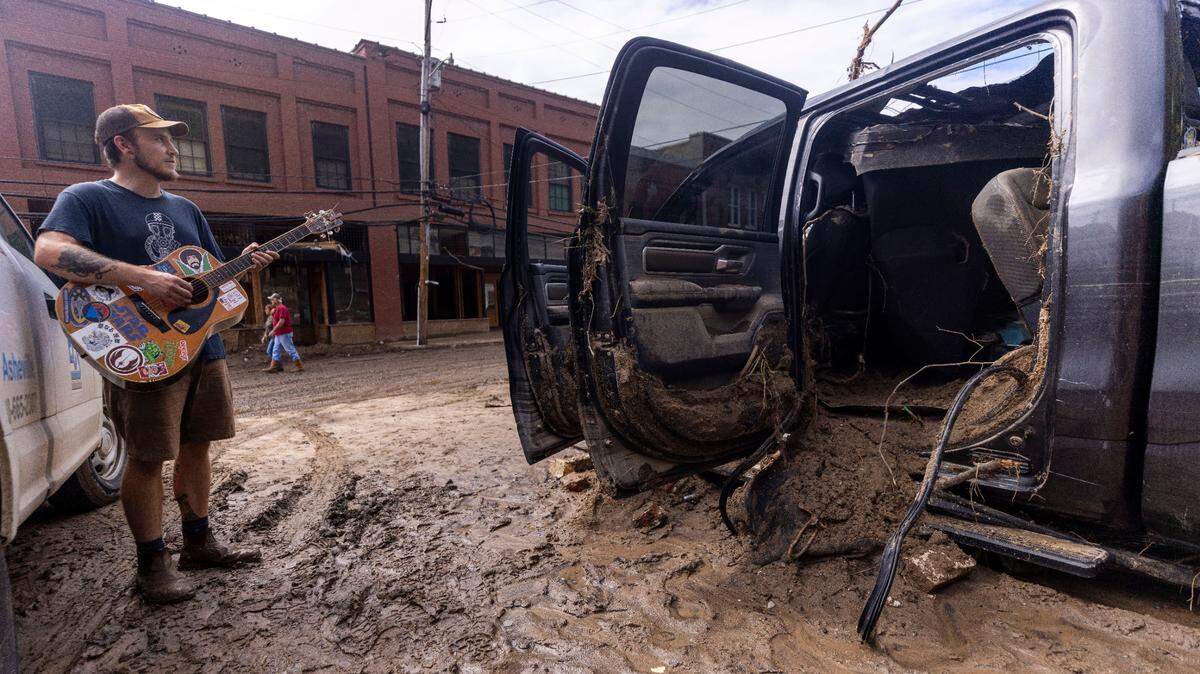
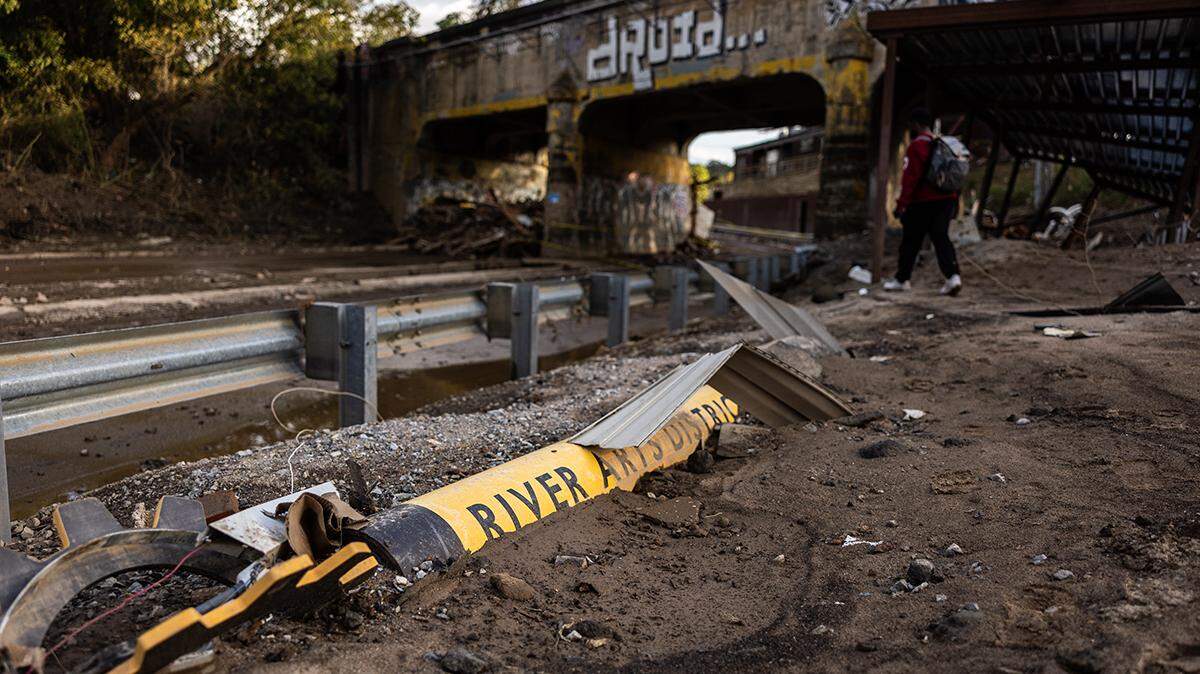
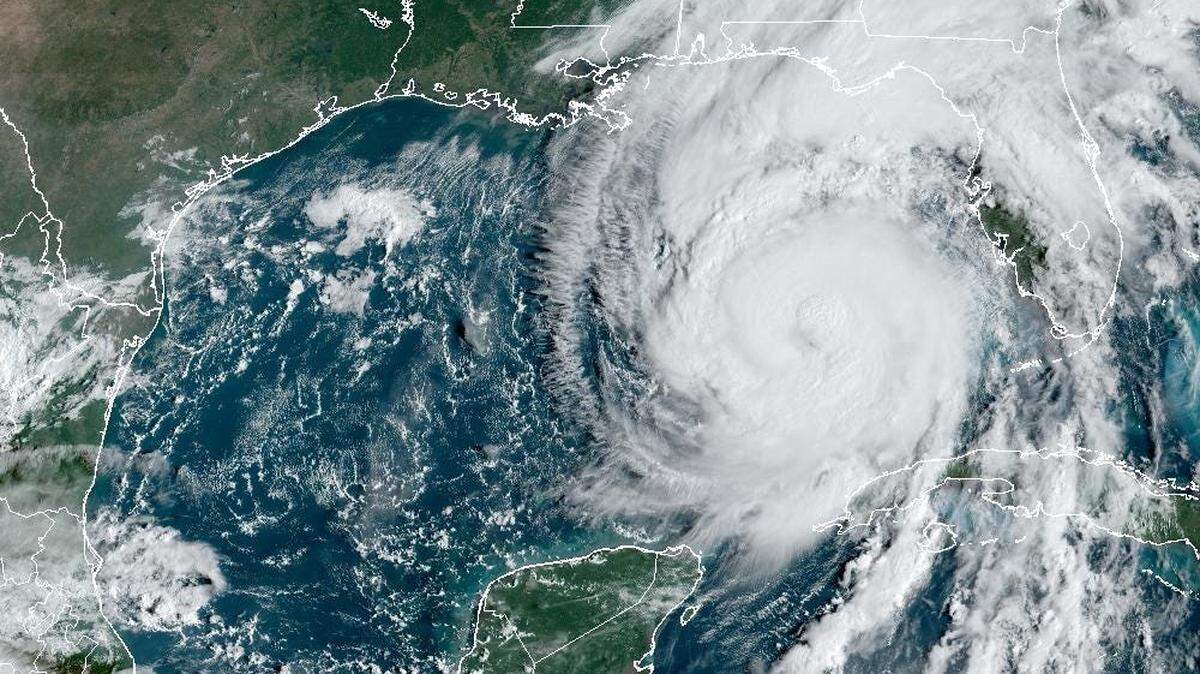
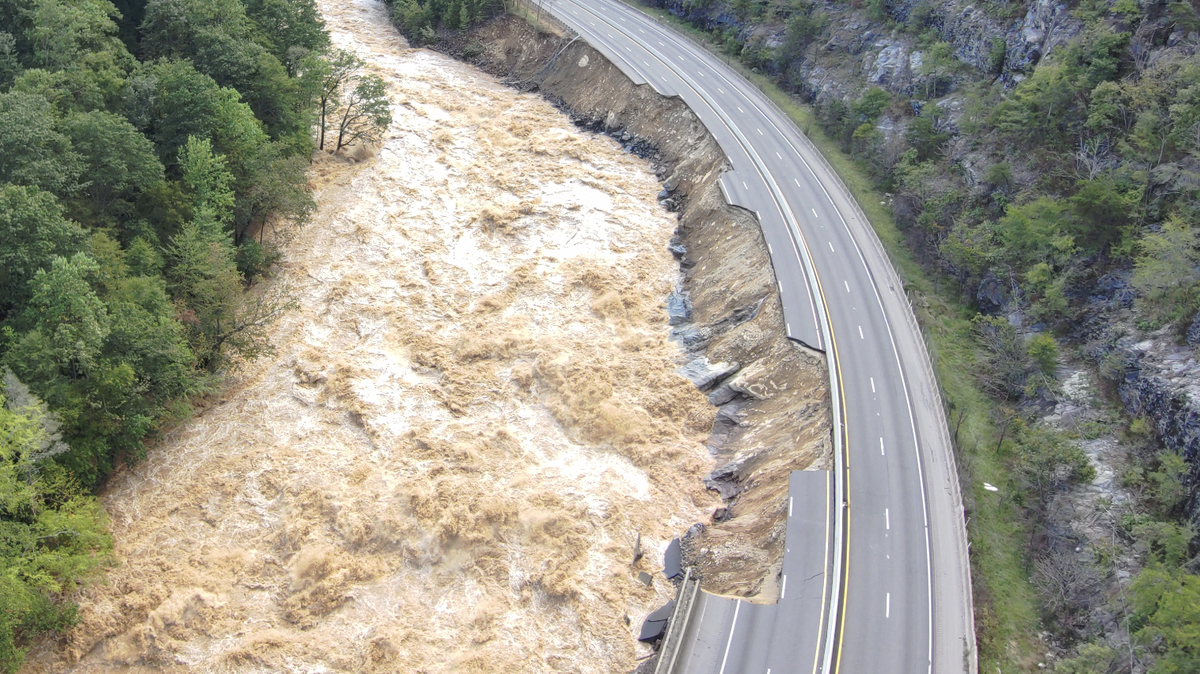
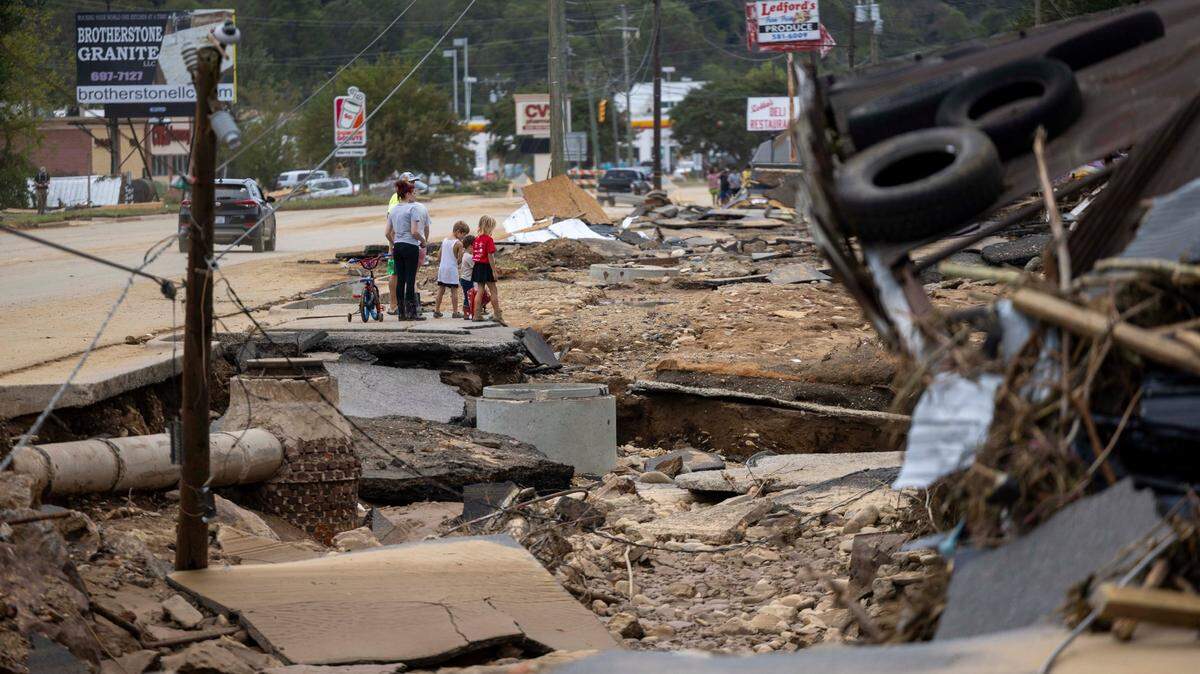
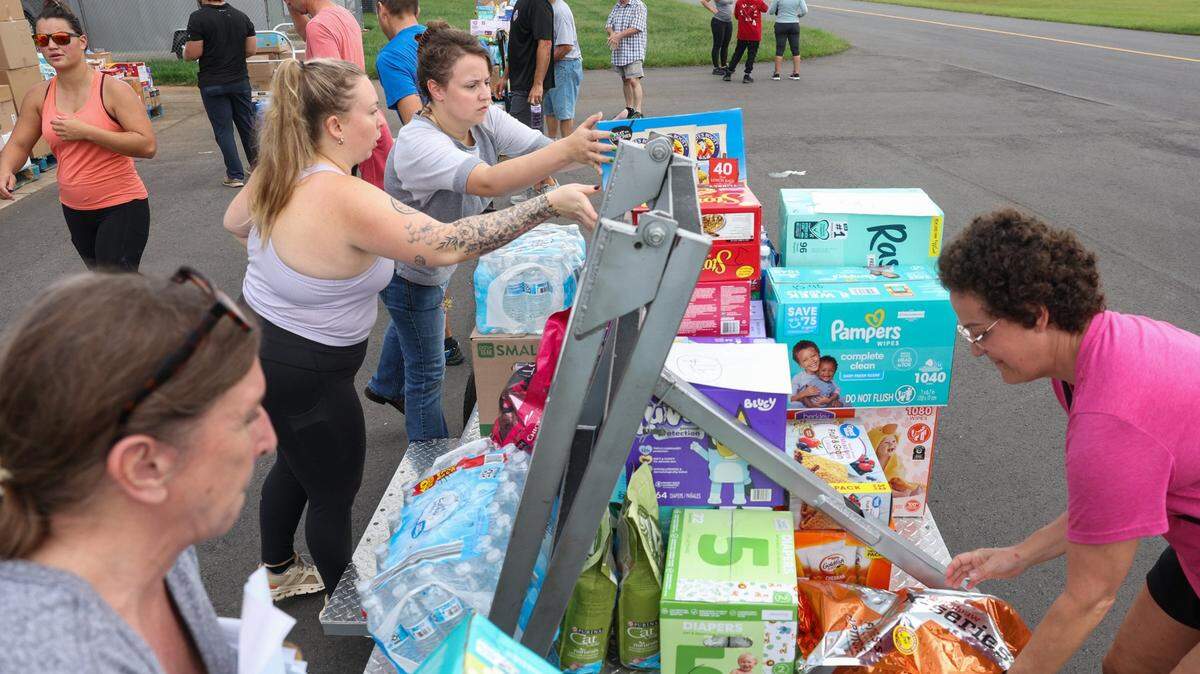
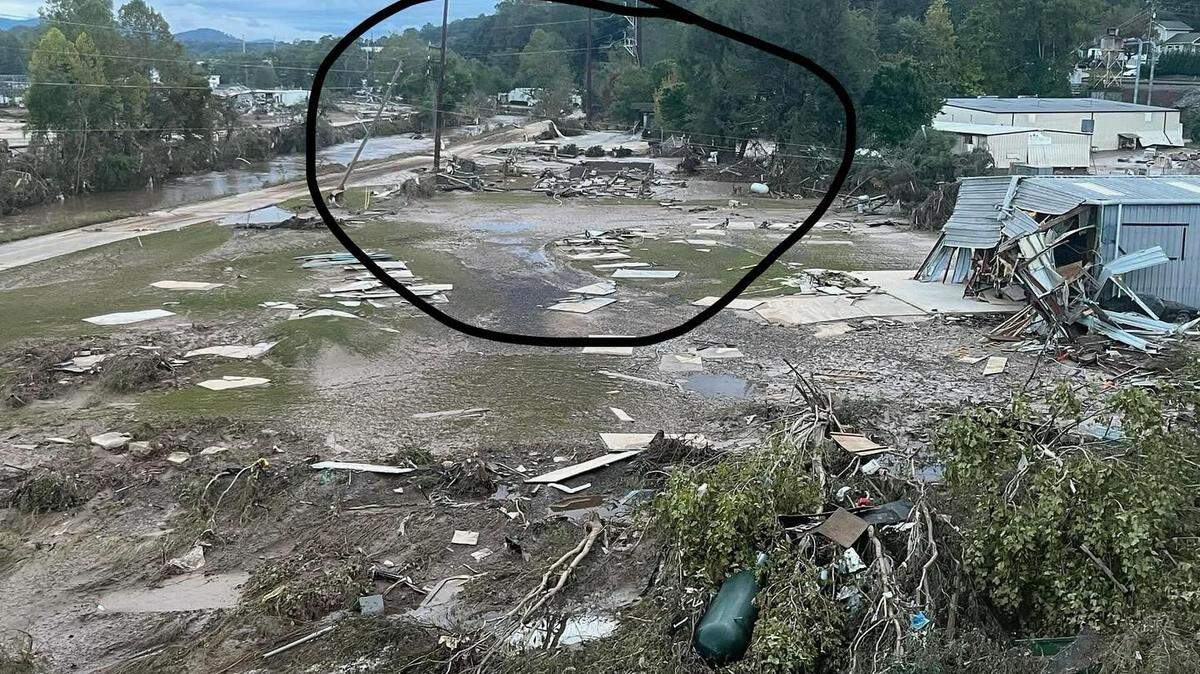
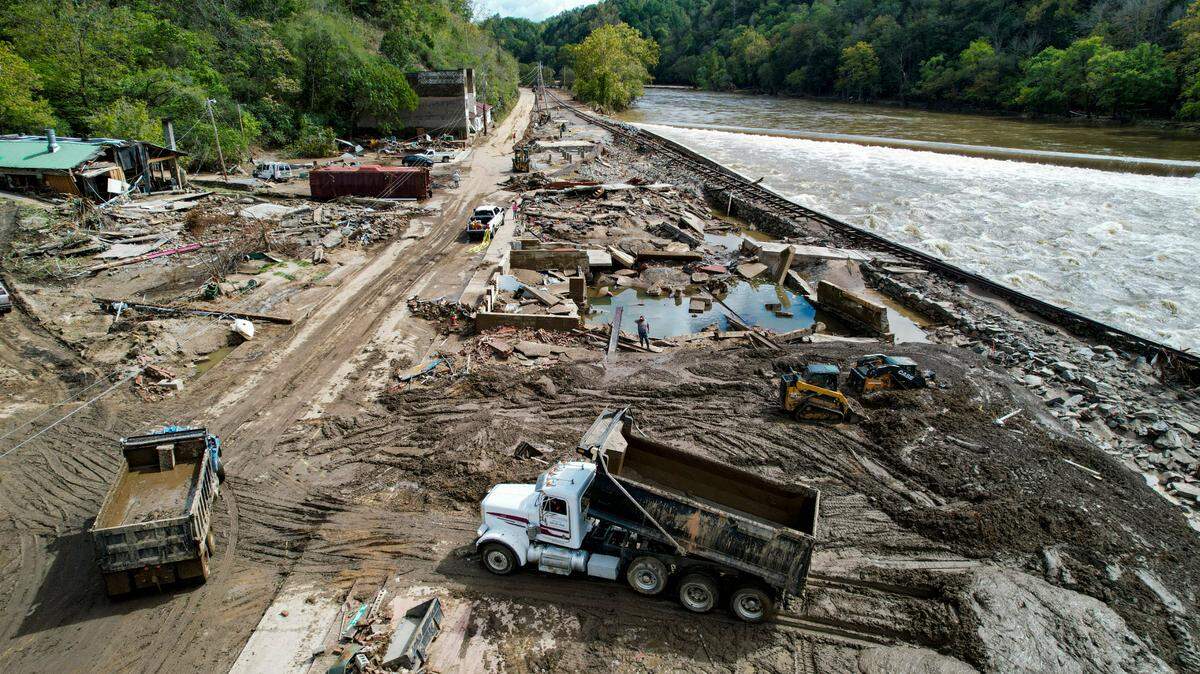
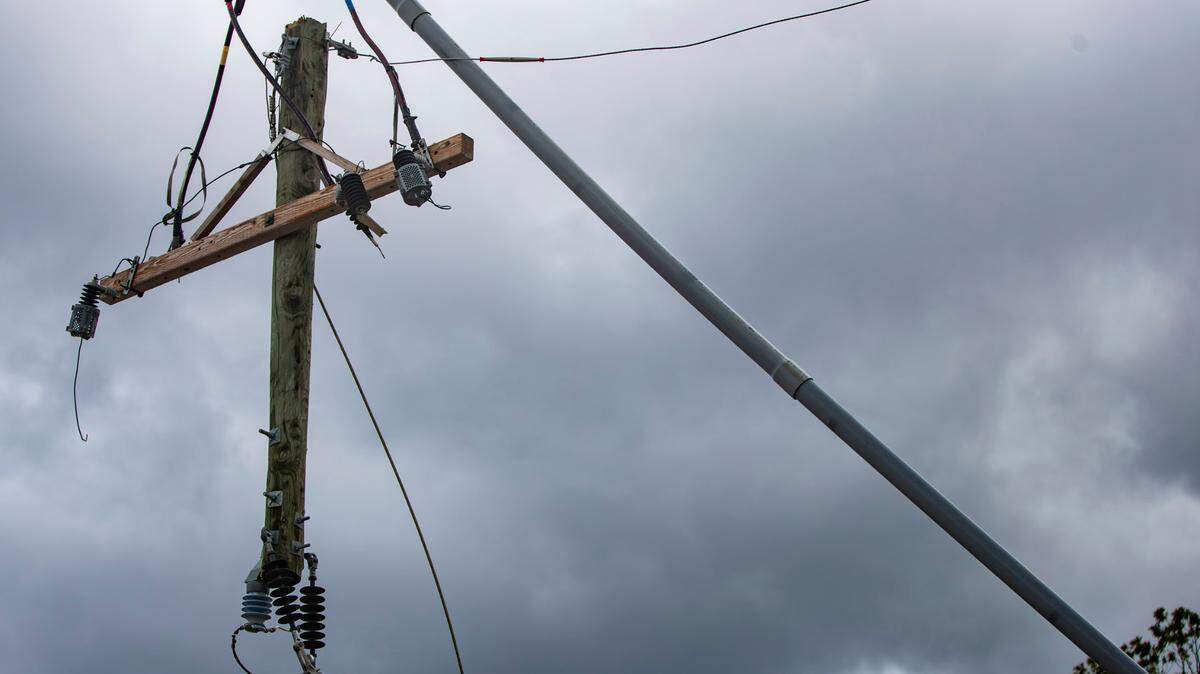
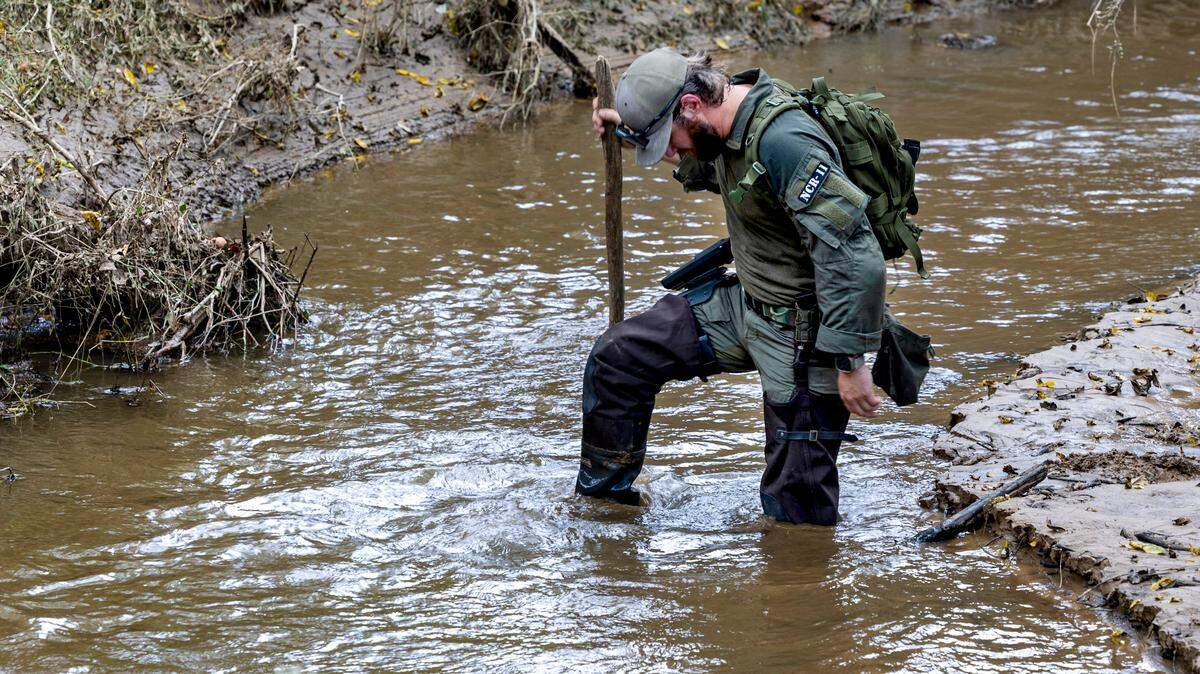
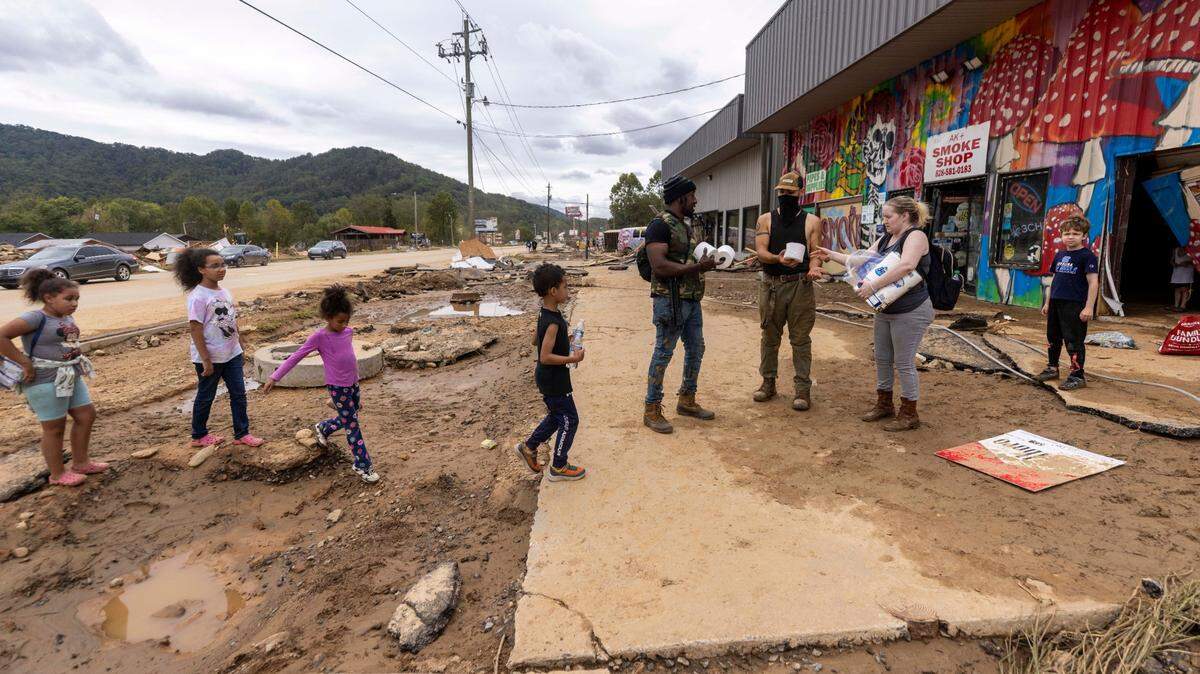
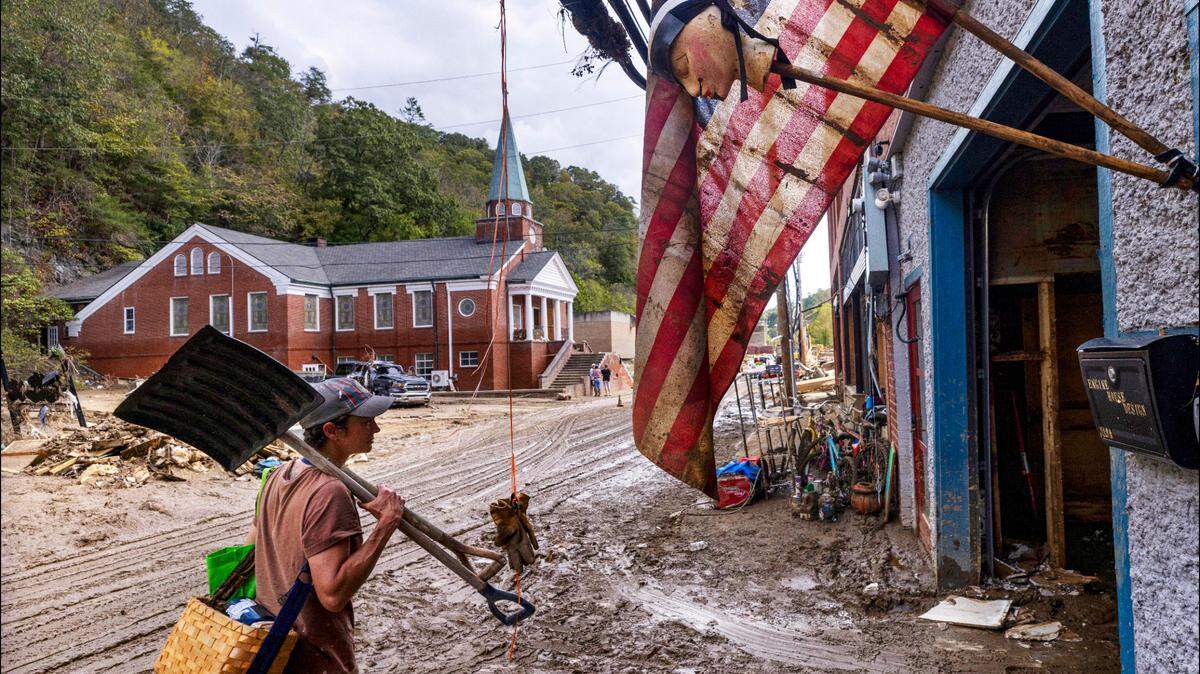
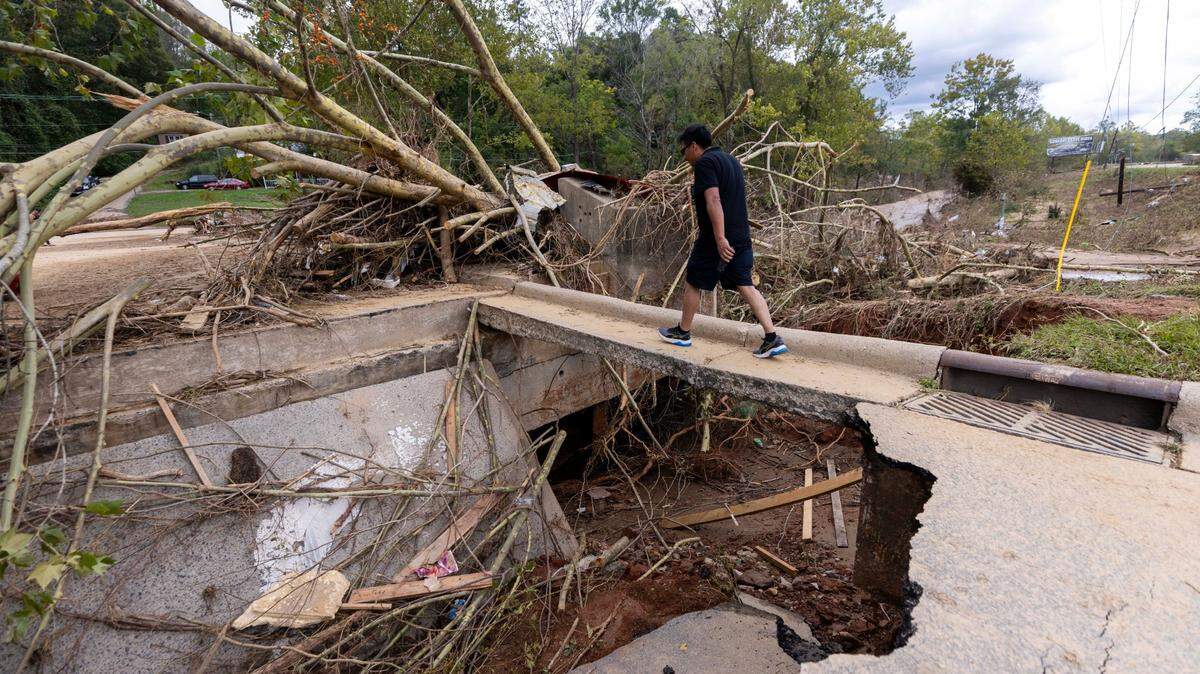
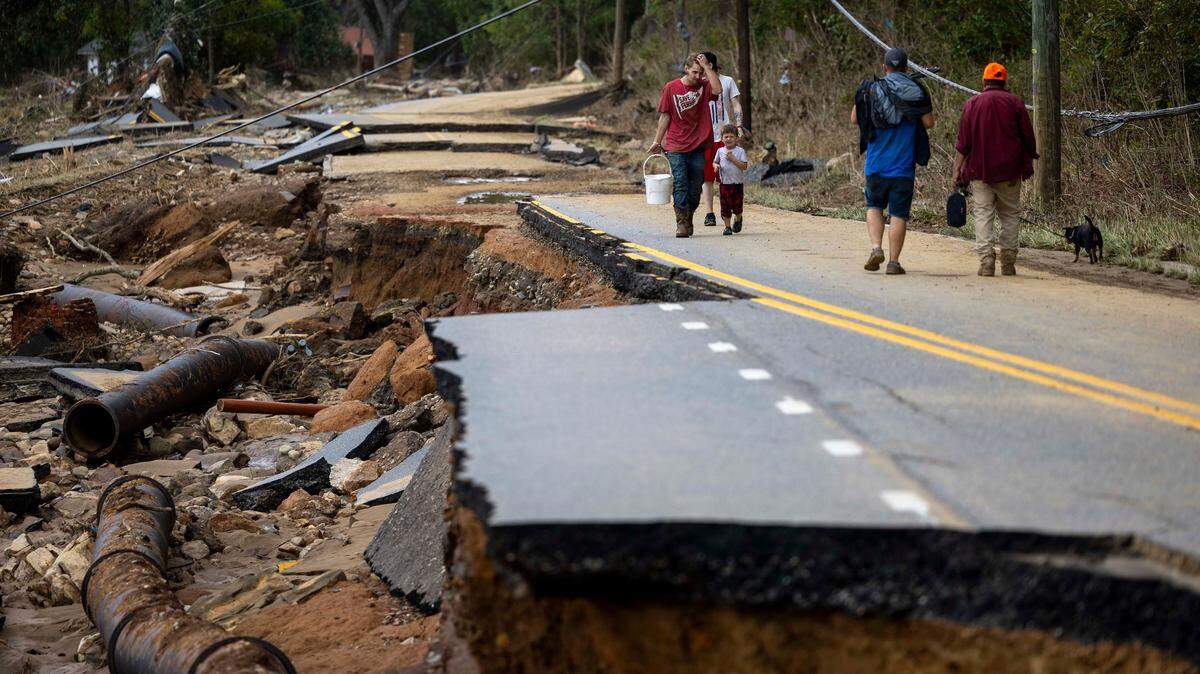
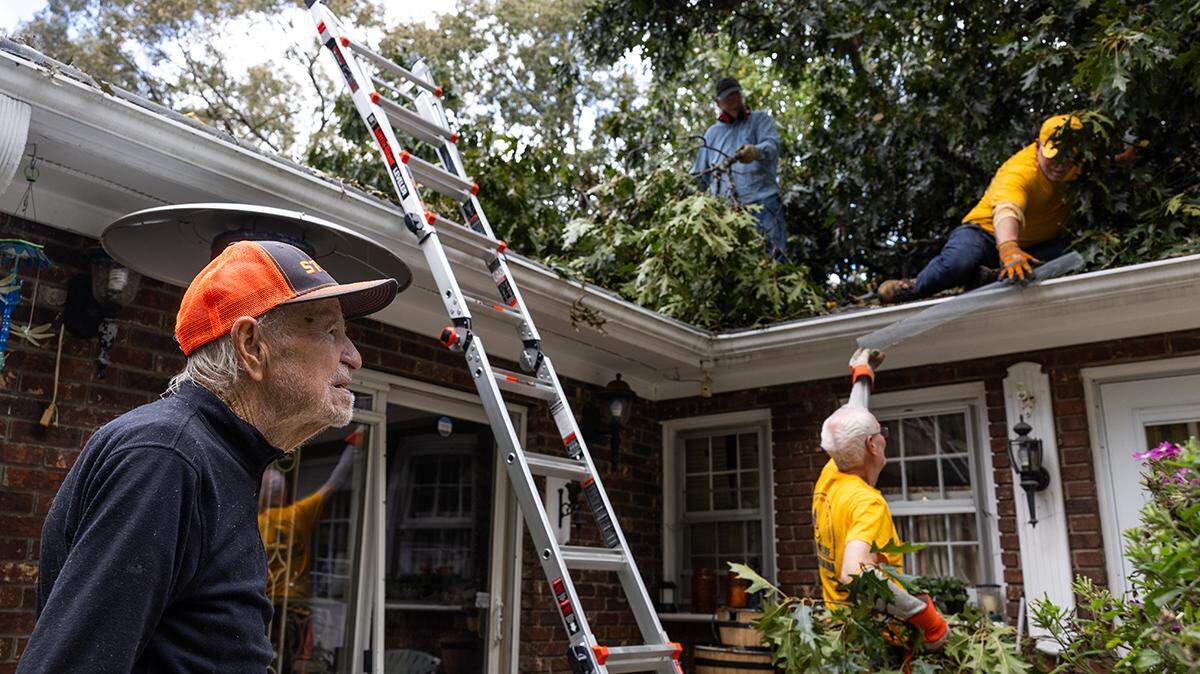
Hurricane Helene swept across the Southeast, causing major flooding and destruction throughout North Carolina. Here is ongoing coverage from The News & Observer and The Charlotte Observer about Hurricane Helene and the aftermath, particularly in Western North Carolina.
Expand All
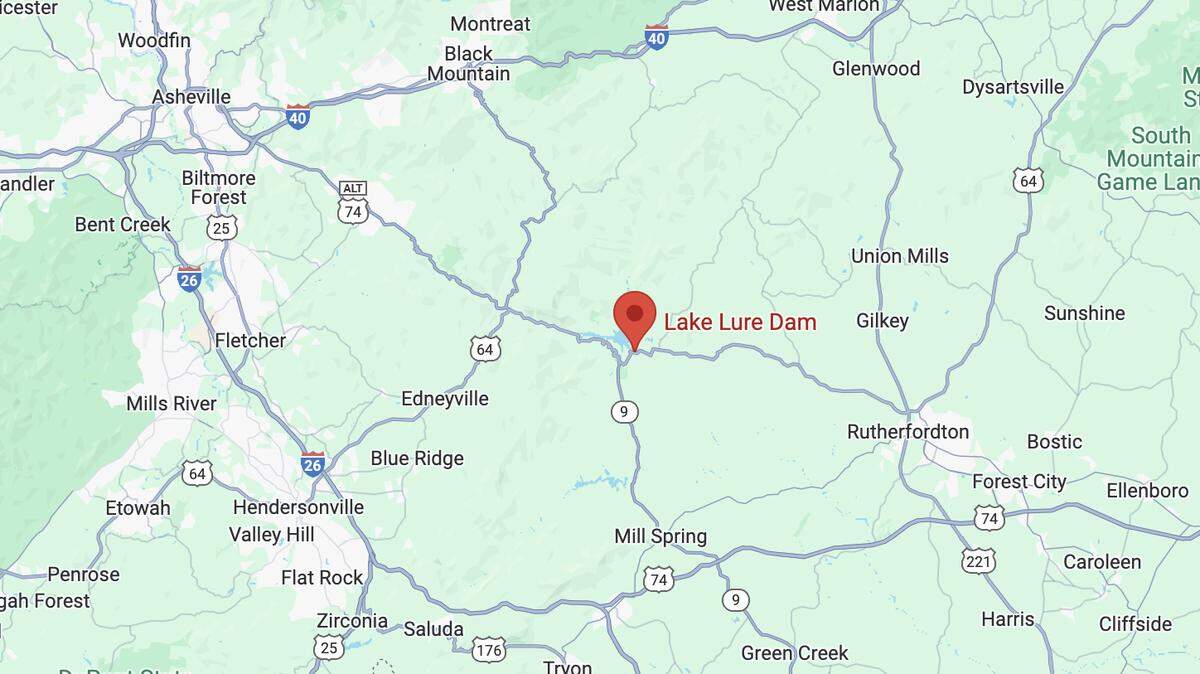
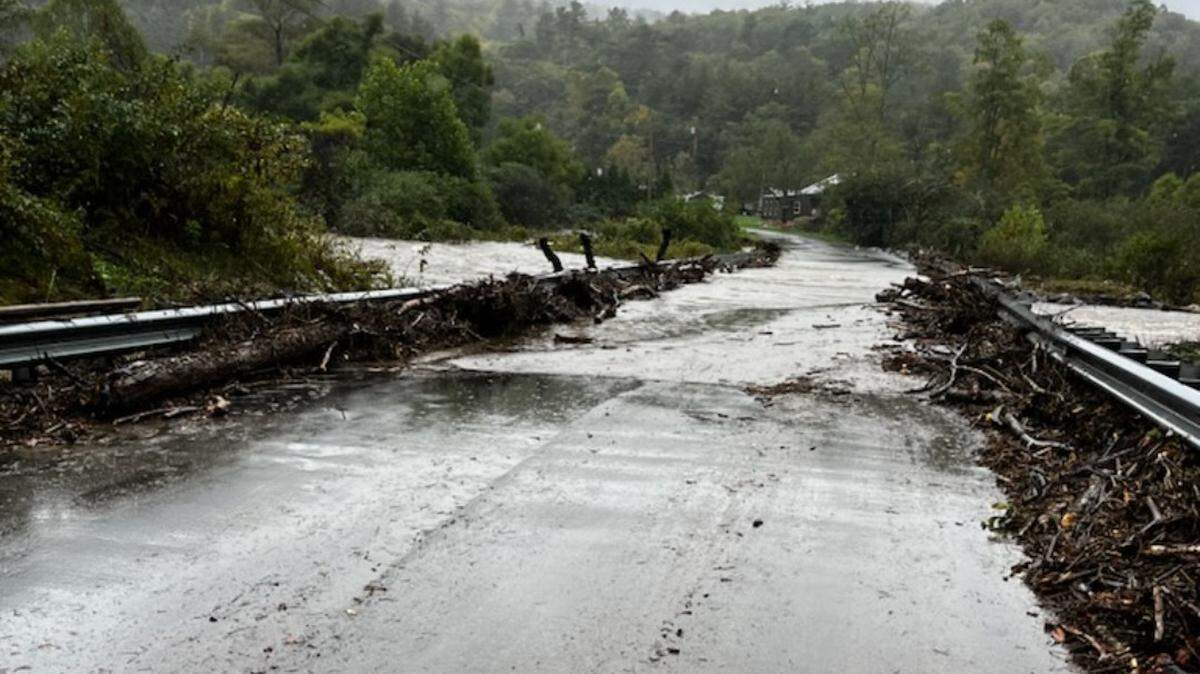
The National Weather Service issued a flood watch Friday morning as Hurricane Helene rips through North Carolina, which could lead to landslides in the western part of the state.
The storm system is expected to bring up to six inches of rain to the mountains and wind gusts of up to 70 miles per hour to the area Friday, the alert says.
More rain is possible in some areas, which could heighten the risk of landslides, according to the NWS.
“Typically, when we have a total rainfall in excess of five inches, that’s when we think a few landslides are likely to occur,” Jake Wimberly, a forecaster at the National Weather Service office in Greer, previously told the Observer, adding that landslides are more common in mountainous areas.
If you’re in an area susceptible to landslides, here’s what you need to know.
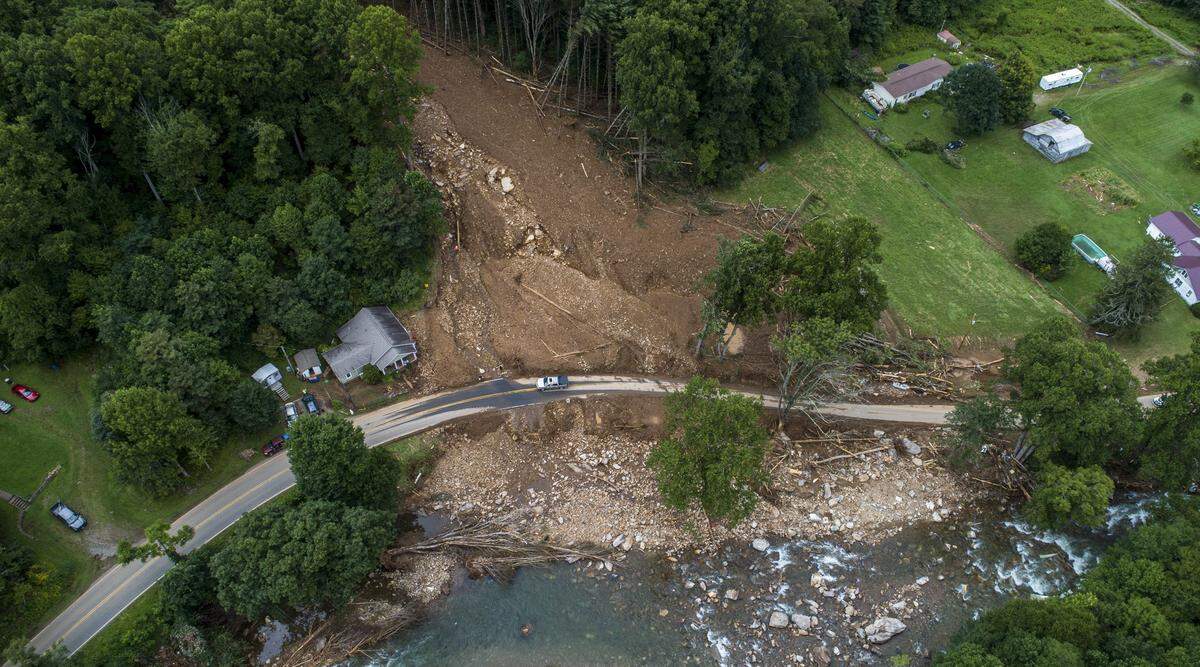
What is a landslide?
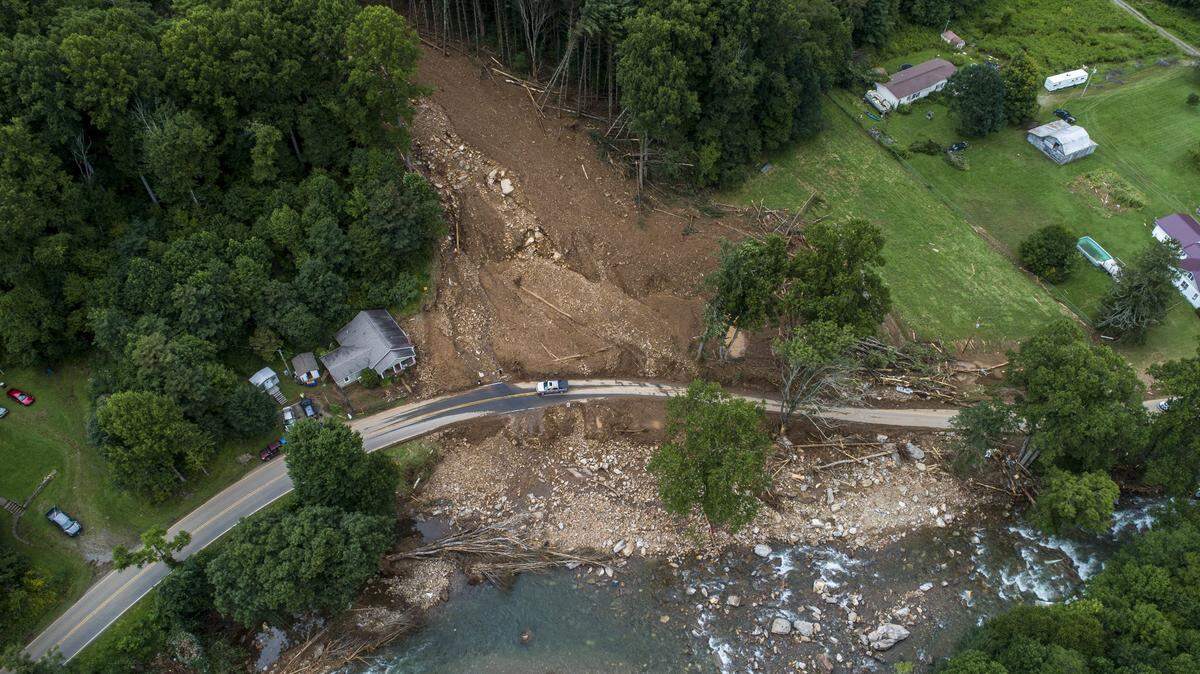
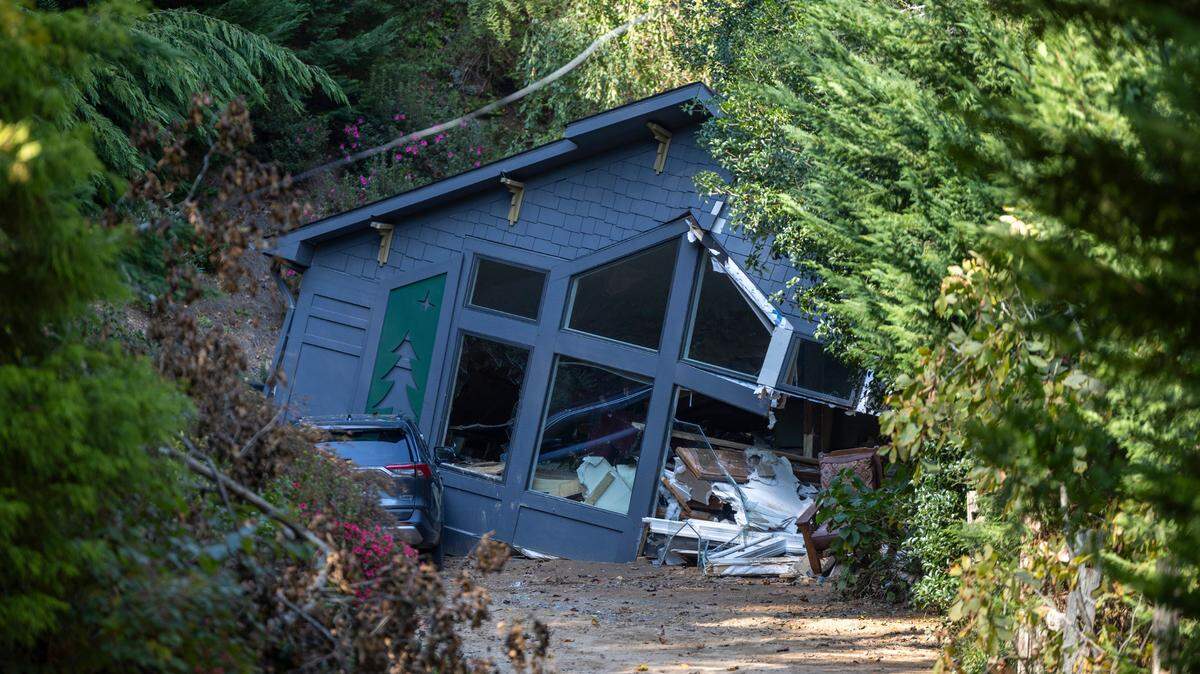
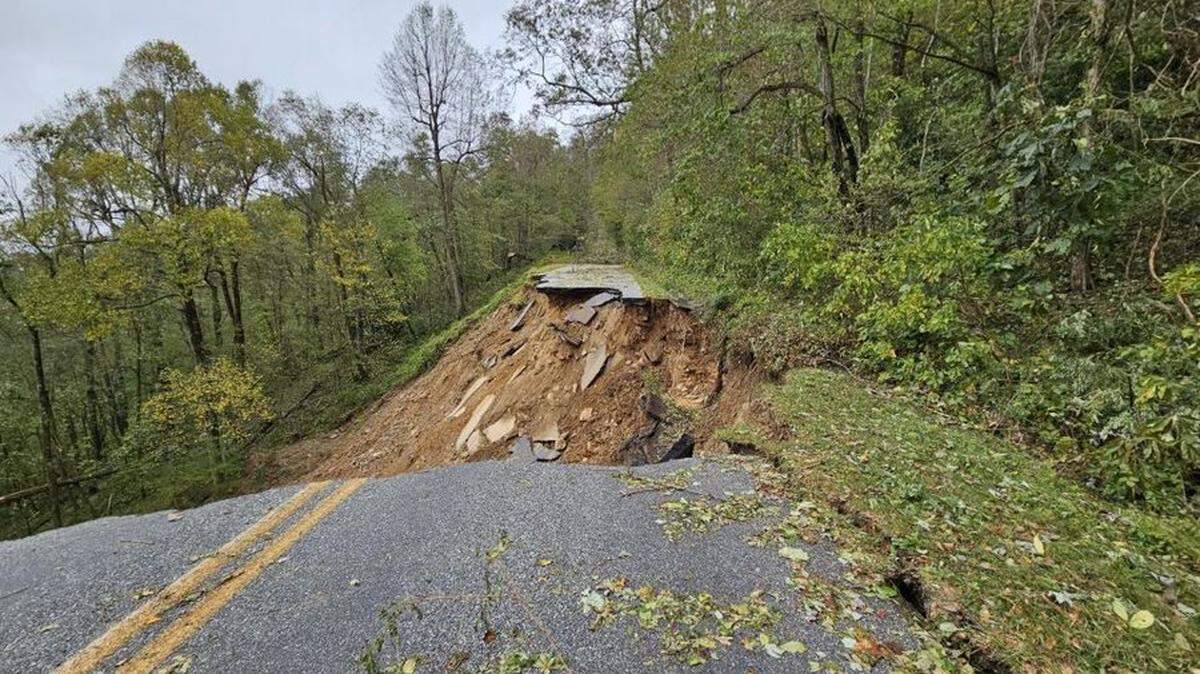
According to the U.S. Geological Survey, “a landslide is defined as the movement of a mass of rock, debris, or earth down a slope.”
Landslides can be triggered by many things, including excess rainfall, and are likely to occur on or at the base of slopes, the USGS says.
What are the warning signs of a landslide?
According to the USGS, landslide warning signs include:
Springs, seeps, or saturated ground in areas that have not typically been wet before.
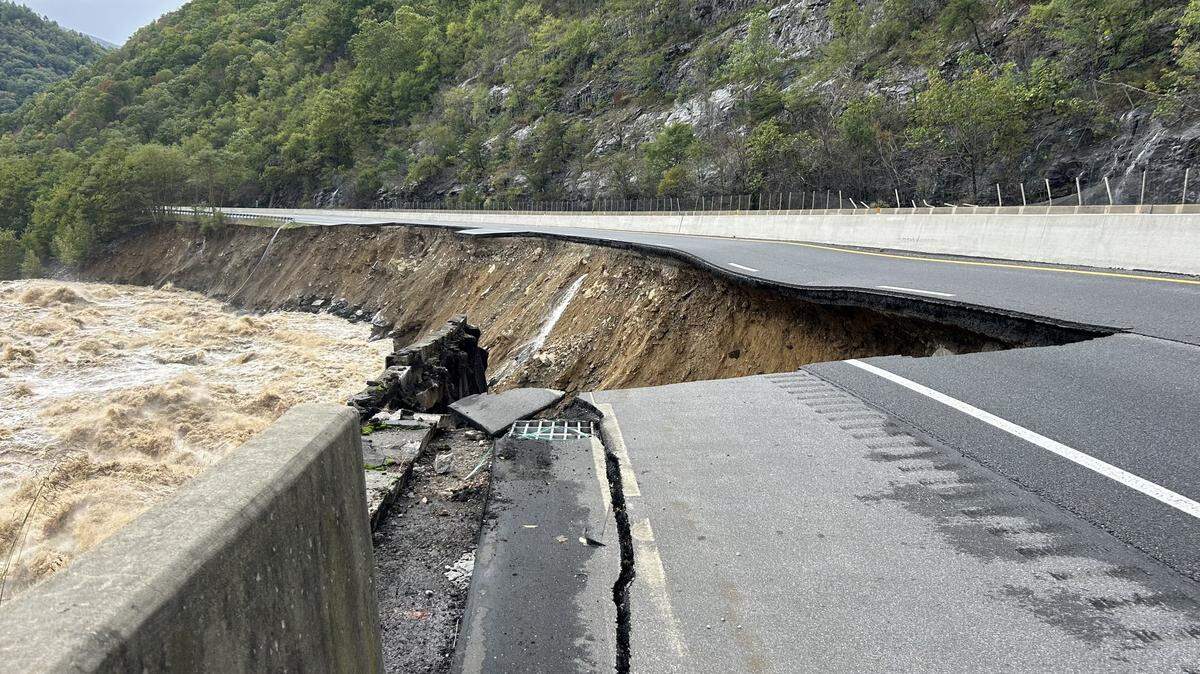
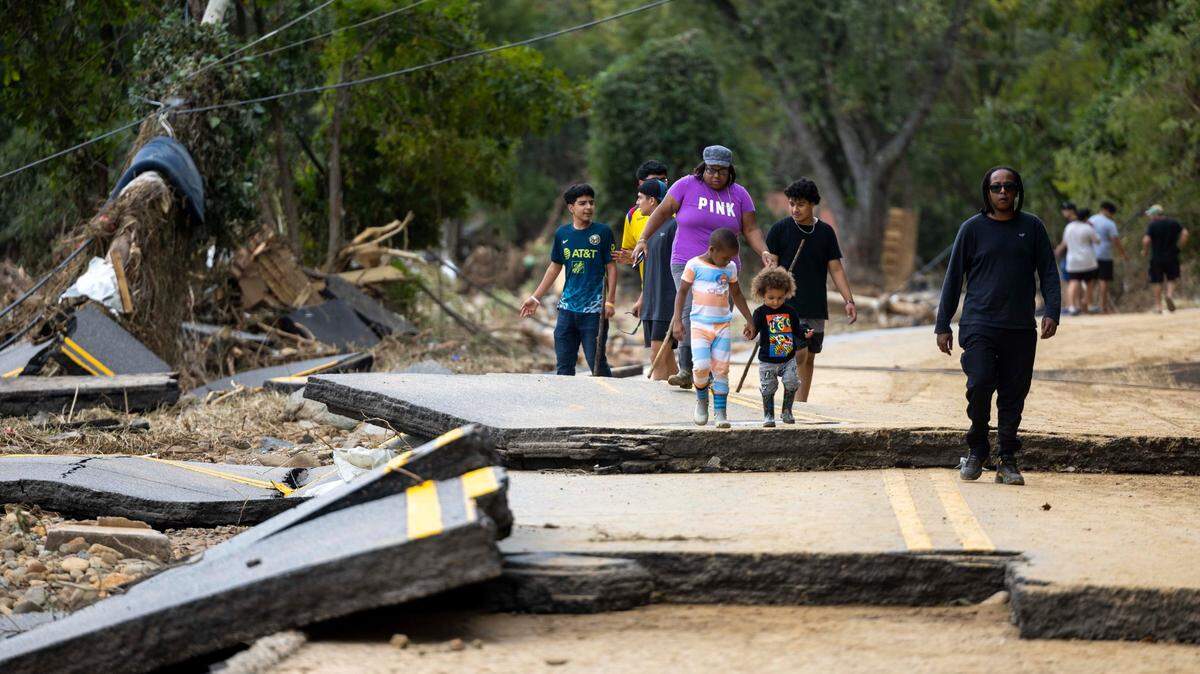
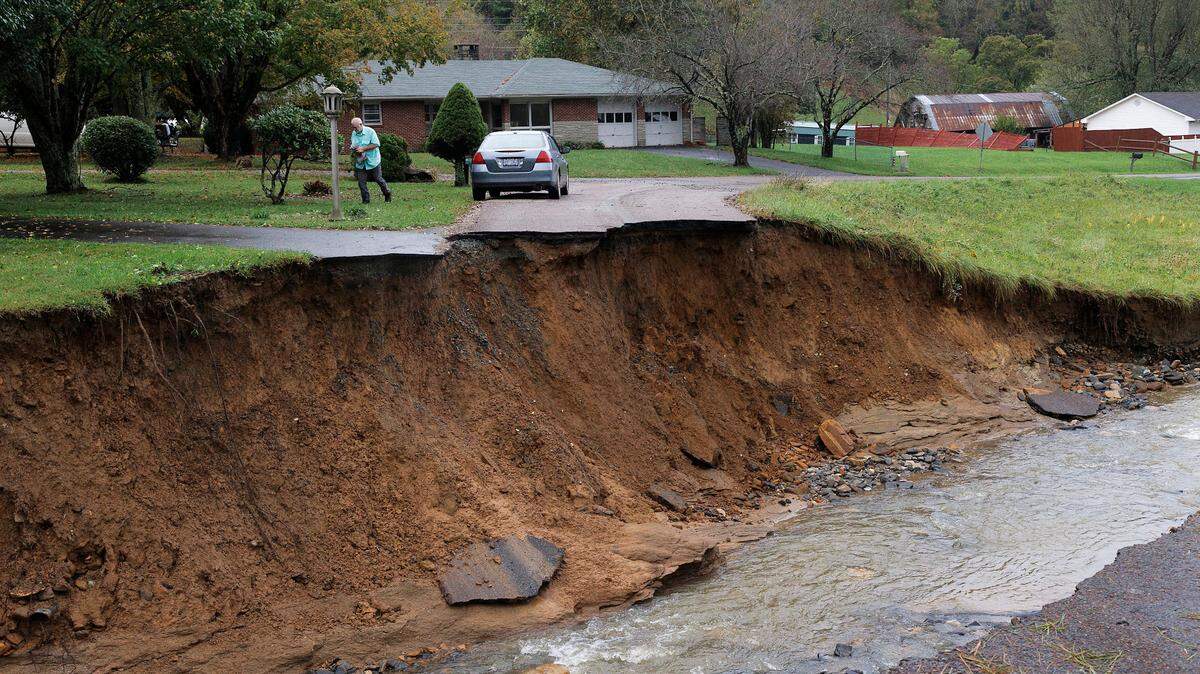
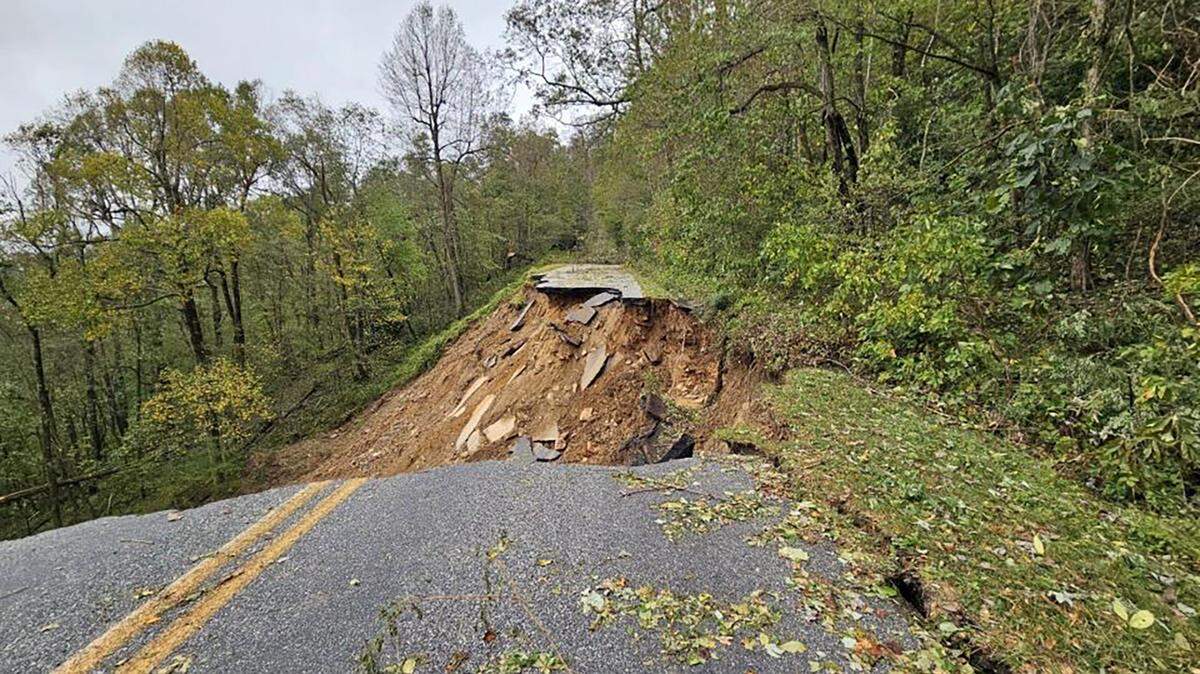
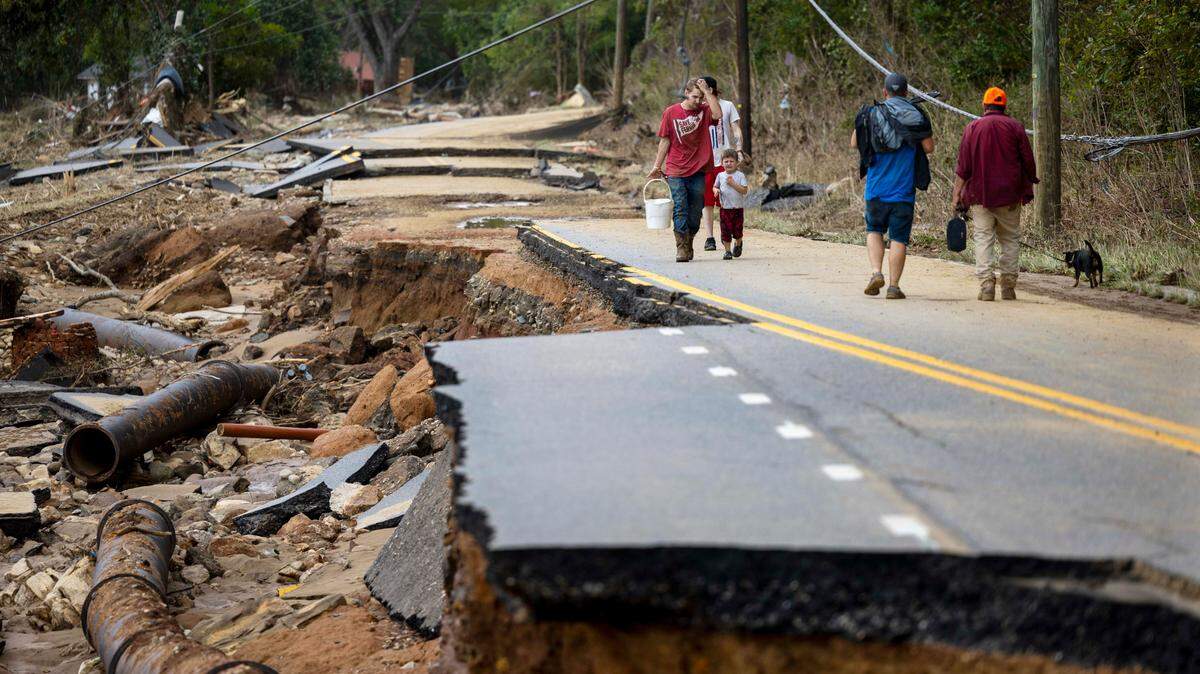
New cracks or unusual bulges in the ground, street pavements or sidewalks.
Soil moving away from foundations.
Tilting or cracking of concrete floors and foundations.
Broken water lines and other underground utilities.
Leaning telephone poles, trees, retaining walls or fences.
Offset fence lines.
Sunken or down-dropped road beds.
Sudden decrease in creek water levels though rain is still falling or just recently stopped.
A faint rumbling sound that increases in volume is noticeable as the landslide nears.
What to do during a landslide
If you get stuck in the path of a landslide, you should move uphill as quickly as possible, according to ready.gov, a site run by the U.S. Department of Homeland Security.
You should also avoid river valleys and low-lying areas during a landslide, the site recommends.
“If you are near a stream or channel, be alert for any sudden increase or decrease in water flow or water that changes from clear to muddy,” ready.gov says. “These can be signs that a landslide is coming.”
How to avoid landslides
You can avoid landslides by not building near steep slopes, close to mountain edges, near drainage ways, or natural erosion valleys, the USGS says.
You can also contact local officials or state geological surveys and ask for information about potential landslide hazards in your area, according to the USGS.
The USGS also recommends learning about the emergency-response and evacuation plans for your area, and developing your own emergency plan for your family.
How to protect your property from landslides
Here are some ways you can prepare your home for landslides, according to the USGS:
Contact your gas company and have flexible pipe fittings installed to avoid gas or water leaks, as flexible fittings are more resistant to breakage.
Plant ground cover on slopes and build retaining walls.
Build channels or deflection walls to direct the flow around buildings in mudflow areas, but pay attention to where you install them. If you build walls to divert debris flow and the flow lands on a neighbor’s property, you may be liable for damages.
This story was originally published September 27, 2024 at 11:43 AM with the headline "Helene downpours could lead to landslides in western NC. What to know + how to stay safe."





.jpg)

.jpeg)
.JPG)














.JPG)