
Rock Hill could be the region’s first to try new impact fee to address an old issue
Rock Hill is looking into new impact fees, including one that could help repair roads in the city.
Rock Hill City Council voted unanimously last week to review its impact fees, which are charges on new construction that aim to offset growth costs. The city Planning Commission began the study process this week. That study will look at existing fees for fire, water and wastewater services.
If approved, the fees could increase the cost of building new homes or businesses, and some of those costs might be passed on to buyers.
The study also will look at the possibility of adding fees for police service and road maintenance.
“I don’t think this is ... rubber-stamping impact fees,” City Councilman Kevin Sutton said during last week’s decision. “But I’m OK with staff moving forward with the plan just to give us information to look at.”
City officials have discussed the new impact fees in a budget workshop. The study authorized by the Planning Commission should be done by this summer, with a commission recommendation for Council in August or September, said Deputy City Manager Jimmy Bagley.
That information is expected to contain details on a question that’s been of high public interest throughout the region but tricky for impact fees to address — road funding.
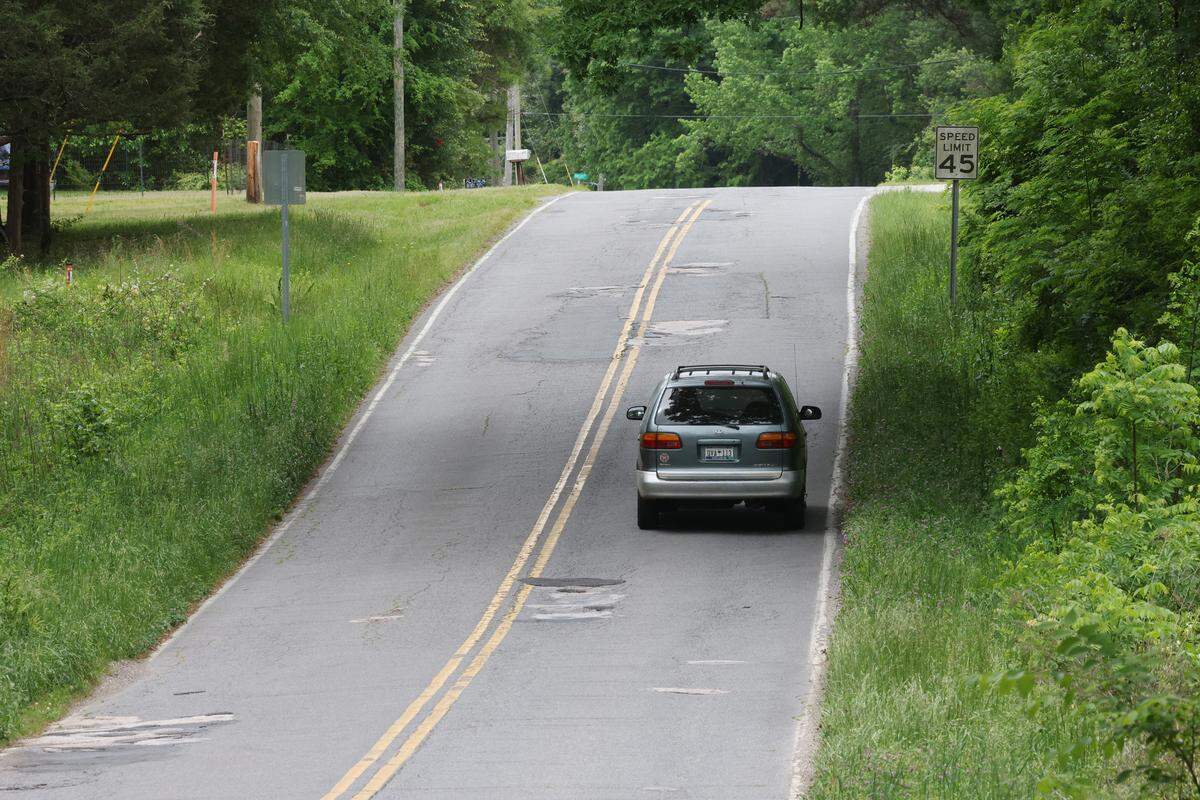
How do Rock Hill impact fees work?
Rock Hill began charging impact fees in 2003. They’re collected for residential, commercial and industrial properties. Fire fees vary by type of residence or square footage of business properties. Water and wastewater fees vary based on meter size.
A new home with a standard water and wastewater meter would see nearly $4,000 in combined impact fees. Commercial site fees could reach many times that amount.
Like the growing number of communities throughout the Rock Hill region that have started charging impact fees to manage growth in recent years, Rock Hill collects fees when a builder or developer gets a permit for construction. Higher costs from impact fees then feed into construction costs passed on to a homeowner or commercial site buyer.
Rock Hill also uses is impact fees as an economic development incentive, reducing or rebating them for certain projects.
From the 2013 to 2024 fiscal years, the city collected $20 million in impact fees. That’s $1.7 million per year, with a high of more than $3 million in 2021. Halfway through the current fiscal year ending in June, the city collected another $1.6 million.
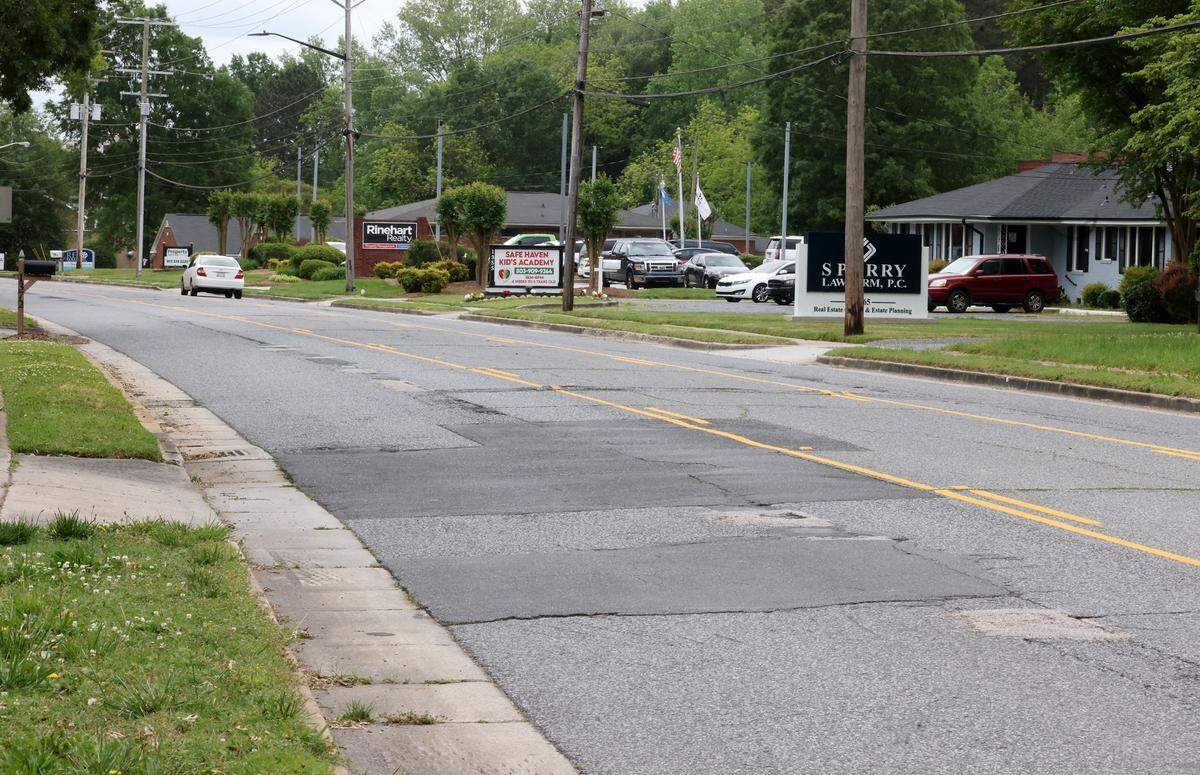
Impact fees growing in Rock Hill region
York and Lancaster counties have been some of the fastest-growing areas in the region for more than a decade. Several municipalities have followed Rock Hill’s lead in charging impact fees to build or update public services.
Fort Mill starting charging them in 2015 to fund fire, recreation and municipal services. Tega Cay started fees for police, fire, recreation, water and sewer in 2018.
Lancaster County started charging law enforcement, fire, recreation and medical service impact fees in the Indian Land panhandle in 2021, and is considering taking them countywide. Three years ago, Chester County set rates for developer fees the county set up in 2021.
School districts have gone a similar route.
Fort Mill schools, after charging a smaller fee since 1996, used new South Carolina laws expanding impact fees to set up a more than $18,000 per home fee in 2018. The fee increased last year to nearly $30,000 per home. Clover schools started charging a $4,000 per home fee in 2021, that doubled last year. The Lancaster County School District began studying impact fees last year.
Despite all those charges on new homes and businesses throughout the region, there’s one impact fee noticeably missing. None of those communities charge fees to improve roads.
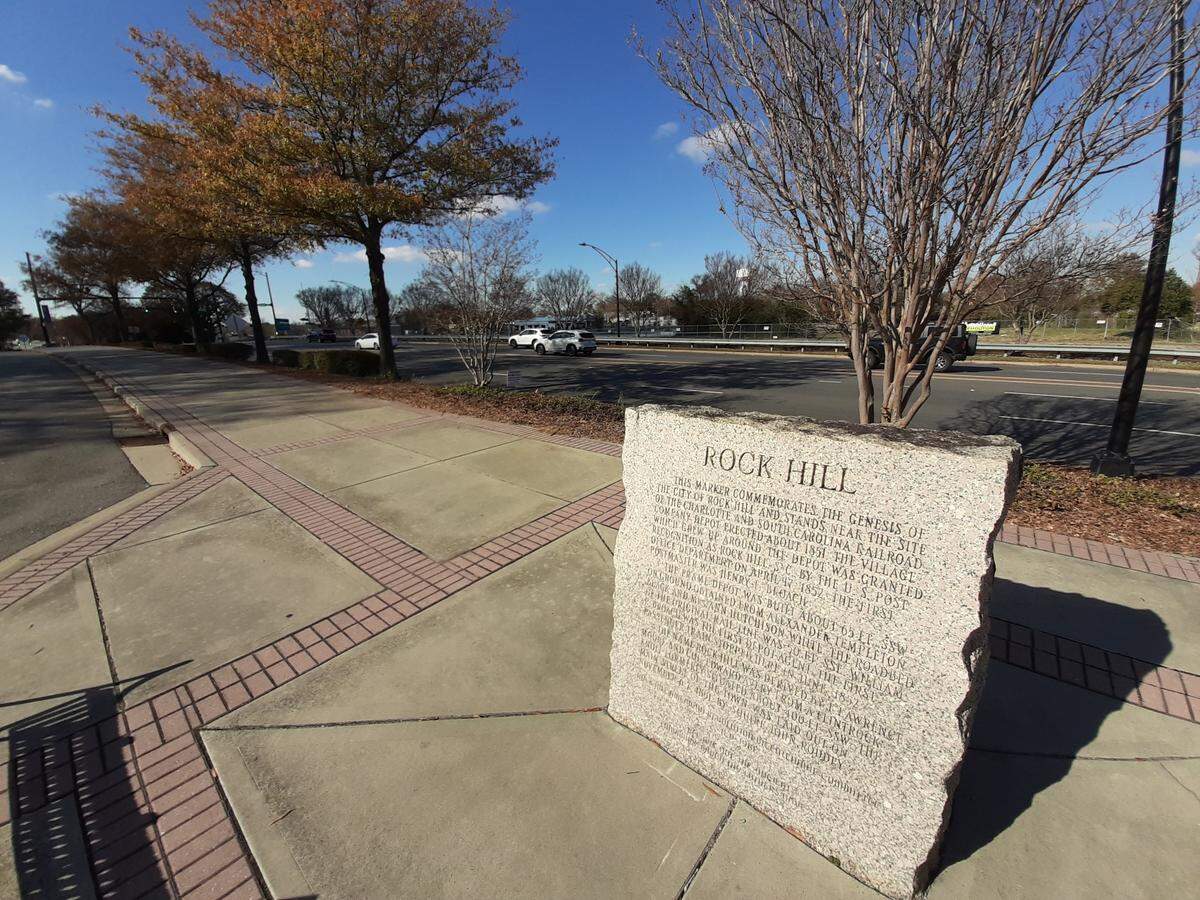
Road impact fee challenges
When Fort Mill started its fees in 2015, a main reason behind the push was to improve roads. Road conditions are the most common complaint lobbied by the public as the region has grown, elected officials often say.
Fort Mill set up a transportation fee along with its other ones in 2015 to have it on the books as an option, but the town has never charged anything for it. The business community turned out during contentious debate on the new fees in 2015, worrying the fees in general and the road fee in particular would drive away new business.
Impact fees are based on math formulas, where charges are meant to match the impact a new property has. Because a drive-thru restaurant, shopping center or large office building drives far more traffic than a home does, the road impact fee in Fort Mill would’ve put high costs almost entirely on businesses.
Recreation fees, in contrast, are charged entirely on new residences since the people additional people living in an area are the ones who use recreation facilities or programs.
The other issue that often comes up with impact fees for roads is the high cost of road construction. When it can take up to $1 million per mile just to repave roads, it could take massive impact fee charges to generate enough money to make much difference.
The other side of that argument is, road funding groups like Pennies for Progress or the Rock Hill-Fort Mill Area Transportation Study often have less money than a full project will take. They can use the lesser amount, though, to go after grants or funding partnerships to complete projects faster.
Rock Hill won’t know whether a new road maintenance impact fee will make sense until the study is complete.
“All tonight’s resolution does is start a process,” Mayor John Gettys said last week.