SC lawmakers are focused on redistricting. Here’s why you should care
READ MORE
South Carolina 2020 census data
Expand All
With the U.S. Census Bureau’s release of 2020 population data Thursday, South Carolina lawmakers are starting to turn their focus to an important once-in-a-decade process that could change who represents you from the federal down to the state and local levels.
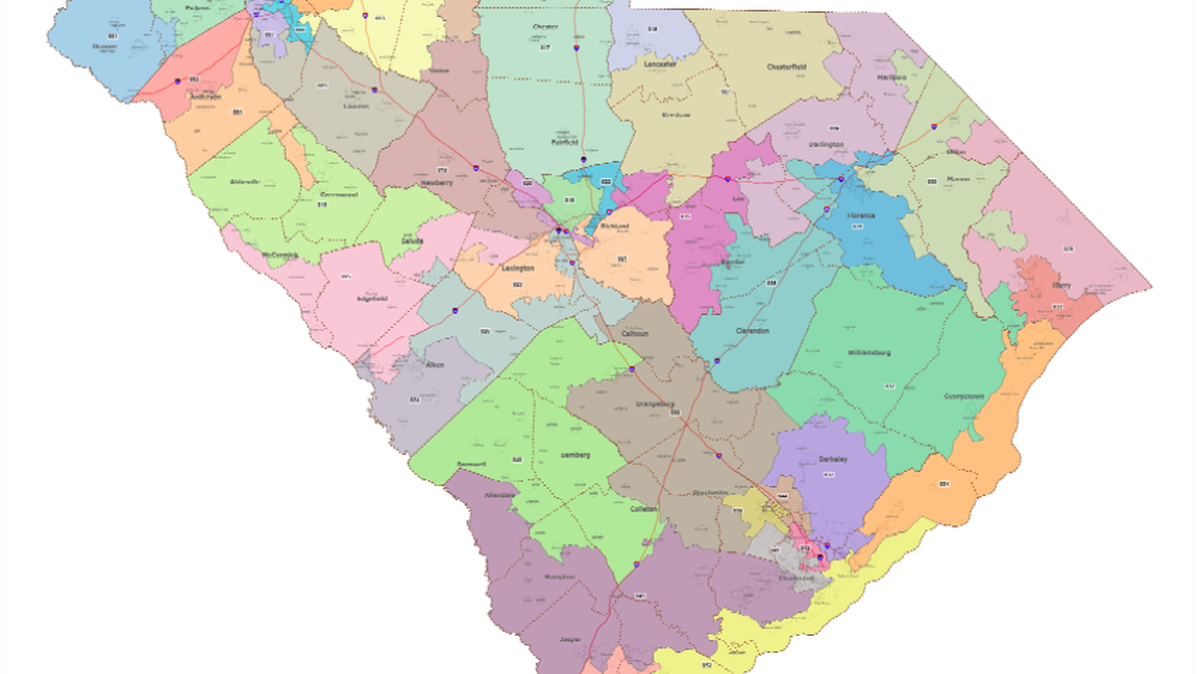
It’s called redistricting, done every 10 years when state lawmakers use new census data to redraw state House and Senate and congressional district lines — a process that can have a strong effect on South Carolinians and voters.
Here’s what you should know about the process:
Why do we care about redistricting?
Redistricting is focused on keeping roughly the same amount of people in each district.
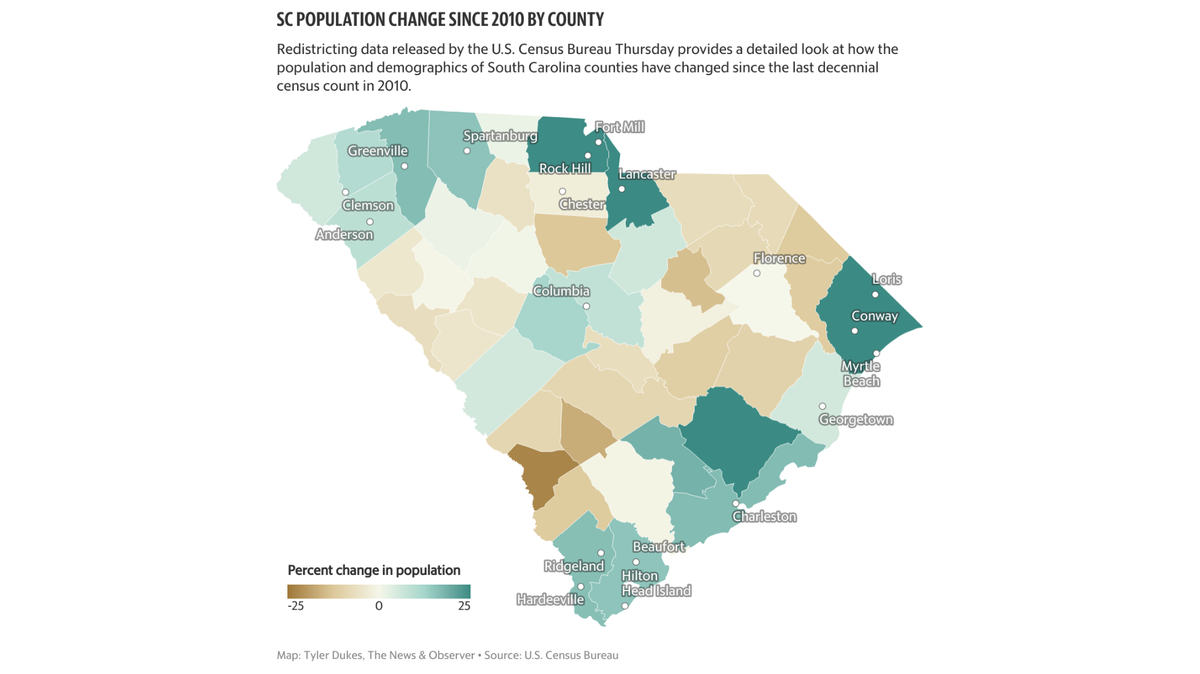
The state maps are redrawn after new census data is released, so lawmakers can evaluate which areas have experienced growth over the last 10 years and move the district boundaries to fairly cover those people.
South Carolina surpassed 5 million people in the 2020 census count — a 10.7% growth from the 2010 census. That wasn’t enough to net the state a new congressional district, though.
When lawmakers redraw the lines, districts with shrinking population may get absorbed into other districts, and areas that experienced extreme growth may be broken up into multiple districts.
In South Carolina’s case, the ideal population for a congressional district is 731,204 residents, according state redistricting guidelines.
The ideal population for House and Senate districts is 41,278 and 111,270, respectively.
The strategy behind redistricting
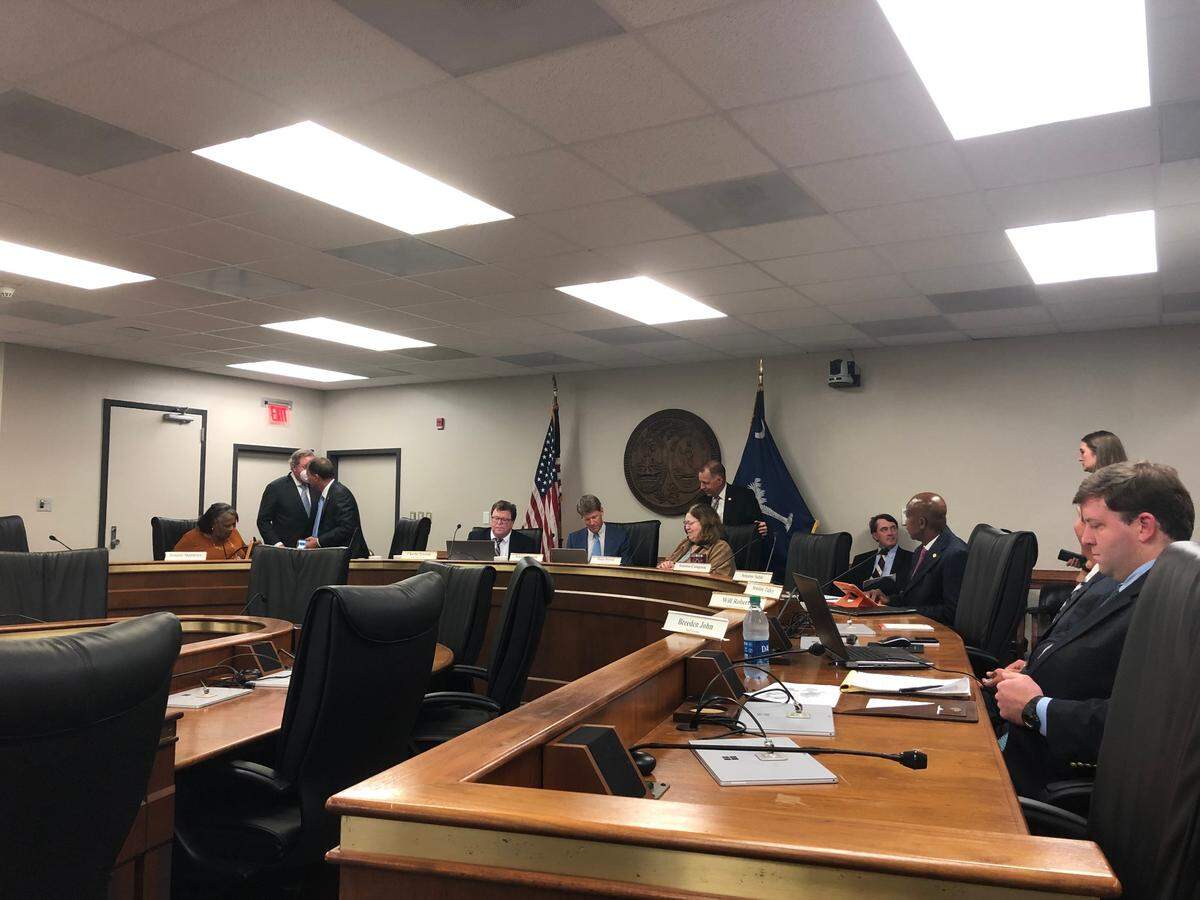
In South Carolina, redistricting is done by the state Legislature.
On Thursday, the Senate is scheduled to wrap up public listening sessions held across the state. The House will kick off public hearings Sept. 8 in Myrtle Beach.
Those in power, currently Republicans, can use redistricting to shore up their power in the coming decade, said Bob Oldendick, a political science professor at the University of South Carolina.
“It’s done in such a way that there is largely protection of incumbents,” Oldendick said. “So, the Republican Party has the majority in the House and the Senate, and, given that, they’re going to draw the lines in a way to maximize their representation.”
Often, to do that, Republicans “pack” Democratic voters into “as few districts as possible,” Oldendick said.
In those new districts, Democrats will win election by overwhelming margins, but that means there will be fewer Democratic voters in other districts.
Packing “almost guarantees a Republican majority in the state House and state Senate,” Oldendick said.
But Democrats will still have a say in the process, that includes membership on the House and Senate redistricting committees, and in what will inevitably be court hearings on the new district lines.
Packing creates a “noncompetitive atmosphere,” said Lynn Teague with the South Carolina League of Women Voters, a nonprofit organization focused on empowering voters.
“You can still walk into the polling place, but it won’t matter in November,” Teague said, adding competition is important.
When a legislator only wins a seat by a few votes, they have more of a reason to listen to their voters, Teague said. When a win is assured because of the composition of their district, lawmakers don’t have to fear upsetting voters from the minority party.
South Carolina’s congressional districts can be a great representation of district packing, experts say.
For example, a district with a high concentration of Democratic voters — particularly Black voters — is in the 6th Congressional District, held by long-time Democratic U.S. Rep. Jim Clyburn.
South Carolina’s six other congressional districts are represented by Republicans, but one in particular has ping-ponged between Republican and Democratic representation.
The 1st Congressional District, a district that has passed hands from Republicans to a Democrat and back in the last four years, is currently represented by Republican U.S. Rep. Nancy Mace, who won the seat in 2020 by about 5,500 votes.

How you can get involved
Observers urge South Carolinians to reach out to their local legislator and either testify or watch the public listening sessions.
Over the past month, the Senate has held a series of public input sessions, but planned to wrap up those hearings Thursday night at Aiken Technical College. Future meetings will be posted on the Senate’s redistricting website.
Meanwhile, the House will hold its first listening session Sept. 8 in Myrtle Beach, with the final meeting scheduled for Oct. 4 in Columbia. Meetings will be posted on the House’s website.
“Tell them that you want districts that are not designed just to protect an incumbent for a party,” Teague said.
This story was originally published August 12, 2021 at 10:57 AM with the headline "SC lawmakers are focused on redistricting. Here’s why you should care."