Big population gains in SC — and some not so big. What new census data tell us so far
READ MORE
South Carolina 2020 census data
Expand All
South Carolina was one of the fastest-growing states in the country over the past decade, new data from the U.S. Census Bureau released Thursday show.
The state’s population grew by more than 10% since the last census in 2010, now home to around 5.1 million people.
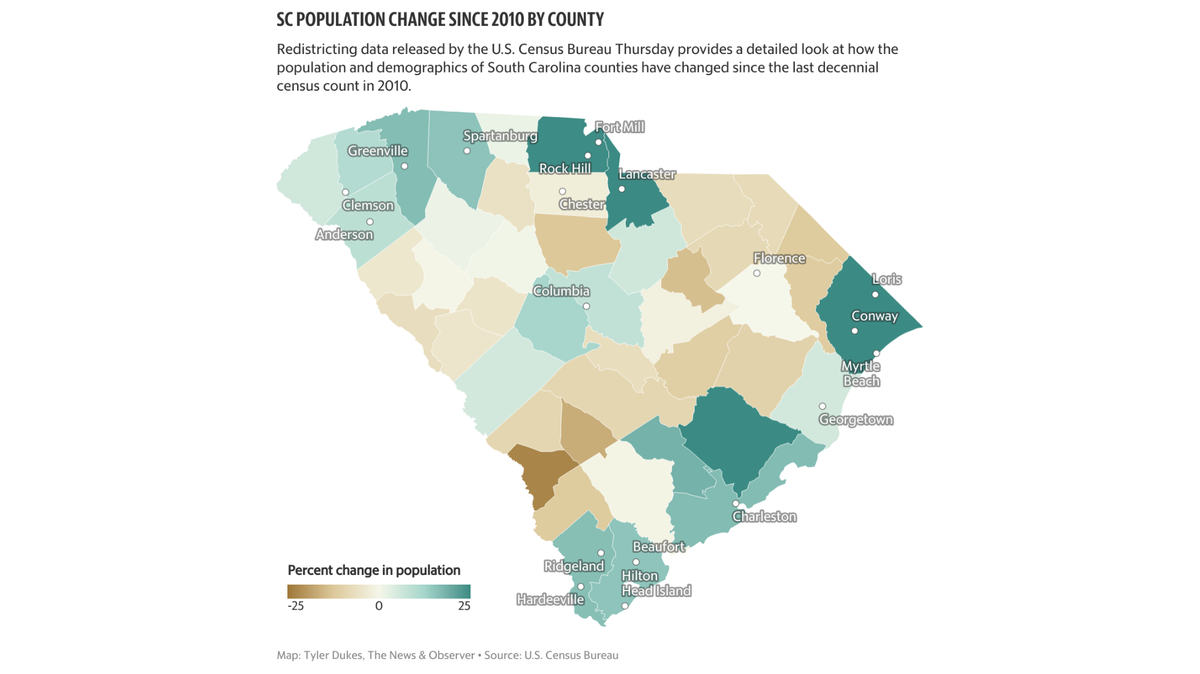
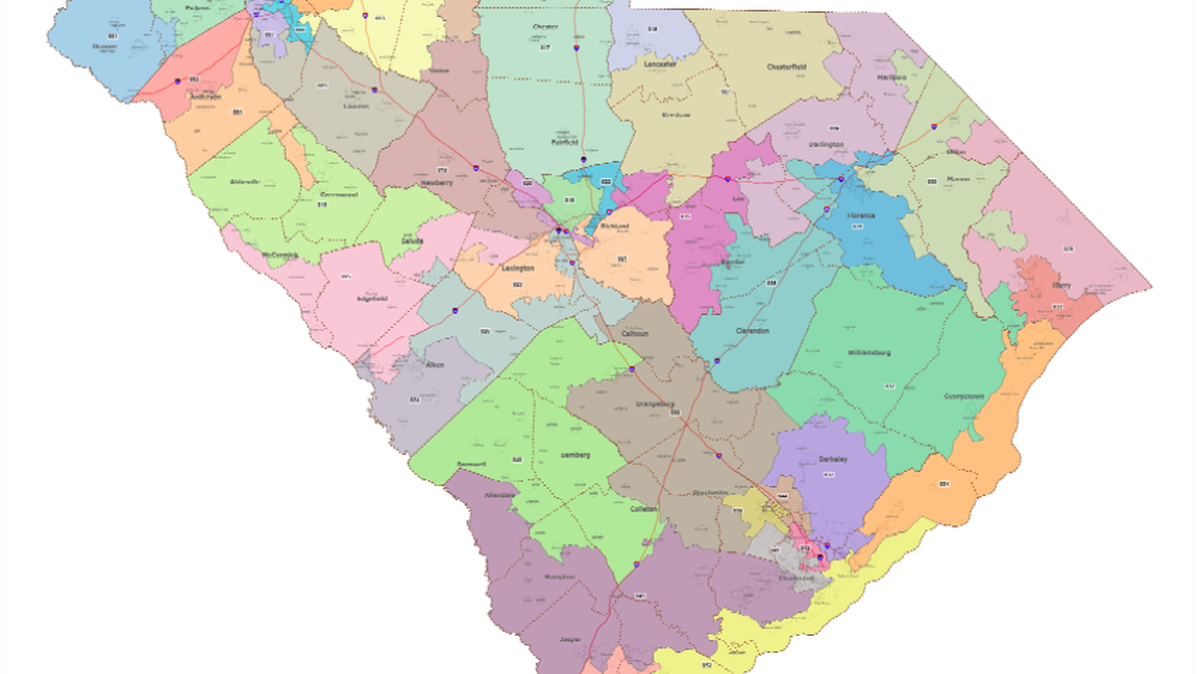
From modest growth in the capital city to population explosions in Greenville and once-small-town Lexington, the new 2020 Census figures paint a map of a quickly changing South Carolina. The new population totals will have weighty consequences beyond satisfying curiosity, as political districts across the state will be redrawn based on the new data.
Here are major takeaways from early analyses of the South Carolina census data. This story will be updated as The State reports more in-depth information from the census.
▪ Columbia grew ... some. But with around 136,000 residents, the state capital continues to grow much more slowly than other metro areas in the state. What’s up with that? There are some theories involving taxes.
▪ Richland County — home, of course, to the capital city — stands as the second-largest county in the state, adding some 31,000 residents to its population total since 2010. The county as a whole grew a little faster than Columbia, but populations in some towns actually shrank.
▪ Lexington County is still smaller in population than neighboring Richland, but it’s growing a good bit faster.
▪ Charleston is still South Carolina’s largest city and growing — but its smaller, surrounding cities and towns are really booming (looking at you, Mount Pleasant). In fact, cities not named Charleston in the Charleston area make up four of South Carolina’s 10 most populous cities.
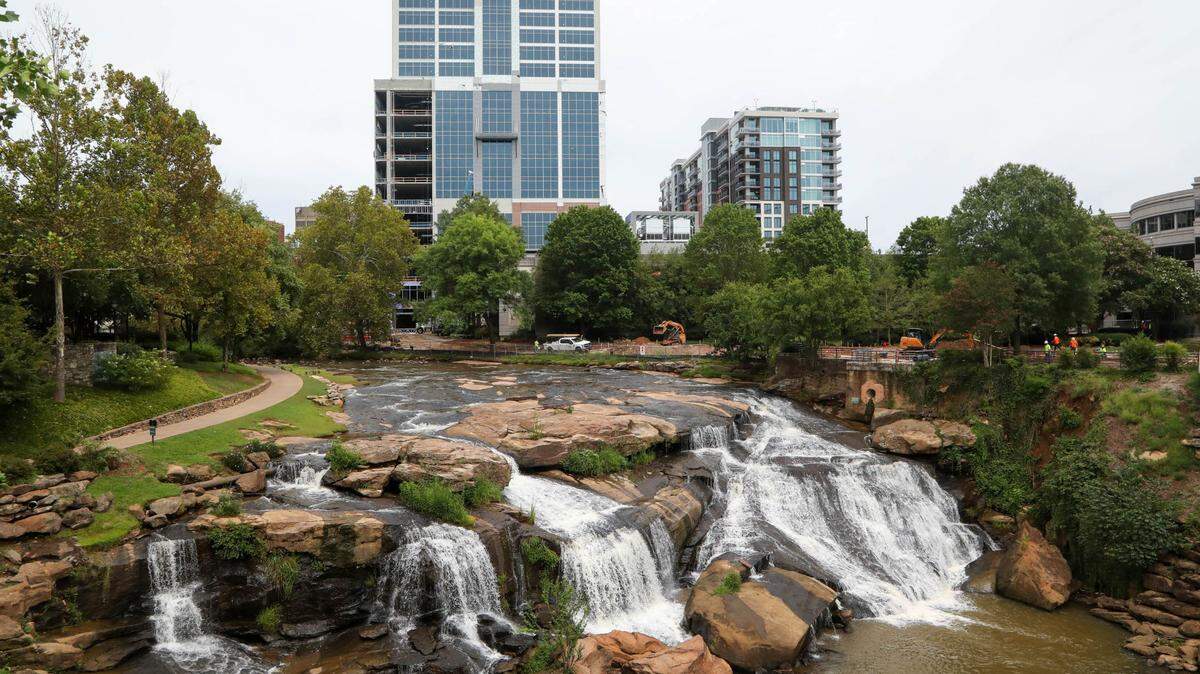
▪ Greenville, what are they feeding you? This Upstate city has exploded in population, and so have its surrounding towns. The same-named county keeps its spot as the state’s largest, now with more than half a million residents.
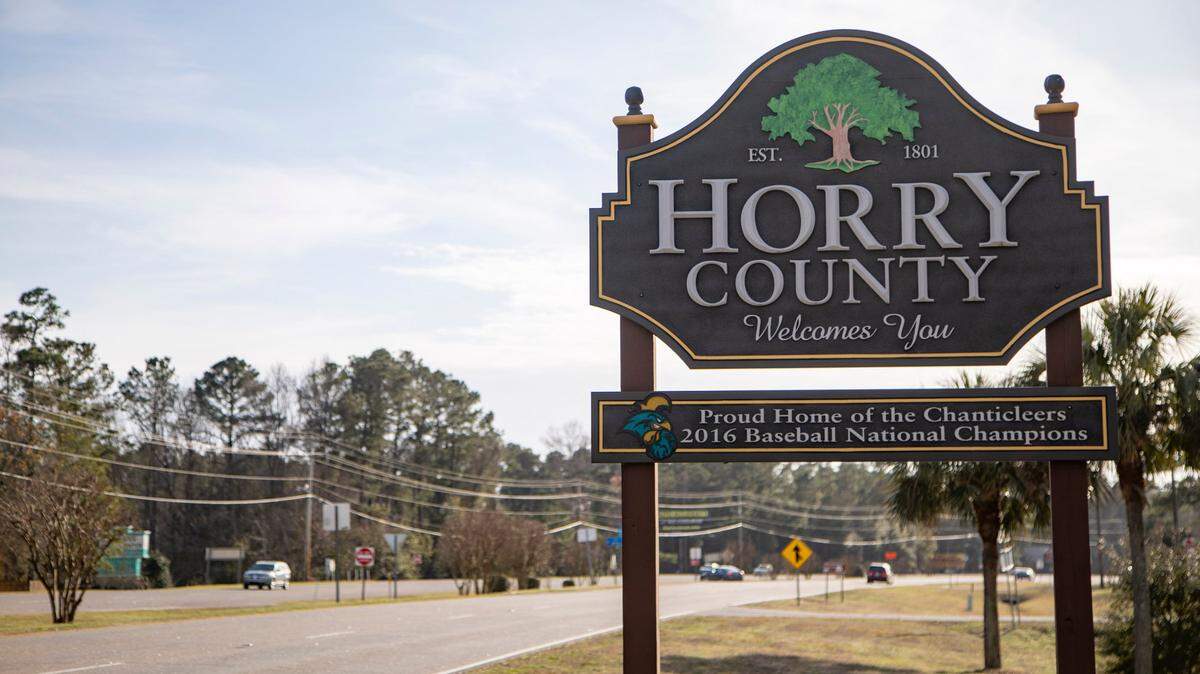
▪ Horry County seems to be in the competitive spirit, as the tourist mecca (home to Myrtle Beach) surged past Spartanburg County to become South Carolina’s fourth-most populous. It grew by a whopping 30% in the past decade.
▪ One small-ish town in the Lowcountry doubled in population in 10 years. DOUBLED! Hard to think of it as a small town anymore.
▪ Two counties bordering Charlotte saw some of the state’s fastest growth, perhaps not surprising for neighbors of the Carolinas’ largest city. Meanwhile, one of those counties’ neighbors actually shrank in population.
▪ So what does it all mean? The decennial census is much more impactful than some people might realize. These population and demographic figures are used to determine how many political representatives each geographic area has at local, state and national levels. If that doesn’t sound important to you, then money should: Census population figures also determine the amount of federal funds sent to communities for needs such as roads, day cares, hospitals and more. Read more about how redistricting can affect you and what you need to pay attention to over the coming months.
Where do places rank?
Biggest cities, towns:
- Charleston (population) 150,227
- Columbia (136,632)
- North Charleston (114,852)
- Mount Pleasant (90,801)
- Rock Hill (74,372)
- Greenville (70,720)
- Summerville (50,915)
- Goose Creek (45,946)
- Sumter (43,463)
- Florence (39,899)
Biggest counties:
- Greenville (population 525,535)
- Richland (416,147)
- Charleston (408,235)
- Horry (351,029)
- Spartanburg (327,997)
- Lexington (293,991)
- York (282,090)
- Berkeley (229,861)
- Anderson (203,718)
- Beaufort (187,117)
This story was originally published August 12, 2021 at 3:57 PM with the headline "Big population gains in SC — and some not so big. What new census data tell us so far."