Swimmer possibly bitten by shark off NC beach, officials say. What happened?
AI-generated summary reviewed by our newsroom.
- A swimmer was treated for a leg injury in a suspected shark bite at Sunset Beach this May.
- Experts say shark attacks in North Carolina remain rare.
- To reduce risk, swimmers should avoid fishing areas and swim in groups by day.
A swimmer was injured in a suspected shark attack off the North Carolina coast on Wednesday, May 28, officials said.
The Sunset Beach Fire Department reported receiving an emergency call around 11:05 a.m. regarding a possible shark bite at Sunset Beach, ABC News reported. According to officials, the swimmer suffered a leg injury near the 31st Street beach access point.
“Upon arrival, Beach Rescue personnel provided medical care to the injured swimmer, who was conscious and alert,” Sunset Beach Fire Chief Richard Childres said in a press release.
The swimmer, later identified as Sean Barton, a visitor from New Mexico, received initial treatment at the scene before being transported to a nearby hospital for further evaluation.
“Standing up, I felt something bite down on my calf-shin region, just bite down on my leg, and it let go pretty quickly thereafter,” Barton told WSOC.
Barton received 11 stitches as a result of the bite but is expected to make a full recovery, WSOC reported.
How common are shark bites in NC?
Shark bites don’t happen often in North Carolina, UNC Wilmington marine biology professor Larry Cahoon told The Charlotte Observer.
“They’re pretty rare,” said Cahoon. “We had a spate of them in 2015 when there were about eight of them in the span of three weeks, but that was very unusual.”
Sharks are more likely to go after fish, Cahoon said.
That’s what happened to a dolphin who was seen swimming off the coast of South Carolina in 2021 with a large chunk out of its back — a wound deep enough to expose layers of blubber and pink meat, The News & Observer reported at the time.
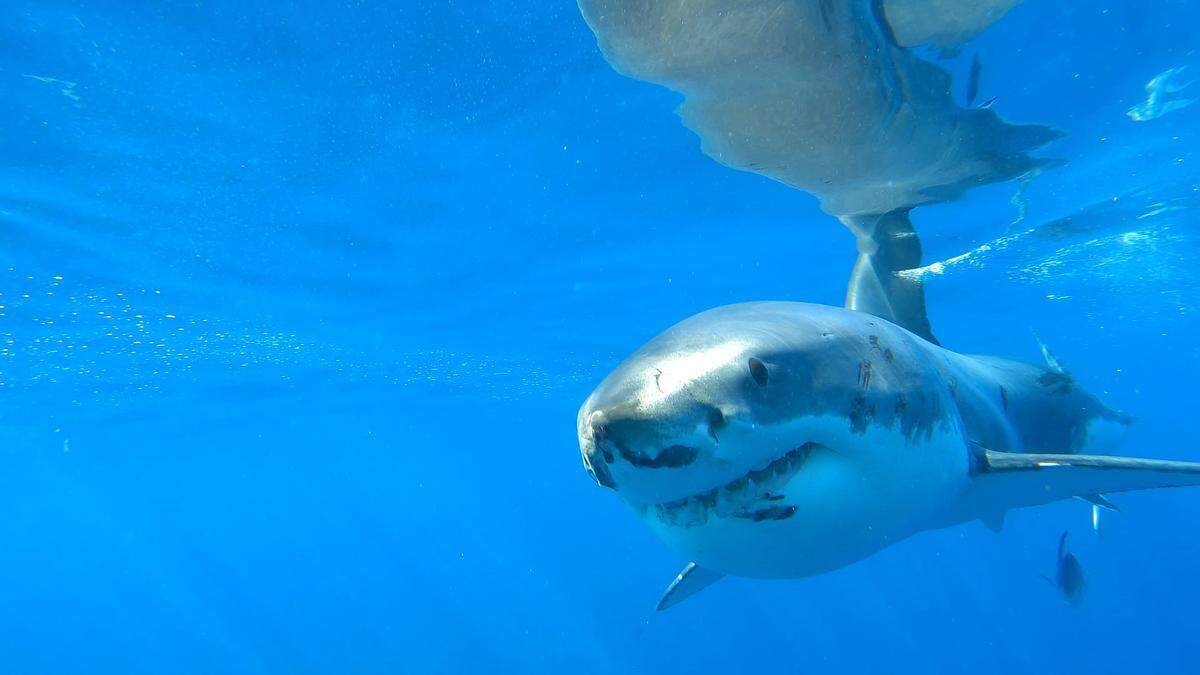
Shark attacks at NC beaches
In June 2024, a 14-year-old boy was bitten by a shark at North Topsail Beach. Another potential shark-related incident occurred that month, when “some sort of sea life” attacked a swimmer, giving him a serious bite that required a tourniquet.
In 2018, a visitor fishing in the surf at North Carolina’s Outer Banks pulled out a 6-foot hammerhead shark that outweighed him. Earlier that summer, a video went viral showing a 5-foot shark swimming just a few feet away from the shoreline at Emerald Isle.
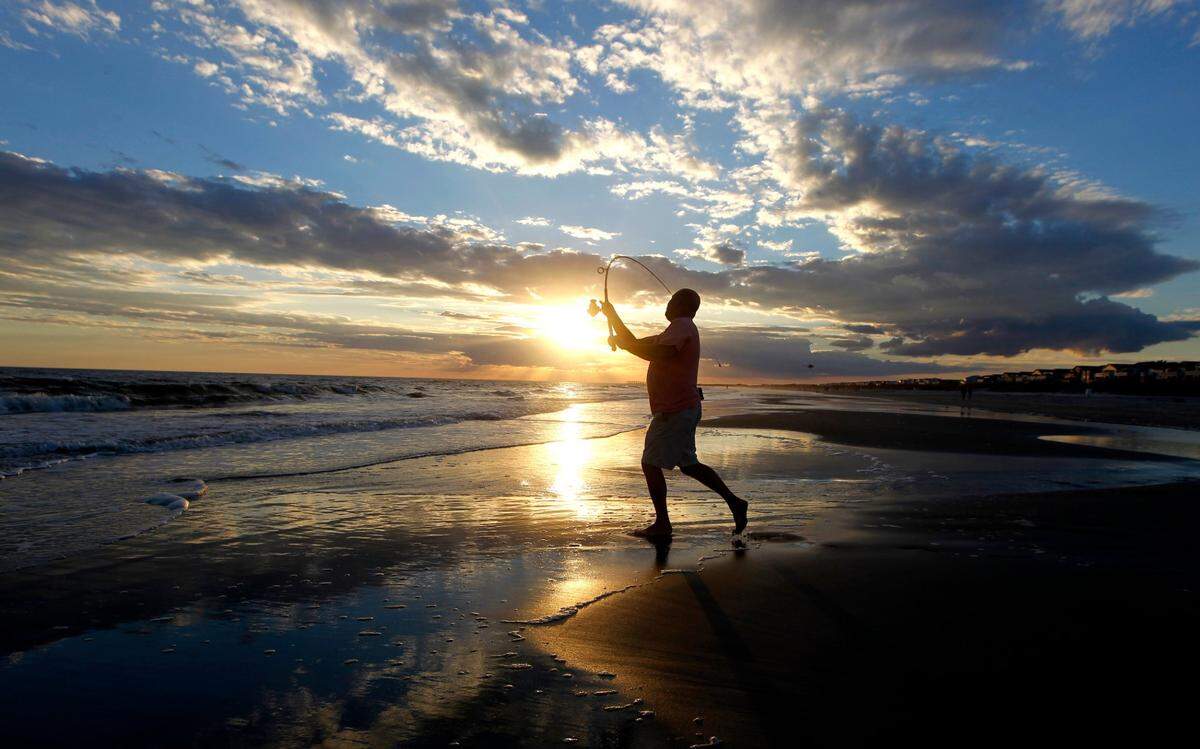
How can you avoid a shark attack?
▪ One of the best ways swimmers can avoid sharks is by staying away from anglers, Cahoon said.
“Again, sharks are not terribly bright,” he said. “If they’re hungry, they’re going to be less selective about what they try to eat…so it’s a good idea to try and separate people from fishing activity.”
▪ Cahoon also said sharks are less likely to approach you if you sound big, meaning those who swim completely underwater have less of a chance of getting bitten by a shark versus those who swim on top of it.
“The thrashing and smashing around stuff may, may, to a slight degree, tend to draw them in, but I wouldn’t be terribly worried about that, especially if there’s a lot of people in the water.”
▪ Swimming alone at night can also present a prime opportunity for sharks to strike, Cahoon said, since they’re more likely to attack when they won’t be seen.
While swimmers always run the risk of shark attacks, there’s good news for scuba divers.
▪ “Sharks almost never bother scuba divers, because scuba divers, number one, go down in pairs,” Cahoon said. “And they’re big, they make a lot of racket and they tend to go during the day, when visibility is better.”
Staff writer Mark Price contributed to this report.
This story was originally published May 29, 2025 at 10:43 AM with the headline "Swimmer possibly bitten by shark off NC beach, officials say. What happened?."