Helene may push venomous copperheads to SC homes. Here’s how to deal with them
READ MORE
Hurricane Helene
Hurricane Helene is gaining strength and is forecast to track north toward SC where it will bring heavy rain & strong winds to the Midlands.
Expand All
Helene may leave a slithery surprise in your yard.
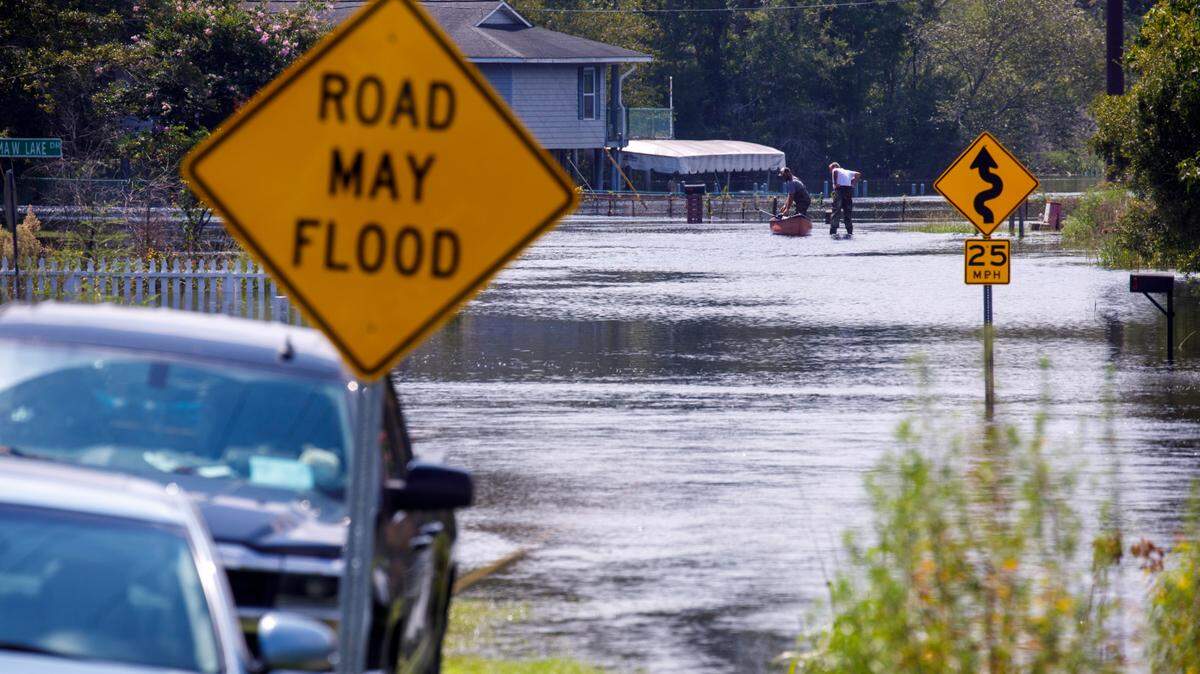
Hurricane Helene is predicted to drop several inches of heavy rain over much of South Carolina Thursday evening into Friday morning. And while that’s clearly bad for South Carolinians, it’s also a problem for snakes like venomous copperheads.
Snakes often become displaced after big storm and flooding events, according to NC State Extension. As a result, they will often seek food and shelter near or even inside homes or damaged structures.
Here’s what to know about copperheads and how to deal with them if near or inside your home.
Identifying copperheads
The copperhead is the most common venomous snake in South Carolina. The other five types of venomous snakes in the state include the cottonmouth, the eastern diamondback rattlesnake, the pigmy rattlesnake, the coral snake and the timber rattlesnake, according to the South Carolina Department of Natural Resources.
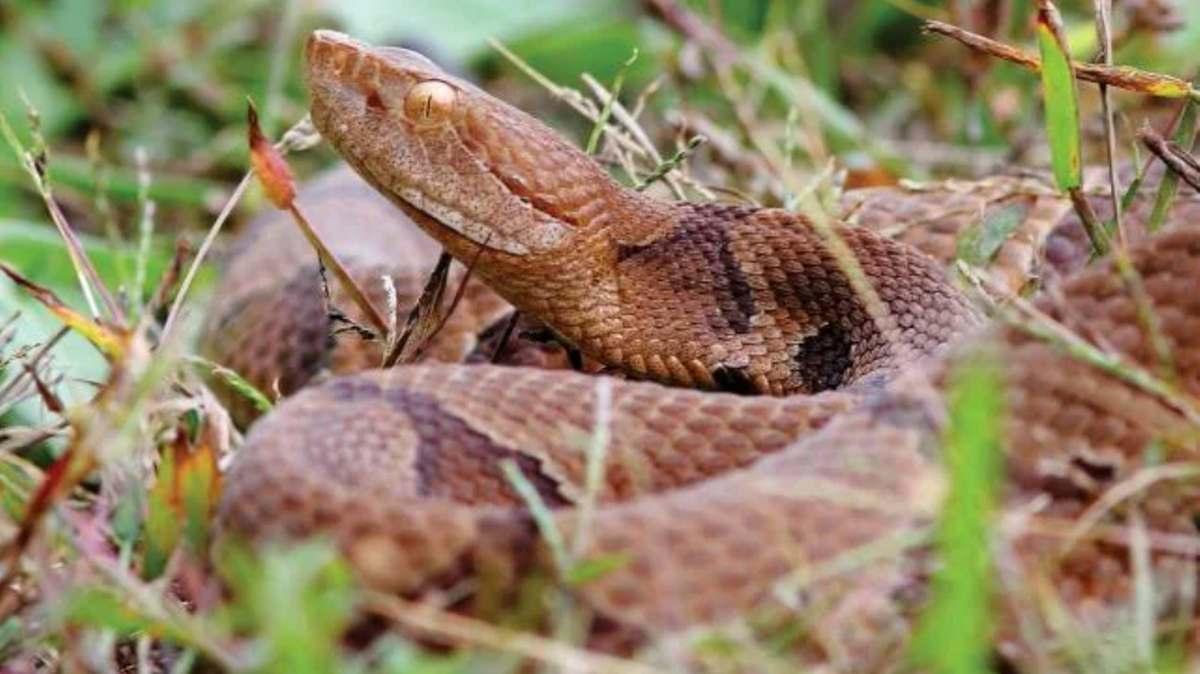
The copperhead gets its name from the coppery-tan color on its head and on parts of its body, Clemson Cooperative Extension states. Copperheads have triangular-shaped heads, similar to an arrowhead and can grow up to 4 feet long.
Copperheads also feature an hourglass-shaped pattern on their bodies — from the head down to the tail. When curled up, this camouflage can make them look like a pile of leaves. And like most other venomous snakes in South Carolina, copperheads have yellow eyes with black vertical and elliptical pupils.
Copperheads outdoors
- Be careful where you place your hands and feet when removing or cleaning any storm debris. Try not to place your fingers under debris you intend to move.
- Never step over logs or other obstacles unless you can see the other side.
- If you plan to clean heavy debris in areas where snakes are likely to be found, wear snake-proof boots at least 10 inches high.
- Try to remain calm if you do see a copperhead. Simply step back. Most snake encounters are just the animal moving to a different location.
- Make your yard unattractive to copperheads by removing debris around your home as soon as possible. Leaving it attracts rodents that snakes eat and also provides shelter. Also, keep vegetation around your home closely mowed.
Snakes indoors
- If you’ve found a copperhead or other snake indoors, try to isolate it within a room or small area.
- If you don’t want to try and remove the snake yourself, reach out to local animal control.
- As a last resort, you may need to kill the copperhead. Club it with a long stick or other tool like a garden hoe. Never try to kill a venomous snake with an object that brings it within striking distance. Avoid using a firearm.
- Try to keep snakes from entering your home by sealing openings 1.4 inches big and larger. Check corners of doors and windows, around water pipes and electrical service entrances.
This story was originally published September 26, 2024 at 10:23 AM with the headline "Helene may push venomous copperheads to SC homes. Here’s how to deal with them."