Should Chester County charge more for new homes or businesses? Here are the options
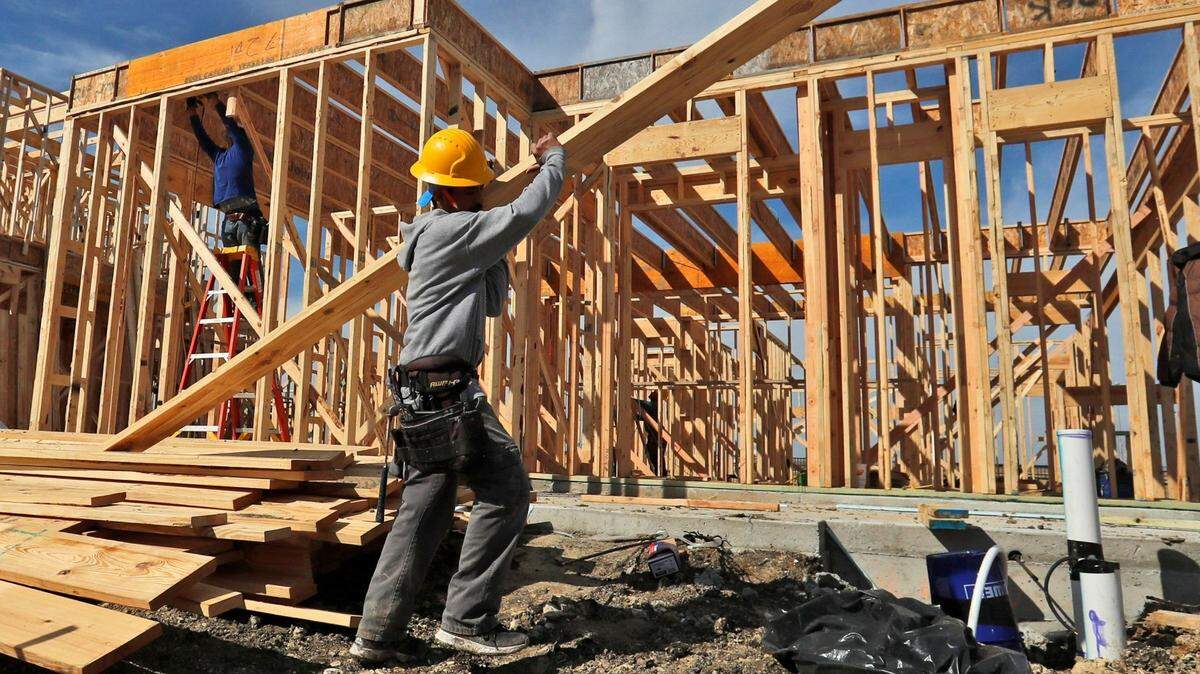
As growth spreads south along Interstate 77 and highways from Charlotte, so too do community efforts to pay for the larger demand for services.
Chester County may soon take what’s become a common page from the playbook of York and Lancaster counties, school districts and municipalities throughout the Catawba region. The county resumed talks earlier this month on impact fees.
Those charges on new construction are now commonly used in the region as a way to fund public services.
Chester County has received a potential contract with firm TischlerBise. It’s the same firm that performed impact fees studies for the Fort Mill, Clover and York school districts, municipal impact fees in Fort Mill and elsewhere.
The county attorney in Chester reviewed the contract. It could be approved soon, after the county schedules another meeting with the consultant.
Councilman Pete Wilson said with new county council members set to join the group, it makes sense to wait on an impact fee study decision until the new year.
“We want to make sure we use that study to its full effect,” Wilson said.
Republicans Erin Mosley and John Agee, along with Democrat Corey Guy, won elections this fall for seats currently held by Brad Jordan and Mary Guy, plus one created by the 2020 countywide vote to change the form of government from supervisor- to administrator-led.
Impact fee discussions aren’t new for the county.
On the back of multiple new home project denials in May of 2018, council asked the Catawba Regional Council of Governments for information about impact fees. The county had a project at the time in the Lando area for 600 homes. Council had just denied a zoning change that would’ve allowed more than 800 homes in Richburg.
Later that summer, the county debated potential fees as record growth came in parts of York and Lancaster counties that leaders in Chester saw heading their way. Yet there were challenges. Impact fees for the Fort Mill School District met legal challenges. Not long after, COVID hit.
The U.S. Census Bureau estimates the population of Chester County is a little more than 32,000 people. The current estimate is down about 100 residents from the 2020 Census and down almost 1,000 residents from the 2010 Census.
The county has seen significant business growth with recent additions like Giti Tire, E&J Gallo and several large manufacturers along the I-77 corridor. That type of growth is likely to bring more of the residential projects the county already sees coming its way.
Council now has two options. Along with impact fees, there’s discussion on possible development fees. That setup could involve contracts and agreements with developers, something used for years in Lancaster County ahead of its move toward impact fees.
“At some point the council is going to have to make a decision, whether we’re going to impose impact fees or development fees,” said interim Chester County supervisor Wylie Frederick.
Council members questioned attorney Michael Kozlarek about possible steps forward. If the county goes with impact fees, state law requires both a list of projects the money would fund and a study to determine how much the county could charge for various public services.
Existing school impact fees, for instance, are charges on new residential construction that pay for schools. In Fort Mill, Rock Hill and Tega Cay there are municipal fees that pay for services like fire protection and municipal facilities. Those fees can be charged on residential and commercial construction.
If Chester County contracts for an impact fee study, that decision alone doesn’t lock the county into charging fees. It could provide growth planning information.
“More information is always going to be better,” Kozlarek said.
There may be general rules or restrictions related to how counties contract with developers if the county opts for development fees, Kozlarek said. There certainly will be specific requirements — how much is charged for what use, how money is set aside, when it can be spent — with impact fees.
“The development impact fee portion of the (state) code is very specific on that,” Kozlarek said.
If Chester County goes with impact fees, it will depend what public services they look to fund to determine how high costs will be and for what types of construction. In Fort Mill, for instance, the town chose not to charge a transportation impact fee despite road conditions being a top concern.
The reason was, a transportation fee charges business at a much higher rate than residential. The town charged near full amounts possible on recreation impact fees, since they charged new residential construction only.