Rock Hill 2021 mayor’s race: What to know about York County Councilman Bump Roddey
READ MORE
Rock Hill’s Mayoral Election 2021
Rock Hill’s mayoral election is Oct. 19. Here’s what the three candidates said about the Panthers development, gentrification and their visions for the city.
Expand All
Rock Hill’s 2021 mayoral race is Tuesday. How to vote for your choice of 3 candidates
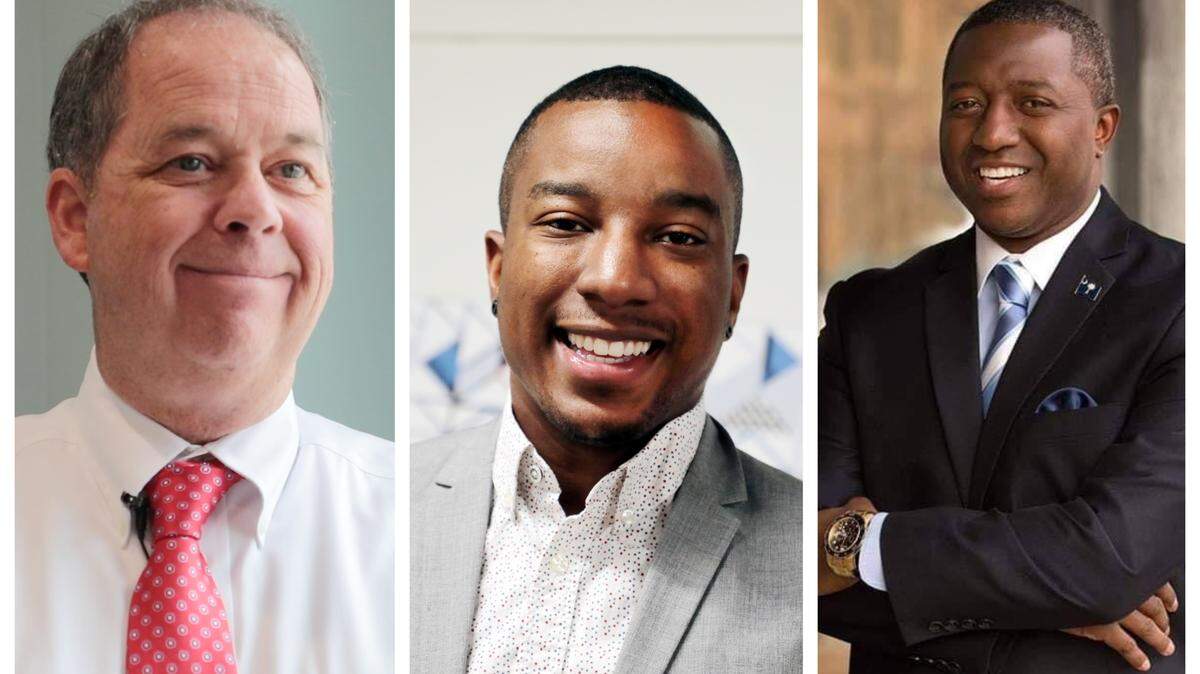
Rock Hill 2021 mayor’s race heats up. Here’s what to know about the three candidates
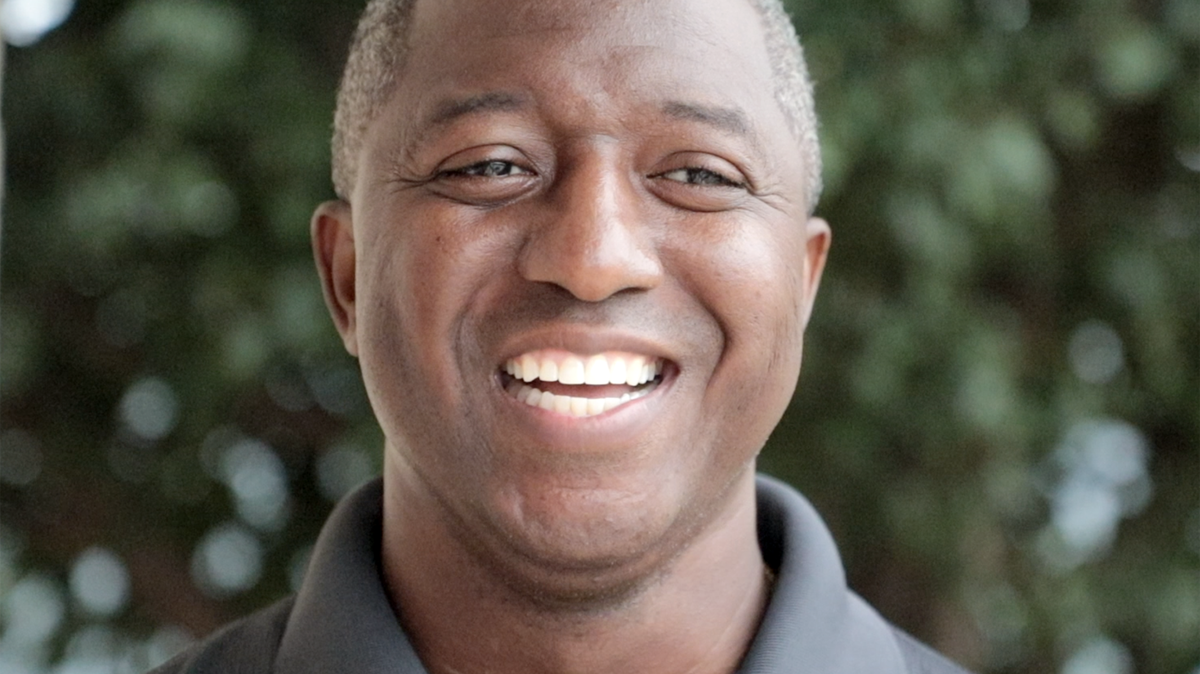
Rock Hill 2021 mayor’s race: What to know about York County Councilman Bump Roddey
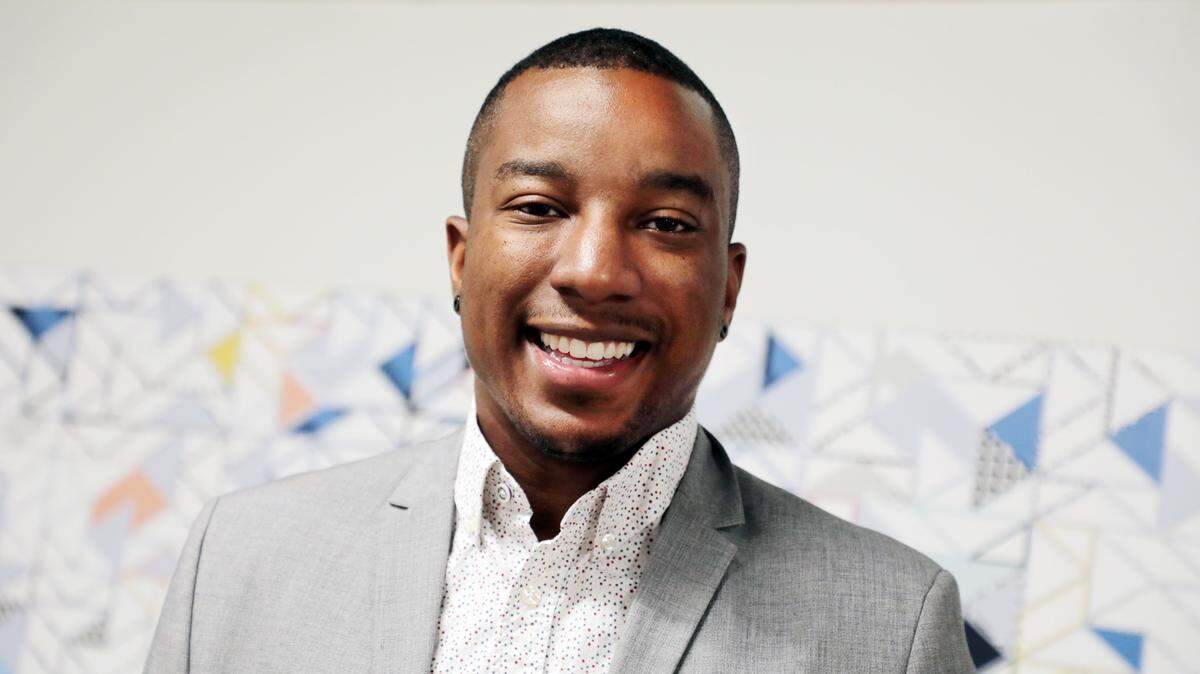
Rock Hill 2021 mayor’s race: What to know about conservative candidate Ishmael Lowery
Rock Hill 2021 mayor’s race: What to know about incumbent John Gettys
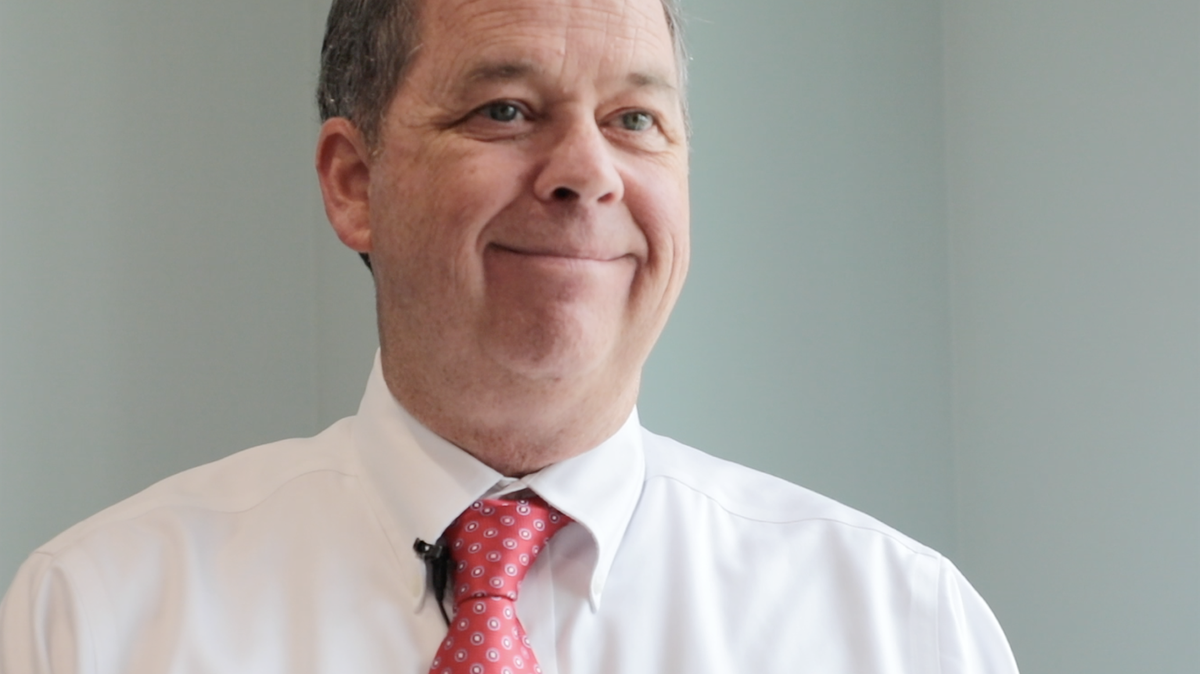
York County Councilman William “Bump” Roddey is making another run at Rock Hill mayor.
Roddey, who is serving his fifth term on county council, ran against Mayor John Gettys in 2017. He lost to Gettys, who also is running again, by less than 600 votes in a runoff.
This time around, Roddey has taken several jabs at his familiar foe. He’s made several posts online and circulated a video calling for Rock Hill residents to vote Gettys out.
Despite his own vote in favor of an incentive deal to bring the Carolina Panthers to York County, Roddey, throughout this election, has criticized Gettys and the city for its part in the deal. And in his interview with The Herald, Roddey did just that.
He discussed his criticism of the Panthers deal, his concerns over the city’s finances and his plan to address Rock Hill’s growing affordable housing problem.
The Herald asked the three mayoral candidates the same five questions. Some answers have been edited for brevity.
Rock Hill’s mayoral election will take place on Oct. 19.
What specifically do you think the Panthers’ practice facility will bring to York County?
With York County being a regional destination now, I think the Panthers have come in and complement us very well on what we’ve been able to amass over the last 10 years. They actually bring a lot of what we’ve done full circle from a tourism standpoint.
It will be the pinnacle of York County once this thing is halfway complete.
Within five, six, seven years, I think it will really start to take shape once its on the ground, the Panthers are here, and the headquarters are open.
It’s definitely a big deal. And it brings a lot more credibility to us being that ultimate destination in the Carolinas.
If you could change one aspect of the Panthers deal, what would it be?
The one thing I would change would be the transparency of it. I’ve spoken of this many, many times, even going through the negotiations.
If it was a government project, it would probably be G1 classified because it was so secretive. Nobody really knew what the city was doing with it. Nobody knew what York County was doing with it. Nobody knew what the school district was doing with it.
Once the deal was finally signed, people were so excited, but when the dust settled, people realized what the school district gave up, being 75% of their tax revenues, the city giving up 100% of their tax revenues and York County giving up 65%.
I think that really took a lot of people aback once they found out the details of that deal when it comes to property taxes or the fee in lieu tax agreement that we were able to reach.
The school district gave up so much. The city gave up 100%. York County gave up 65%. In this business, you do have to give up something to land a good deal, but in this case, I think the city of Rock Hill gave the farm away. I think they gave up too much.
Obviously, people who are big supporters of the school district probably feel the same way about the school district... This does lessen what the schools will be able to collect. It lessens what the city will be able to collect.
In some regards, you do want to keep things in house as much as you can, but I think we need a longer period of public discussion. We negotiated and we talked for well over a year with this. Then, it came out and it was approved within a month.
The city has agreed to give up all its property tax revenue from the project for the next 30 years. How would you plan to bring money back into the city?
We could have been better. We could have been stronger. Obviously, I believed in the deal. I believed in the Panthers locating here.
York County has the smallest line share on the property taxes, so when we say we’ve given up 65%, we’re not giving up a huge sum of money when it comes to the other two entities. The school district and the city Rock Hill have the two biggest line shares of the property tax.
I believed enough in the deal to give it my support because of the level of investment. We hit $1 billion, and the ancillary businesses that will locate here simply because the Panthers are here. They know we’re a thriving community and will want to get into pipeline of what Rock Hill and York County have to offer, so we will be able to recruit other ancillary businesses.
If we weren’t able to hit a home run on the property tax line with a deal, like the Panthers, when are we ever expected to hit a home run when it comes to property tax?
Now, we’ll get a home run on some other businesses, but some of those businesses are going to want to have some kind of special tax incentive, special agreement to come here, as well. When do we start saying no to fee in lieus and really realize that people want to be here and they will pay the full monty to be here?
With all the growth and development happening, there’s a chance people and groups of people could get displaced. How will you make sure those certain residents are not forgotten?
We have to continue to encourage people to seek higher skilled job training, so they are able to attain employment in a field or in an area that will allow them to sustain living in a growing economy and a growing city, like Rock Hill.
We’re always going to be concerned about gentrification, and that’s when the growth happens so fast that citizens on the lower income scale may not be able to keep up with the cost of living, costs of utilities, the cost of what it takes to provide for a family. We’re always concerned about those families and individuals, so we have to make sure we’re growing at a reasonable pace.
That’s why a part of my platform is affordable housing. I think the city has to take an aggressive approach in purchasing land and being able to offer that land to developers at a rate that we can control the selling point or rental point of those particular developments. We have to do that in order to at least try to put a dent into the affordable housing crisis because this is only going to get worse.
What is your vision for the city in the next four years?
The first thing I would push for with city council and city management is finding a way to reduce our utility bills. Every household gets utility bills, so I think that’s something that impacts every single household — some greatly more than others.
Obviously, the next thing, we must tackle our financial issues. Look for me, early on, to have a what we call a forensic audit to come in and really nail down what our financial debt situation is. From there, we have to develop a plan to start to tackle some of the tremendous costs of things that we put on the ground here over the last 10 to 15 years. We can’t continue to just spend taxpayers’ money frivolously without having an aggressive plan to knock those debt levels down.
Transparency — that should be an easy fix. When citizens do have a concern about a particular situation that the city is involved in, I think we should be an open book.
We have to have that transparency because government trust is at an all time low.
And obviously, law enforcement is a big deal — not just here locally, but across the country. My plan calls for more police involvement throughout the city of Rock Hill when it comes to community engagements. I like to use the term ‘community policing.’ We saw that when I was growing up in Rock Hill — officers that patrol particular areas. They knew who lived in the area. They befriended residents in the area, so they can gain that trust.
We’ve seen it happen and play out nationally for the last several years, and then, it finally hit home with the incident here in Rock Hill. I think it really took this community by storm because we never thought such things would hit Rock Hill, but it did. I would like to learn from it and grow from it, and strengthen those relationships on both sides.
The other issue that we’ll bring to the forefront is working with our small businesses and entrepreneurs. I’ve come up with some thoughts and plans as to how to encourage more people to open up their own business or assist those small business owners.
All the fees that the city of Rock Hill collects when someone wants to start a business, I’d like to be able to waive those fees if that small business’ gross income for the first year is less than $100,000.
Now, of course after the first year, their business license fee is going to be based off their first-year actual gross revenue. Then, they’ll start paying an annual business license fee. This is definitely one way that we can help remove some financial obstacles for a startup business.
There are ways that the city can help forge those small business relationships, and the first way is reducing some of those financial obstacles. Obviously, the city has a small business layout for it to work with businesses, but I haven’t seen or heard them waive those fees to that level.
This story was originally published October 14, 2021 at 10:03 AM.