Rock Hill 2021 mayor’s race: What to know about conservative candidate Ishmael Lowery
READ MORE
Rock Hill’s Mayoral Election 2021
Rock Hill’s mayoral election is Oct. 19. Here’s what the three candidates said about the Panthers development, gentrification and their visions for the city.
Expand All
Rock Hill’s 2021 mayoral race is Tuesday. How to vote for your choice of 3 candidates
Rock Hill 2021 mayor’s race heats up. Here’s what to know about the three candidates
Rock Hill 2021 mayor’s race: What to know about York County Councilman Bump Roddey
Rock Hill 2021 mayor’s race: What to know about conservative candidate Ishmael Lowery
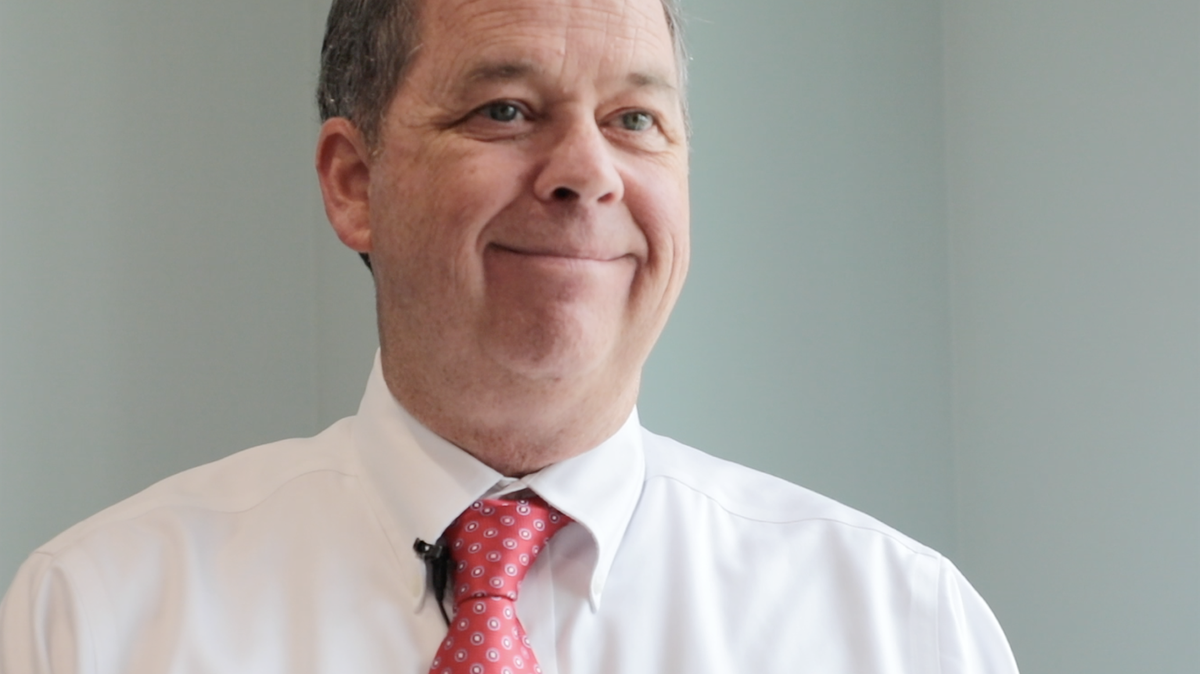
Rock Hill 2021 mayor’s race: What to know about incumbent John Gettys
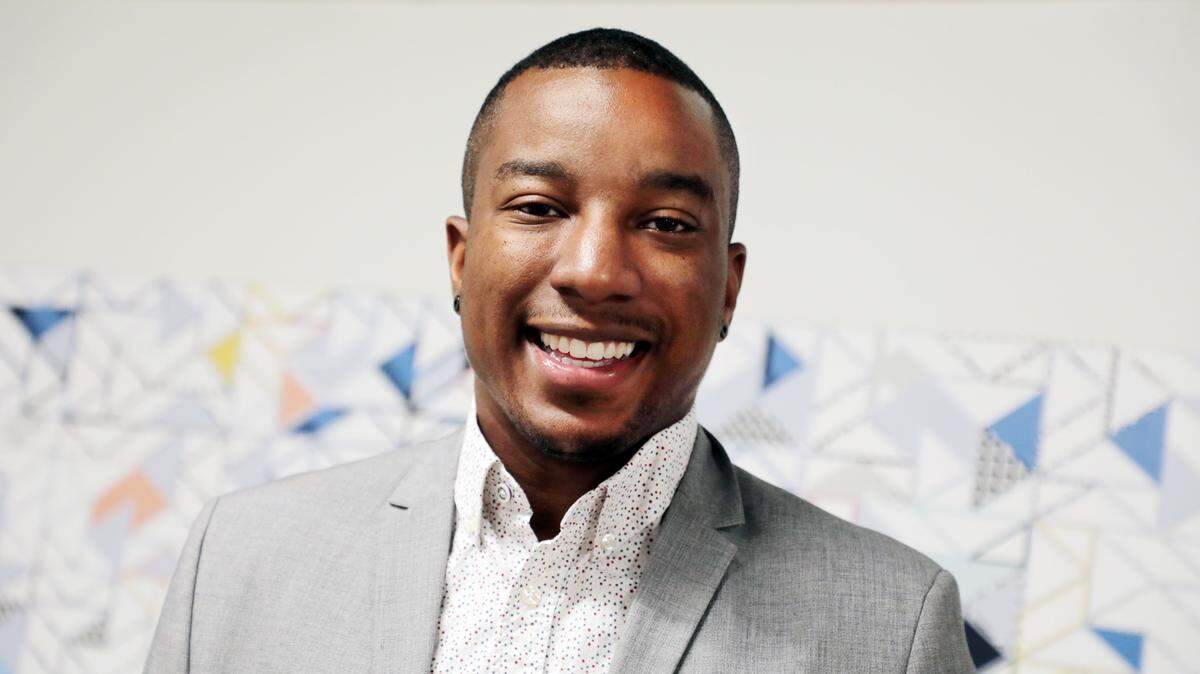
Rock Hill business owner Ishmael Lowery has grown a dedicated following in his pursuit of becoming the city’s mayor.
Over the last few months, the self-proclaimed conservative has held a handful of campaign events to meet with the city’s voters and several have come away sporting Lowery’s famous red campaign T-shirt, decorated on the back with his slogan: “Fight for Families.”
Lowery, 30, moved to Rock Hill with his wife five years ago. He served as the youth director of the Catawba Terrace Neighborhood Community Center and in 2019, he was a member of the delegation for Rock Hill’s All American City campaign. Now, he and his wife operate their small business Honest Elderberry Co.
Throughout his campaign, Lowery has put an emphasis on the city’s finances and its multi-million dollar debt. In his recent interview with The Herald, Lowery kept his focus on finances, and went over his plan to assist the city’s small businesses and establish community policing efforts.
The Herald asked the three mayoral candidates the same five questions. Some answers have been edited for brevity.
Rock Hill’s mayoral election will take place on Oct. 19.
What do you think the Panthers practice facility will bring to York County?
That package deal is designed or structured in a way of how Riverwalk was structured as far as the tax breaks, or the 100% money that we would actually get from the tax revenues going back into that infrastructure, so like sidewalks, roads, trails.
In that deal, I-77 is also having a new interchange, getting on and off of I-77 over there near Dave Lyle. So, Dave Lyle, which has seen better days, is now going to hopefully be uplifted and revitalized.
That’s one of the most important parts of it — not just actual Panthers coming here — but the infrastructure that is surrounding their facility.
Those are things that will help and each citizen can partake in. It’s not going to be limited to a certain type of citizen or amount of citizens. It’s going to be for everybody.
If you could change one aspect of the Panthers deal, what would it be?
I don’t know enough to be able to speak on what needs to change specifically with that deal, but I will tell you that $400 million in incentives are going to this deal on a state level and also on the local level.
My issue with that is you have existing small businesses that have been around for a long time, have had the backs of our citizens and our city, but they’re not receiving any type of incentive along those lines.
I think that’s where we need to take a focus on. And yes, there are incentives available for small businesses. However, I believe the bar is set very high for our businesses to obtain that, and most won’t be able to do so.
Most small businesses cannot afford renovating older buildings, so they go into the smaller parcels. Also, if you have a certain amount of employees, you can meet a certain incentive. And most small businesses, like myself, we don’t have but two to three employees.
There are incentives there, but the bar is set so high that a majority of our small businesses will not be able to even attain that.
The city has agreed to give up its property tax revenue from the project for the next 30 years. How would you plan to bring money back into the city?
We are around $500 million in debt as a city. At the same time, I always say this: that you can easily look at that and see sticker shock and exploit that for a campaign, which that’s not what my intentions are in doing.
Of that, $300 million, I believe is tied to income sources, revenue sources, revenue streams or bonds, such as utility bonds. It’s also tied to TIFs. It’s tied to machine work and leases, so things of that nature. It’s not just that we’re spending money out of thin air and everything is just kind of going down the drain.
However, that $500 million debt is there. How are we going to pay it off? I have a few options on how to do that.
We are a wholesale customer of Piedmont Municipal Power Agency. I would like to see us not just be a wholesale customer but actually a wholesale provider at some point — to be able to bring in revenue that way.
We supply water to Tega Cay, York and, I believe, Fort Mill, as far as our water business. I’d like to see us expand that business.
One of the other things is our airport. We have the Panthers coming in to town. Air travel is going to increase and I believe that we need to expand our airport to be able to accommodate those types of the increases and the amount of people that are coming to this area.
With all the growth and development happening, there’s a chance people and groups of people could get displaced. How will you make sure certain residents are not forgotten?
That’s why we’re fighting. That’s why my campaign slogan is ‘Fight for Families.’ We have so much growth happening in Rock Hill. How are we taking care of that growth? Are we taking care of the infrastructure? And are we making sure that the families that are currently struggling, will they get left behind even more underneath that type of growth?
Housing is something I always like to address. The affordable housing crisis that’s happening in our country, it’s here, in our city. As a conservative, I don’t necessarily believe in government overreach. I believe in sustainable options and community-driven options for housing and for small business.
One thing I always make mention of is Community Land Trusts. A Community Land Trust is pretty much a community nonprofit, which owns a certain plot of land, and when they have a home that’s built on that land, its sold to a low income family. When that low income family is ready to move, they’ll sell it back to that nonprofit or they’ll sell it to a low income family. That way you don’t have that type of gentrification or people being priced out of their homes.
Even going a step further, these nonprofits will be made up of residents that live in that community, so not necessarily just a city ran thing. You have a representative from the city. You have a representative from law enforcement, but you also have community leaders that will be a part of this nonprofit. You can do this in every neighborhood or every pocket in the city. I think that’s a self-sustainable, community-driven option.
One thing that people talk about a lot around here is TIFs or Tax Increment Financing. They’re using that for certain projects in the city.
My issue with that is that property value actually goes up over time. Will people’s ability afford that area be outpaced by the property values going up? That’s my concern about the TIF.
I don’t have a doubt that TIF works. I believe it does work. It’s just how it’s going to be structured and how the verbiage is going.
What is your vision for the city in the next four years?
A city that is sustainable and that manages growth well. It’s one thing to grow. It’s another thing to address how we’re going to manage it. I’ve touched on housing as a good way of looking at that.
Small businesses are the backbone of our community. In 2020, unfortunately, small businesses everywhere took a hit. One thing I did not like about that is that you have big chain stores that are able to stay open, while our mom-and-pop shops had to go out of business. I’d like to see more robust zoning laws that protect our small businesses from larger chains being moved in and choking them out.
I would like to also see our city grow a culinary identity. I always reference Charleston or places, like Asheville, where they have that culinary identity. I think that goes well with sports tourism and it will help our small businesses.
That type of revenue pours out everywhere. Everyone loves to eat, including me, and I don’t think that’s going to go out of style any time soon.
I’d love to see a city that surrounds their law enforcement and supports their law enforcement. Community policing is a big component, I believe, that is missing here because we have understaffed police force.
When our police force is understaffed, they are not able to do community policing effectively, and community policing that consists of problem solving. That just cannot happen if our guys or gals are going from call to call without having that time in between to interact.
This story was originally published October 14, 2021 at 9:53 AM.