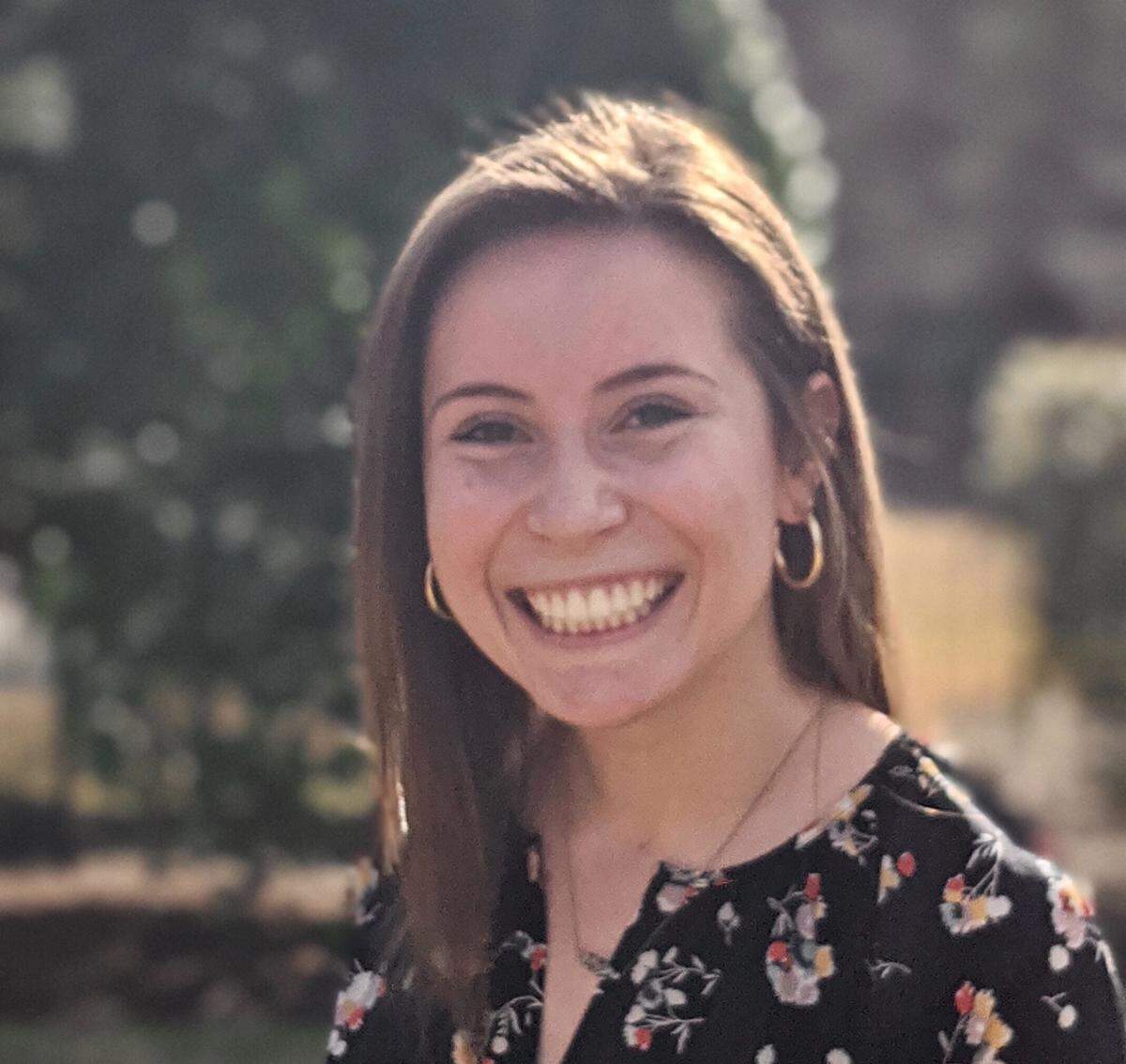
Rock Hill 2021 mayor’s race: What to know about incumbent John Gettys
READ MORE
Rock Hill’s Mayoral Election 2021
Rock Hill’s mayoral election is Oct. 19. Here’s what the three candidates said about the Panthers development, gentrification and their visions for the city.
Expand All
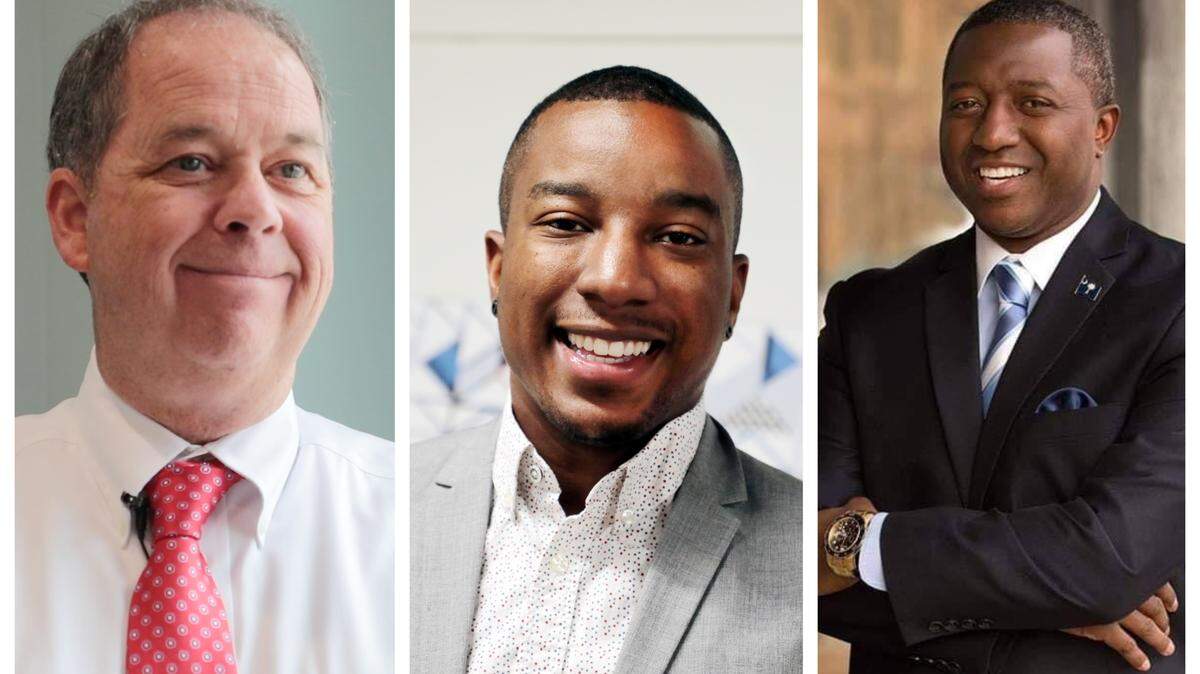
Rock Hill’s 2021 mayoral race is Tuesday. How to vote for your choice of 3 candidates
Rock Hill 2021 mayor’s race heats up. Here’s what to know about the three candidates
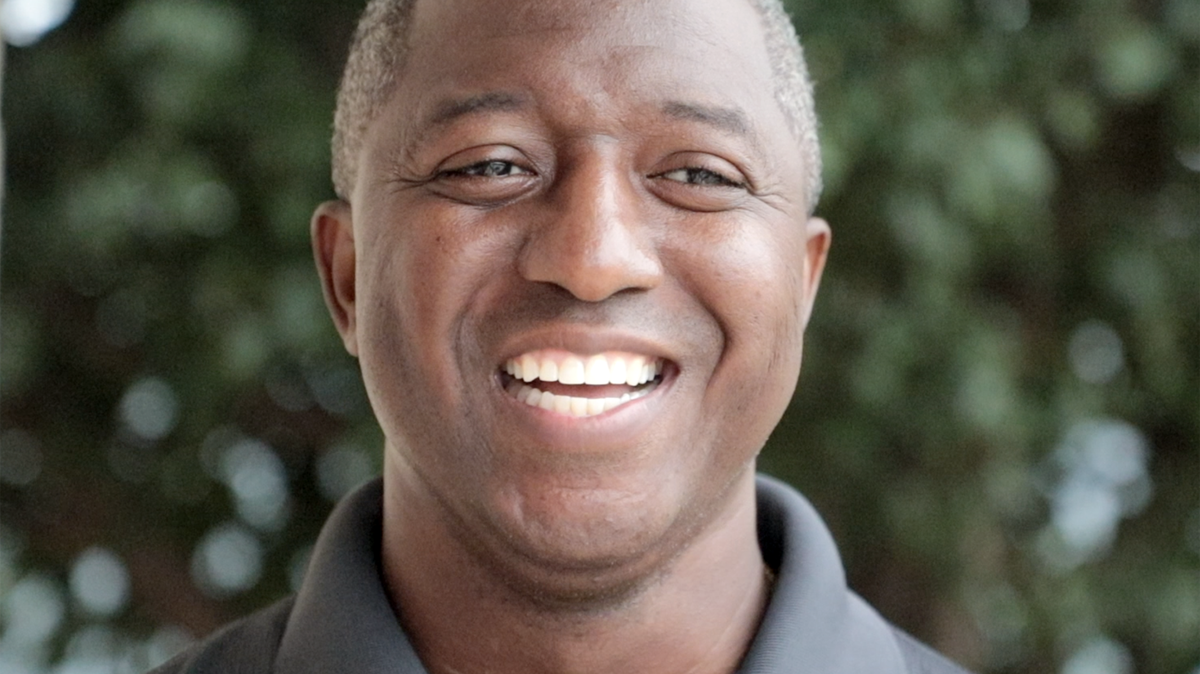
Rock Hill 2021 mayor’s race: What to know about York County Councilman Bump Roddey
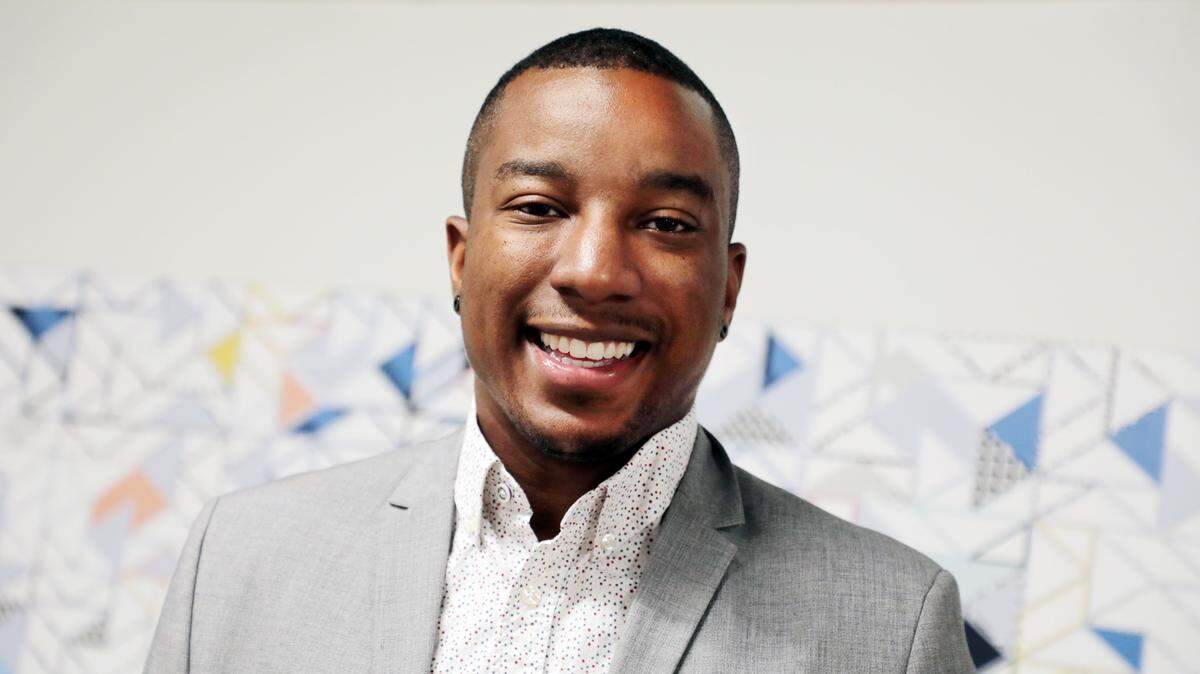
Rock Hill 2021 mayor’s race: What to know about conservative candidate Ishmael Lowery
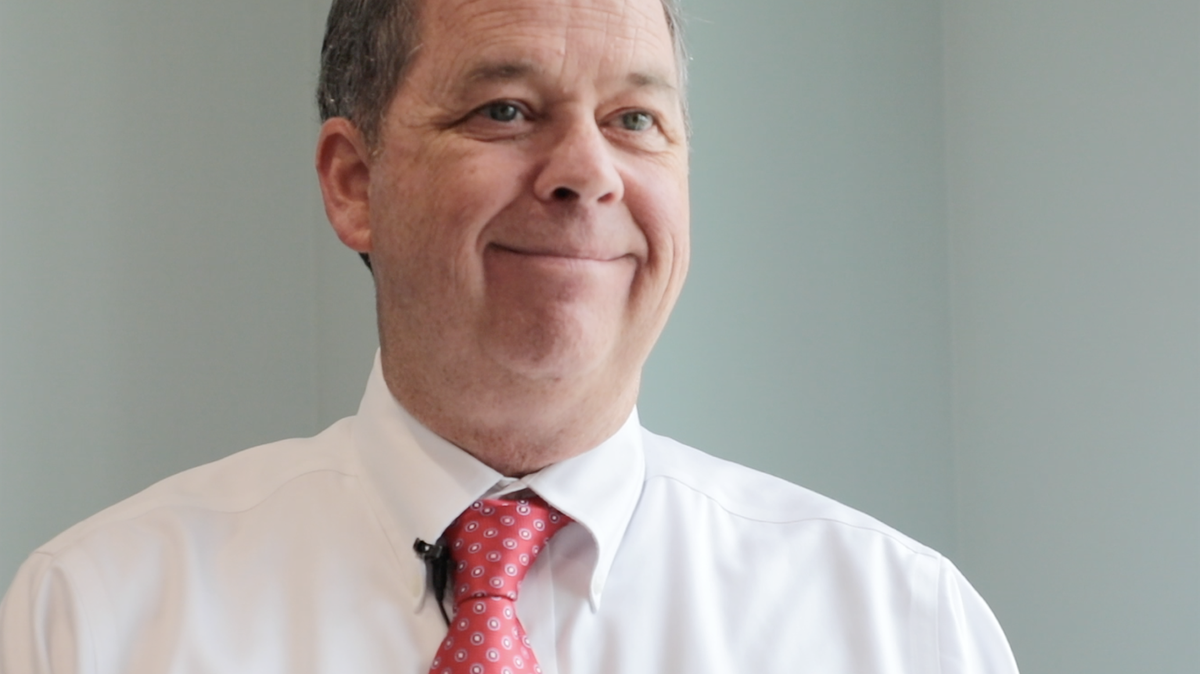
Rock Hill 2021 mayor’s race: What to know about incumbent John Gettys
Rock Hill Mayor John Gettys is facing a familiar opponent in his effort to win reelection.
In 2017, Gettys became the city’s first new mayor in two decades when former Mayor Doug Echols, who has supported Gettys this year, stepped down.
Gettys ran against York County Councilman William “Bump” Roddey, who also is running again. Roddey, who voted in favor of an incentive deal to bring the Carolina Panthers headquarters and practice facility to York County, has criticized the city, and Gettys, about the deal.
Roddey has taken several other digs at Gettys throughout his campaign and even circulated a video on Facebook calling for Rock Hill residents to vote out Gettys.
As a result, Gettys has had to clear up some shared information, specifically elements of the Panthers’ incentive deal. And he did just that in his interview with The Herald.
Gettys broke down the details of the Panthers’ project. He defended the city’s part of the deal and clarified aspects of the incentive package. He didn’t shy away from acknowledging the city’s gentrification and elaborated on Rock Hill’s plan to revitalize its south side.
The Herald asked the three mayoral candidates the same five questions. Some answers have been edited for brevity.
Rock Hill’s mayoral election will take place on Oct. 19.
What specifically do you think the Panthers headquarters will bring to York County?
The Panthers have changed Rock Hill forever. I think so many people are noticing the Panthers for the football part of the development, but that football facility, the corporate headquarters is about $650 million. The whole development is $2.5 billion.
So, that football facility is only really about a quarter of what we’re going to see out there.
What we’re going to see, according to the Panthers’ vision, is development on I-77 that is for office space, for corporate tenants, for Fortune 100, 200, 500 companies that we don’t have in Rock Hill — that we would never get in Rock Hill without the Carolina Panthers’ vision coming to Rock Hill.
For the people of Rock Hill, it isn’t really the football facility. It’s everything else.
I’m not talking about restaurants. I’m talking about jobs, and I’m talking about high paying jobs that attract people to our community with much more disposable income, so that our schools are better, so that we’re better prepared to educate our kids, so that our entrepreneurs have a better clientele to sell to and work toward.
For example, I was on a telephone call in the last couple days with a prospect that wants to come to Rock Hill with a ton of jobs, with a good hourly wage, that is talking about locating in close proximity to the Carolina Panthers’ footprint. It’s manufacturing jobs.
None of that would have happened had we not had the Carolina Panthers come to Rock Hill, in my opinion.
We also have to recognize what was that property going to be before the Carolina Panthers — and it was distribution.
It was under contract with the Hutchinson’s and a third party to put big-box distribution facilities there. We would have been just like every other community in South and North Carolina with distribution facilities on the interstate.
I got a call from the landowners that said, ‘Hey, we signed this contract, but the Panthers called and we’d rather sell to the Panthers than this group. We need you to get in the middle of it, mayor, and make it happen.’ And I did.
We’re in the Charlotte-metro region, but we’re going to be a leg up on everybody else because of the Panthers’ franchise.
If you could change one aspect of the Panthers deal, what would it be?
Well, no deal is perfect. I’ve been negotiating deals for 26 years as an attorney, and you have to get the deal that you can get. But if there is one thing that I wish we could change is that the county would have moved more quickly on this.
They delayed the project for seven or eight months, working through their many machinations. As a result, the project’s about a year behind schedule because of their delays, and the lack of engagement on substantive issues for quite some time on that.
The city has agreed to give up its property tax revenue from the project for the next 30 years. How would you plan to bring money back into the city?
The Panthers site is 240 acres, and the county council agreed to give it a super-fee status.
All commercial property in South Carolina, this building, McDonald’s, anything that’s privately owned is taxed at 6%. Your home is taxed at 4%. Manufacturing is at 10%. But commercial or second homes, rental properties are taxed at 6%. The county gave it super-fee status, which means the Panthers project is at 4%.
The city and the schools had nothing to do with that.
The true tax incentive was given by the county because that means that the property taxes that are collected are two-thirds of what they would have been had the county not given that incentive. Nobody ever talks about that.
The city and the county agreed to take the taxes that are collected — that two-thirds — and put it back into the project for public infrastructure.
This property was in the county. It’s never been in the city. We’ve never collected any taxes on this property. The city said, ‘This is all new tax revenue for us.’ We’re not losing anything.’
We’re going to take our full share and put it toward building roads, sidewalks, curb and gutter, flowers, trails. All public amenities hook up to this new interstate interchange that the state of South Carolina and the federal government came in on, so that the people of Rock Hill have access to all that.
The city said, ‘We’ll take our full allotment of that tax bill and we will put it toward payment of the public infrastructure.’ No money goes to (Panthers owner David) Tepper or anybody else.
The county because of the way the tax system is set up, they get to decide not just their share, but they decide the schools’ share as well. Schools don’t have a say in it. The county said, ‘We’re going to only give 65% of our share to that pot, and 75% of the schools’ share to that pot.’
The county gave more of the schools’ money to the Panthers than they gave of their own money to the Panthers.
If you’re asking me, should the city have given the full (allotment)? My opinion is yes, and the reason is this is in the city. The city will have control over this property. We’ll get the benefit of that.
If you’re asking me, if the county should have given less? I urged them to do so because the county is bigger than the city of Rock Hill. My argument to county council members was don’t give 100%. I would have liked them to give more — don’t get me wrong — but take part of that and use it for infrastructure on the western side of the county ... do something with it and everybody will benefit from the Panthers coming to town.
That’s their decision. I’ve got no say in that. That was just the conversations.
I think it’s a little bit odd that the county is willing to give less of their tax collections, and more from our schools without the schools having a say in that.
What we hear is, ‘The city gave all this, so we drove a better deal.’ Well, that’s just not true. They gave a super-fee status. So, at the end of this, when it’s a $2.5 billion project, that’s going to generate about $45 million a year in property taxes — were there not a super fee.
Now, it’s $30 million in taxes. That’s the tax incentive.
That’s an incentive that brought the Panthers to Rock Hill. I don’t know if Mr. Roddey doesn’t know what he voted for or he’s not being genuine in his responses, but those are facts. You can look all that up.
The city of Rock Hill was able to give the full allotment that we’ll get on taxes because unlike other political subdivisions, we have other revenue sources. We’ll get electric revenues. We’ll get water revenues. We’ll get wastewater revenues, storm water revenues, and more importantly, we’ll get hospitality and accommodations taxes. Nobody else gets those.
So, by having many different streams of income to the city of Rock Hill, we can shoulder a bit more on these property taxes because of the other revenue it’ll bring to our other elements that make the city what it is.
The opportunity that the Panthers bring to us is far broader than just tax revenue.
With all the growth and development happening, there’s a chance people and groups of people could get displaced. How will you make sure those residents are not forgotten?
Well, gentrification is happening now. It’s been happening in Rock Hill for some time now, and it’s because of a lot of different variables.
We have to have people coming out of school ready to work that aren’t going to college or going to the military. So, we’re working on programs, like The Works!, where the city and the schools have partnered to help kids that are coming out, not going to college and not going into the military, to get a job at the city if they choose to — where they’re getting paid a livable wage.
The city of Rock Hill pays a living wage to all its employees. That’s one of the first things I did as mayor, but it’s got to be more than that.
We’ve got to recognize that the south side of Rock Hill was built by mill owners. That’s the oldest part of Rock Hill and mill owners built neighborhoods around their mills with houses that weren’t on systems. They didn’t have sidewalks, curb, and gutter, all those things.
It’s not that anybody didn’t want anybody to have them. It just wasn’t built that way. So, we’ve got to figure out how to change that because quite honestly, everyone in Rock Hill should live just like everyone else in Rock Hill and should have the same amenities.
But that costs a lot of money and it’s the reason it hasn’t happened in a grand scale.
Now, there’s been a lot of money invested in the Saluda Corridor and others, but it’s just not making a dent. Despite everybody’s best efforts, it’s got to be more comprehensive than that.
Two years ago, a group called the Clinton ConNEXTion started coming together and they developed a plan.
It had eight great projects that they wanted to see the public invest in. That’ll be a huge thing for us, as a city, if those eight projects are done. The first one is better affordable housing options.
Again, we’ve got to figure out how to pay for all this stuff. And what the city council doesn’t do is raise taxes — hasn’t done it in 15 years.
What we’re doing and what I did is, when the Clinton ConNEXTion started to really get some good thoughts together ... we started looking about the next Tax Increment Financing district.
Basically, it’s like the Panther deal. You take the property taxes within that district, and you use it on public infrastructure within that district. It’s what we’ve done downtown. The issue is downtown’s TIF has been around for 35 years, and it’s just now booming in the last four or five years.
We don’t have 35 years to wait on the south side to turn a corner. I want to see it in my lifetime.
We have to figure out how are we going to supercharge this redevelopment of the south side in a manner that protects the people there as best we can, but also ensures that we see opportunity come to the south side.
The way we’re doing that is we’ve reached out to property owners on I-77.
I’ve had very direct conversations and said, ‘The city of Rock Hill is interested in this tax increment district. Your property on I-77, if it’s manufacturing or distribution, will create a lot of property taxes annually. We would like you to come into the city of Rock Hill now.’ It has to be annexed into the city before the TIF document is finalized by the city.
We’ve been fortunate enough to get about 22 property owners, that together own about 2,500 acres around the I-77 corridor, to agree to come into the city.
It’s an amazing amount of tax revenue that’s going to come in over 30 years.
The cap is $225 million.
The city, in putting numbers together for this, their number was about $185 million.
I said ‘We’re going to do more and we’re going to get it to $225 million.’ That’s the same amount of public infrastructure that the county and the city agreed to help cover for the Panthers.
The redevelopment of the south side of Rock Hill is just as important to the future of our community as the Carolina Panthers — not a person less and not a penny less.
So, we’ll collect this $225 million over 30 years in property taxes.
It doesn’t come from anybody living in Rock Hill. It comes from business owners that are in the TIF district — not other business owners on Cherry Road, Celanese or India Hook. And the money can’t be spent on Cherry Road, Celanese or India Hook.
It has to come from the south side and be spent in the south side.
The reason why that’s so important for us, as a community, is it means we can do all of this redevelopment without anybody’s taxes going up as a result of the TIF district.
What is your vision for the city in the next four years?
As a city, we’ve accomplished a lot in four years. It’s pretty amazing when you look at what we’ve had to deal with and what’s been thrust upon us. As a community, even with all these difficult things we’ve been through, we’ve stayed together.
That’s probably the thing I’m proudest about as mayor is the ability to bring people together and help everybody recognize that we are much stronger than we think we are, and we have much more in common than maybe others would like us to recognize.
That’s really been important for us, as a community, and that’s why we’re seeing so many of these things happen.
What I’m really excited about for the next four years is as we get these things underway, it comes to a point that we need to be engaged on, and that’s the livability of our community, so that we’re a lovable community.
That means we continue to burnish out Knowledge Park, see small business owners take off, see entrepreneurs do great things. It means we make the south side just like all sides without losing its character and its culture.
We also need to make sure that all of the people of Rock Hill have access to all of the same opportunities, and that’s hard. But My Ride bus system does that. It makes sure that people who couldn’t get to a grocery store now can. It makes sure that people who couldn’t get to a job now can. It’s those big things that define us, as a people, that we need to keep working on.
We also need to recognize that a livable community is one where — and this sounds very simplistic — we’ve got to have better roads. We just haven’t had a chance to do that because we haven’t had funding streams that have allowed us to do those things, allowed us to look at that in a more comprehensive fashion.
We have to make sure we see economic development. All these jobs that are coming — it’s fantastic.
We see businesses from Great Britain and Canada coming to Rock Hill. Those employees aren’t commuting for those jobs. Those are our jobs. We need to continue to bring in these outside businesses that want to be here because we have a skilled workforce.
And we’ve got to make sure that we’re continuing to build on our successes, and that’s our recreation and quality of life. I just went to the Parks and Recreation Commission meeting last month, and we agreed to kick off the next regional park. It’s going to be on the south side of Rock Hill and it’s something I’m very excited about.
I’m hiring someone from outside Rock Hill to sit down with the neighborhoods in the vicinity of this park to talk about how this will fit together, how it will not be seen as telling us this is how we’re going to do it, but everybody who’s affected has a voice in what we develop in that area.
It’s how we as the community should work.
This story was originally published October 14, 2021 at 10:17 AM.