‘Like NASCAR on the road,’ extreme speeding increasingly brings death to NC highways
READ MORE
Death in the Fast Lane
The Charlotte Observer and News & Observer in Raleigh wanted to know how often extreme speeding was happening on North Carolina’s roads — and whether the COVID-19 pandemic had made highways deadlier. They found that nearly 92% of extreme speeders get breaks in the courts that allow them to avoid the full penalties.
Highway Patrol troopers, meanwhile, acknowledged they were stretched thin. Experts say that helps explain why highway deaths have increased — and why people who drive 90, 100 mph or more routinely get away with it.
Expand All
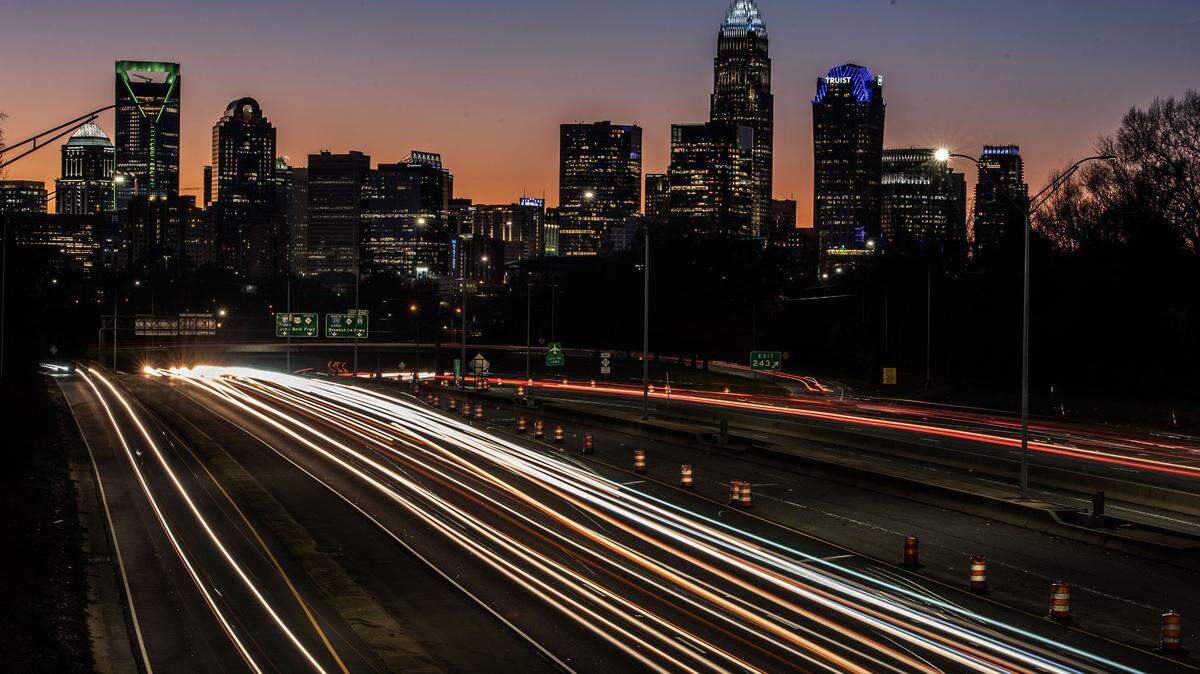
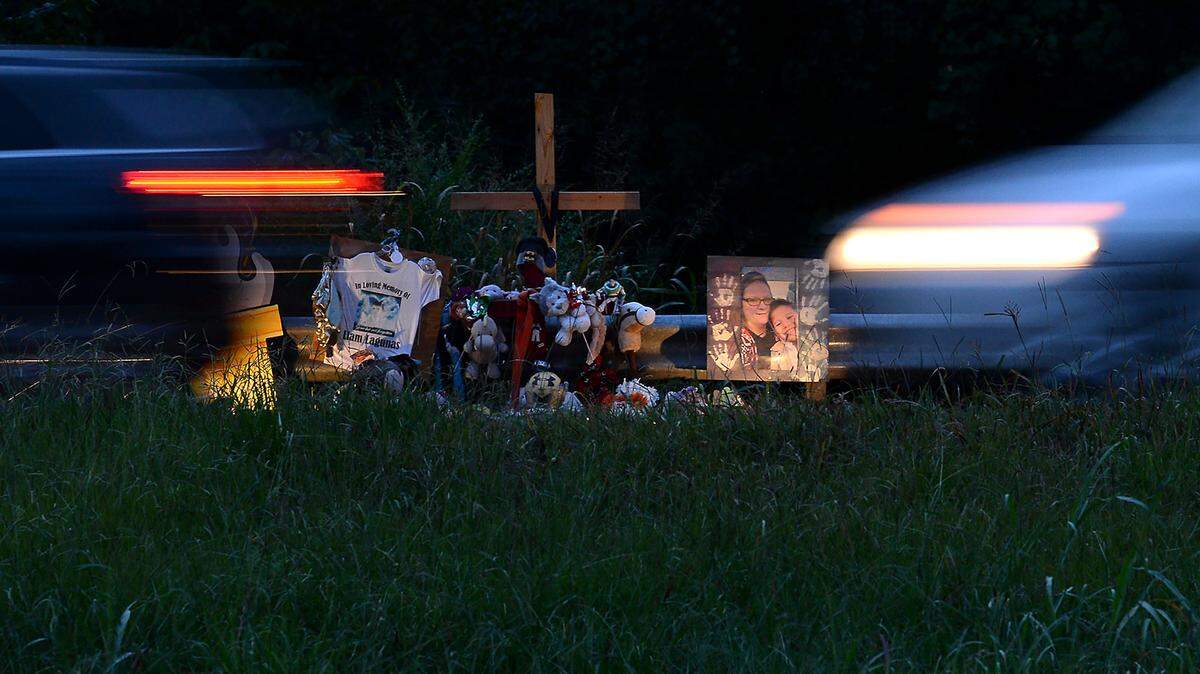
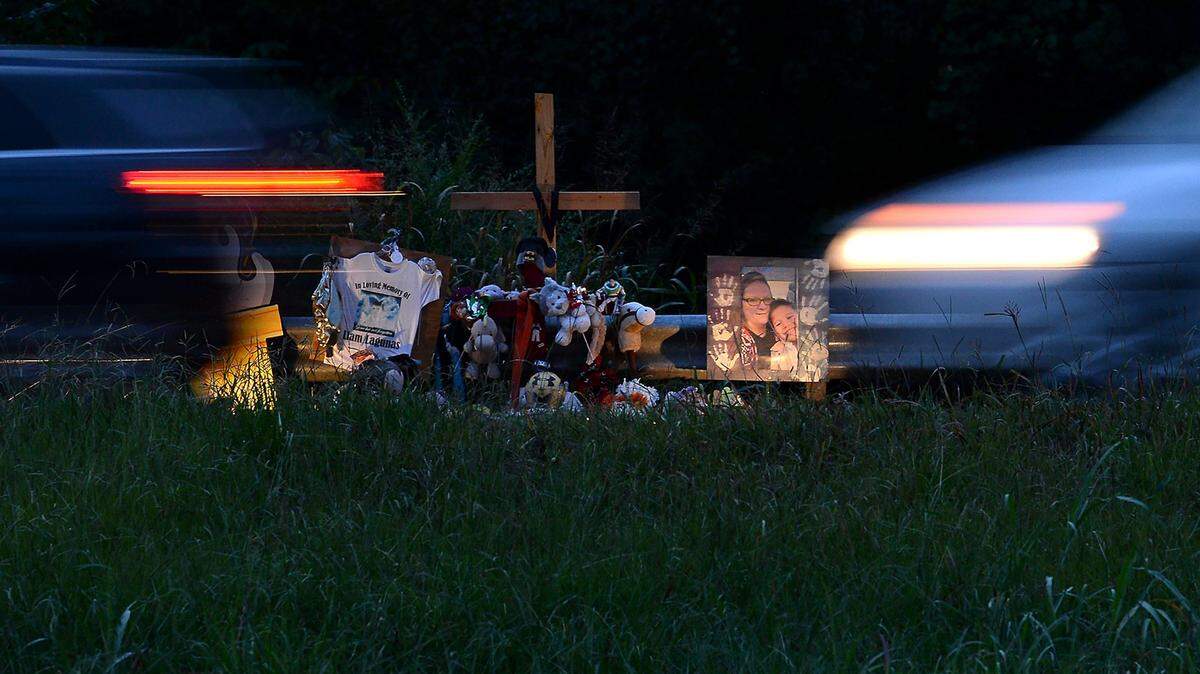
About an hour before nightfall, Dakeia Charles was driving his 1992 Cadillac down Charlotte’s outerbelt at what police said was 120 mph. He changed lanes. Then, his car slammed into a box truck, which ran off the road, careened across the median and collided with two other cars traveling the opposite direction.
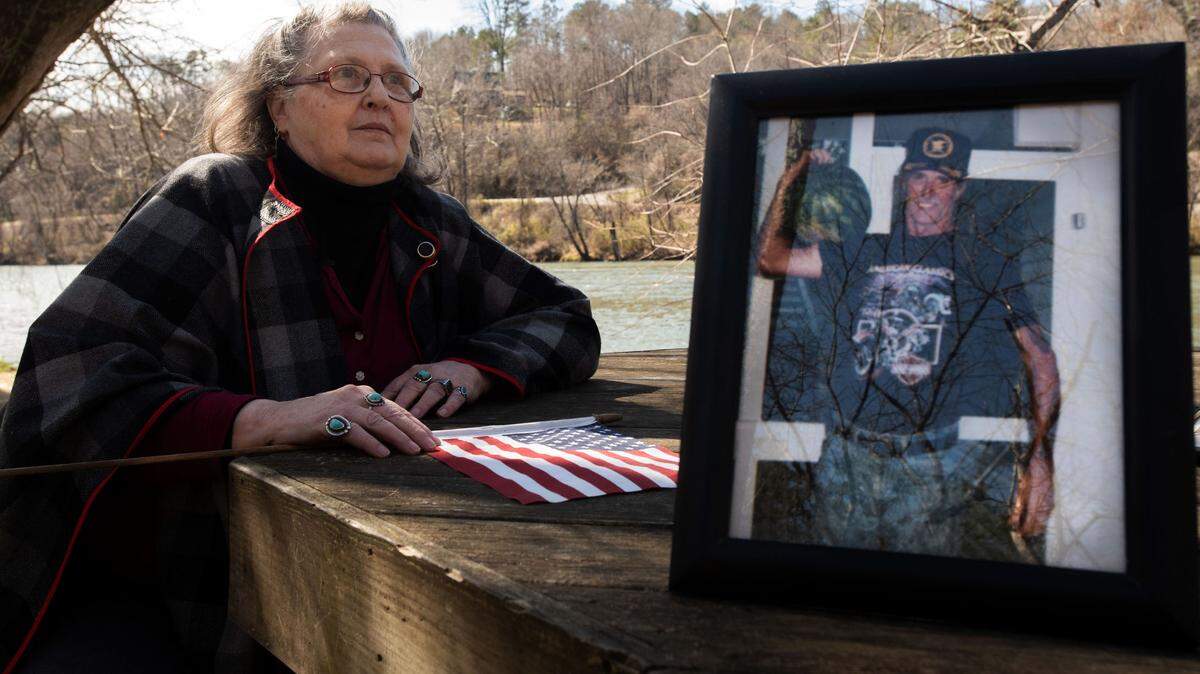
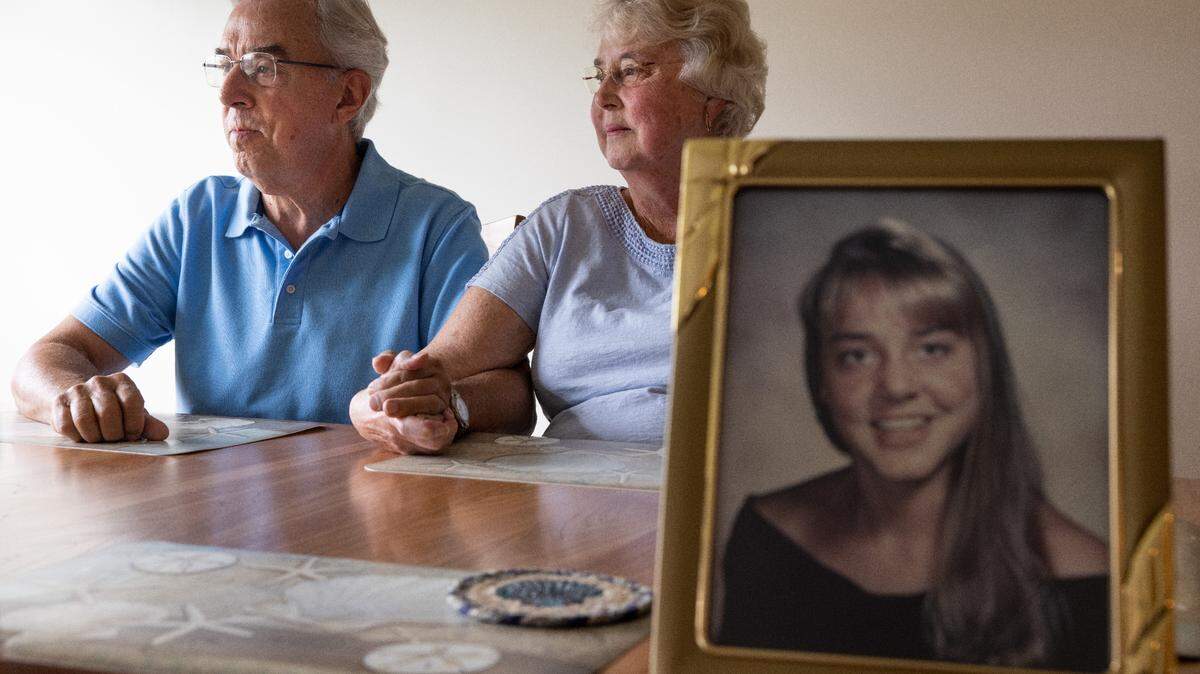
With that crash on July 3, 2020, Lynn Sherrill lost four of the people she loved most: Her fun-loving son, Matthew Obester; her artistically gifted daughter-in-law, Andrea Obester; her horse-loving, 12-year-old granddaughter Elizabeth, and her “full of life” 9-year-old granddaughter, Violet. Sherrill had hoped for many more joyous days and years with her granddaughters.
“That was part of my life plan,” she said. “Now I have to make a new plan. You just don’t know what to do anymore.”
Like hundreds of others across North Carolina, Sherrill saw her life tragically upended by those who drive at extremely high speeds.
Almost everyone drives over the speed limit sometimes. But an investigation by the Charlotte Observer and The News & Observer in Raleigh found that extreme speeding — where drivers fly 20, 30, even 50 mph over the speed limit — has increased dramatically in North Carolina, especially since the COVID-19 pandemic began. Law enforcement officers have clocked some drivers going nearly 200 mph.

Speed-related crashes have claimed the lives of more than 1,800 people in the state over the past five years. And last year, as drivers took advantage of uncongested roads during the pandemic, speed-related fatalities reached their highest point in more than a decade.
It’s happening largely because North Carolina allows drivers to get away with it.
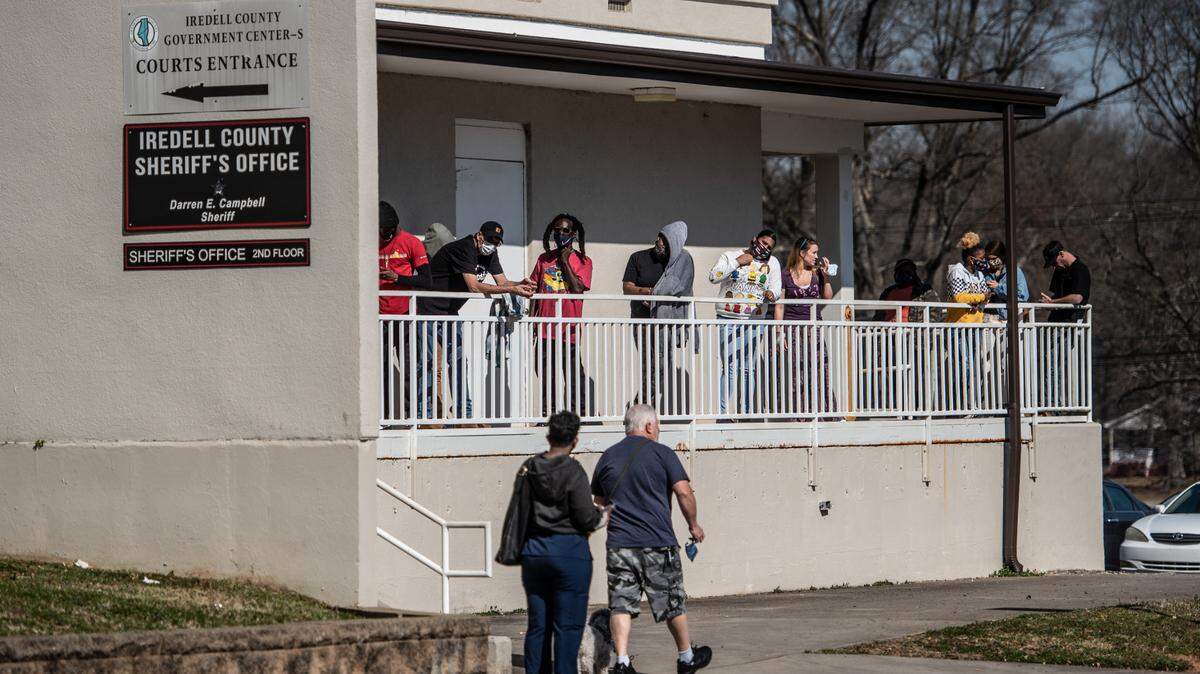
Enforcement has been spotty, particularly during the pandemic, when some law officers say they were told to stop speeders only in the most extreme cases. The state’s overwhelmed courts let speeders off easy. As a result, many in North Carolina are able to drive at extreme speeds and escape punishment.
The news organizations found:
▪ When people are charged with driving 20 mph or more over the speed limit, nearly 92% get breaks in the courts that allow them to avoid the full penalties. In some counties, fewer than 2% of extreme speeders are convicted as charged.
▪ Some super speeders are caught doing it again and again. From 2016 through 2020, roughly 16,000 people have been charged at least three times with extreme speeding — that is, driving 20 mph or more over the limit.
▪ Dozens of speeding drivers whose charges were reduced or dismissed were later involved in fatal crashes.
▪ Although North Carolinians drove fewer miles during the pandemic, the death toll on the state’s roads in 2020 jumped 12% over the previous year. Speeding contributed to about a quarter of these deadly wrecks, playing an even bigger role in the highway carnage than alcohol.
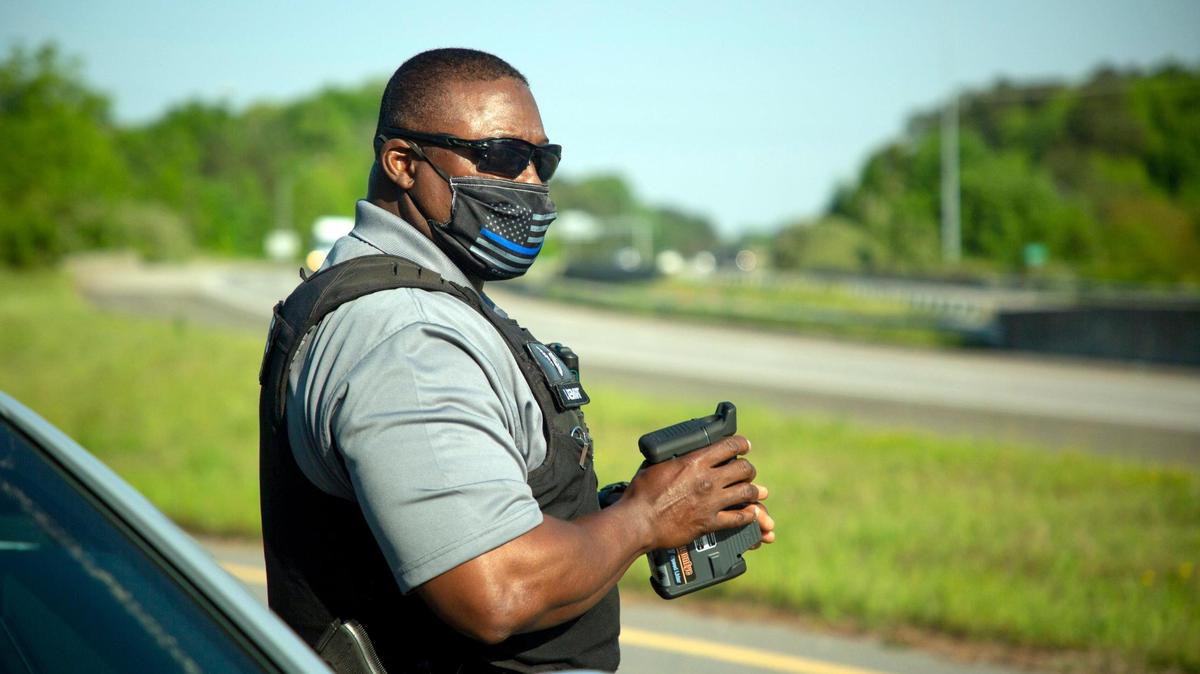
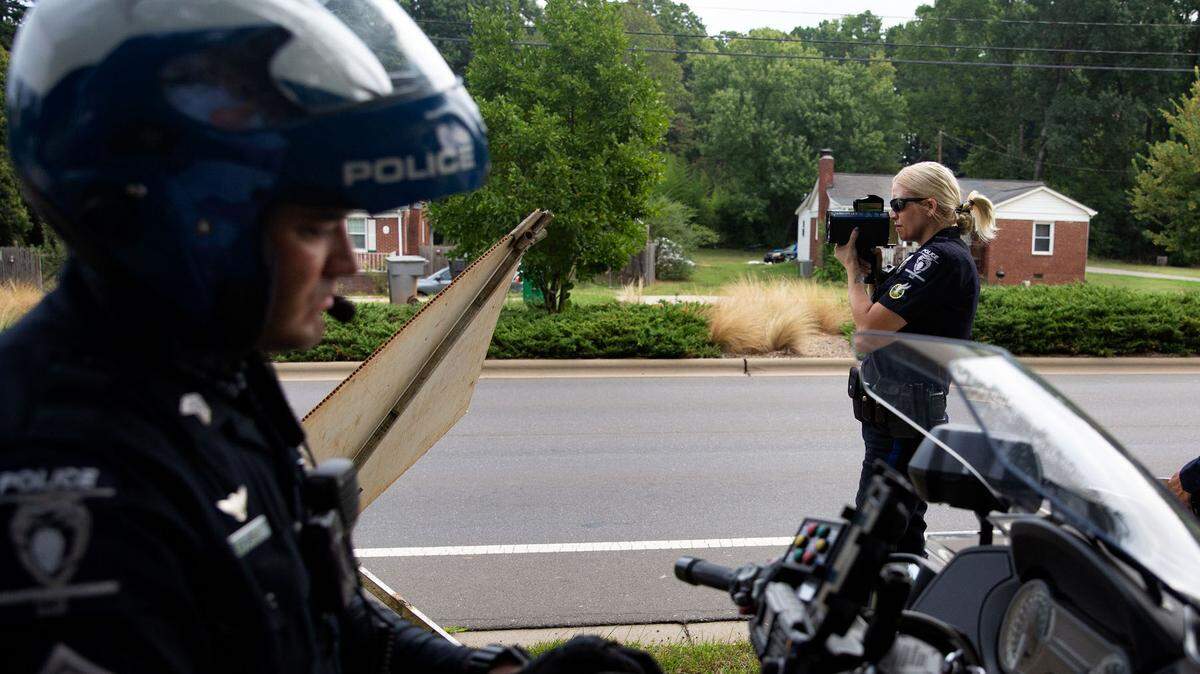
▪ Speed enforcement in North Carolina has declined in the past five years, despite the growth in the state’s population. State troopers said that during the early days of the pandemic, they were told to stop issuing citations in all but the most egregious cases.
▪ Prosecutors have made it easier for speeders to avoid all punishment, including license and insurance penalties. They do it by using a loophole in state law that allows drivers to claim, without showing proof, that their speedometers aren’t working properly. Many get this break, regardless of how fast they were speeding.
Asked for his assessment of the state’s effort to curb speeding, Ike Avery, a retired top lawyer for the North Carolina State Highway Patrol, had three words:
“It’s not working.”
‘Addiction to speed’
Every 21 hours, on average, someone died last year in a speed-related crash in North Carolina. Of the roughly 1,650 traffic fatalities last year, at least 414 died in speed-related wrecks, according to state Department of Transportation data.
More than 70 fatal crashes last year involved people driving 100 mph or more, state data shows.
Over the past five years, more than 75 drivers in North Carolina have gotten extreme speeding charges reduced or dismissed, only to be involved later in wrecks that killed or injured others.
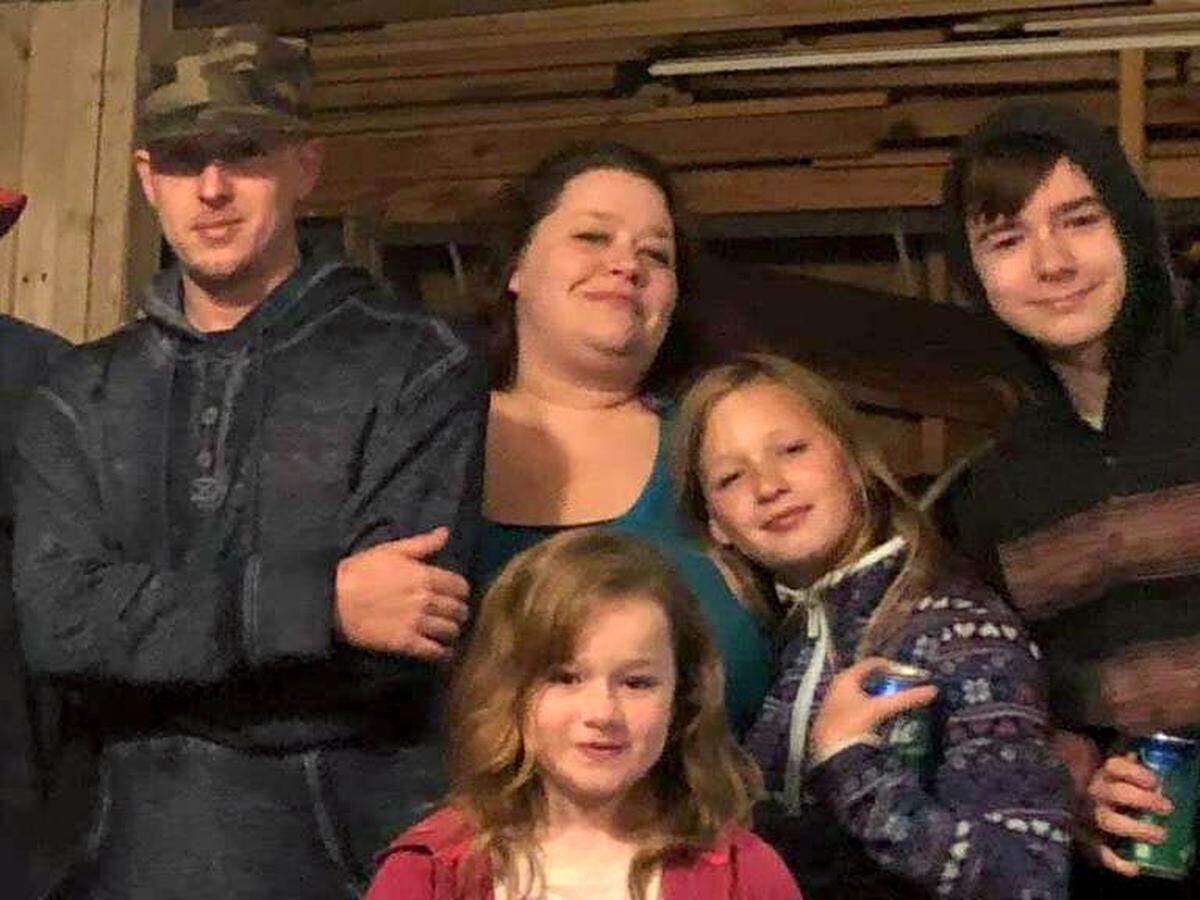
Part of the problem, experts say, is that unlike drunken driving, there’s little public stigma against speeding. In some circles, it’s even glorified. Street racing — involving drivers who sometimes top 180 mph — is on the rise in some communities, residents and law enforcement officers say.
But all too often, excessive speeding proves deadly. It’s dangerous, experts say, because it leaves drivers with less time to react and greatly increases the distance needed to stop a car. What’s more, the force of a collision rises exponentially at higher speeds.
“We just have this addiction to speed in this country. And that’s killing us,” said Mark Ezzell, director of the Governor’s Highway Safety Program. “ … We’ve really got to recognize speeding as the public health crisis that it is.”
Car tops 165 mph, then crashes
Triple-digit speeds have become commonplace on the state’s highways. During the five-year period examined by The Observer and News & Observer, about 20,000 drivers in North Carolina were charged with exceeding 100 mph. Some reached nearly 200 mph. A Raleigh man was charged in 2018 with going 197 mph on the interstate.
From 2019 to 2020, the number of drivers ticketed for going 100 mph or more rose 69%.
Law enforcement officers say some drivers race down roadways so fast they simply can’t catch them.
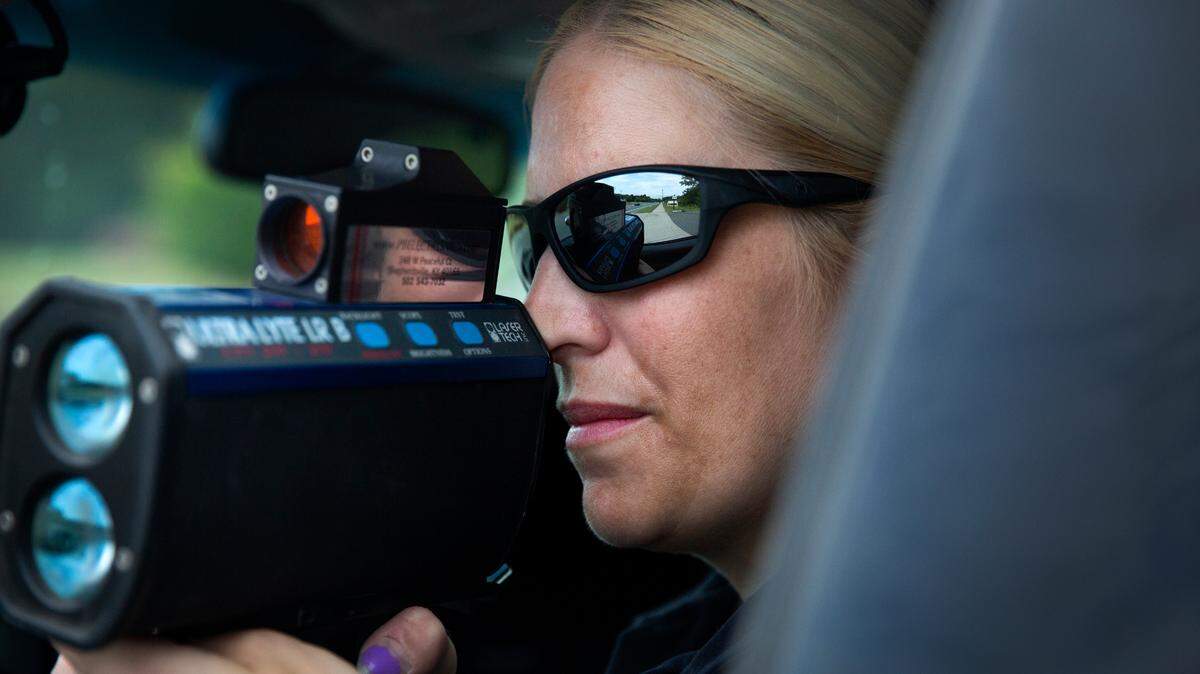
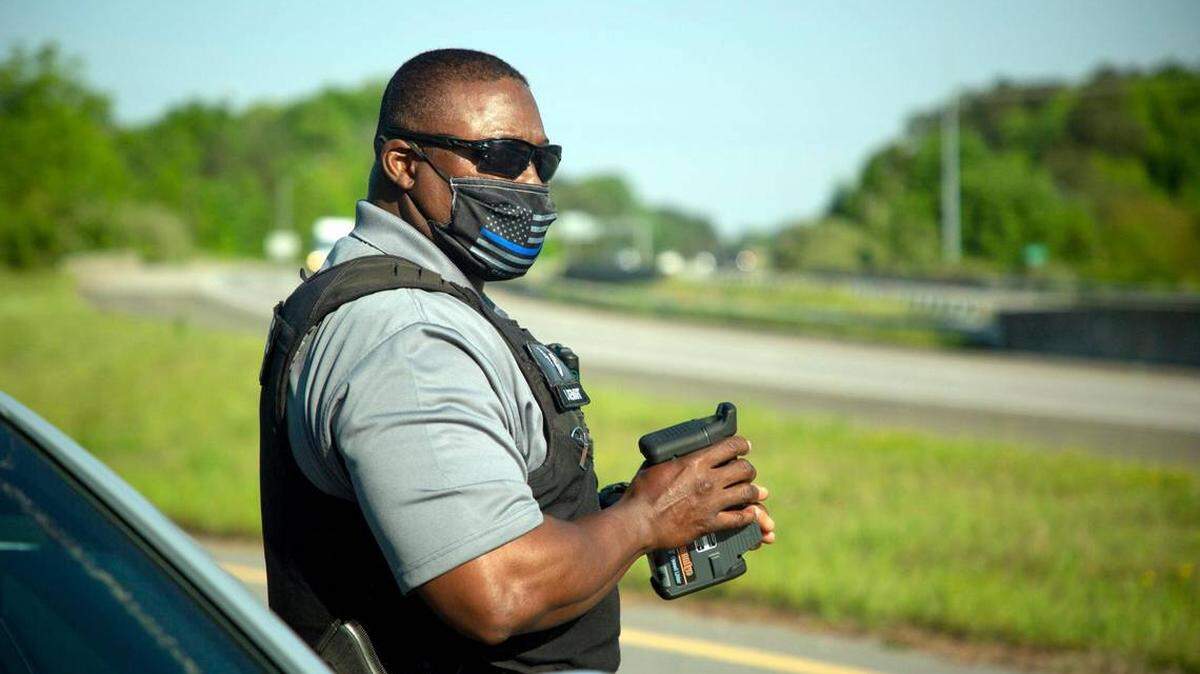
Trooper Mitch Geracz said he recently clocked a Dodge Charger going 128 mph on Interstate 85 in Cabarrus County. Then, with Geracz in pursuit, the driver barreled onto Interstate 485 in Charlotte, where he reached 175 mph.
“He ran out of gas,” Geracz said. “That was the only reason I caught him.”
In July, a Union County sheriff’s deputy tried to stop another Dodge Charger on U.S. 74 in Wingate. The car reached speeds of more than 160 mph, according to Sgt. Coy Norris, of the Union County sheriff’s office. Norris pursued the car for several miles but couldn’t keep up with it.
Soon afterward, the car crashed in Wadesboro. The driver, 26-year-old D’Ante Cedric Kelley, fled on foot but was later arrested. He was charged with reckless driving, hit and run and fleeing to elude arrest. The charges are pending.
Like many charged with extreme speeding, Kelley had gotten breaks on previous speeding charges. In December 2019, Cumberland County prosecutors dismissed a charge of failure to reduce speed.
Prosecutors also gave Kelley a deal on a separate speeding charge after law enforcement officers reported that he’d been driving 15 mph over the speed limit. He was able to use a loophole in state law that allows speeding drivers to claim that their speedometers weren’t working properly.
In Mecklenburg County last year, 54 people died in wrecks involving cars that were going 20 mph or more over the speed limit. Ten of those crashes involved cars going 100 mph or more.
On June 27, 2020, police said a Chevrolet Equinox was going 104 mph in a 45-mph zone on Idlewild Road before it hit a median and went airborne. The car went down an embankment and struck a tree, killing Anahy Amantecatl, a 14-year-old passenger. Michelle Lorenzo, the driver, pleaded guilty last month to a reduced charge of misdemeanor death by vehicle.
Two months later, on Aug. 27, Eric Love, 33, was walking across W.T. Harris Boulevard when he was struck and killed by a speeding car. Police say the driver, Timothy Nicholson, was driving his Volkswagen more than 100 mph in a 45-mph zone. Nicholson has been charged with driving while impaired and felony death by vehicle.
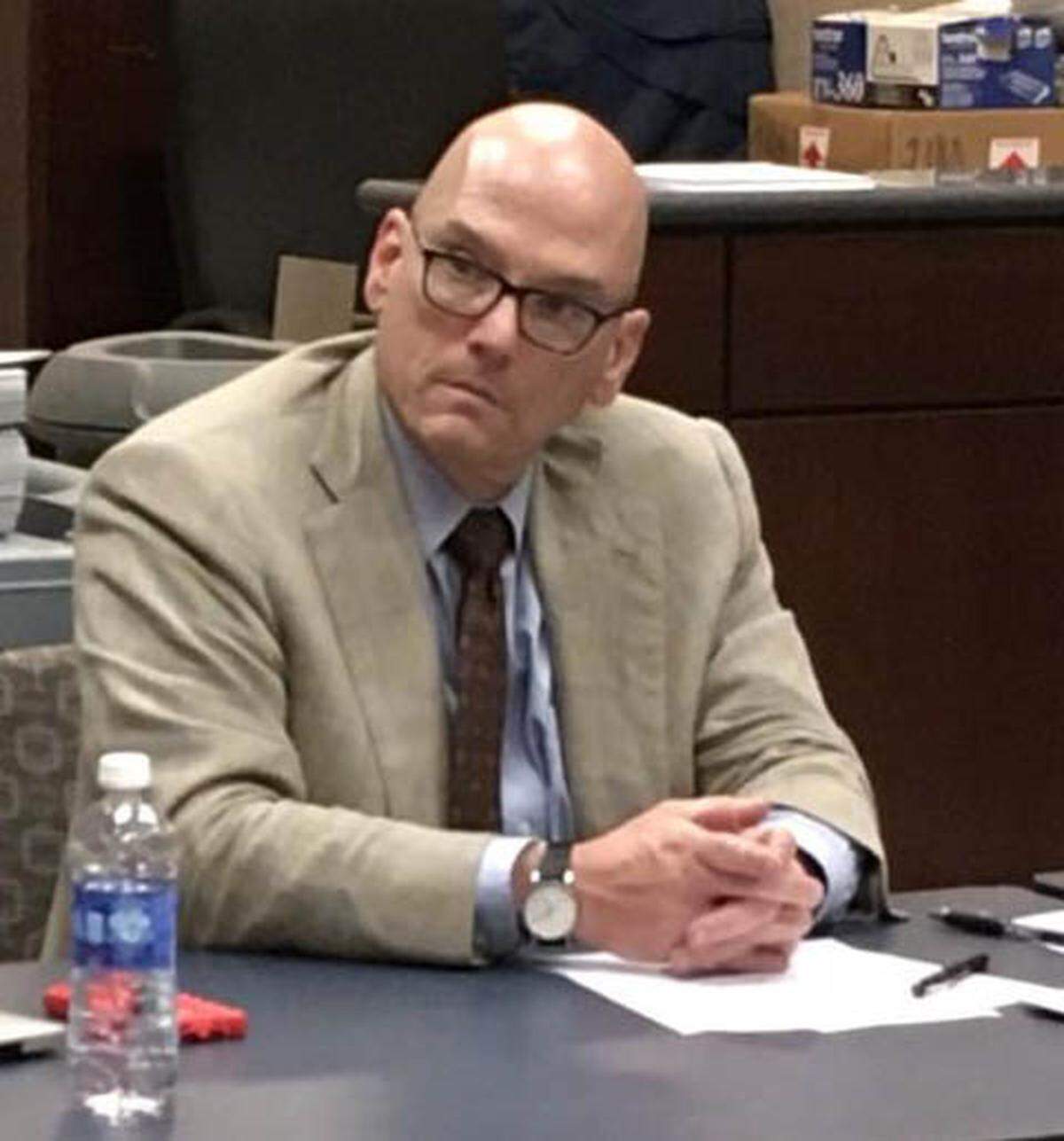
And nine days after that, police said, a Lexus sedan was going 90-100 mph in a 35-mph zone on West Boulevard when it careened into a car it was attempting to pass. The crash killed 30-year-old Antonio Bennett, a passenger in the Lexus. The driver of the speeding car, Shamari Pinkney, has been charged with second-degree murder.
In the Triangle over the past year, at least 30 people were killed in crashes involving drivers going 20 mph or more over the speed limit. Some were going much faster. Crash reports record the speeds: 80 mph in a 45-mph zone on Spring Forest Road in Raleigh; 95 mph in a 45-mph zone on N.C. 42 near Clayton; 115 mph in a 65-mph zone on Interstate 40 in Garner.
State troopers estimated Tre’shon Pope was driving 100 mph on Interstate 87 east of Raleigh last June when he lost control of his Honda Accord, crossed the median and hit a Dodge Dart head-on. Pope, 19, his friend and passenger, 21-year-old Quartez Davis, and the driver of the Dart, Yameer Greene, 26, all were killed.
Andreas Darden of Cary was going about 175 mph last October as he tried to elude a law enforcement officer on eastbound U.S. 264 in Nash County, troopers say. Darden, 19, lost control of the Porsche he was driving and flipped over in the median, throwing him into a tree, according to the Highway Patrol. He was dead before troopers caught up with him.
Speeders exploit open roads
In 2020, as COVID-19 forced more people to work or attend school from home, the number of miles driven on North Carolina’s roads fell by more than 11% from the previous year, according to state data.
Speeding citations dropped sharply, too. That’s partly because people were driving less, experts say. Several state troopers also told the newspapers that they were instructed during the early days of the pandemic to make stops only in the most flagrant cases.
But many law enforcement officers interviewed for this series said they’re encountering super speeders much more often than they used to. In 2020, the N.C. State Highway Patrol reported issuing more than 42,700 tickets to people driving more than 25 mph over the speed limit — a 35% increase over the roughly 31,600 tickets written in 2019.
Highway Patrol Trooper Ray Pierce said that in the years before the pandemic, troopers in Mecklenburg and surrounding counties would typically write a ticket a week for drivers going more than 100 mph. After the pandemic began, he said, it was not uncommon for them to write two or three a day.
Sgt. Jeff Weatherman, of the Union County Sheriff’s Office, said that before last year, he occasionally saw drivers going more than 90 mph. Since the pandemic struck, he, too, has seen that become commonplace, he said.
Weatherman recalled a day last year when he was investigating a wreck that happened after a car hydroplaned on the rain-soaked Monroe Bypass.
“I was just finishing the paperwork, and somebody blew past me at 114 miles per hour,” he said. “There was still standing water on the road. ... At some of these 100-plus speeds, if they get in a crash, that’s not a survivable crash.”
The pandemic brought an increase in extreme speeding in many other states, too, highway safety experts say.
“When you see less people on the road, sometimes people will see that as an invitation to hit the gas more,” said Ezzell, of the N.C. Governor’s Highway Safety Program. “And they may be under the impression that law enforcement is not out there.”
Trooper Justin Miller said the number of people he sees driving at extremely high speeds these days is “just ridiculous.” Last year, Miller charged more than 260 people with driving faster than 90 mph.
On a recent morning at rush hour, Miller was driving an unmarked car on I-85 in Cabarrus County when a car zoomed up behind him at about 95 mph. Miller stopped the driver, who said he was going fast because he was late for work. After Miller wrote him a ticket, the driver pulled off on an exit.
Miller continued down the highway and, minutes later, saw a familiar-looking car fly past him at 90 mph. Miller stopped the car and was surprised to see it was the same driver. He ticketed him again.
In another recent case, Miller clocked a driver going 126 mph on I-85. It was about 11 a.m.
“That’s kind of like NASCAR on the road,” Miller said. “... Some of the (drivers) on the road know they can outrun us. So that’s what they do.
“It’s almost like (drivers) don’t care anymore.”
The state Highway Patrol has this advice for drivers who spot cars flying past them at extremely high speeds: Pull over and dial *HP to call the Highway Patrol communications center in your area. Dispatchers there can take information on the speeding car and relay it to troopers in the area.
Street racing on the rise
Increasingly, law enforcement officers in some cities say adrenaline junkies are turning public roads into drag strips.
In a YouTube video posted in 2017, a group of amateur racers assembled one night in a parking lot in Denver, N.C., about a half hour north of Charlotte.
“The only thing I ask is leaving out of here, just keep it quiet,” one man on the video told the others. “No burnouts or anything. Because that’s going to get the cops here faster than anything.”
Then, driving souped-up Dodge Chargers, Corvettes, Mustangs and motorcycles, they raced side-by-side down two lanes of a four-lane highway, their engines roaring. When the video camera focused on a speedometer, it showed one car reaching 183 mph.
At 4:30 a.m., after complaints from a nearby resident, the racers finally called it quits.
“One thing’s for sure, North Carolina knows how to throw down,” the video’s narrator says with a chuckle. “That was a helluva lot of racing.”
Last month, Charlotte-Mecklenburg police seized 60 cars and charged more than 50 people as part of a six-month investigation into illegal street racing. During the investigation, police encountered large groups of cars, sometimes in the hundreds, engaged in reckless street racing, commonly called “hooning.”
A number of the seized vehicles had costly modifications that gave owners an advantage over other drivers, police said.
Retired trooper Robin Benge recalled seeing two cars racing on I-485, near Northlake Mall, on a recent afternoon. They appeared to be going more than 150 mph, he said. He worries that drivers like those will eventually kill people.
“I was like, ‘Good God!’ …The citizens they’re passing don’t even have time to react.”
Benge lives in Charlotte’s Highland Creek neighborhood, about a mile from I-485. Even from there, he can hear the unmistakable engine sounds of cars racing on the outerbelt.
There are TV shows dedicated to street racing. Such races often are organized through private message groups on Facebook or Instagram, Trooper Geracz said. Groups of drivers typically go slowly to block other drivers behind them, and to open up a stretch of highway in front of them. Then they make way for the racing drivers.
“The street racing on 485 — it’s going to be deadly,” Geracz said. “It’s going to end up costing people’s lives.”
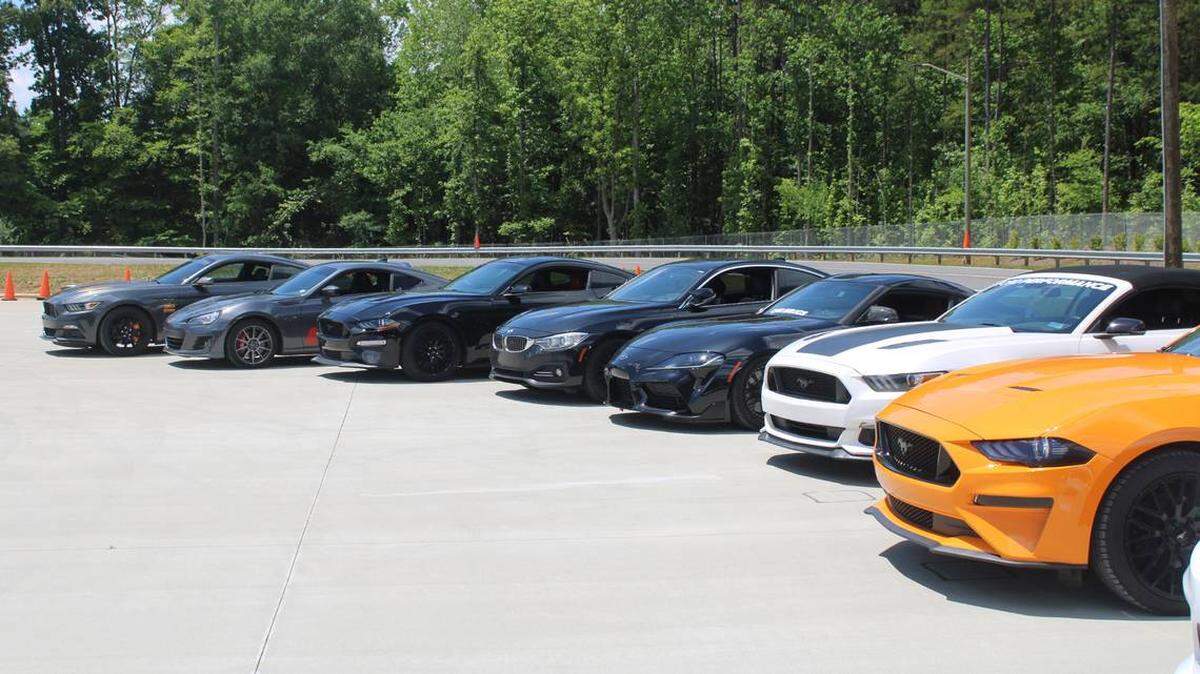
Elsewhere, it already has.
On a Thursday night in early October, Charlotte police say, two drivers raced down two-lane Parkton Road in east Charlotte, reaching speeds of 80 mph — more than three times the speed limit. One of the drivers, 21-year-old Daniel David Knapp, died after losing control of his car and slamming into a tree.
The other driver, 20-year-old Amy Linares, has been charged with involuntary manslaughter. Police say she initiated the race but didn’t have a driver’s license.
The Triangle has also seen an increase in street racing during the pandemic, said Sgt. Casey Norwood, who heads traffic enforcement for the Durham County Sheriff’s Office. Norwood said the closing of bars and restaurants and the emptying of large parking lots in places such as Research Triangle Park prompted car club members and others to meet outdoors in growing numbers.
Norwood said the nighttime gatherings are planned, but the racing is often spontaneous.
“People have nice cars, they put a lot of money into them,” he said. “Eventually it’s going to get to a point where someone is going to want to show off and prove what they can do behind the wheel or encourage others to show off what they’ve done to the vehicle. So that’s when you get the guys burning rubber.”
On Jan. 30, Durham sheriff’s deputies and state troopers staked out several areas of the county where racing is known to occur and issued 55 citations, including 34 to drivers going 15 mph or more over the speed limit. The top speed the officers witnessed that night was 97 mph.
‘A constant reminder’
Speed-related wrecks place an enormous economic burden on the public. Cars are totaled. Insurance rates rise for all. Injured people lose time from work and rack up large medical bills. A 2013 report by the UNC Highway Safety Research Center estimated that speeding-related crashes at that time cost the state and its citizens nearly $900 million a year.
But some things are more difficult to measure: the grief, lost opportunities and hardship that result when lives are extinguished.
On June 22, just before 6:30 p.m., five teenagers left a pool in Guilford County, climbed into a Honda Accord and began rocketing east on I-40. According to State Highway Patrol records, the car was traveling 100 mph before the driver lost control. The car flew off the right side of the road and went airborne after hitting a ditch. It slammed into a tree and split into two.
The crash cut short the lives of four of the youths: the 16-year-old driver, Maurice Darnell Williams, of Gibsonville; and passengers Justin Lionel Trevon Porter, 15, of Burlington; Sequoyah Delaney II, 16, of Greensboro; and Javon Johnson, 16, of Greensboro.
They were among the more than 400 people killed in speed-related crashes in 2020 in North Carolina, according to the state Department of Transportation.
Porter, the youngest victim, shared his father’s passion for collecting sneakers — and giving them away to people in need. He was a gifted student who loved to play basketball, spend time with his family, and root for whatever team LeBron James played for, his father, Jeremicus Porter, said.
After middle school, Porter was accepted to N.C. A&T early college, a program that allows high school students to take college-level classes. “He applied himself and wanted to be successful,” Porter said of his son.
Today, Jeremicus Porter still sees cars racing down North Carolina highways at more than 90 mph.
“It’s just a constant reminder,” he said. “It’s something I’ll never get over.”
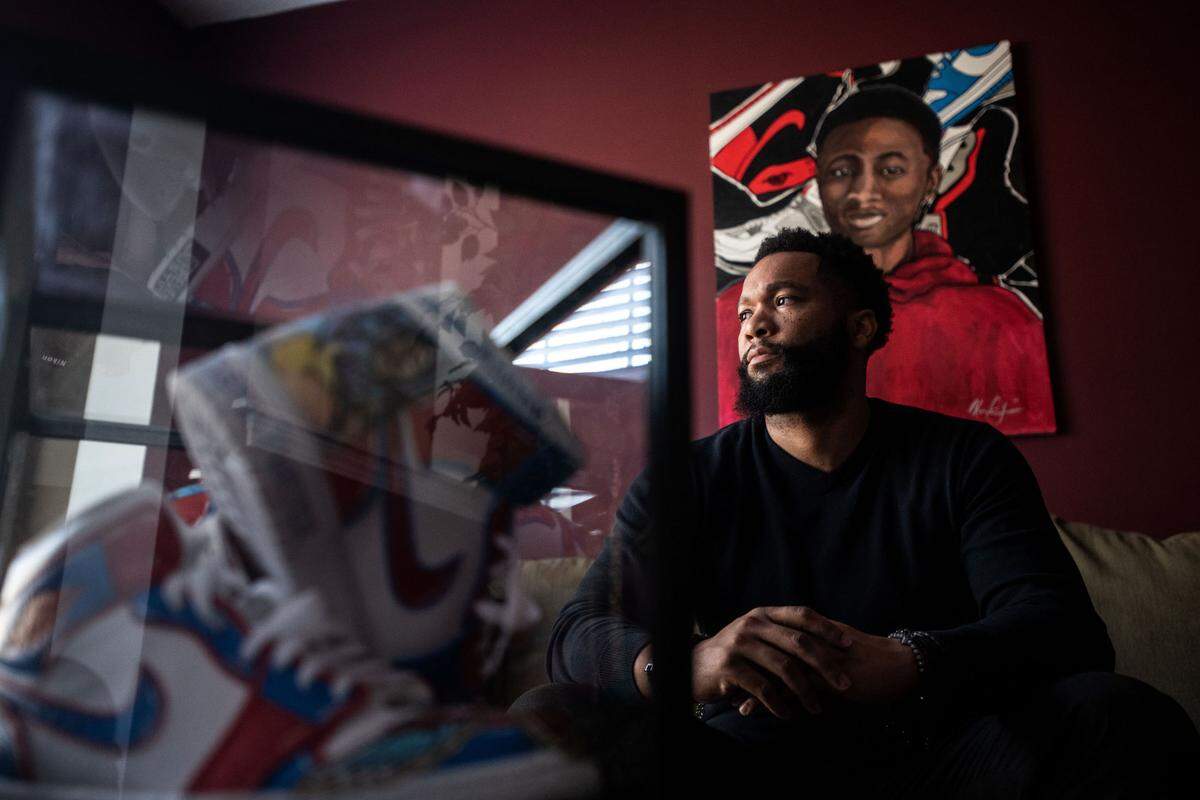
Not long ago, he saw a car carrying a group of young people speed through the parking lot of a fast-food restaurant. When the car stopped in the line for food, Porter pulled up alongside it. “I told them, ‘I know you want to get something to eat. But I want you to know anything can happen. And I want you to be safe.’”
Now Porter would like to bring his message to a larger audience. He hopes he can one day talk with students in driver’s education classes.
What would he tell them?
“Would you rather be late getting to where you want to go? Or would you rather be early going to your tombstone?”
Grieving a lost family
At her home near Lake Wylie, Lynn Sherrill spoke of the four loved ones she lost after the high-speed crash on I-485 on the eve of the July Fourth holiday.
Her son, Matthew, an Army veteran who worked as a carpenter, loved to take his family on outdoor adventures. He was straightforward, opinionated, helpful and happy, Sherrill said.
“He wanted to make people laugh,” his mother said.
Her daughter-in-law, Andrea, was a talented artist who also ran a nonprofit that rescued small animals.
Elizabeth, her oldest granddaughter, had a special bond with animals, particularly horses. She was usually quiet. But atop a horse, she was fearless, and often rode bareback.
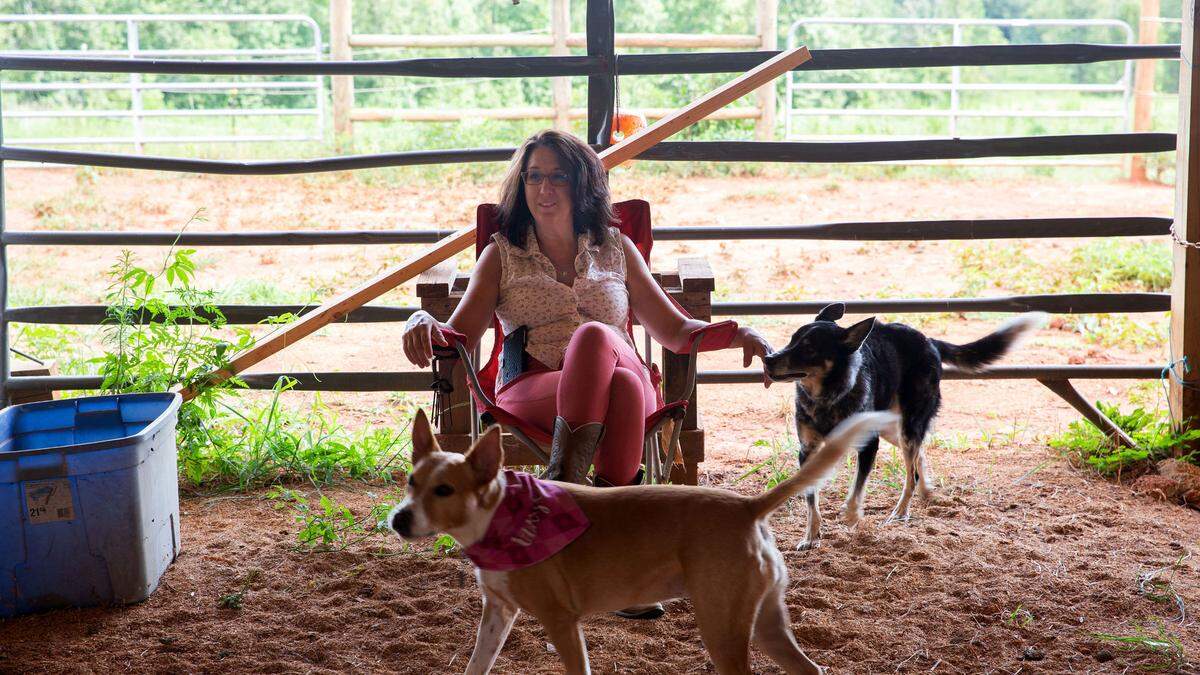
Violet, her younger granddaughter, had long auburn hair, enormous energy and a love of nature. “Her middle name was Sunshine,” Sherrill said. “And that’s how she was — always happy.”
A fifth person in a separate car, Mark Barlaan, a 58-year-old Bank of America manager who loved to cook and volunteer at the Charlotte Rescue Mission, also died in the crash.
Dakeia Charles, the 25-year-old Charlotte driver accused in the wreck that killed Sherrill’s family members, has been charged with five counts of murder. The case is pending.
Currently awaiting trial in the Mecklenburg County Jail, Charles did not respond to a letter sent to him seeking comment. Two of his attorneys wouldn’t comment on the case.
Sherrill would like to erect road signs, urging people to slow down for the sake of their families.
“One person’s selfish act can destroy so many lives,” she said.
Read Part 2 of Death in the Fast Lane:
Click here if you’re a Charlotte Observer subscriber.
Click here if you’re a Raleigh News & Observer subscriber.
Click here if you’re a Durham Herald-Sun subscriber.
Click here if you’re a Rock Hill Herald subscriber.
This story was originally published June 3, 2021 at 7:49 AM with the headline "‘Like NASCAR on the road,’ extreme speeding increasingly brings death to NC highways."
.JPG)