Going more than twice the speed limit, man causes fatal wreck. His charge? A misdemeanor.

READ MORE
Death in the Fast Lane
The Charlotte Observer and News & Observer in Raleigh wanted to know how often extreme speeding was happening on North Carolina’s roads — and whether the COVID-19 pandemic had made highways deadlier. They found that nearly 92% of extreme speeders get breaks in the courts that allow them to avoid the full penalties.
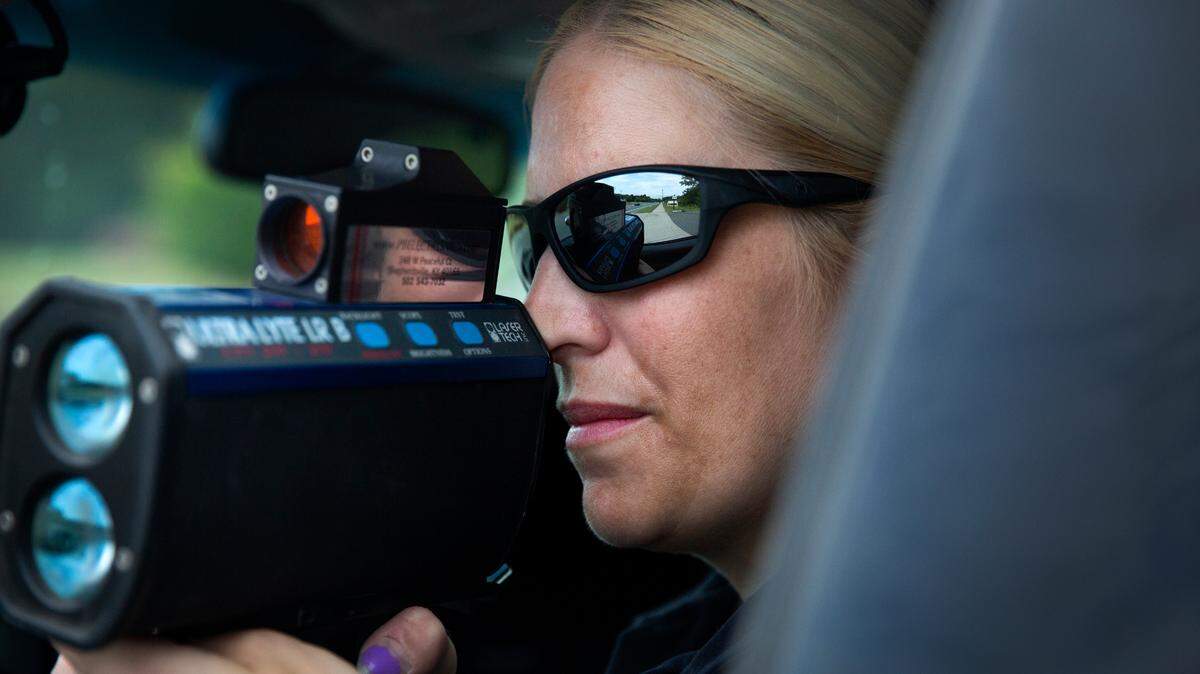
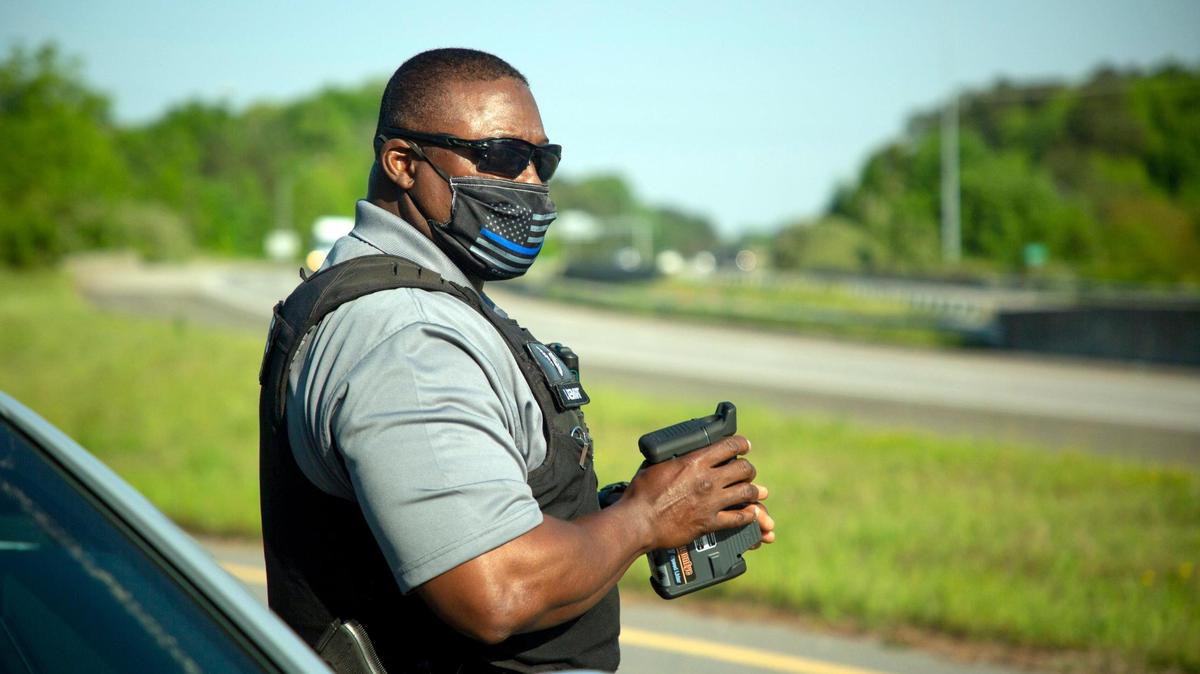
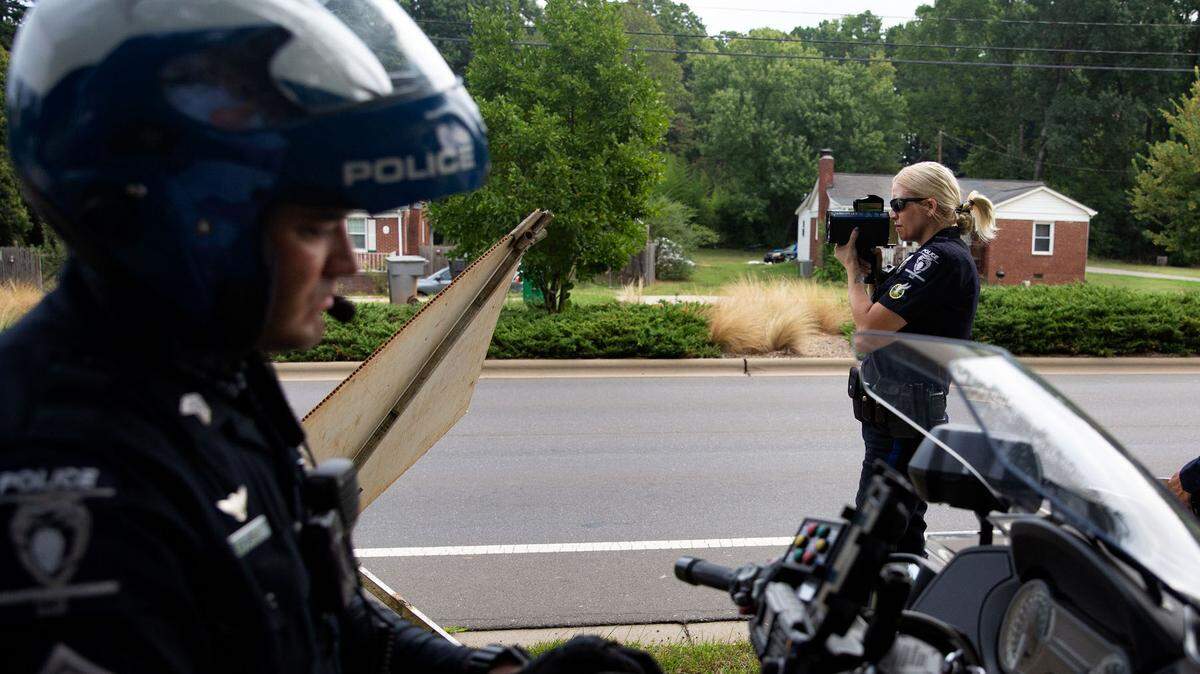
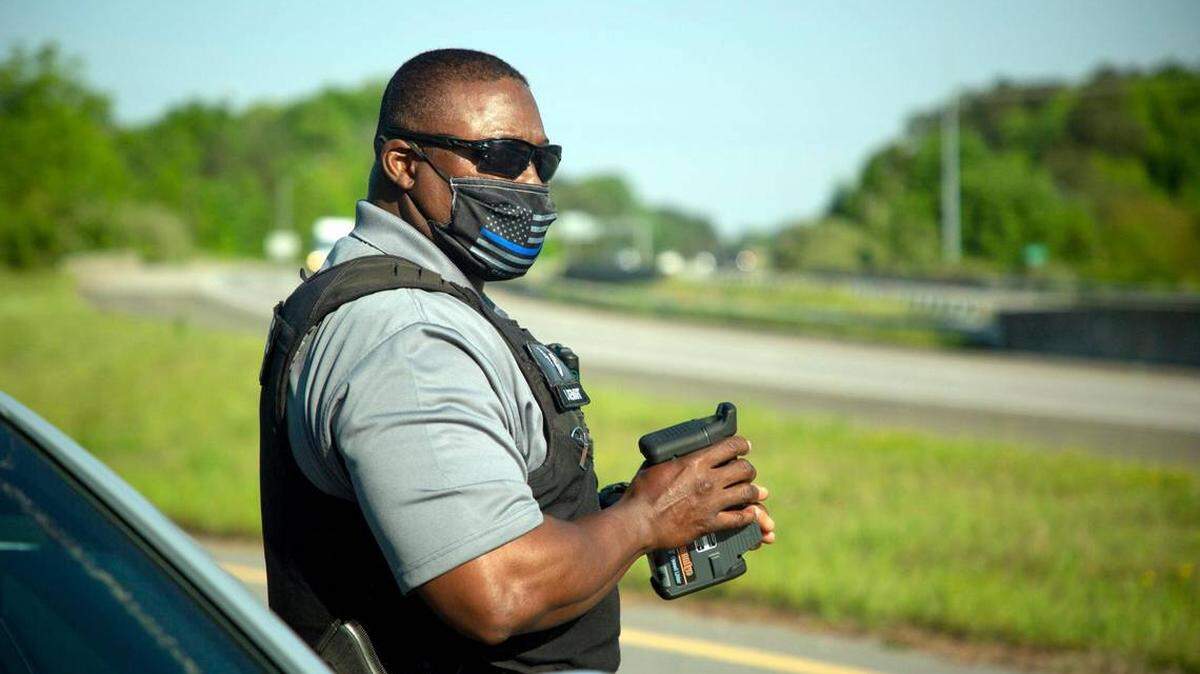
Highway Patrol troopers, meanwhile, acknowledged they were stretched thin. Experts say that helps explain why highway deaths have increased — and why people who drive 90, 100 mph or more routinely get away with it.
Expand All
On a Sunday evening in April 2020, Scott Starnes climbed into his pickup truck to fetch hot dog buns for a family barbecue.
Starnes, a district manager for Hickory’s daily newspaper, was heading back home on a two-lane road in the Catawba County town of Claremont as a 23-year-old man barreled toward him in a Dodge Caliber. William Patrick-Anthony Merbach Jr. was going more than twice the 45 mph speed limit when he lost control, crossed the center line and slammed into Starnes’ truck, according to a state Highway Patrol crash report.
Starnes, 49, died from his injuries five weeks later.
Merbach pleaded guilty last month to misdemeanor death by vehicle, a charge that allowed him to escape prison time. He was sentenced to community service and five years probation.
Starnes’ family members question why prosecutors didn’t charge the young driver with a more serious crime.
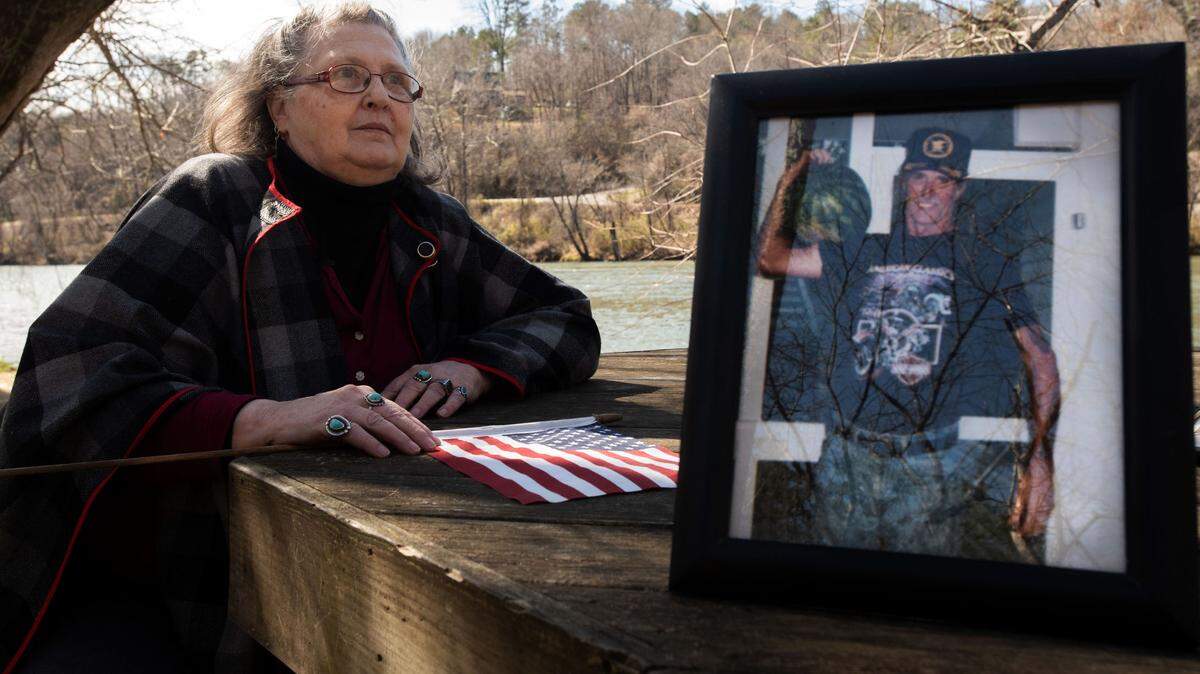
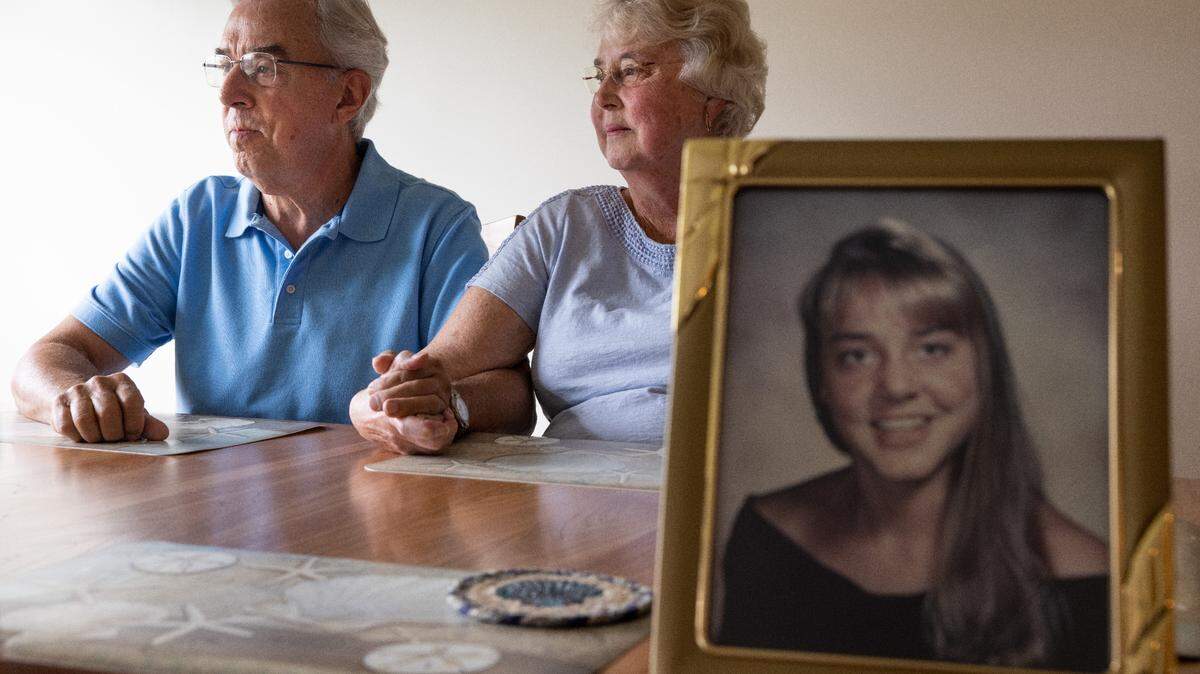
“I don’t know how they cannot charge the boy with more,” said Starnes’ mother, Linda Piercy. “I don’t hate the boy. But people need to learn you can’t just get in a car and play.”
Starnes’ son Josh said he, too, was mystified why Merbach wasn’t charged with a felony.
He would like to see stiffer penalties for those who drive well over the speed limit, particularly those who kill others in the process. If there were greater consequences, drivers might stop and think: “Maybe I should slow down before this happens to me,” he said.
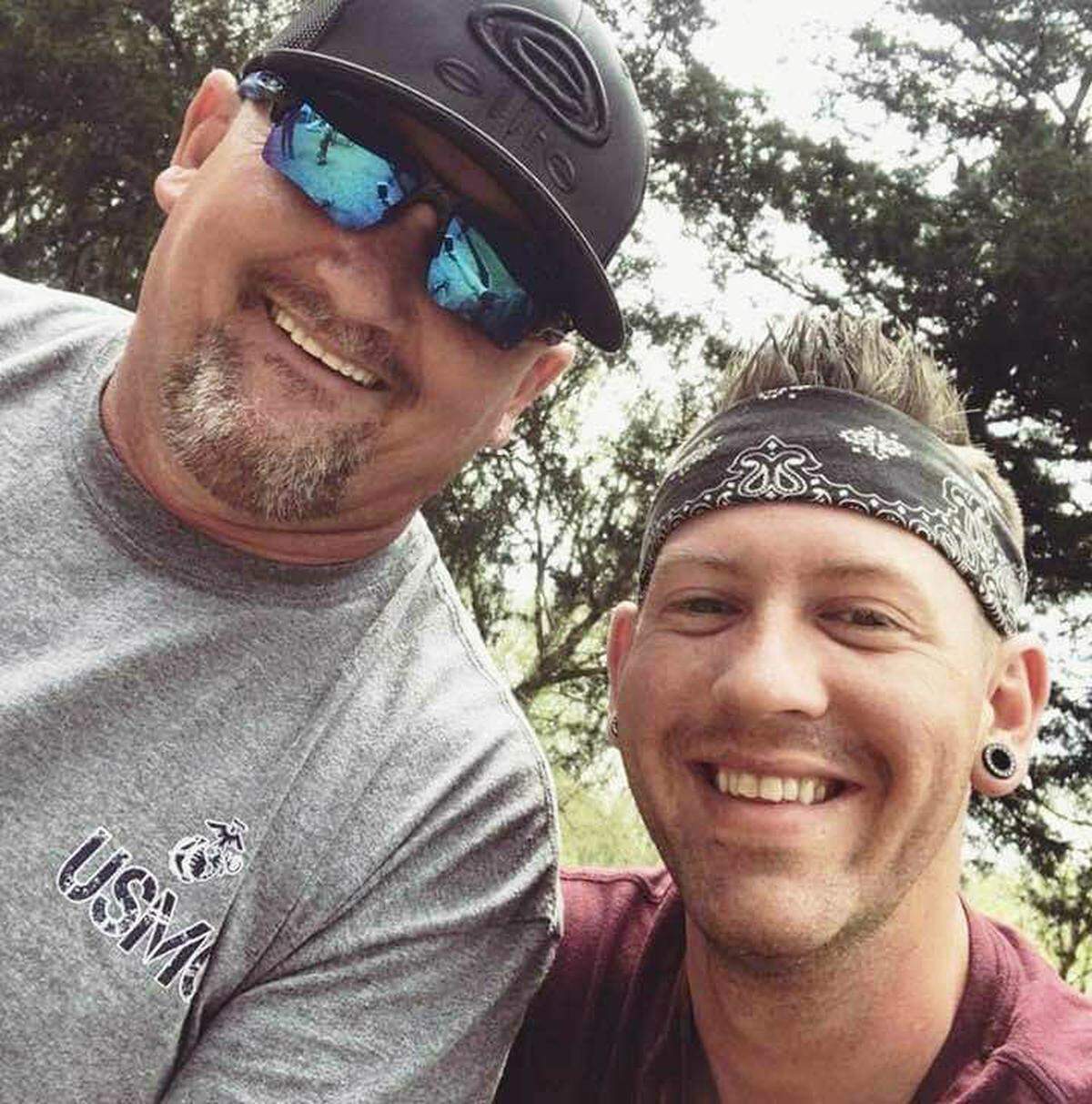
Catawba County District Attorney Scott Reilly said he didn’t think his prosecutors had the facts to support a felony verdict.
Although a Highway Patrol report stated Merbach’s Dodge was going 110 mph before the crash, the car’s onboard computer showed it was traveling in the high 90s, Reilly said.
“In my opinion, if we’d taken it before a jury, they would have come back with misdemeanor death by vehicle,” Reilly said. “...We were able to give closure to this family. They can move on with their lives now.”
In general, Reilly said that it’s usually harder for prosecutors to prove the elements needed to win convictions in felony cases than in misdemeanor death by vehicle cases.
“I do think there’s a higher hurdle you have to overcome to get the felony conviction,” Reilly said.
Cheryl Jones, a highway safety advocate in North Carolina, criticized the decision to charge Merbach with a misdemeanor, calling it “a cop out.”
“This 23-year-old took this man’s life,” she said. “And he’s getting charged with a misdemeanor? It makes me angry. But it also makes me very sad.
“You have to work a little harder to get the proof (for a felony conviction),” said Jones, a former member of CharMeck Court Watch and the N.C. Governor’s Highway Safety Program. “There’s a reason it takes more to get a felony conviction. It’s more serious. Life is precious. And we are not treating it that way.”
.JPG "Cheryl Jones (2).JPG")

Reached by the Observer before the sentencing, Merbach wrote in a text message that he has been advised by his lawyer that “it would be in my interest to not do any interviews with anyone at this time.”
Josh Starnes said he knows Merbach will likely drive again.
“And he’s going to go about his life. But my Dad can’t. He had a lot of life in front of him.”
Others who escaped felonies
Merbach isn’t the only speeding driver in North Carolina who avoided felony charges after allegedly causing fatal wrecks, the Charlotte Observer found:
▪ A Durham man was convicted of misdemeanor death by vehicle in 2020 after police charged him with driving 25 mph over the speed limit and striking a 24-year-old man on rollerblades, court records show.
▪ A Greensboro woman was convicted of the same charge in 2018 after she was charged with driving 34 mph over the speed limit, running a red light and causing a fatal wreck.
▪ An Asheville man faces the same misdemeanor charge after authorities say he drove 27 mph over the limit last July, crossed the center line and struck another car. The crash killed an 87-year-old passenger in the other car.
‘He loved his life’
Scott Starnes loved to work, family members said. When he wasn’t working for the Hickory Daily Record, a newspaper where he’d been employed for 20 years, he was sometimes installing swimming pools or helping his stepfather with his heating and air conditioning business.
He also knew how to have fun. A die-hard fan of the New York Yankees and UNC Tar Heels, he liked to play softball and coach baseball leagues for young men. He also loved to travel and spend time with his three sons and four grandchildren.
And when people asked him for help, the word “no” would seem to vanish from his vocabulary, his son said.
All of that kept him so busy that he rarely slept more than four or five hours a night, his mother said.
“He loved his life,” Josh Starnes said. “He was enjoying what he had and what he had worked for.”
On April 26, 2020, all of that came to a crashing halt.
The wreck left Starnes with serious brain injuries. For more than a month, he was hospitalized in a coma. He died on June 3.
Today, Starnes’ younger sister, Farrah Hefner, is still uneasy about getting into cars.
“To get into a car, after what happened to my brother, it makes me a nervous wreck,” she said. “It’s really taken a toll on our family.”
Starnes’ mother agreed.
“I lost a son that I’m never going to see again,” she said, breaking into tears.
“I think they need a stricter law. Maybe that way, people will learn.”
Observer staff writer Gavin Off contributed.
This story was originally published June 3, 2021 at 8:00 AM with the headline "Going more than twice the speed limit, man causes fatal wreck. His charge? A misdemeanor.."
.JPG)