You can save money on your NC utility bill with these new Duke Energy programs. What to know
READ MORE
What to know about cold weather & winter storms
Here’s everything to know about super cold weather and winter storms headed our way: forecasts, power outages, closings, snow cameras, winter prep, safety and more.
Expand All
If you’ve noticed a spike in your energy bill recently, you’re not alone.
Home heating costs are expected to jump 10.5%, on average, in the U.S. during winter, due to colder-than-normal temperatures forecasted in the Northeast and Midwest, according to a recent report from the National Energy Assistance Directors Association — but there’s relief on the horizon for some North Carolina residents.
Duke Energy — which is headquartered in Charlotte and serves millions of customers in North Carolina — expanded its assistance programs to help customers pay their energy bills, the company announced Friday, Feb. 14.
“We realize that many of our customers are facing challenging times, and we are committed to finding ways to support them,” said Kendal Bowman, Duke Energy North Carolina state president, in a press release. “Our payment assistance and energy and money-saving programs are designed to offer relief and help manage energy costs.”
Here’s what to know about the programs, who is eligible and some ways you can save money during the colder months.
What new programs are available to Duke Energy customers?
Duke Energy has upgraded two of its assistance programs and added a third to help customers to help them save money on their energy bills:
Weatherization: Incentives have increased for this free program that helps income-qualified customers reduce expenses and save energy through the installation of energy conservation measures around their homes. For example, the HVAC replacement incentive has increased from $6,000 to $8,000 and the refrigerator replacement has increased from $1,000 to $1,500.
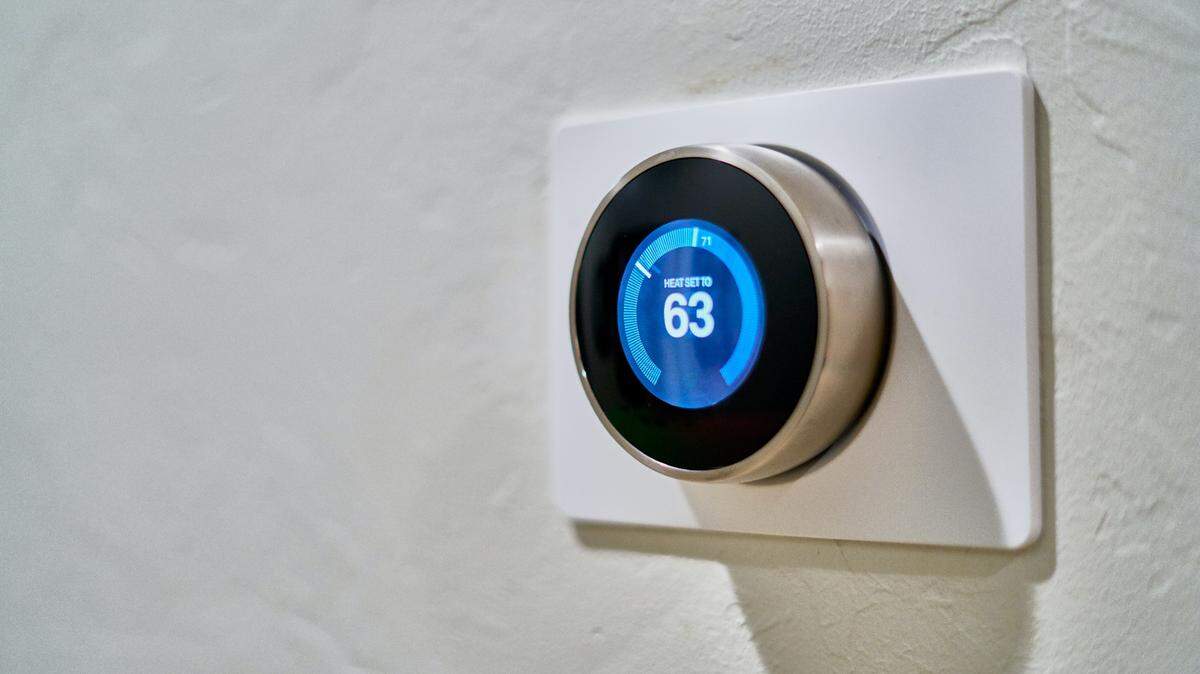
Income-qualified Power Manager/EnergyWise Home: This program allows electric heat customers who have previously qualified for a Duke Energy income-qualified program, such as Neighborhood Energy Saver or Weatherization, to receive a free thermostat.
Neighborhood Energy Saver: Incentives have increased for this program that offers walk through energy assessments to help customers learn how their homes use energy, and access to energy-saving products, such as energy efficient light bulbs and smart power strips.
Am I eligible for the new Duke Energy programs?
To qualify for the Weatherization program, customers must have an income of less than 200% of the federal poverty guidelines.
That means a family of four would have to earn less than $62,400 to qualify for the program, according to the North Carolina Community Action Association.
Eligibility for the Neighborhood Energy Saver program include those who live in neighborhoods where at least 50% of the residents have an income of less than 200% of the federal poverty guidelines.
Those eligible for the Income-qualified Power Manager/EnergyWise Home include individuals who have previously qualified for a similar Duke Energy program, such as Weatherization or Neighborhood Energy Saver.
How can you save money during winter weather?
In addition to adjusting your thermostat, there are other ways you can save energy (and money) during winter, according to Duke Energy:
Change air filters regularly. Dirty air filters can make your heating system work harder, which uses more energy and can increase costs.
Leave your blinds open during sunny winter days to allow the sun’s rays to warm your house, but close them at night to help insulate your home.
Check windows, doors and vents for air leaks. Caulking, sealing and weatherstripping leaks can save 10% to 20% in heating costs.
Replace standard bulbs with light-emitting diodes (LED). Replacing just six of your most frequently used bulbs with LEDs can save up to $480 over the lifetime of the bulbs.
Operate ceiling fans in a clockwise direction in the winter, which pushes warm air back down into the room, and turn fans off when you leave the room.
Set your water heater to 120 degrees or less. Water heating is typically the second biggest user of energy in your home.
This story was originally published February 18, 2025 at 2:37 PM with the headline "You can save money on your NC utility bill with these new Duke Energy programs. What to know."




.JPG)