What temperatures cause pipes to freeze? What to know as extreme cold approaches in NC
READ MORE
What to know about cold weather & winter storms
Here’s everything to know about super cold weather and winter storms headed our way: forecasts, power outages, closings, snow cameras, winter prep, safety and more.
Expand All
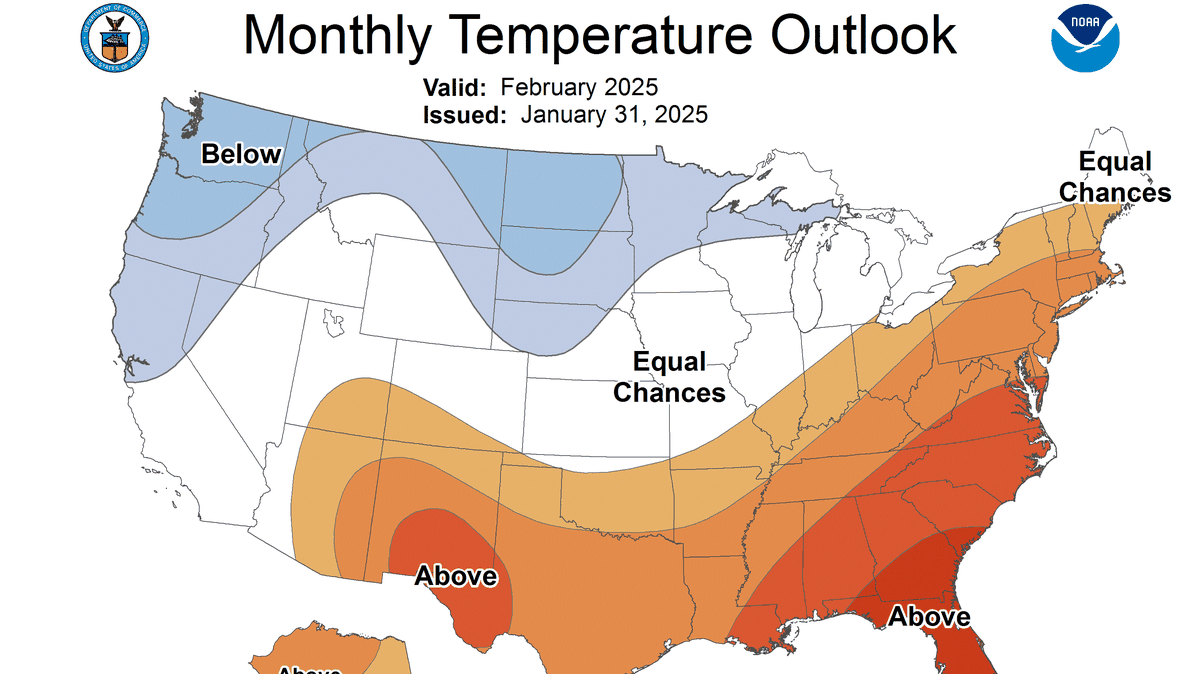
As extremely cold temperatures are expected to return to North Carolina, your pipes may be at risk of freezing.
Here’s how to keep your pipes from freezing, whether you should leave faucets dripping to prevent frozen pipes, and what to do if your pipes freeze.
How cold does it have to be for your pipes to freeze?
Pipes can freeze at temperatures below 32 degrees, but most insulated pipes start to freeze at temperatures below 20 degrees, according to Angi, a website that provides information on home improvement projects.
If a cold snap lasts for more than four to six hours, your pipes could burst, according to Angi.
Exterior pipes are most susceptible to cold temperatures and can freeze after a few hours in temperatures around 20 degrees, Angi says, but pipes inside your home could take up to six hours to freeze at 20 degrees.
How to protect your pipes
You can take these steps to prevent your pipes from freezing, according to Charlotte Water:
Insulate pipes in unheated parts of your home
Seal any openings or air leaks in your crawl space or basement
Open doors on cabinets below sinks
Disconnect your garden hose from outdoor spigots
Unplug automatic lawn sprinkler systems
Make sure you know where the master water shut-off valve is located in case your pipes burst
Don’t let cold air freeze inside your water meter
You can also wrap your pipes in heat tape or heat cables to prevent them from freezing, according to Home Depot.
Should you leave your faucet dripping to prevent frozen pipes?
Though it is a common practice, some experts suggest that leaving faucets dripping won’t protect your pipes, and can even cause your drain to freeze as water flows out of your sink, according to Forbes.
Other argue that dripping faucets can prevent excessive pressure build-up in your pipes, Forbes says.
“The principle behind leaving faucets dripping is that it constantly replaces the cold, near-freezing water in the most vulnerable pipes with fresh, warm water from the pipes below the ground,” according to Top of Line Plumbing, a company based in Florida.
The company recommends keeping your house adequately heated and insulating the pipes in your basement, attic or exterior walls to keep them from freezing.
What should you do if your pipes freeze?
Here’s what to do if your pipes freeze, according to Charlotte Water:
Open faucets slightly
Turn off the water supply to your home
Turn up the heat in your house
Wrap frozen pipes with towels soaked in hot water
Do not use electrical appliances to heat pipes
Call a licensed plumber for assistance
Call your landlord as soon as possible if you live in an apartment complex
Does insurance cover frozen pipes?
Your home insurance plan may cover frozen pipes if they freeze by accident, according to BobVila.com, a home improvement site. However, if you fail to insulate your pipes or neglect to replace corroded one before they freeze, your claim may be denied.
Home insurance generally doesn’t cover burst pipes, but it may cover the resulting water damage.
This story was originally published January 2, 2025 at 8:00 AM with the headline "What temperatures cause pipes to freeze? What to know as extreme cold approaches in NC."

.JPG)