
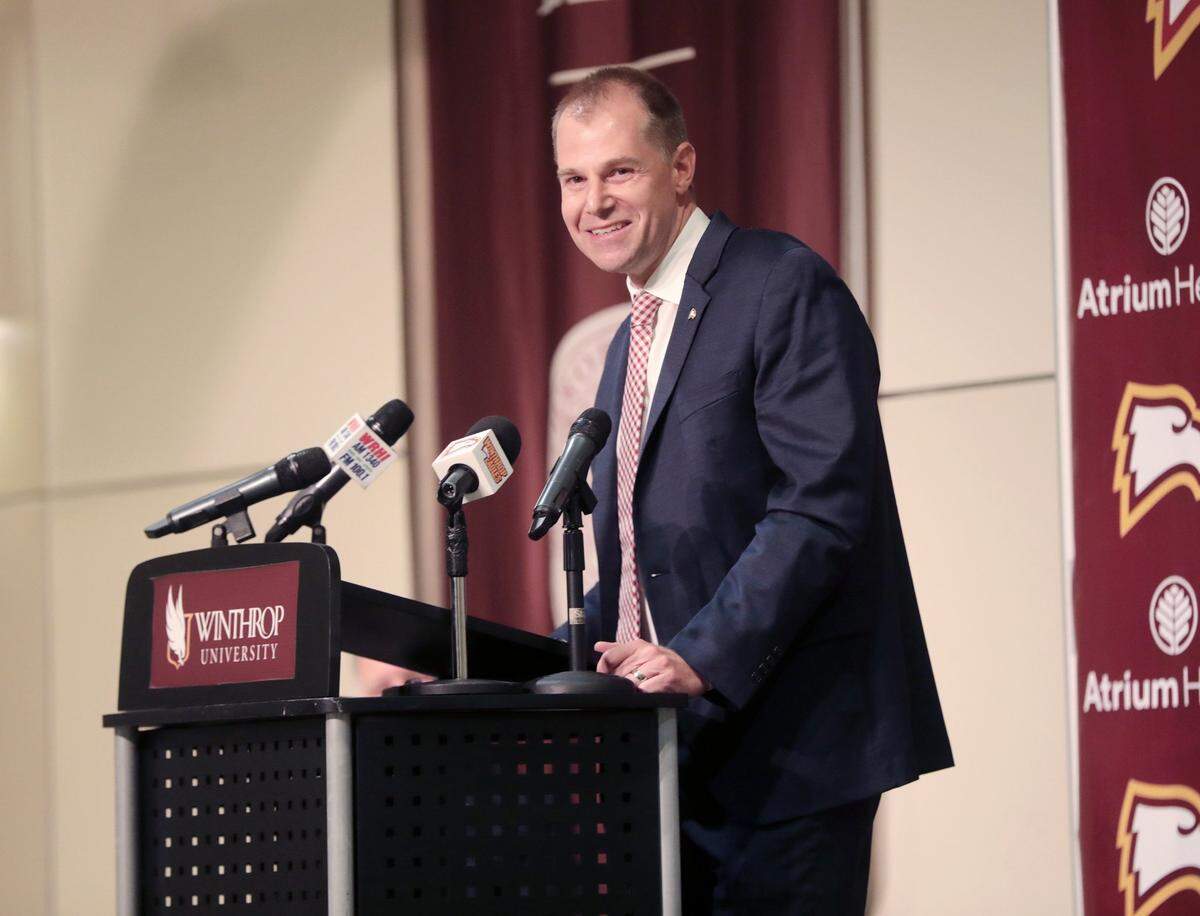
As Ken Halpin departs to Purdue, the to-do list for next Winthrop AD comes into focus
For as much as he did in his five-year run as Winthrop athletic director — for all the milestones his athletic department celebrated and the “not easy days” it endured — Ken Halpin said his best memories from his time in Rock Hill rest in the relative ordinary.
“I love all the success,” he told The Herald in a phone interview Friday, a few days after it was reported he would be Purdue’s next deputy athletics director. He added, “Honestly, though, what I’m most proud of is the number of people I know I’m still going to stay close with for the rest of my life.”
Halpin’s time at Winthrop clearly impacted him. And he, too, impacted the Rock Hill university.
“At Winthrop, Ken has led during difficult fiscal times,” Winthrop interim president George Hynd said in a statement last week, “but he always put the student-athlete first, placing a priority on success in the classroom as well as athletes’ health and safety during the pandemic.”
And now, in the wake of Halpin’s departure to the Big Ten, the to-do list of the next Winthrop athletic department administrative leader — starting with new interim AD Hank Harrawood — has come into focus.
Here are four issues that will be made a top priority in the post-Halpin era.
1. Rebuilding the Winthrop athletics staff
Since March 2020, Halpin estimated that Winthrop athletics has lost 30% of its workforce. Among the positions unfilled: various assistant coaches, lead recruiters, communications directors and otherwise “high-achievers” who left “high-achieving vacancies,” he said.
Halpin said that he’s proud of what his department has accomplished — even amid a hiring freeze in athletics that began last summer, back before Winthrop implemented its furlough plan.
“All of our coaches who are dealing with a vacant assistant right now are still having to perform at a Winthrop level with Winthrop expectations,” he said. “That’s the hard part.”
He added: “I think the next AD needs to continue community engagement, so that if something doesn’t go perfectly, they’ve earned the right to talk with people (and) explain the stories, the reasons ... and make sure everyone in York County maintains their pride in what Winthrop athletics means.”
Takeaway: The chance to rebuild a staff reveals an opportunity. It’s not outlandish to suggest that the selection of Winthrop’s next AD could serve as an assessment of the university’s appetite for a person similar to Halpin — a young, ambitious, ideas-rooted-in-the-transformational player who left a notably different legacy than his predecessor, Tom Hickman, who presided over the Winthrop athletic department for 20 years before retiring in 2016.
2. Benefiting in NIL era
Halpin said that the NIL era is necessary and is “only going to help” athletes at Winthrop and at universities across the country. Every industry evolves, he said, and the “people who are leaders in their fields today, from historical perspectives, are people who found ways to adapt and achieve.”
Of course, it’ll take work.
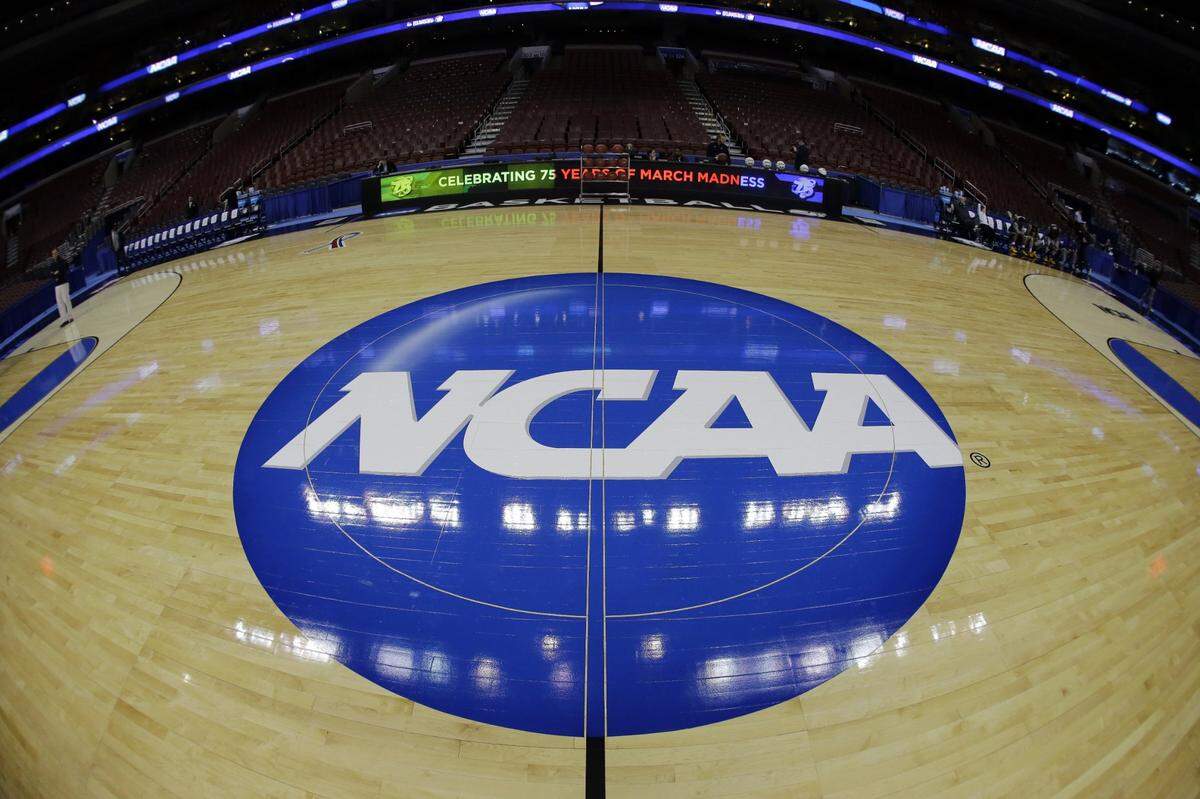
Last month, the NCAA adopted an interim suspension of the amateurism rules that prohibited college athletes from profiting from their names, images and likenesses. Now, athletes from Winthrop can star in commercials, monetize their social media accounts and the like.
Picture Rock Hill native big man DJ Burns leading basketball camps of his own, or a poster of Russell Jones Jr. smiling on the window of Sub Station II off Cherry Road.
Winthrop has prepared for this reality, and Harrawood has ideas of how to equip players with the “ways they can take care of things” to earn money, Halpin said — though he didn’t disclose details of those ideas. He did, however, say that the university is partnering with a third party (INFLCR) designed to educate and assist athletes with compliantly building their personal brands, similar to many other universities.
Takeaway: Some opponents of NIL legislation argue that in the short term NIL will only widen the differences in experiences between mid-major and high-major athletics. Some experts disagree, though. Per reporting from the Detroit Free Press’s Mia Berry — according to one expert who’d helped led a study analyzing hundreds of athletes’ potential for NIL revenue — athletes at mid-major schools “may lack exposure when compared to their large school counterparts, but the differences in their social media followings are mostly negligible” and thus can harvest, on the whole, comparable NIL benefits to their high-major counterparts.
3. Winthrop adding a women’s sport?
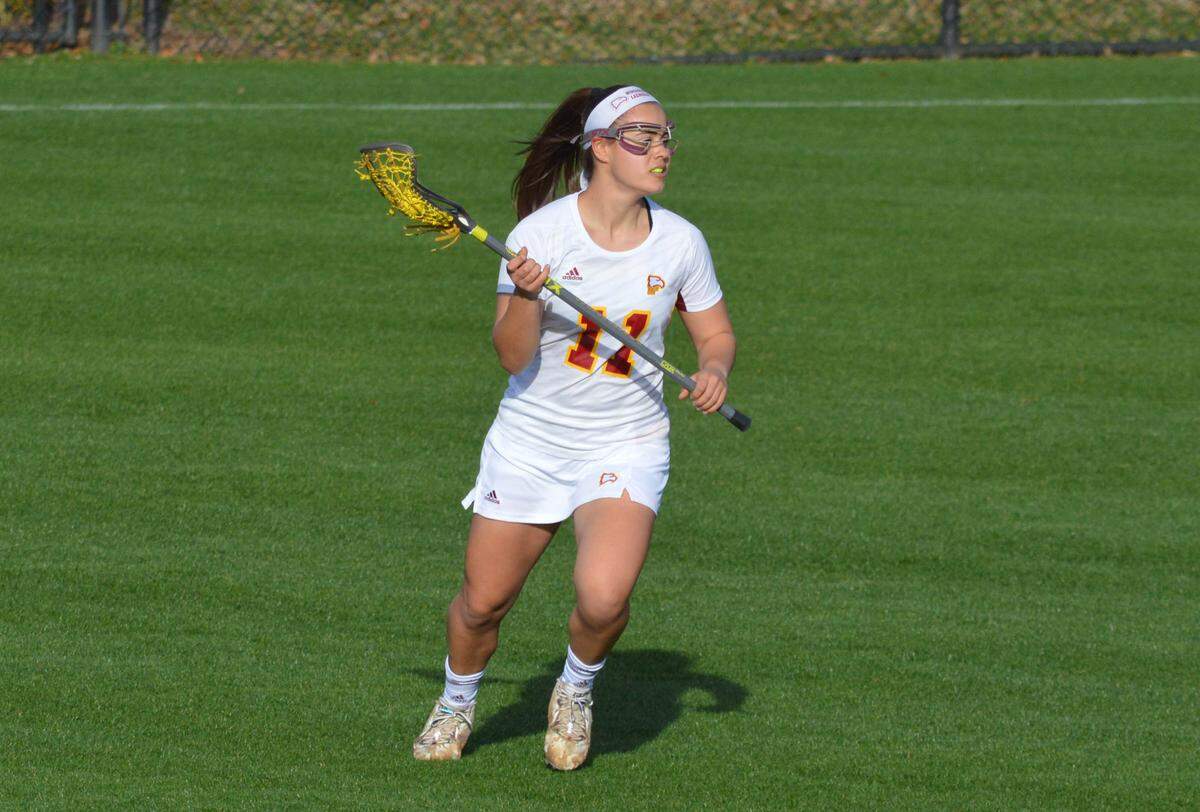
Halpin and Harrawood synthesized two years’ worth of informal conversations to Winthrop trustees in a presentation in early April and effectively posed the question: Should — and could — Winthrop add a new women’s sport?
Halpin said that adding a women’s sport is compelling for a number of reasons. The main one: By adding a sport with a lot of roster spots but that doesn’t require the investment of a lot of scholarship money, Winthrop is fulfilling two objectives — increasing opportunities for women to compete on D1 teams and attracting students it wouldn’t otherwise attract (raising tuition revenue for the school).
Several options appeared to be financially feasible, including beach volleyball, wrestling, triathlon, swimming and diving, as well as acrobatics and tumbling. (Winthrop most recently added a women’s sports program — lacrosse — in 2013.)
The optics around adding a new women’s sport aren’t perfect, considering the fact that Winthrop recently cut two athletic programs and its athletic department is, as aforementioned, depleted of human resources. But Halpin said that there is precedent in his tenure that could make adding a women’s sport a gripping prospect: “The beauty of esports as an experiment is it’s been a massively profitable economic model,” he said.
Takeaway: Halpin clarified that reinstating the women’s tennis program was not in consideration. He restated that tennis, when you combine the expenses of the women’s and men’s programs together, is Winthrop’s second-most expensive sport per athlete (behind basketball), and its re-implementation goes against the stated purpose of adding another sport in the first place.
4. Continued success of men’s basketball
Men’s basketball is the ambassador of the Winthrop athletics department, so its sustained success is vital. And the responsibility that loomed over the program for years — who should replace Pat Kelsey when he leaves? — was handled this past spring when Kelsey departed for College of Charleston and former Winthrop assistant Mark Prosser replaced him.
“Mark Prosser didn’t come to Winthrop needing cover,” Halpin said. “Mark Prosser came to Winthrop because he could lead at Winthrop no matter who the AD is, you know what I mean?”
Takeaway: In the short term, the Eagles will be good (again), boasting a core group of South Carolina-born junior returners in Chase Claxton, Russell Jones Jr. and DJ Burns, and adding a few new transfers. The team will be going for its third straight Big South Conference tournament championship. (A reminder of the financial power of basketball: Winthrop received $175,000 from the Big South for winning the conference title and notching a 12-seed in the NCAA tournament.)
This story was originally published July 27, 2021 at 7:56 AM.
.jpeg)