Another 860 homes coming to Lancaster, as city embraces growth Indian Land shuns
A tale of one city, and an unincorporated area that functions like one, continue to play out in Lancaster County over new homes. While Indian Land residents fight to keep a residential moratorium intact, the city of Lancaster welcomes new homes.
“We are in a growth mode, and I would say probably in an annexation mode,” Lancaster Mayor Alston DeVenny told The Herald.
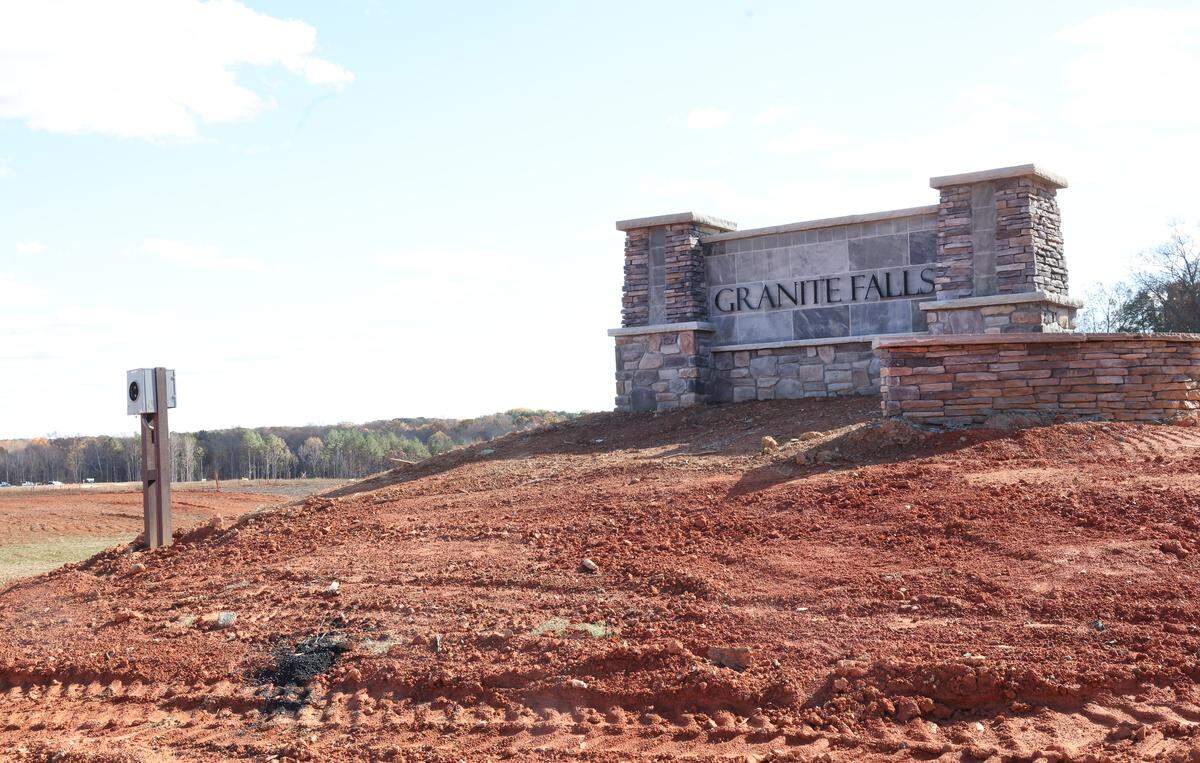
Next week, the city’s Board of Zoning Appeals will vote on a special exception to allow 864 homes on 347 acres off Hillcrest Avenue. That proposal gives Lancaster more than 6,900 homes under, approved for or proposed for construction.
“It’s substantial,” DeVenny said. “It’ll ultimately double the size of the city.” Lancaster had fewer than 8,500 residents at the 2020 Census.
Meanwhile, an area that’s seen more than a doubling of population the past couple of decades is trying to slow the same type of growth DeVenny invites to his city.
A dozen Indian Land panhandle residents pleaded with Lancaster County Council on Monday night not to allow exemptions from a nine-month homebuilding moratorium. Council got another 112 emails with the same message.
“If we give accommodations out of the box, or ever during this moratorium, it makes it easier for the next builder,” said resident Joe Kohler.
Council unanimously finalized the moratorium on homebuilding projects in the panhandle on Monday, retroactive to when they started the process in mid-October.
Indian Land a model for Lancaster growth
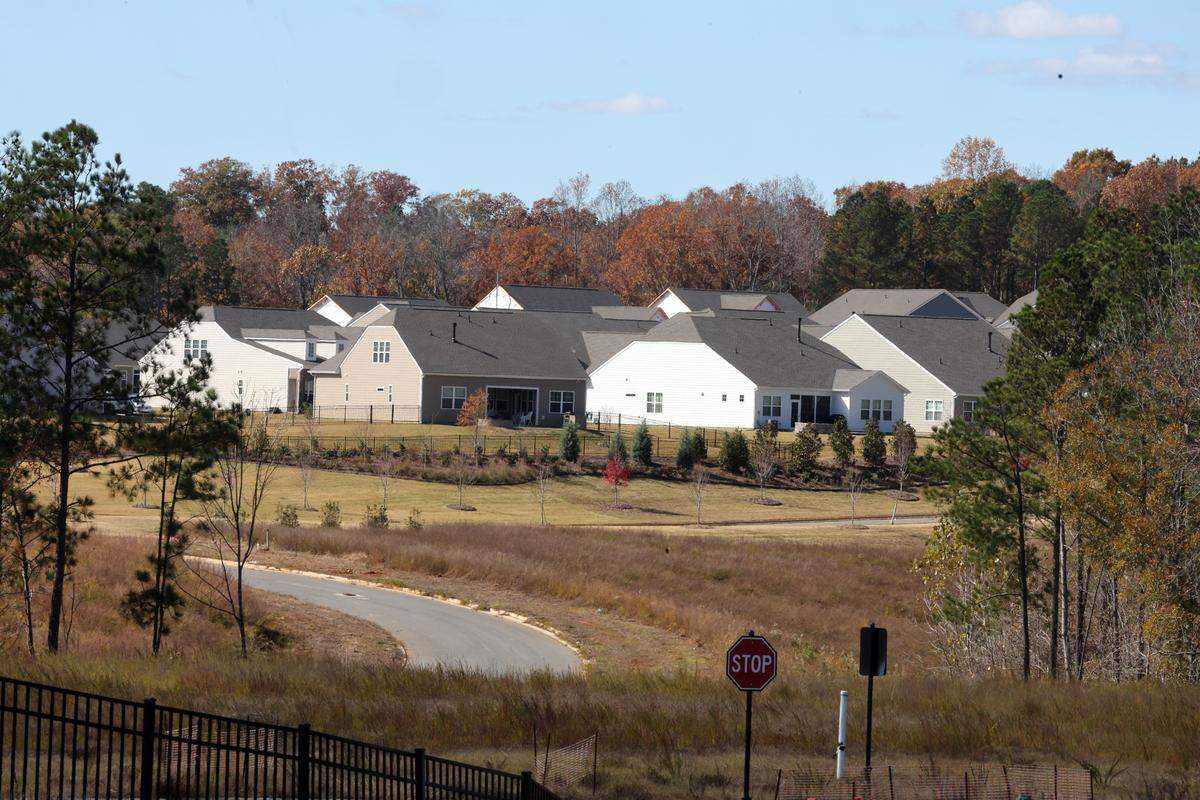
Indian Land’s rapid growth frustrates some residents there, but it’s a model for the city of Lancaster. Recent additions Costco and Target don’t come to Indian Land, DeVenny said, without a decade or more of surging population growth.
Lancaster County is the third-fastest growing county in the state at the fastest-growing county in the Charlotte region since 2020 based largely on panhandle population increases.
“People can see what’s happening in terms of the migration into our area,” DeVenny said. “ But generally if you want the things people want — which are new stores, different restaurants — those things don’t come unless you have residential growth.”
As a city, Lancaster has some advantages in managing growth compared to unincorporated Indian Land.
“We already have the infrastructure in place,” DeVenny said. “We already have the fire service in place. We already have the police in place. And while we’ll have to expand those things, we’re really doing redevelopment.”
Availability of water, sewer and natural gas will determine how much the city grows, city officials say. But so will city leaders’ willingness to think differently about a community and county that have been rural for generations, DeVenny said.
At some point, the mayor believes construction in Lancaster County will go vertical, maximizing urban space. Schools and businesses could be clustered in some areas to leave more open space in others.
“That’s going to continue to be the challenge,” DeVenny said. “How do you move from the idea of rural centers to urban centers?”
Surprising Lancaster County growth patterns
Even without the city of Lancaster, county growth patterns are changing.
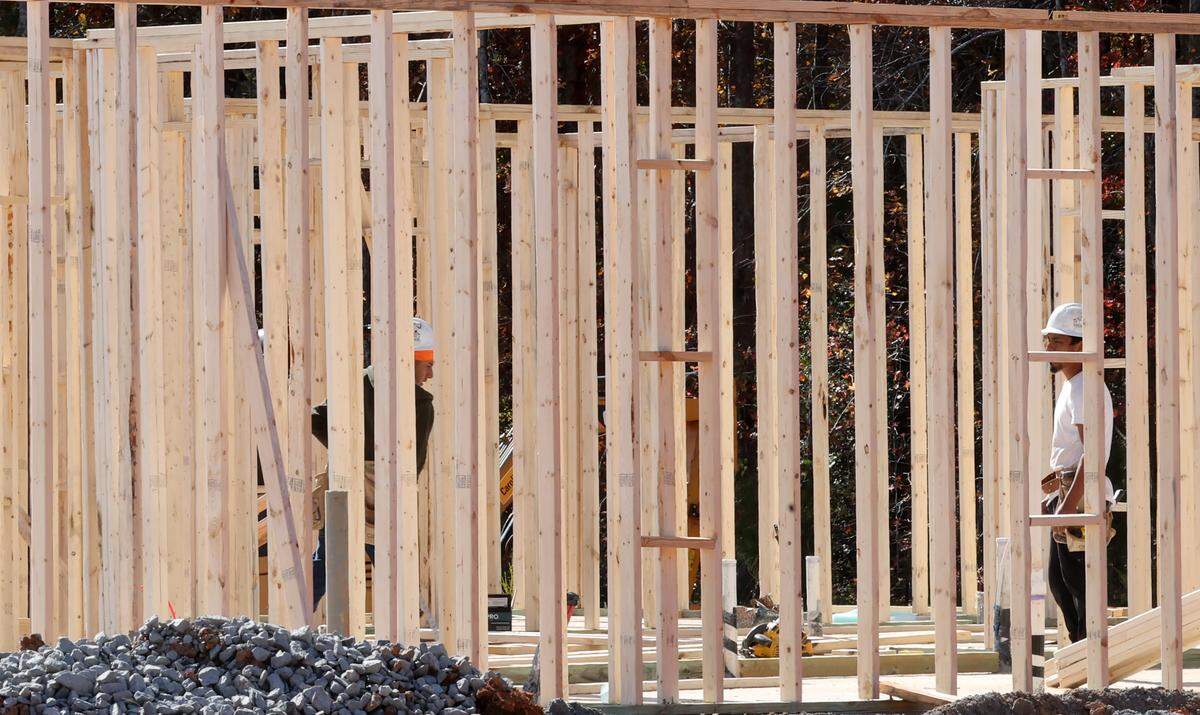
The panhandle has 7,000 residential units approved but not yet built, according to the county. Unincorporated areas south of the panhandle have 10,000 units.
“A lot of people may not be paying attention to this other part of the county,” said County Administrator Dennis Marstall.
Many of those homes are along the Catawba River at Edgewater, southwest of Lancaster.
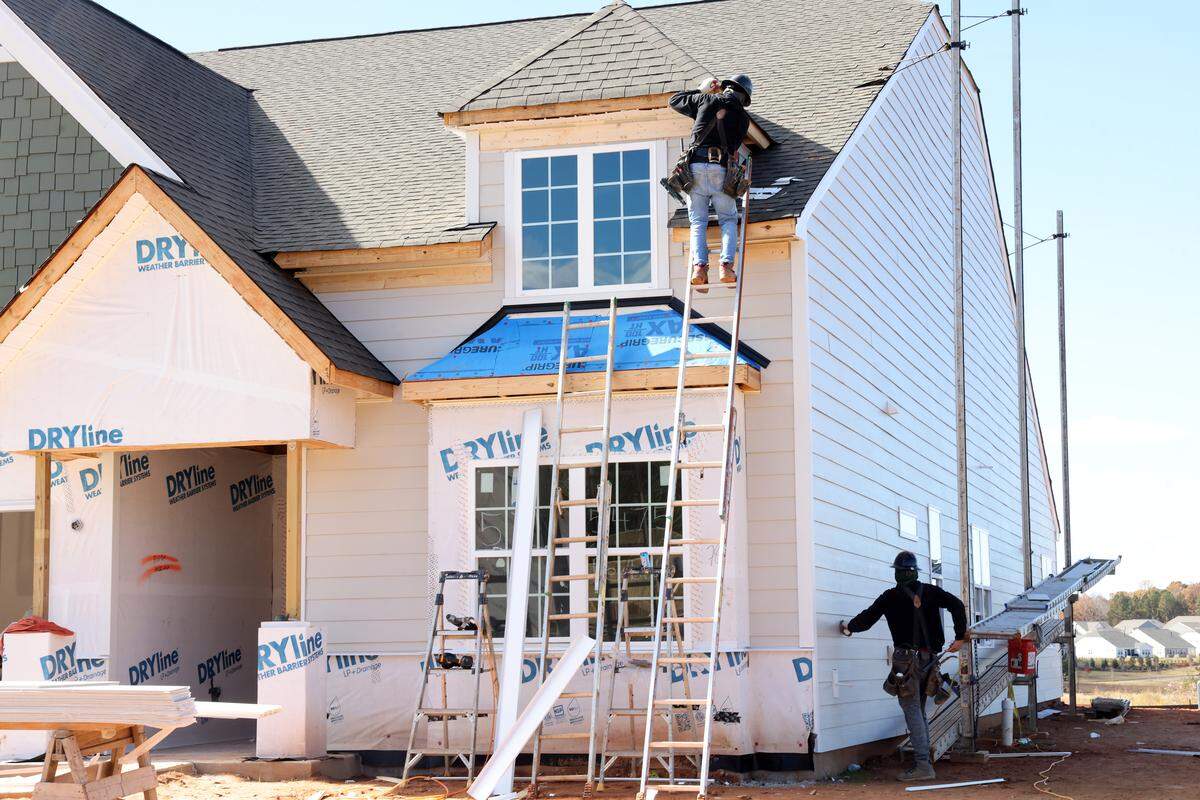
But the county has an application now for a 926-home Lennar neighborhood just north of the city. A Meritage Homes project up against the Lennar property would add 578 homes. A plan called Riverside would put 230 homes on nearly 500 acres south of the panhandle.
The Lennar and Meritage neighborhoods are across from Roselyn, a senior community under construction now with more than 1,800 homes.
Those areas are a major reason why a county with fewer than 100,000 people at the 2020 Census is projected to have more than 192,000 residents by 2050.
“That’s a new recreation center,” said Lancaster County Council Chairman Brian Carnes. “That’s new schools. That’s EMS and fire. All of those services that we provide now in other parts of the county, we’re going to have to provide in those areas, plus the new areas that are going to be developed that we’re not even aware of now.”
Indian Land struggles to keep pace with growth
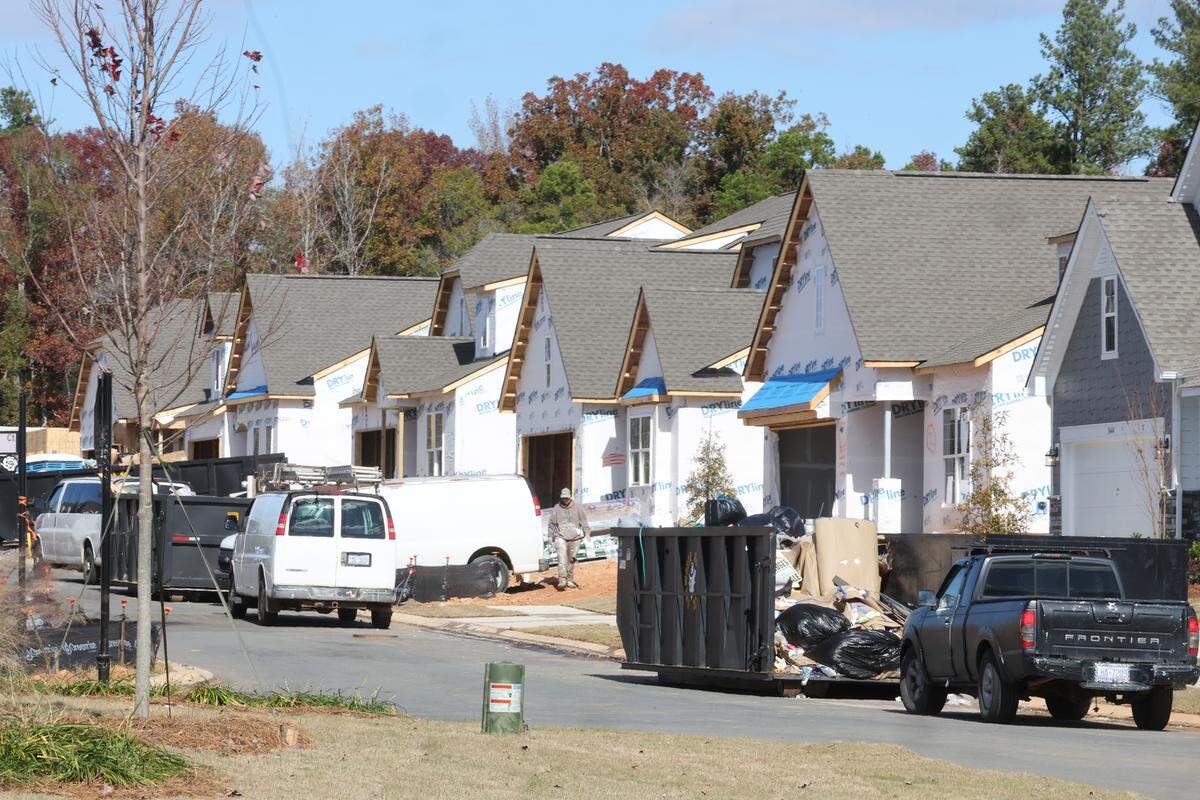
Indian Land already knows about those growth challenges.
Roads haven’t been upgraded to support the traffic, residents told Council on Monday. Several residents drew a line from the failed 1% sales tax for road construction referendum a week earlier to distrust of how the county spends money in the growing area.
“I get growth,” said Indian Land resident and Pineville Chamber of Commerce President and CEO John Holobinko. “But there’s a difference between uncontrolled growth that is subsidized by the existing residents and population, versus controlled growth.”
Many residents in Indian Land see an influx of new homes as a worsening problem. Several residents on Monday asked Council to consider community concerns rather that the interests of developers.
On Sunday, Lancaster County Councilman Jose Luis posted on social media that a small developer had already requested an exemption from the homebuilding moratorium. Luis didn’t name the developer. That post spurred the flurry of emails and speakers who said they, and Indian Land, have had enough.
“I’m just asking you to stand firm, that there will be no exceptions given for the moratorium,” said resident Kathy Storm.
Schools reach enrollment tipping point
Roads aren’t the only public concern tied to growth. Schools are a significant one.
Last year, the Lancaster County School District proposed a $588 million bond referendum largely to meet growing capacity needs in Indian Land. Voters rejected it.
Given recent growth trends, future bond questions are likely to take a wider view of the county.
“We’re seeing that growth sprawl into Lancaster,” said school board Chairman Melvin Stroble. “And it’s going to have a huge impact on our existing schools.”
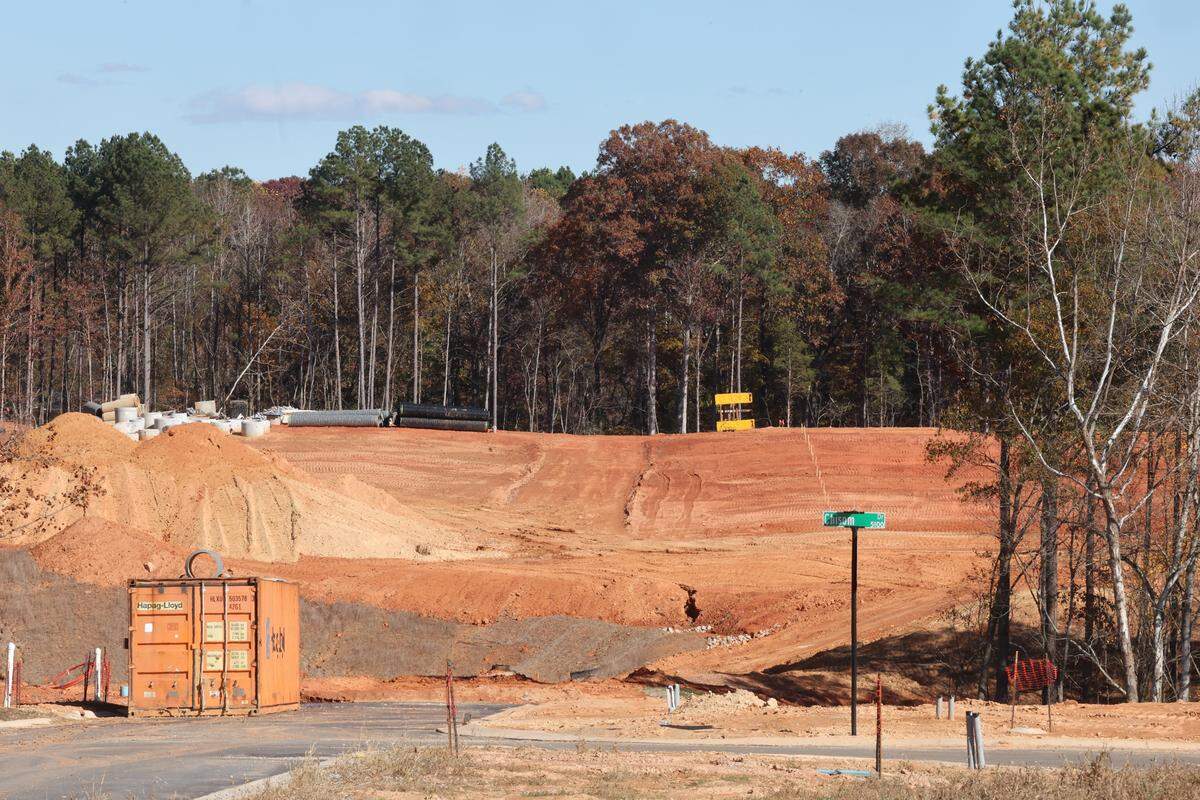
A tipping point for district-wide enrollment looms in 2028, he said, and schools south of the panhandle will reach capacity soon.
The 864-home project up for vote next week in Lancaster would be zoned for Lancaster High School. That school had about 1,300 students this spring.
The 926-home Lennar neighborhood and the 578-home Meritage proposal would be zoned for Buford High School. That’s more than 1,500 homes sending students to a school with 505 students.
“We’re not going to be able to sustain the growth that’s coming without new (school) construction, coupled with modifications to attendance zones,” Stroble said.
Keeping up with new residents would’ve been a challenge even if the bond passed last fall. Now, Stroble said, the school district likely will have to borrow a strategy from the nearby Fort Mill School District of putting smaller bonds to voters at more regular intervals.
Fort Mill schools approved 10 referendum ballots to build schools since 1983, for a combined $926 million. Six of those bonds have come in the past 20 years. Lancaster County voters approved one bond, a $199 million vote in 2019, since 1983.
They’ve voted down three others in that span.
Planning for inevitable Lancaster County growth
As Lancaster County grows, leaders want help from the state.
Luis wants a state rule that ties development plans to rezoning, so a builder can’t change the land use of a property based on a plan and then swap it for something else. Carnes wants the state to require more road improvements from developers.
A developer adding a couple of turn lanes into a site when the major road beside it is failing doesn’t work, he said.
“I know we can’t put it all on the people that came in the door last,” Carnes said, “but we’ve got to have something to help improve things for our citizens.”
S.C. Rep. Brandon Newton, a Dist. 45 Republican, serves parts of Lancaster and Kershaw counties. He expects the legislature to look at issues in coming years that could help communities with water, sewer, road and rural school infrastructure funding.
But there are challenges, he said, including an increased tab the state is picking up for services once funded by the federal government, like mental health services.
Roads are tricky, because there are high financial and time costs.
A Fork Hill Road bridge is an example, Newton said, where the road has been repaved around it, but the bridge has been out for four years.
A Lancaster County-specific problem with roads involves focus. High-growth counties typically want funding for the interstates that run through them. Rural counties often want help with local roads.
“That’s the biggest divide we have when we do road funding, is rural and urban,” Newton said. “It’s not red and blue, it’s rural and urban.”
Lancaster County is the rare spot with high-growth, urbanizing areas but no interstate.
Counties unwilling to wait on upgrades for state-maintained roads have increasingly gone to local sales taxes. York County voters passed five Pennies for Progress campaigns since 1997, each using a 1% sales tax to fund roads.
Lancaster County voters have rejected a 1% sales tax for road work twice since last fall.
Those decisions come at a significant time. The Costco that opened this fall in Indian Land had $1.2 million of sales on its first day, Marstall said. A new Target, Lowes Foods and other large retailers only add to the amount of revenue generated across the panhandle.
Lancaster looks forward to growth phase
DeVenny knows it’s hard for some people to see growth challenges in Indian Land and welcome them to Lancaster.
He also knows population increase will come. By annexing land and negotiating development agreements, the city will be able to add space for commercial growth and public service sites.
The big challenge for all of Lancaster County will be a mindset shift, DeVenny said. People who lived in Indian Land decades ago and people who live south of the panhandle now face that same hurdle of reimagining a historically rural area.
“It existed the way it existed because basically you had the same formula,” DeVenny said. “Small farms, and that existed for 200 years. That is changing.”
Reality Check reflects the Rock Hill Herald’s commitment to holding those in power to account, shining a light on public issues that affect our local readers and illuminating the stories that sets the Rock Hill region apart. Email realitycheck@heraldonline.com