A rise in forged COVID vaccine cards has SC health officials calling investigators
READ MORE
COVID-19 spikes again in South Carolina
Here’s the latest on the omicron variant surge, COVID-19 guidance and more in South Carolina.
Expand All
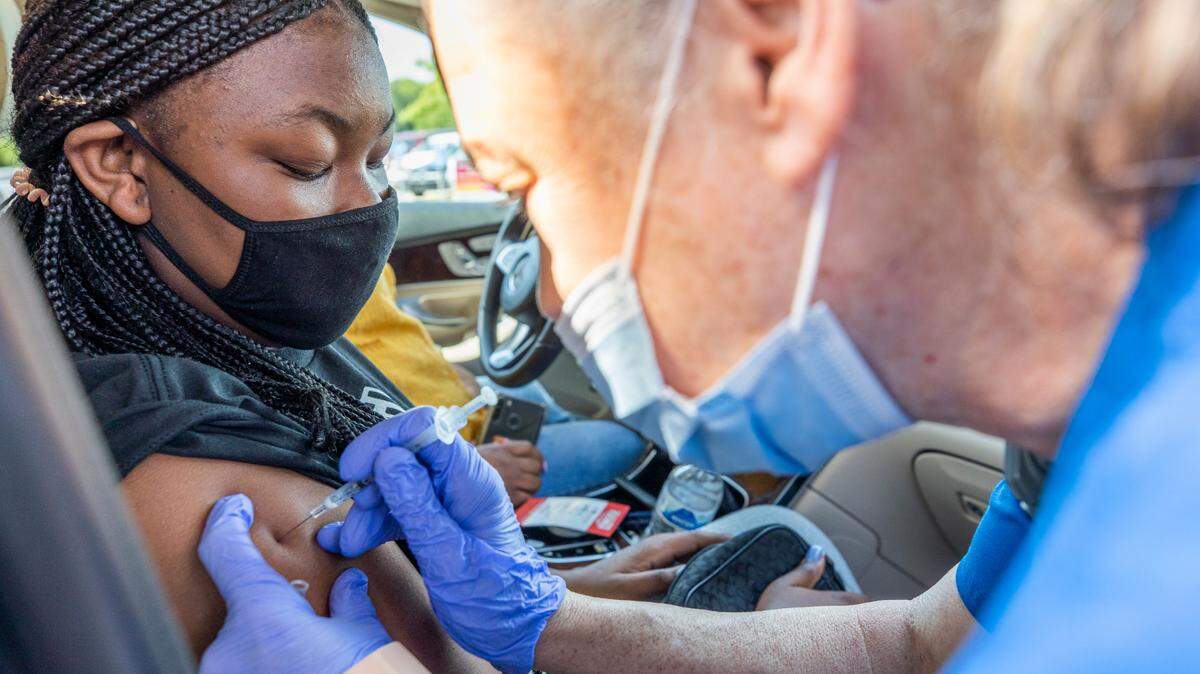
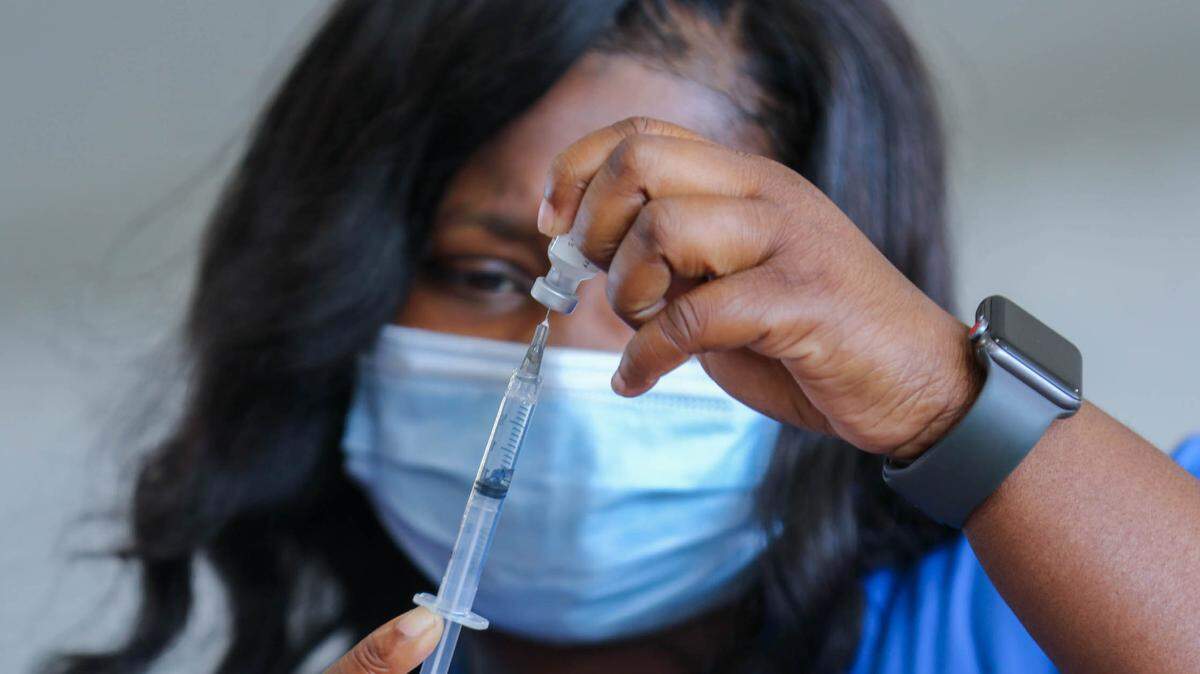
South Carolina health officials fear a growing number of unvaccinated residents are putting the public at risk by forging or using forged COVID-19 vaccine cards to pass themselves off as inoculated against the virus for personal or professional reasons.
Vaccine card fraud reports have surged in recent weeks and are likely to continue increasing as more employers and institutions mandate vaccinations, Department of Health and Environmental Control officials said.
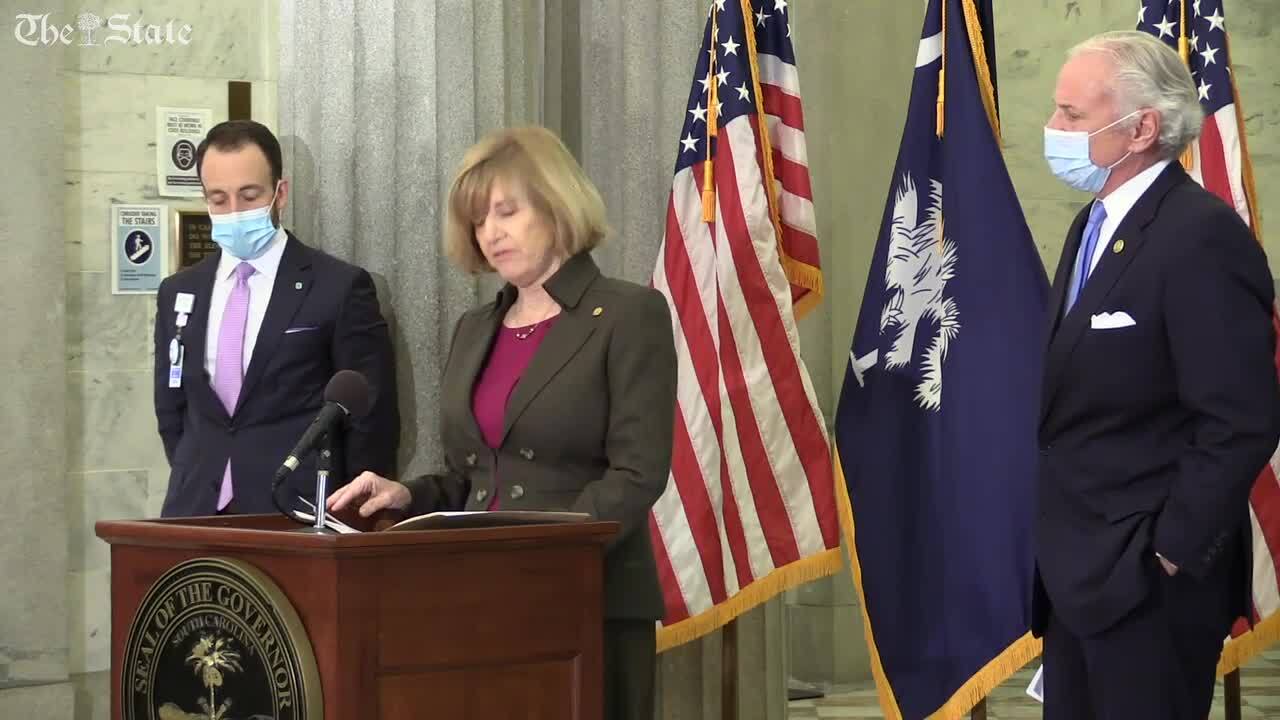
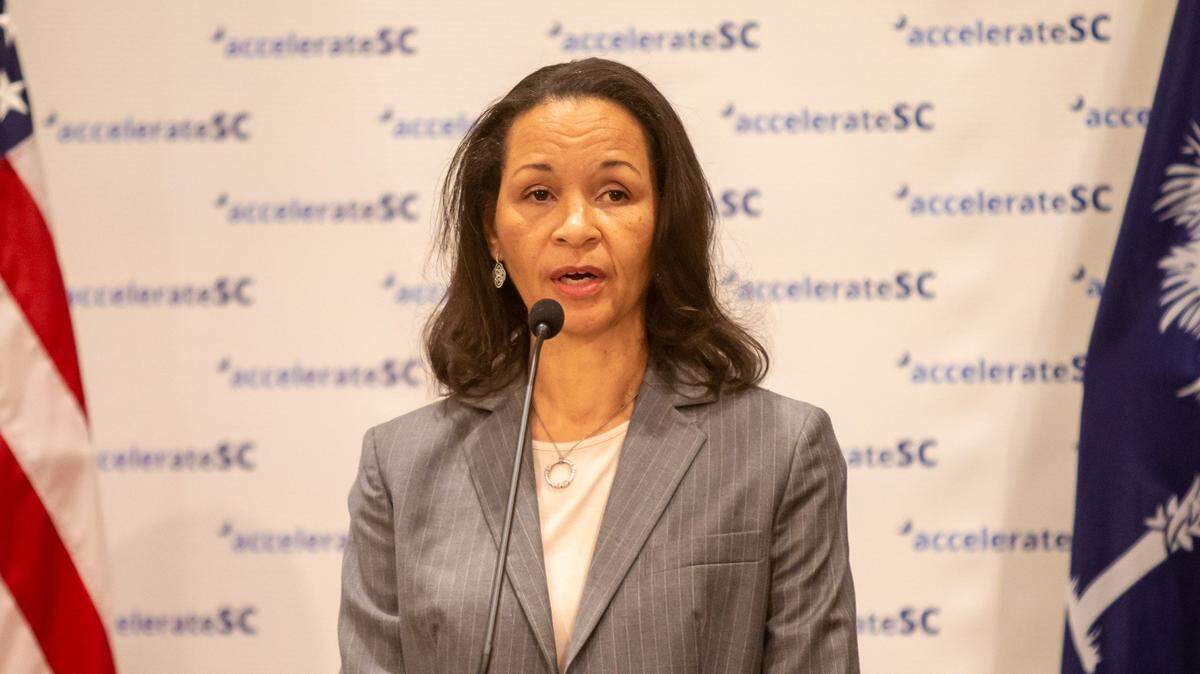
“(Vaccine card fraud) has the potential to expose members of the community to a potentially deadly virus, especially if an individual is representing themselves to be vaccinated in order to avoid testing, which might be required in a school or in an employment setting,” DHEC’s COVID-19 incident commander Louis Eubank said.
The agency held a call with state law enforcement officials late last week to discuss the problem and coordinate the referral of suspected vaccine fraud cases for criminal investigation, a step DHEC said illustrates how seriously it takes the issue.
While DHEC has dealt with cases of non-COVID-19 immunization fraud in the past, the ubiquity of coronavirus vaccine cards makes them ripe for duplication and forgery.
“If you do a quick Google search, it’s very, very easy to find a blank template that lends itself to being printed, forged, distributed,” Eubank said. “Typically we have more thorough immunization records that don’t necessarily lend themselves to that ease of forgery and fraud.”
Officials said the agency had received dozens of vaccine card fraud reports in recent weeks, but has referred only a single case to the State Law Enforcement Division to date. It expects to pass along additional complaints as they come in, as long as the tips contain solid, actionable information.
“This is something that’s really come to our attention in the last few weeks,” DHEC’s top COVID-19 attorney Danielle Maynard said. “We don’t have a tracking system set up right now, but we’re working on that process and procedure to be able to track those complaints and then refer them as appropriate.”
Maynard declined to provide details of the suspected vaccine fraud case recently referred to SLED. She said the complaint also was shared with the state’s Department of Labor, Licensing and Regulation, indicating it may involve a licensed medical professional.
A SLED spokesman did not respond to requests for comment about the agency’s pursuit of vaccine card counterfeiters.
Maynard said state law enforcement officials expressed interest in receiving reports of suspected vaccine card fraud, but it’s not clear if SLED has prosecuted any such cases.
Fake COVID-19 vaccine cards are proliferating nationwide
Across the country, the fake COVID-19 vaccination card business is booming.
The typical price of phony vaccine cards bearing the U.S Centers for Disease Control and Prevention logo doubled to $200 after President Joe Biden’s recent announcement of a federal vaccine mandate plan and the number of sellers hawking fake vaccine card online rose nearly tenfold, according to a report by the Pew Charitable Trusts.
Meanwhile, state and federal law enforcement officials have been cracking down on the fake vaccination card racket.
Multiple states have announced the arrests of travelers who presented fake vaccine cards at airports and of black market sellers caught peddling the forgeries.
The FBI earlier this year released a public service announcement alerting the public that buyers and manufacturers of fake vaccine cards were breaking federal law and U.S. Customs and Border Protection has since intercepted multiple shipments of fake COVID-19 vaccination cards from China.
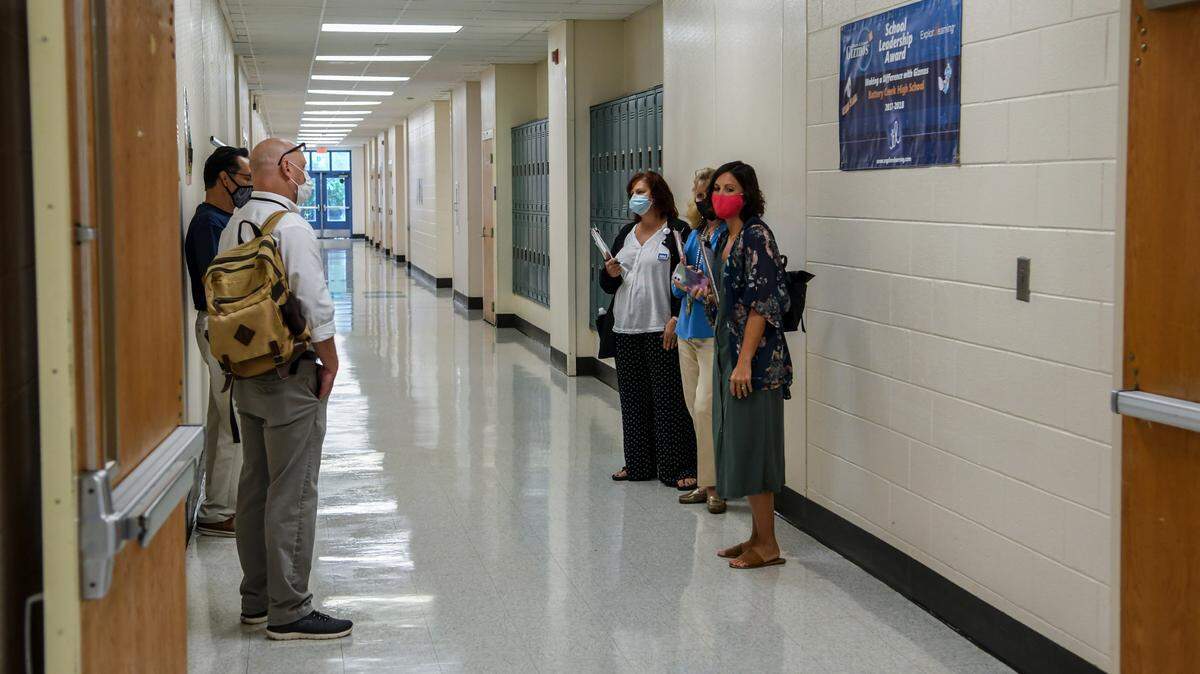
Most of the vaccine fraud complaints DHEC has received of late come from school nurses, administrators and parents, Maynard said.
South Carolina schools do not require COVID-19 shots for students or staff, but because vaccinated individuals are not required to quarantine after being exposed to the virus unless they develop symptoms, parents of unvaccinated children may present fake vaccine cards to avoid having them miss out on in-person classes.
Department of Education spokesman Ryan Brown said he’d heard anecdotally of parents faking their kids’ vaccine cards to get out of quarantine, but hadn’t received any confirmed reports.
However, given that parents resorted to altering school mask opt-out forms last year to remove portions they disagreed with, it isn’t surprising some would forge vaccine cards, he said.
Anticipation of the looming federal vaccination mandate for large employers also may be motivating some residents to forge COVID-19 vaccine cards, Maynard said.
The Biden administration announced earlier this month that workers at companies with 100 or more employees eventually would be required to roll up their sleeves or undergo weekly coronavirus testing.
Some workers who don’t want the shot but also don’t want to be subject to frequent testing are looking for a way to avoid both.
“People who don’t want to get vaccinated are trying to determine what other tools or avenues they have to make it appear as though they’re vaccinated,” Maynard said.
Anyone who suspects COVID-19 vaccination card fraud and wishes to report it to DHEC can call the agency’s constituent services line at 803-898-3432 or email info@dhec.sc.gov.
This story was originally published September 30, 2021 at 5:00 AM with the headline "A rise in forged COVID vaccine cards has SC health officials calling investigators."
%20(5).jpeg)