Despite months of messaging and vaccine incentives, DHEC struggles to convert skeptics
READ MORE
COVID-19 spikes again in South Carolina
Here’s the latest on the omicron variant surge, COVID-19 guidance and more in South Carolina.
Expand All
It’s Day 568 of the COVID-19 era and the Department of Health and Environmental Control’s morning command and general staff meeting gets underway with participants relating developments in their areas.
The reports are a mixed bag.
Coronavirus cases and hospitalizations are trending down after a late summer spike, but signs of South Carolina’s enduring struggle with vaccine uptake pervade the dispatches.
Vaccine card fraud is increasing, a top agency lawyer reports, and health officials have discussed the problem with state police.
Communications officials are working to dispel the misconception that DHEC grants dispensation from employer vaccine requirements because a growing number of residents are demanding exemptions.
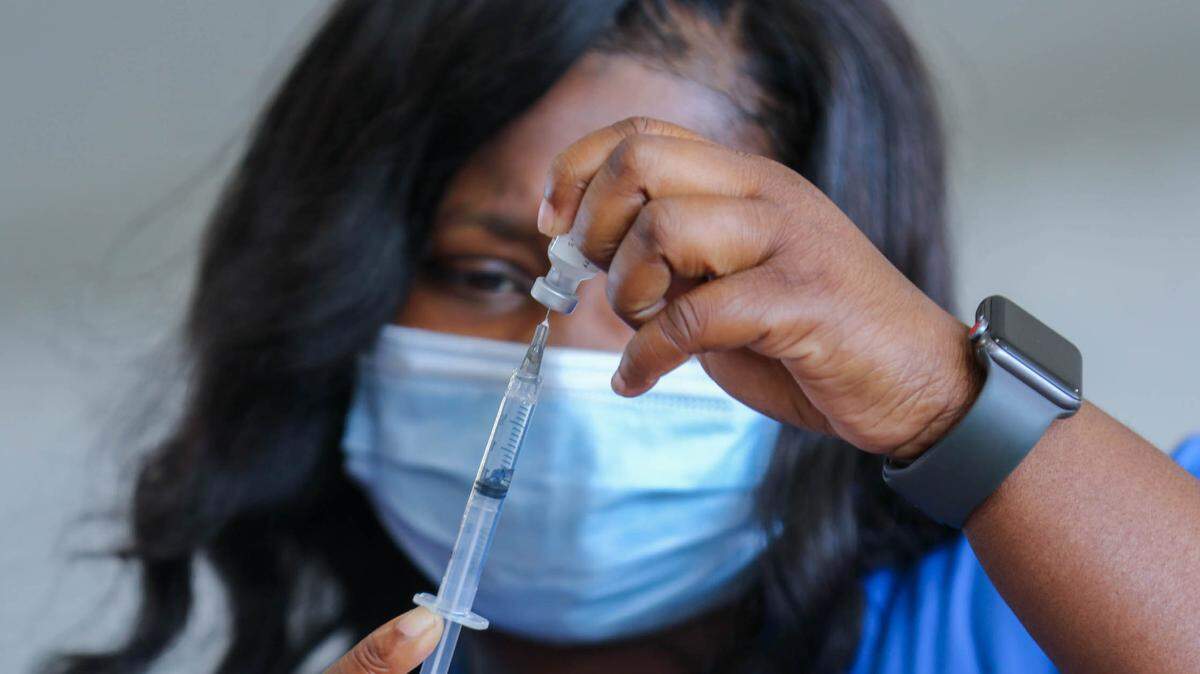
A pop-up clinic at the Riverbanks Zoo on a beautiful fall Saturday netted just 29 vaccinations.
Despite nearly a year’s worth of public messaging about the safety and effectiveness of COVID-19 shots, more than 2 million South Carolina residents age 12 and older remain unvaccinated, according to state health department data.
Vaccine hesitancy is not unique to the Palmetto State — a full third of eligible U.S. residents haven’t rolled up their sleeves — but it is more pronounced here than in many parts of the country. South Carolina’s 49% overall vaccination rate is tied for 36th nationally, according to the U.S. Centers for Disease Control and Prevention.
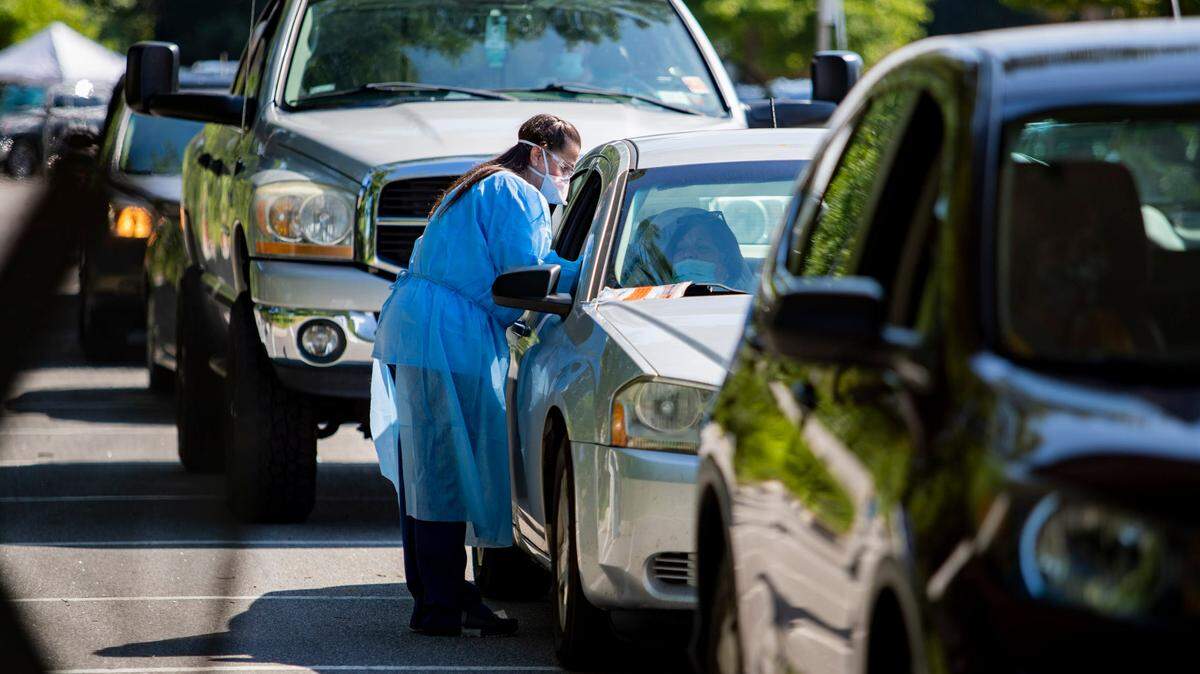
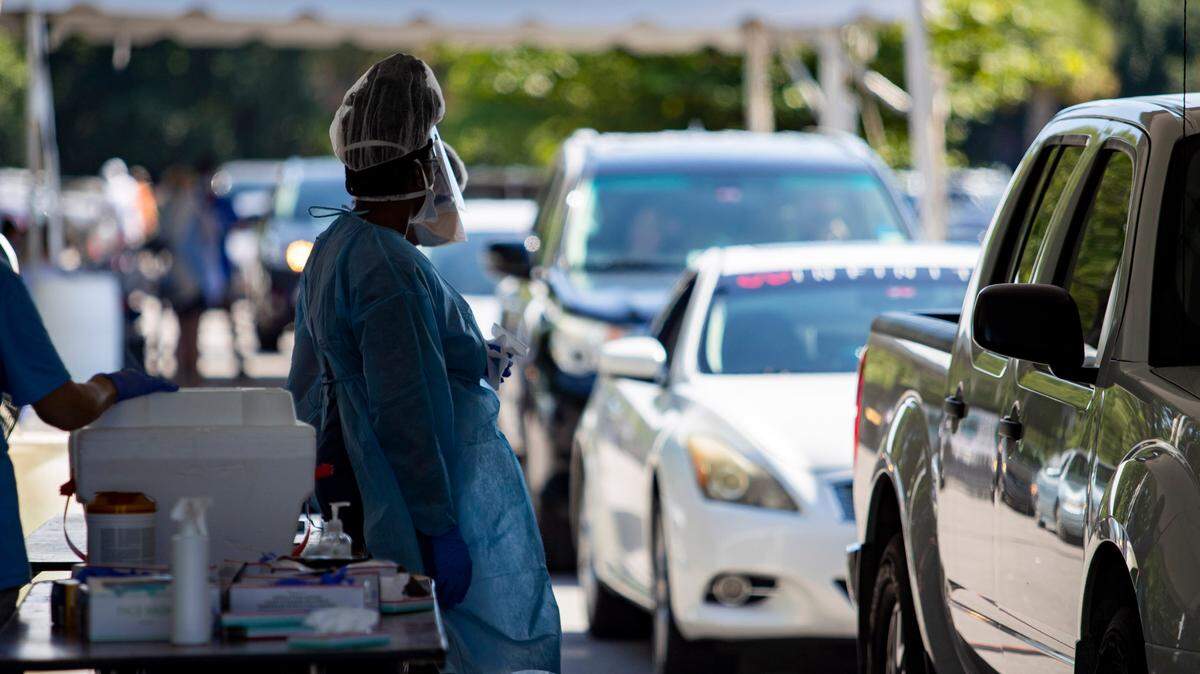
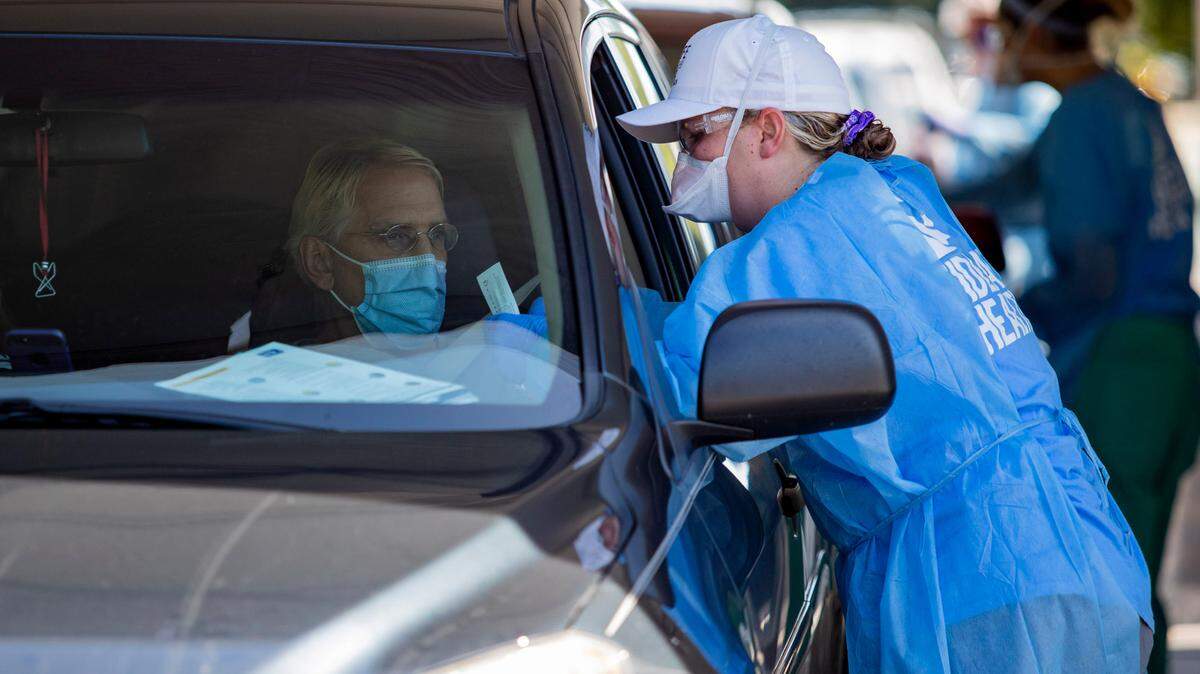
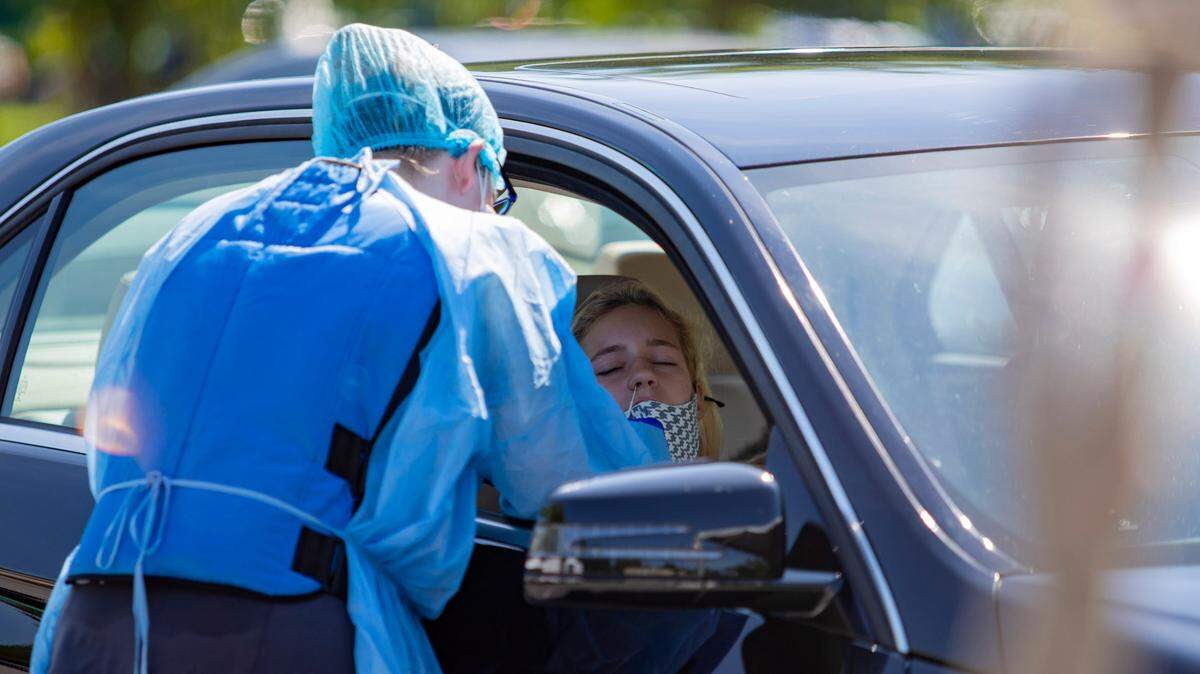
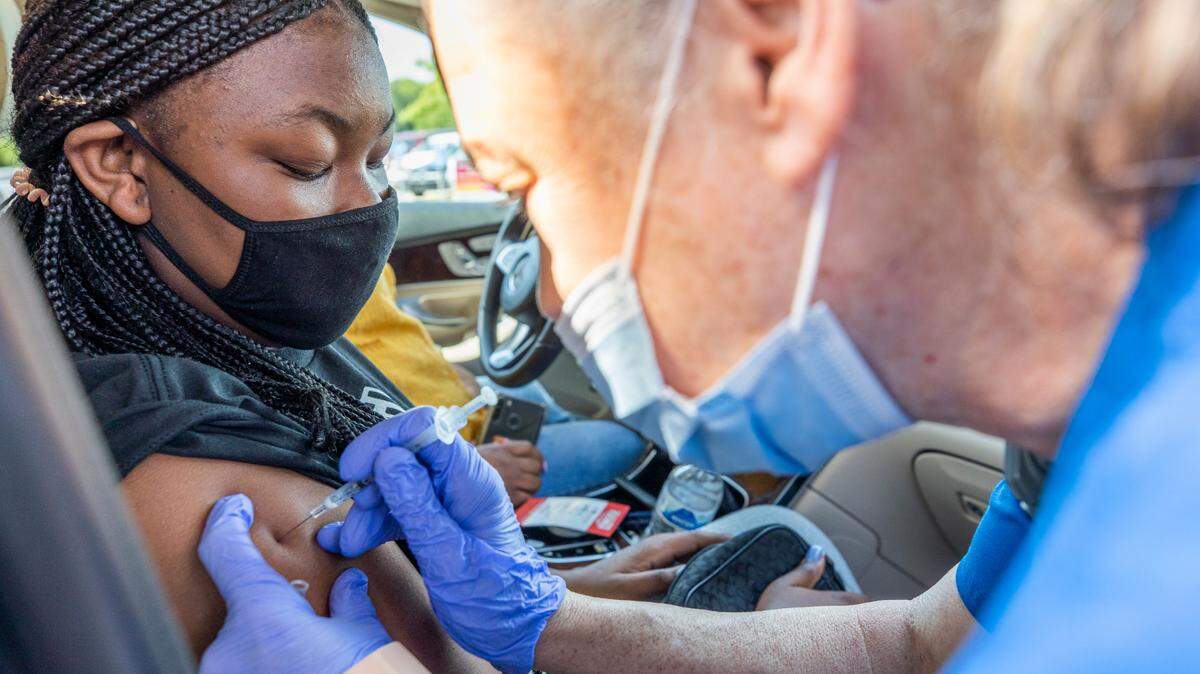
Long gone are the days when hundreds, if not thousands of people would queue in their cars for hours waiting their turn for a life-saving jab. Vaccination events often attract just a few dozen people these days and health department officials are left appealing to residents on the margins.
Fewer first doses are being administered weekly in South Carolina than were being given daily back in March and the number of fully vaccinated people returning for third shots easily exceeds the number of residents getting their first doses, according to DHEC data.
“It’s a periphery game,” said Louis Eubank, DHEC’s COVID-19 incident commander. “We’re off on the edges trying to pluck those two or three or four people.”
State health officials have tried everything short of mandating COVID-19 shots to increase uptake, but have repeatedly run up against a brick wall of vaccine resistance.
“We thought initially just the specter of the vaccine ending the pandemic would have been enough,” Eubank said. “And then we thought playing to heartstrings would be enough. We thought messages from frontline workers in the healthcare sector would be enough. We thought daughters talking to their fathers and messaging that through campaigns would be enough. And none of it has been.”
The agency hasn’t given up on getting shots into residents’ arms, he said, but it’s run out of ideas for moving the needle.
“Short of some variant of the disease being so scary to people that it forces them into that situation, I don’t know what else we could do,” Eubank said.
Who resists the COVID-19 vaccine and why?
For some, resistance to the vaccine stems from distrust of government and the pharmaceutical industry. Others express moral or religious objections to the vaccine development process.
Many fear the vaccine’s side effects will be worse than getting COVID-19, despite overwhelming evidence to the contrary, and would rather take their chances with the virus than roll up their sleeves.
Still others, especially rural and underserved residents, continue to struggle with access issues.
While vaccine resisters run the demographic and political spectrum, surveys have found that people who identify as Republican or white evangelical Christian are consistently the most opposed to COVID-19 vaccination.
“We knew we had some folks that for historical reasons, our African American community, that were going to be reluctant to trust and take something just because the government says it’s the right thing to do,” said Keith Frost, an assistant chief in DHEC’s Bureau of Air Quality who recently wrapped up a 13-month tour as the agency’s COVID-19 incident commander. “The staunch right, middle-aged white male? That surprised me.”
State health department officials and public health experts alike said they were caught off guard by the politicization of the pandemic and the partisan divide that has developed over vaccination.
“I really think that most of us expected that health would be the one thing where we could just agree, that this is right or wrong,” said Helmut Albrecht, medical director of the Center for Infectious Disease Research and Policy for Prisma Health and the University of South Carolina. “But it turns out, it mattered whether it was right or left, and that made no sense whatsoever to most health care providers and public health officials.”
Albrecht, who bemoaned the rampant COVID-19 misinformation circulating on social media and the politicization of the vaccine as “mind-boggling,” said it had set the country’s battle against the virus back considerably and would need to be accounted for in future pandemic plans.
Eubank agreed, saying health officials’ failure to anticipate the public pushback to vaccination is likely one of the biggest miscalculations made during the pandemic and that DHEC would factor in vaccine resistance when it updates its pandemic influenza plan in the months ahead.
“We sort of went into it thinking it was going to be a lot like the Titanic. Everyone was gonna want off and we were finally gonna have the lifeboats to do that,” he said. “We never expected that half of them would want to go down with the ship.”
Pro-vaccine messaging falling on deaf ears
Health officials have been crafting and repackaging pro-vaccine messaging for months, but have struggled to connect with millions of South Carolinians as the COVID-19 body count rises.
The state recently eclipsed 13,000 coronavirus deaths.
“It is frustrating and deflating when you’re doing everything you can to make it readily available, easy to understand and you just have a large reluctance,” said Frost, who has lost unvaccinated family members to the coronavirus. “Because the science is there, the science shows that it’s effective.”
The traditional approach to persuasion, of responding to resisters’ objections with hard evidence, has been wholly ineffective, said Ron Aiken, DHEC’s spokesman.
When health officials present facts dispelling one vaccine conspiracy theory or another, hard core resisters simply adopt new reasons for refusing to roll up their sleeves, he said.
“You start to realize that what is important is opposition, not whatever piece of information they’re using to justify it,” Aiken said. “Getting inside that whole sphere of identity, nobody has done it. The smartest people in the world creating persuasive messages have not been able to penetrate it. No message gets through. So that’s when you think, maybe there is no silver bullet, maybe there is no getting through.”
Despite the challenges, local health experts believe South Carolina’s vaccination rate will continue to tick up, albeit slowly, until it reaches about 70%.
Getting to that point might require mandates, some said, but there’s still hope that many of the state’s vaccine holdouts just need time to come around.
Mass public health efforts, like the implementation of seat belt laws or public smoking bans, often meet with resistance initially, said Michael Sweat, director of the COVID-19 Epidemiology Intelligence Project at the Medical University of South Carolina.
Over time, however, people acclimate and opposition wanes.
In the meantime, it’s incumbent on public health officials to continue trying to chip away at the persuadable individuals in an effort to hasten the end of the pandemic, experts said.
“Anything we can do to get that remaining (group of unvaccinated residents) to roll up their sleeves will only help us all go through the next change in the virus less impacted and less concerned because we will have protected each other,” said Rick Scott, Prisma Health’s chief clinical officer and COVID-19 incident commander in the Midlands.
This story was originally published October 13, 2021 at 5:00 AM with the headline "Despite months of messaging and vaccine incentives, DHEC struggles to convert skeptics."



%20(5).jpeg)