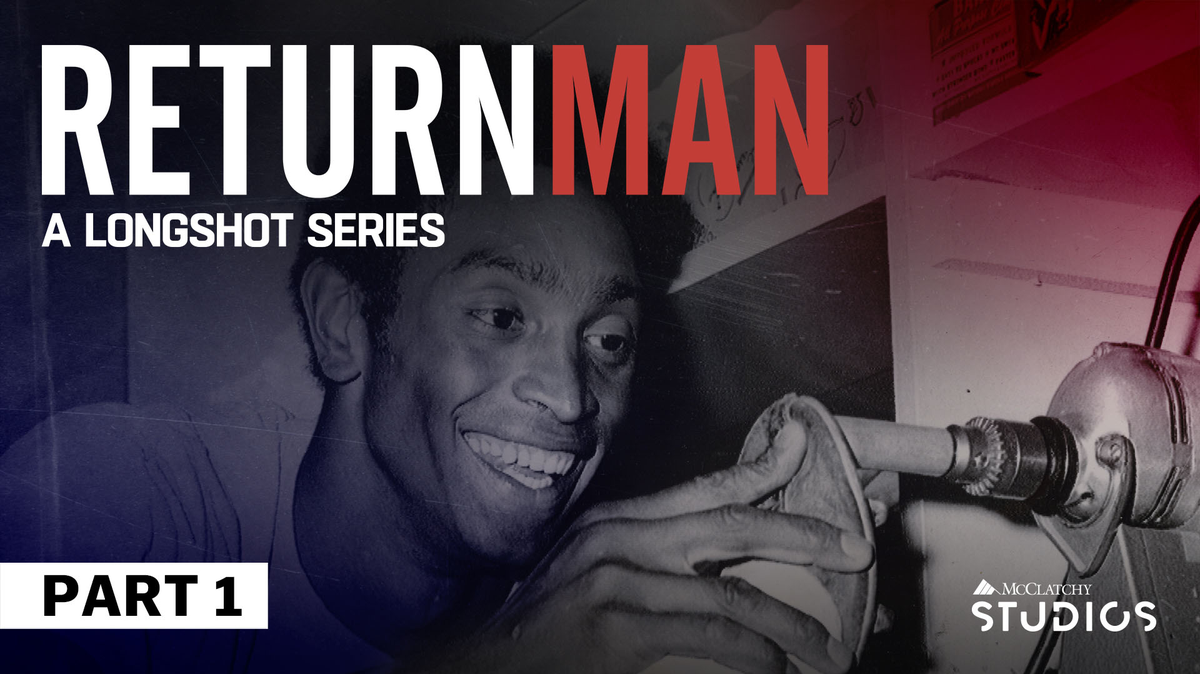
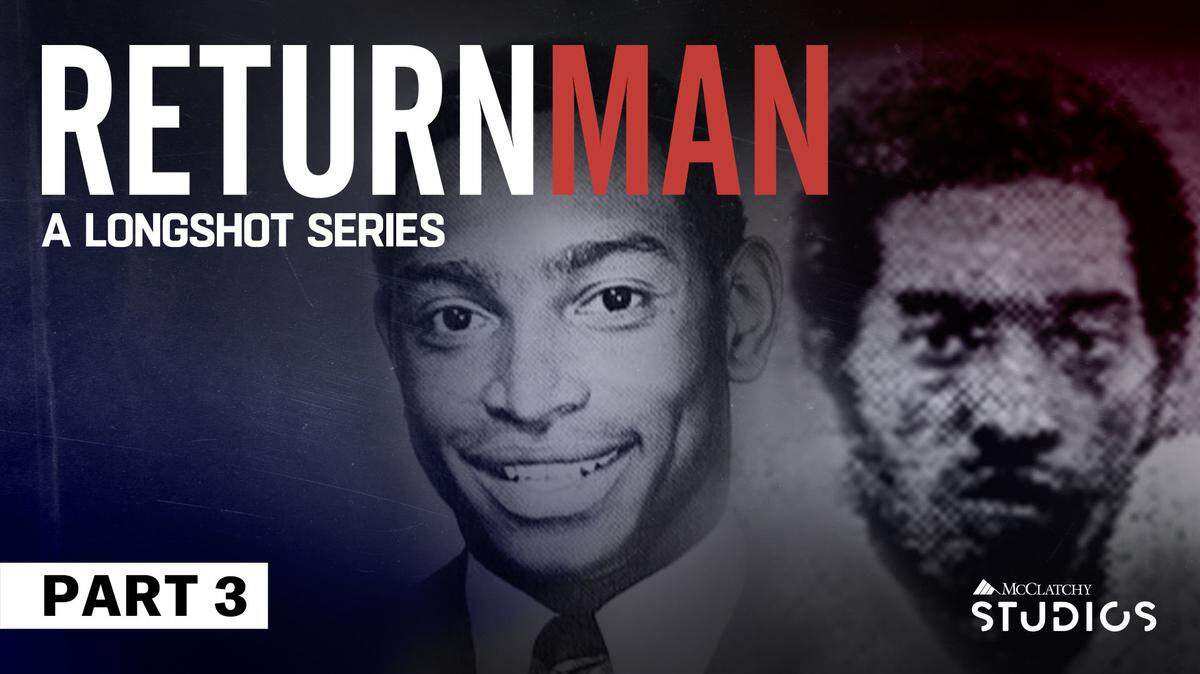
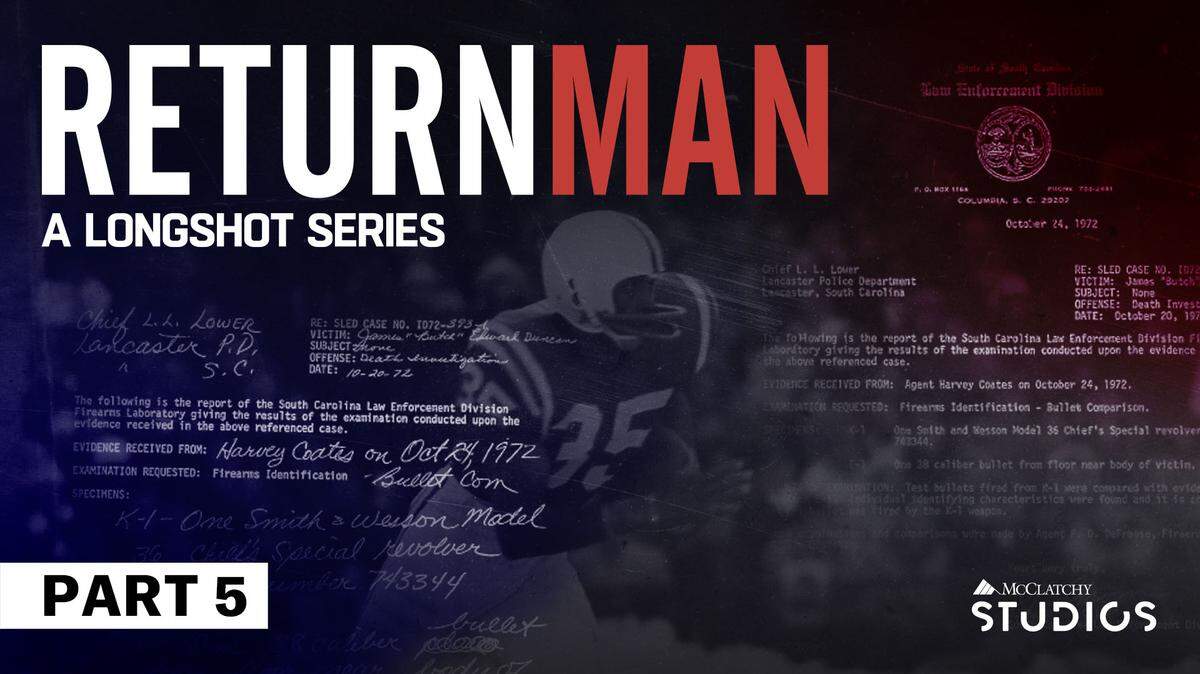
Super Bowl football champ Jim Duncan had it all. Did a head injury change everything?
READ MORE
What really happened to Jim Duncan?
The Super Bowl hero from Lancaster, SC supposedly committed suicide in a police station.
Expand All
Return Man is a podcast and 7-part series brought to you by the Rock Hill Herald and McClatchy Studios. It explores the life and shocking death of NFL Super Bowl champion Jim Duncan and the result of more than a year’s worth of interviews and reporting. Parts 4-7 of our written Return Man series is exclusively available to subscribers. Please consider supporting local journalism by purchasing a digital subscription.
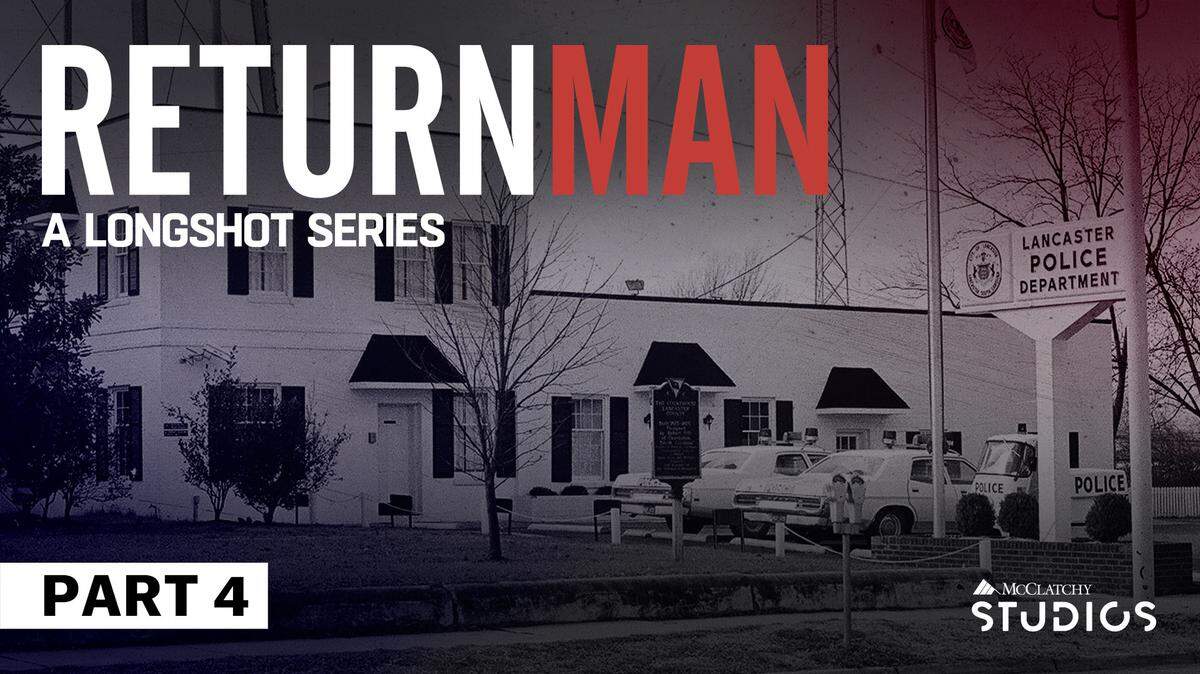
Jim Duncan is the Lancaster, South Carolina, native who allegedly died by suicide in the lobby of his hometown police station — a story that’s still disputed nearly 50 years later.
What’s indisputable, though, is that Duncan’s NFL career was about to take off with the Baltimore Colts in 1969.
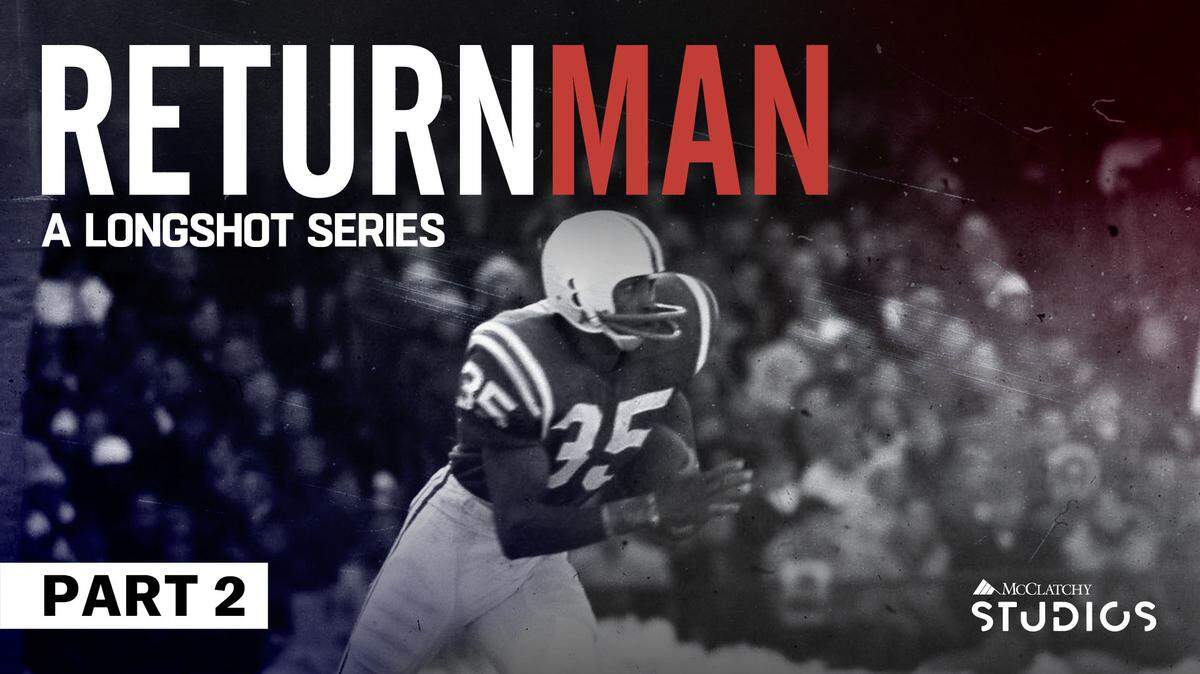
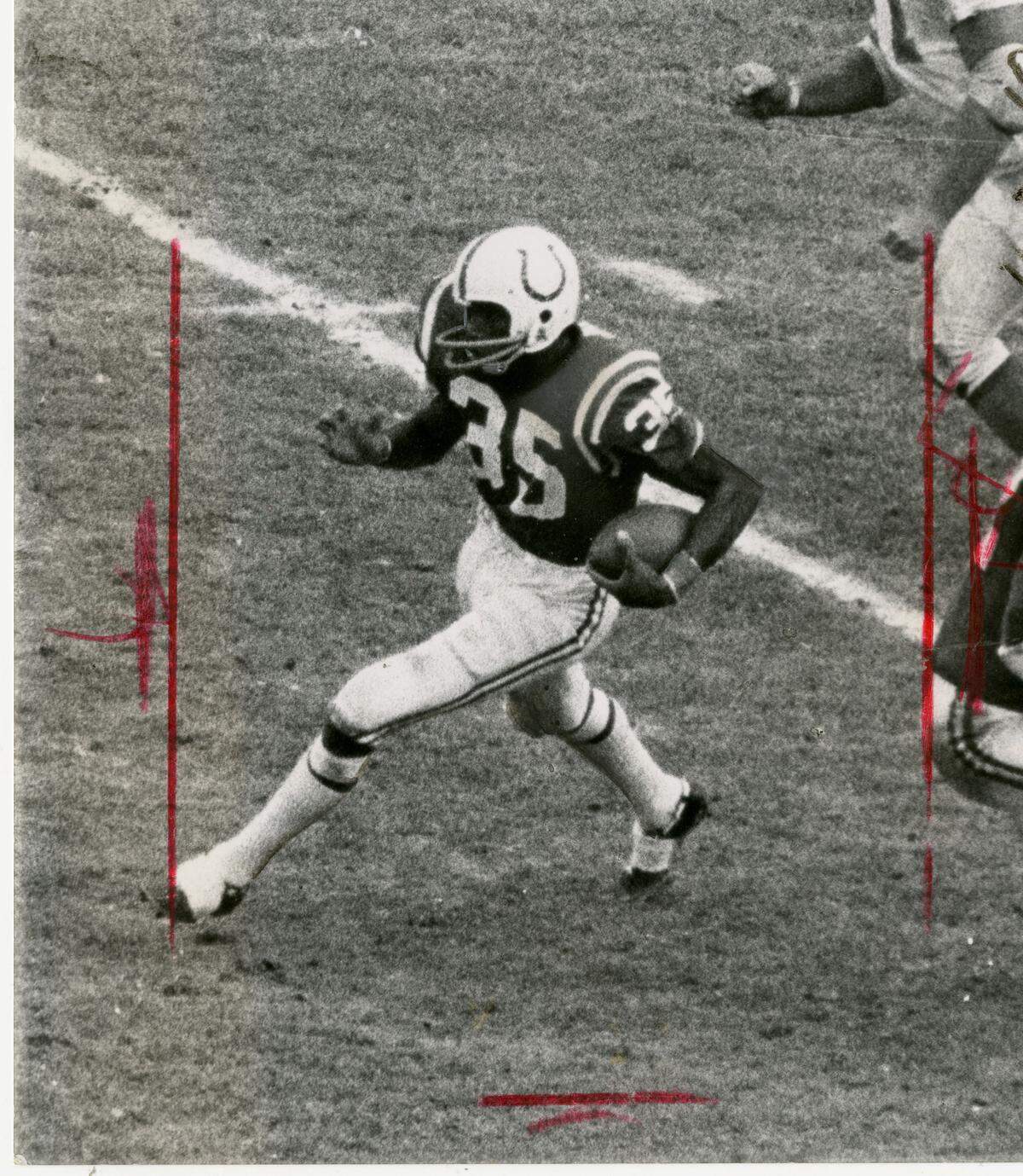
The Colts had cleaned out an aging defensive backfield, clearing the way for Duncan to get on the field, and he quickly took advantage. He averaged 29.5 yards per kickoff return that season, second-best in the NFL, and turned an October game against Atlanta in the Colts’ favor, running a kick back 92 yards for a touchdown.
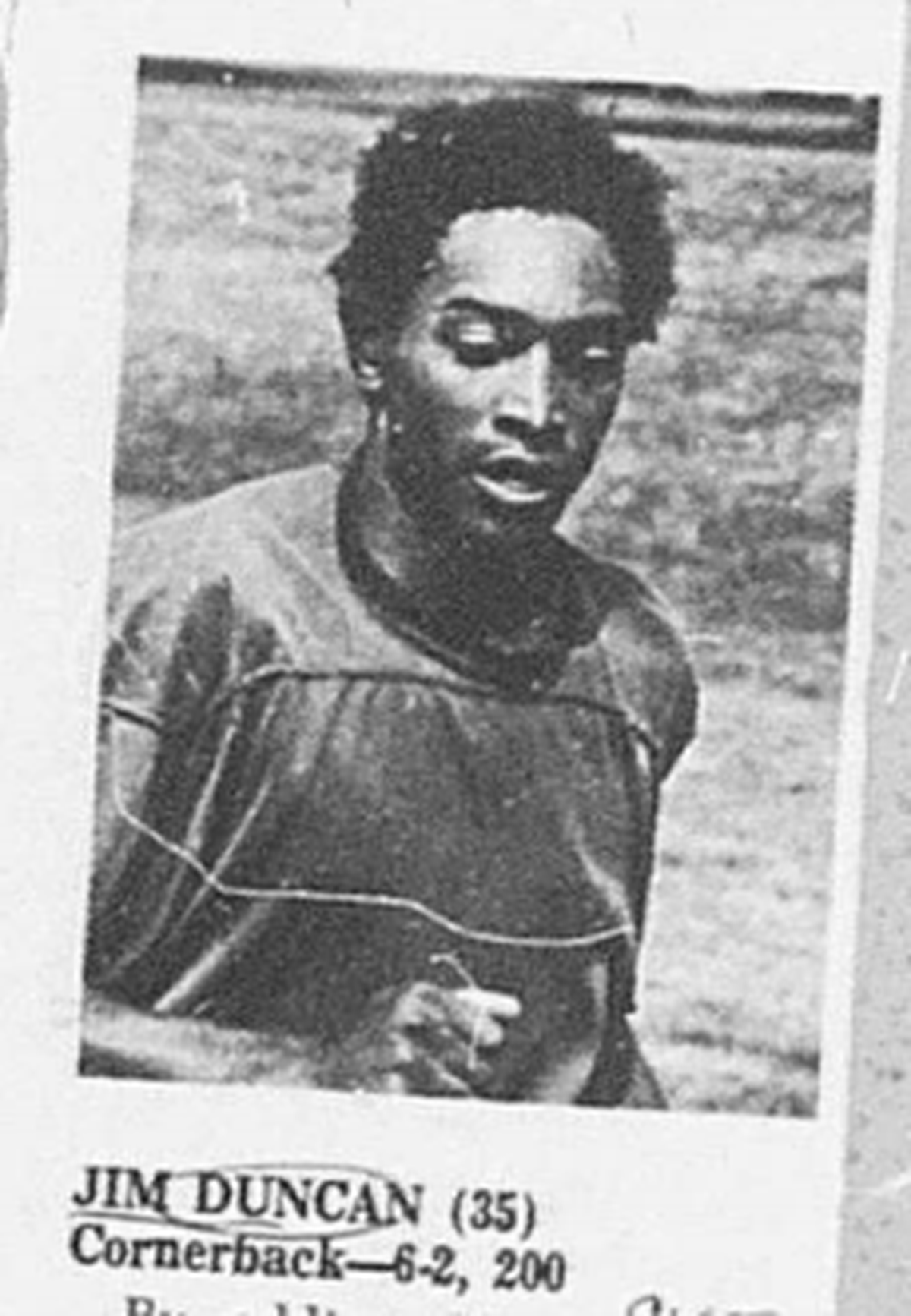
By the 1970 season, Duncan was at the peak of his football powers. Six-foot-2 and 200 pounds, he’d taken over the Colts’ starting cornerback job and was one of the most feared kickoff return men in the league, easily recognizable by his black Puma cleats with taped white laces.
He led the league in kickoff returns that season with a 35.4-yard average. Against Miami in November, Duncan caught the second half kickoff and arrowed toward the right sideline, past a teammate’s block, then galloped 99 yards for the score. Dolphin tacklers were left literally in the dust of Baltimore’s grassless Memorial Stadium playing surface.
“There weren’t a whole hell of a lot of teams that wanted him to have the ball on the kickoff,” said Larry Harris, who covered the Colts for the Baltimore Evening Sun newspaper.
Duncan wasn’t one of those shifty, jitterbug guys. He was a Colt in the truest sense of the word, an upright long strider who couldn’t be caught once he broke into open field.
“He had a very unorthodox style, the way he ran,” said former teammate and Colts receiver Eddie Hinton. “He ran real stiffly but you couldn’t outrun him. Like, ‘Damn, man. How do you run like that, dude?’”
Baltimore Colts becomes his religion
Duncan was blossoming in a city that passionately loved its football team.
Baltimore played for five championships between 1958 and 1971 and won three. Their devoted fans rewarded them with a true home field advantage, selling out 51 straight games at the horseshoe-shaped Memorial Stadium by the end of the 1970 season.
Colts fans threw snowballs at officials when calls didn’t go their way — postponing a 1969 game against Detroit for 14 minutes. Baltimore had its issues, especially regarding race, but its pro football team was a unifier.
“The Baltimore Colts were the closest thing to a religion,” said Upton Bell, the Colts’ director of player personnel from 1966 to 1971. “You played for the Colts, you were our man.”
The team sponsored 20 Colts Corrals, groups of Colts supporters based around Maryland that numbered more than 600 total members. And the Colts’ marching band added to the college football feel. By 1970, the strictly volunteer band featured 160 members and performed at Colts games and other functions throughout the city.
One result of the adulation: Duncan and his friend and teammate, Bob Grant, were happy to drink plenty of free beers during their time in Charm City.
“Baltimore Colts could do no wrong,” Grant said. “And the people were very generous. The players today are more celebrities than they are members of a community. We weren’t celebrities; we were sons of the city.”
Fast on the football field
Duncan and Grant both drove stately Lincoln Mark III luxury cars. Duncan’s was canary yellow. They went to nightclubs and Baltimore Bullets NBA games, usually with some of their other African-American teammates.
Duncan’s world was expanding. He was learning to play piano — he told a reporter he loved Burt Bacharach’s music — and he also was studying karate with Grant, who was a black belt.
Life was good and Duncan and Grant enjoyed every moment.
“We had a good time everyday, being who we were, doing what we were doing, and Baltimore was a ball player’s town then,” Grant said. “We were princes of the city!”
Duncan had always been conscious of his appearance, according to his brother Elroy Duncan, whether as a poor kid in Lancaster or as a pro football player in Baltimore. Grant remembered his friend as an immaculate, stylish dresser, without a wrinkle on any of his clothing. Everything matched, down to the socks and shoes. The handsome, muscular 24-year-old pro football player had zero issues meeting women.
“We were young men, with money,” Grant said. “Quite frankly, you didn’t have to look too far when you were a ball player back then.”
Maryland State teammate and friend Lawrence “Duke” Acker remembered flirting with girls alongside Duncan, when the two were in school together and when Duncan would come back to Maryland State in the offseason to train.
“He was conversible, well-liked by all, actually,” Acker said. “Fun-loving guy. Loved his ball and loved his ladies.”
Duncan was fast on the field, so his teammates began calling him Speedy. He had moves off the field too. Women loved Duncan. And he loved them right back.
“I didn’t try to compete with Speedy,” Grant said, laughing.
Success in Baltimore
Duncan’s base salary was $17,000, according to Ernie Accorsi, who was the Colts’ public relations director at that time. That translates to $100,000 a year in modern dollars. He was making more money than he ever could have imagined, he was on his way to pro football stardom and several young Colts teammates were experiencing it all with him.
Imagine the feeling as he, Grant and Ocie Austin, Duncan’s roommate, stood on their balconies at the swanky Sutton Place luxury apartments and sipped Iron City beers, overlooking the city of Baltimore and the harbor beyond. Picture the sunset view from the 12th floor, where Grant lived, all of the city’s racial and civil strife a hundred feet below.
.PNG "Return Man Maryland State yearbook senior photo 1968 (8).PNG")
Whether in Baltimore or other major American cities, Duncan, Grant and the other African-American Colts players had few equals in their socioeconomic class. A solid middle and upper class for Black people in America was still largely absent during the mid 1960s to early 1970s. The Colts players mostly socialized with other athletes, musicians and singers and actors. And in Baltimore, they were regulars at the Sportsman’s Club, a nightlife spot owned by legendary former Colts player, Lenny Moore.
Grant remembered that almost any time the pair went out to eat, Duncan would order two meals. He’d eat one and trash the other.
Duncan didn’t take home the leftovers because, for the first time in his life, he could afford not to. For a man who grew up as the oldest of eight children in a single-parent home in the segregated southern United States, that was a powerful feeling.
“He was very free with his money,” Elroy Duncan said.
Instant NFL credibility
Duncan had plenty of reason to be in good spirits, and by all accounts he was an enjoyable teammate to be around, whether in the locker room or hanging out socially. Many members of the Baltimore Colts organization from that time have died, but nine who worked with or played alongside Duncan were interviewed for this series. Accorsi said he didn’t hear Duncan say more than 200 words in two years. But Duncan’s teammates remembered a pleasant personality and a talented ball player.
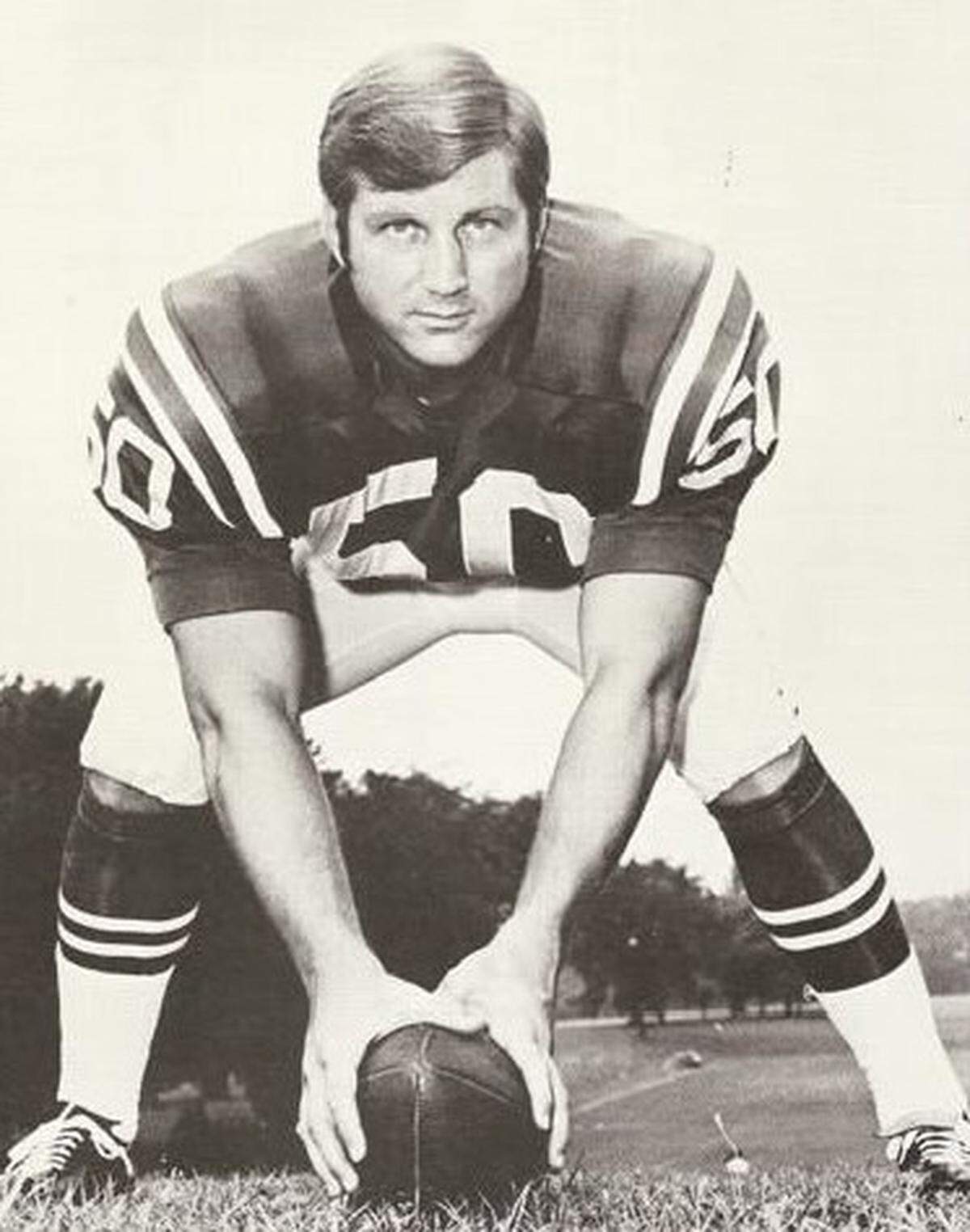
“The first thing you noticed, he had a great attitude. Cheerful, upbeat, constantly on the move,” said Bill Curry, the 1970 Colts’ center and team captain. “The second thing you noticed, and in the NFL this is what counts the most, if you can really play, you’re a hell of a player, you get instant credibility. And he could flat out play.”
Duncan faced off with receiver and friend, Eddie Hinton almost every day in practice. Duncan’s teammates enjoyed his company, but they also felt he made them better players.
“He just stayed on me,” Hinton said. “Sometimes I would defeat him and sometimes he’d defeat me. When he defeated me, I’d get home, mad. Wife couldn’t understand it. I’d say, ‘He got the best of me,’ but you don’t realize I’m thinking the whole time about how I can correct it the next day in practice.
“Having that kind of camaraderie, that kind of teammate, it always kept you on edge.”
Super Bowl win
Duncan was improving as a defensive back too. He intercepted a pass during a 1970 preseason game against the Raiders and returned it 45 yards for a touchdown. And later that fall, he won a starting role on one of the best defenses in NFL history, a Colts unit that included multiple Pro Bowlers, and allowed only 15.5 points per game. The offense, led by aging quarterbacks Johnny Unitas and Earl Morrall, did enough to make Baltimore one of the top teams in the league.
Duncan suffered a head injury during a November 1970 game and reportedly told his mother he couldn’t remember things so well after that. But a few weeks later, the Colts swept aside Cincinnati and Oakland in the playoffs to reach their second pro football championship game in three years.
In Miami, they took part in the first Super Bowl referred to with a Roman numeral, an effort by league commissioner Pete Rozelle to clear up confusion about the 1970 season’s Super Bowl being played in January, 1971. The Colts played the Dallas Cowboys.
It also was the first Super Bowl played on artificial turf and footballs were bouncing all over the field. Duncan fumbled the opening kickoff of the second half, but was later credited with a fumble recovery that prevented a Cowboys touchdown, part of a Super Bowl-record 11 turnovers in the game. The game was dubbed “The Stupor Bowl.”
With the score still tied at 13 and time running out, Colts linebacker Mike Curtis intercepted a Cowboys’ pass, setting up kicker Jim O’Brien for a 32-yard field goal to win the game. The rookie kicker toed the football through the goalposts, and the celebration was on.
A few days later, Duncan was enjoying himself and his $15,000 Super Bowl bonus in the Bahamas. Team owner Carroll Rosenbloom paid for the whole team’s trip to the tropical island.
Duncan was on top of the world. The feeling wouldn’t last long.
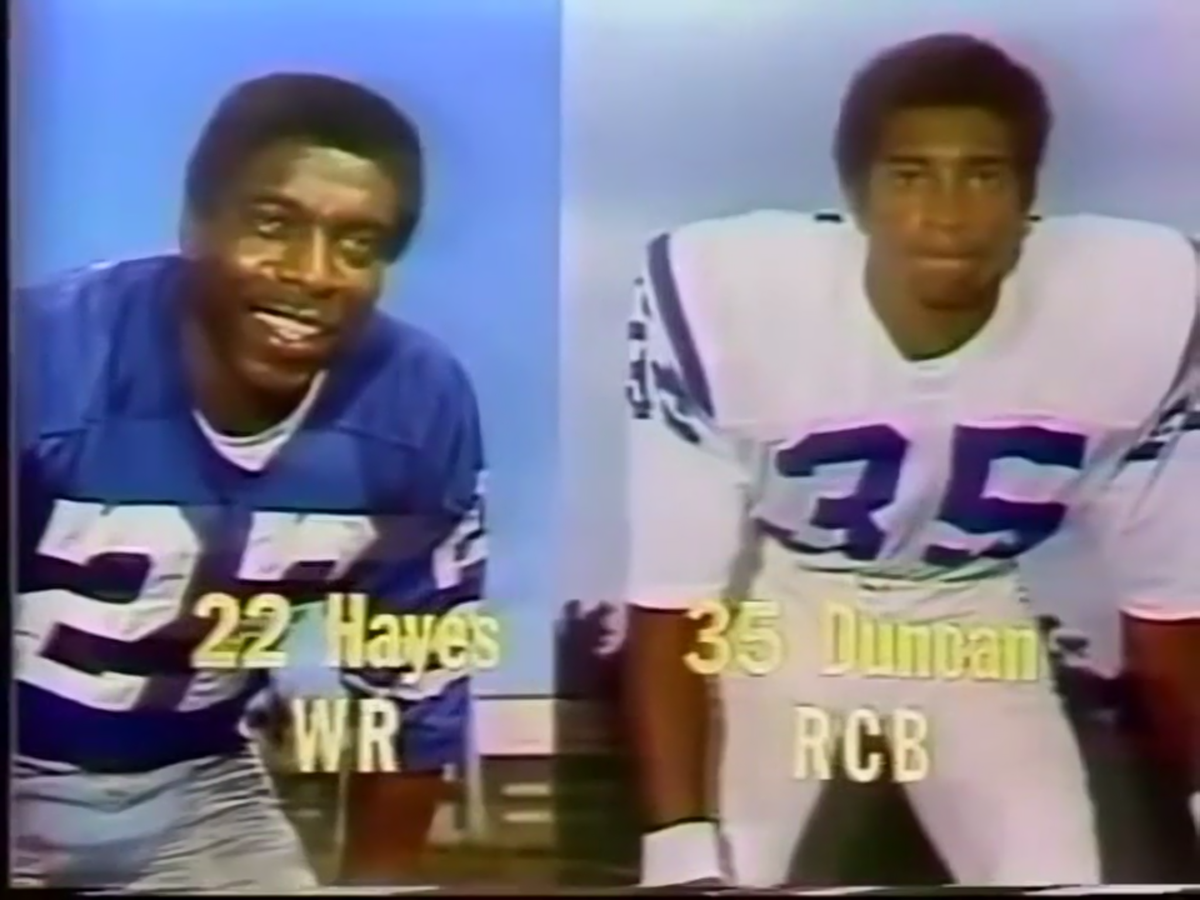
Jim Duncan meets an SC love interest
Duncan met 20-year old Alice Young during the 1971 offseason while visiting a friend, Lawrence Acker, in Greenville, South Carolina.
Duncan and Acker planned to duplicate the business model of a popular Baltimore hair and wig shop by opening a similar store in Greenville. Alice and another woman moved to Baltimore in the summer of 1971 to learn the hair and wig business, so they could later run the new store.
When Young’s training was complete she readied to return to South Carolina. Duncan asked her to stay with him.
“Something happened all of the sudden,” said Young, who is now Alice Caston, in 2018. “And then we formed this closer relationship.”
They had wonderful moments together. Duncan loved music. Young beamed when he sang to her. She came to know a man who was calm, caring and very concerned for his family’s well-being.
Young’s work in Baltimore was to keep Duncan’s apartment tidy and wait for him to come home. Sometimes they went out to clubs with Duncan’s teammates. During their time together, Young said she was often kept in the dark about important decisions.
“He would never tell me anything,” she said.
Duncan’s NFL struggle begins
Duncan’s 1971 season got off to a crummy start.
He missed almost the entire preseason with an ankle injury and never fully recovered his position in the Colts’ lineup. He started the first three games but played in only 11. By November, he had lost his starting spots in the defensive secondary and returning kickoffs.
Over the next year, news stories painted a fuzzy picture of why Duncan might have lost playing time.
A Philadelphia Inquirer news story mentions Duncan was beaten in one-on-one situations by Cleveland receiver Fair Hooker six times during the Colts’ game against the Browns in September 1971. The story quoted Duncan as saying, “After that, all the lines started coming together.”
It’s not clear what he meant.
Duncan’s struggles started to occur at a time when the NFL understood little about the game’s potential impact on the human brain, something Rick Volk knows well. Early in Super Bowl III in 1969, Volk, who played safety on the same side of the Colts’ defensive backfield as Duncan, was sidelined after a blow to the head. Volk returned to the action late in the game, but was kneed in the back of his head during a late-game onside kick.
It knocked him out cold.
Teammates grabbed each of Volk’s arms and dragged him, still on his knees and appearing lifeless, to the sideline. Later that night, Volk had a seizure in his hotel room and nearly swallowed his tongue, only for Don Shula to save his life. Volk’s wife took him to the hospital where he spent the next two days.
“That was the big serious one,” Volk told The Herald. “It was the last game of the year in ‘69, so you have the whole offseason to recuperate. So that’s what I was hoping happened to me.”
Was head injury actually CTE?
Alice Young was quickly confronted by the problems that seemed to be developing in Duncan’s brain. She picked him up from the airport after the Colts played at Oakland in late November 1971, and he complained that his head hurt. Soon after, he underwent a psychiatric examination, according to news reports.
At that time, no doctor could have found evidence of chronic traumatic encephalopathy (CTE), a brain disease resulting from damaging repetitive hits to the head (traumatic brain injuries) that cause a person’s brain to bounce around inside their skull.
CTE has been increasingly linked to football, especially for men like Duncan who began playing the game before age 12, according to University of Southern California neurologist Dr. Jeff Victoroff, who has worked extensively with brain-damaged former NFL players. Victoroff said the scientific/medical community has known since 1927 that people exposed to many concussions develop brain changes, and that those changes can lead to dementia, just like someone with Alzheimer’s, but at a much younger age.
Did Duncan’s NFL nosedive stem from brain damage?
Doctors must preserve a brain for CTE testing within the first 24 hours after death. Duncan has been buried almost 50 years.
But it appears he suffered head injuries in both the 1970 and 1971 seasons. When Duncan was sent for physical and psychiatric testing by the team in late 1971, Alice was told she couldn’t go with her boyfriend because she wasn’t next-of-kin.
Many of Duncan’s former high school, college and pro teammates have their own head injury horror stories from a time when smelling salts and a bag of ice on the head were the trainer’s usual treatment. Eddie Hinton remembers getting hit so hard in a game that when he went back into the action and a pass was thrown his way, he saw two footballs.
“I always seemed to reach and grab the right one,” he said. “You just kept playing.”
Duncan played offense, defense and special teams from childhood through college. In the NFL, he played defense and was a kick returner, which put the ball in his hands on one of the game’s most dangerous plays.
Victoroff said the average high school football player suffers around 500 brain-rattling experiences every season. It’s no stretch to guess that Duncan could have suffered thousands of hard hits by the time he graduated high school.
Even without conclusive testing of Duncan’s brain, Victoroff said “it seems especially likely that one factor could very well be the long-term brain damage known to be caused by repetitive concussive brain injuries.”
Jim Duncan: Where’s his head?
Something was going on with Duncan, and people around him began to notice. Charlie Stukes, who played with Duncan at Maryland State and with the Colts, told Baltimore’s Afro-American newspaper that Duncan’s personality changed in 1971. Stukes didn’t elaborate further in that story, nor did he return several phone calls made during the course of reporting this series.
Harris, the Baltimore reporter, remembered Colts defensive end Bubba Smith, who was close friends with Duncan, telling him one time about not knowing where Duncan’s head was.
There was another unusual and alarming anecdote from a Philadelphia Inquirer story. The story said Duncan was teasing Hilton during the Colts’ 1971 training camp over a card game that Hilton lost. But according to Hilton, the card game never happened.
“I told (Duncan) nobody cleaned me out,” Hilton told the Inquirer in 1972. “I hadn’t even been playing cards, and if he said it again I would punch him in the mouth. It was a childish thing to say. It was a challenge, and of course he had to take it up. He said it again, and I punched him in the mouth.”
Duncan left the room and Hilton later followed, only to find Duncan waiting outside with a loaded pistol. The story said two other Colts players managed to disarm him. No one else connected to the Colts who was interviewed for this story could confirm the Hilton-Duncan dispute, and Hilton passed away in early 2019. Asked about the altercation, Upton Bell, the Colts executive who helped draft Duncan and Hilton, said, “Roy Hilton was not a bull*******. If Hilton said it, I would have to believe it.”
Still, it was obvious to Colts’ management that something was going on with Duncan. Team owner Carroll Rosenbloom met with him, and general manager Don Klosterman told the Afro-American newspaper that the player had become “indifferent to both the team and his own career.”
Colts trade Duncan to New Orleans Saints
Did the Colts know what was wrong with Duncan? If they did, that may explain why they traded their promising young player to New Orleans in early 1972.
After Duncan was dealt, the Afro-American newspaper wrote: “A friendly, outgoing individual who was the life of the football dressing room and a delightful interview subject, Jim suddenly became morose and self-indulgent. Later, he was to be demoted by the Colts and seldom used.”
Numerous newspaper reports in Baltimore and New Orleans hinted at something gone awry with Duncan, but either the reporters didn’t know what the issue was, or they weren’t saying. In those days, reporters often traveled and socialized with the teams they covered. There was far more access to players and coaches, and far less reporting on their personal issues.
Harris, the Colts beat reporter for the Sun, said he never had a good read on why exactly the Colts parted ways with Duncan, though Baltimore had a new general manager, Joe Thomas, who was eager to reshape the team’s roster.
“He thought the team had gotten old and he was right,” said Accorsi, who later served as general manager for three NFL teams. “He traded Unitas, and that’s all you needed to know. But I don’t know why he traded Duncan, because Duncan was young. I don’t know the reason.”
Duncan, 25 at the time, was traded about a month after the season ended to the Saints for offensive lineman John Shinners and draft picks. Only a year before, Duncan had helped the Colts win the Super Bowl.
“Something happened to him last year,” Harris wrote, “though nobody really knows what, and he lost his starting job and eventually wound up on the taxi squad.”
Saints player: ‘Poor Jim had problems’
The New Orleans Saints won just 15 of the 56 games in their first four years of existence. Acquiring Duncan from Baltimore was part of a plan to bring in proven winners and turn around the team’s fortunes.
“We were no Super Bowl team,” said Bud Whitehead, New Orleans’ defensive backs coach in 1972. “We were looking for players.”
Asked in 2018 if he had any memories of Duncan, Whitehead said no. That’s not surprising because most of Duncan’s time with the Saints was spent during the offseason. He didn’t live in New Orleans so he wasn’t around the team very often, or for very long. It also shows how little impact he had.
Saints running back Bob Gresham told the States-Item newspaper, “Poor Jim had problems — big problems. He would be real happy one moment, real sad the next.”
Dean Kleinschmidt, a 25-year-old athletic trainer for the Saints in 1972, still had an immediate memory of Duncan when phoned by a reporter almost 50 years later.
“He was not a troublemaker, he was not a rabble-rouser, he was not that at all. He was more to himself,” Kleinschmidt said. “I remember him being quiet and burdened.”
As a member of the Saints, Duncan’s personal and professional tailspin would soon pick up speed. But, first, he packed up his apartment in Baltimore with his brother and girlfriend and headed home to Lancaster.
“The strange and often baffling case of Jim Duncan has been transferred to New Orleans,” wrote a Baltimore reporter, “where the Saints will attempt to unravel the mystery of what happened to the Colt cornerback.”
Have questions or comments about Return Man? Reach The Herald at 803-281-2840 or RHNews@gmail.com.
BEHIND THE STORY
MOREWhy did we report this story?
On multiple occasions I have been asked some version of “why are you digging this up all these years later?”
My main motivation was trying to fill in Jim Duncan’s story, one that 47 years later, still has so many unanswered questions.
This story is still relevant because it entails many of the issues American society continues to grapple with: drugs, escaping poverty, the financial issues of young adults, race relations, and community-law enforcement relations.
As Rosey Gilliam, whose father coached Jim Duncan in high school and college, said to me about Duncan’s story, “If you took away the date and time, could you imagine that happening today? And the answer is yes you can.”
Read more by clicking the arrow in the top right corner of this box.
Where did the idea come from?
I covered high school football for The Herald and have written often about how this area of South Carolina produced numerous NFL players, including seven active ones from Rock Hill.
I was looking up a list of NFL players from South Carolina, and near the end of the list I found the name “Jim Duncan.” I Googled his name, and one line from his Wikipedia page jumped out: “He was found to have committed suicide with a policeman’s revolver in 1972.”
That Internet search set me off on a journey to learn more about how Duncan went from the NFL’s most feared kickoff return man, to dead in a span of less than two years.
How did we report the story?
Over more than two years I made dozens of trips to Jim Duncan’s hometown, Lancaster. I interviewed more than 40 people, from family and friends, to high school, college and NFL teammates and coaches, as well as lawyers and doctors involved in the final days of his life and the confusing aftermath.
I submitted numerous Freedom of Information Act requests -- many of which came back empty -- and spent numerous hours at the Lancaster County Library, combing through microfilm of the Lancaster News and old phone books, and at libraries in Charlotte and New Orleans.
This story was originally published January 26, 2021 at 5:00 AM.