What led to Jim Duncan’s NFL career loss? Theories pile up from those who knew him best
READ MORE
What really happened to Jim Duncan?
The Super Bowl hero from Lancaster, SC supposedly committed suicide in a police station.
Expand All
Return Man is a podcast and 7-part series brought to you by the Rock Hill Herald and McClatchy Studios. It explores the life and shocking death of NFL Super Bowl champion Jim Duncan and the result of more than a year’s worth of interviews and reporting. Parts 4-7 of our written Return Man series is exclusively available to subscribers. Please consider supporting local journalism by purchasing a digital subscription.
Jim Duncan woke up on April 1, 1972, and told his girlfriend, Alice Young, to put on the red-white-and-blue dress he had bought for her.
He had recently proposed to her while singing, “You Are My Sunshine.” But instead of a big wedding involving their families, Duncan and Young were married in a civil ceremony at the courthouse in Lancaster, South Carolina that morning. The probate judge was the only witness.
Duncan died seven months later in the Lancaster police station amid murky circumstances, a victim of one gunshot wound to the head. The station was only a few hundred feet from the courthouse where the couple married. Duncan’s death raised public questions about his mental state — questions that Young had raised privately with her mother and sister, Loretta Bigby, while he was alive.
“They were in Baltimore and when they came home, everything looked to be OK with them,” Bigby told The (Rock Hill) Herald. “But they did have some problems. He was not himself. He was not acting normal or natural or whatever.”
CTE diagnosis was decades away
News reports from that time state that Duncan suffered what appeared to be serious head injuries during both the 1970 and 1971 NFL seasons. By the spring of 1972, Young wondered if whatever was going on inside her husband’s head had begun to impact his behavior.
She would have had no way of knowing then about chronic traumatic encephalopathy (CTE), the brain disease caused by repetitive blows to the head — not necessarily concussions — that’s increasingly connected to playing football. CTE wouldn’t be recognized by doctors and scientists for at least another three decades.
According to University of Southern California neurologist Dr. Jeff Victoroff, some of the brain’s most sensitive cells reside in the temporal lobe, just inside a person’s temple. One key part of the temporal lobe, the hippocampus, controls emotion and the flight-or-fight response, which helps people determine the severity of perceived threats.
Those sensitive temporal lobe cells are almost always damaged in a traumatic brain injury (multiple traumatic brain injuries can lead to CTE). When temporal lobe cells are damaged, it can change a person’s behavior, sometimes in a very negative way. Damage to the temporal lobe often explains why domestic violence and paranoia commonly surface in brain-injured former football players.
“They get a short fuse, easily aggravated, highly irritable,” Victoroff said. “They start pounding on their wives, who they’ve always adored. They start getting in bar fights, which they never did before.”
Duncan and Young moved in with Duncan’s mother in Lancaster and lived there together from January to June of 1972. Duncan had bought a yellow Volkswagen Beetle convertible. He and Young loved driving to Charlotte with the roof down, singing to each other during the two-hour round trip.
When Young first heard of CTE about a decade ago, alarm bells clanged in her mind.
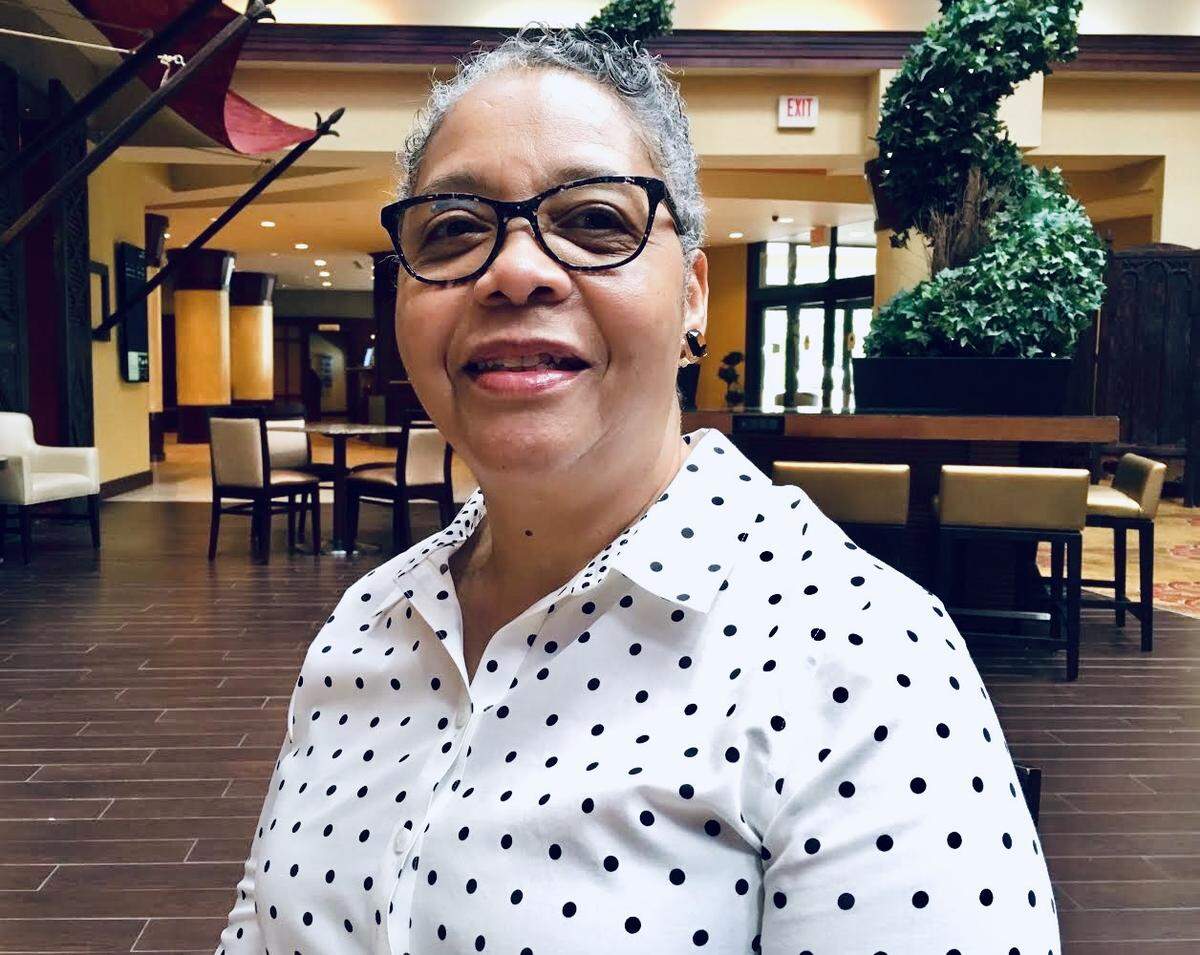
“That was possibly what was wrong with my husband because of a lot of personal things that I choose not to share,” said Young, who is remarried and now is Alice Caston.
Duncan hospitalized in SC
She described one startling episode of erratic behavior to a reporter but didn’t want the details published. Young later heard Duncan say the incident occurred because he saw her “talking to the man in the window.”
The incident — which occurred between April and June 1972 — scared her enough that she left Lancaster for two weeks and returned to her parents’ home in Greenville.
Young indicated that there were several other similar incidents that she had a hard time understanding. They were completely out of character for Duncan, who called her by the nickname, Puddin. After each incident, she would approach him the following morning to talk about what happened. And each time she was unnerved when he didn’t remember.
Young’s two-week hiatus in Greenville coincided with Duncan’s hospitalization in Lancaster for what he later described to reporters as a “nervous breakdown.” Once Duncan was released from the hospital, he went to Young and pleaded for her to come back. He was taking medication and Young felt safer and agreed to go with him.
“Your subject may have experienced significant changes in his ability to understand what was threatening and not threatening, understand what he should be fearful of, what he should respond with extreme violent behavior to,” said Victoroff. “And all of that would be a normal, natural and expected reaction to multiple concussions.”
None of Duncan’s NFL medical records are available. Neither the New Orleans Saints nor the Indianapolis Colts — the franchise that now possesses Baltimore Colts records and information — had anything in their archives about Duncan.
Money problems in New Orleans
Word got to the Saints in the spring of 1972 that Duncan was not completely focused on football and New Orleans coach J.D. Roberts flew to Lancaster that April to assess his newly married player’s frame of mind.
Money was at the forefront of Duncan’s thoughts. He had reportedly lost somewhere between $22,000 and $60,000 in the hair and wig business he tried to start, and had been issued a $17,000 tax bill by the IRS, according to a Philadelphia Inquirer story. Roberts took him to see an attorney and an accountant to address the tax issue.
“He blamed football for all of his financial problems,” Roberts later told a reporter.
Duncan was impressed enough by Roberts’ actions to report to the Saints’ mini-camp in mid-April. The team gave him a $1,400 advance on a potential $2,000 bonus if he finished the 1972 season as one of the NFL’s top kickoff returners.
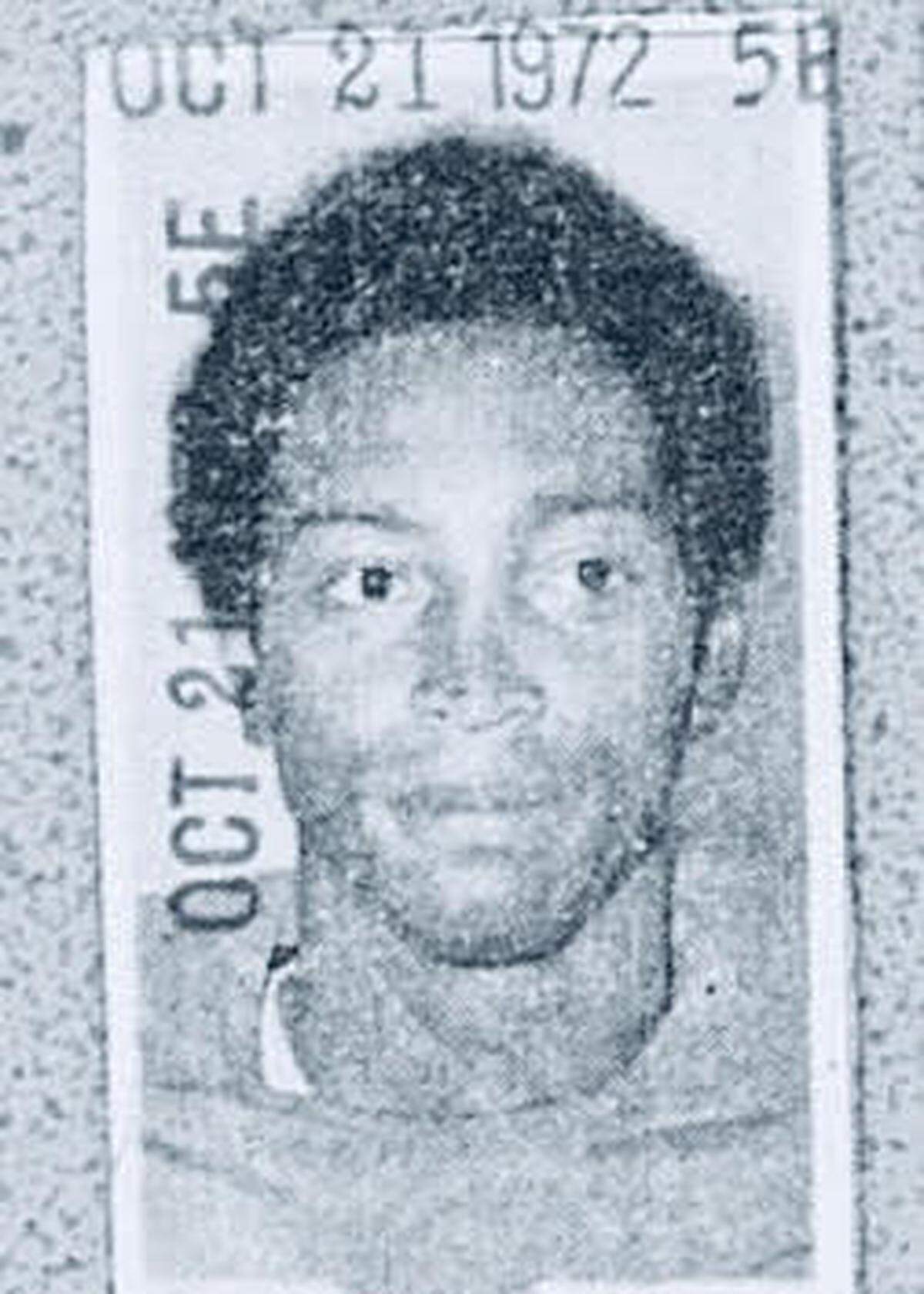
Duncan showed up out of shape, then left the camp early to return home and “oversee some personal problems,” according to one New Orleans newspaper.
“He came to our workouts but he was so depressed he didn’t want to play,” Saints executive Harry Hulmes told The New York Times. “He told me, ‘The more money I make, the more I lose. What good does it do me to play if I can’t keep my money?’ I told him, ‘You’re going to need some money to get even, Dunc.’ It was a pitiful thing.”
During his time in New Orleans, Duncan was candid with the media about the financial troubles that hounded him during the final year of his life.
“The people at Baltimore thought there was something wrong with my head,” Duncan told reporters after joining the Saints in 1972. “What really was wrong was that I had lost $60,000 in a wig and mod clothing store back home. Those were some sad times.”
News reports that Duncan had been ripped off seemed to stem from his failed business venture with Lawrence Acker, a friend and former Maryland State football teammate.
“It didn’t ultimately work out,” Acker said in 2018. “I can’t remember all the details but it didn’t come together. He lost some money and I lost some money.”
Did Acker rip off Duncan? No way, says Acker. He also disputed that Duncan lost a large amount of money in the wig business.
“That was no ‘lot of money’ involved. I’m pretty sure that he didn’t spend any money that I didn’t know about,” Acker said. “And all we did was we began to modify a shop in a little strip mall, a storefront. There wasn’t a whole lot of money involved in doing that, and that was about the extent of it. We might have bought some wigs, but not a whole lot. I bought as many lunches and dinners as he did.”
NFL player ‘never cared nothing about money’
Duncan worked at Springs Mills Inc.’s mail room in Lancaster during the 1969 offseason and a 1972 Lancaster phone book indicated he was employed by a local dry cleaners at some point. It’s unclear how long he worked those gigs or how much money he made.
His primary earnings came from pro football.
Duncan made $17,000 per season — roughly $100,000 today — and he received a $15,000 bonus for winning the Super Bowl in January 1971. Former Colts director of player personnel Upton Bell said practice squad players didn’t earn full NFL player salaries, meaning Duncan probably didn’t earn much NFL money during the 1968 season. That leaves 1969, 1970 and 1971 as his primary earning years.
“He wasn’t perfect,” said Duncan’s sister-in-law, Lynda Duncan. “But he was a very giving person.”
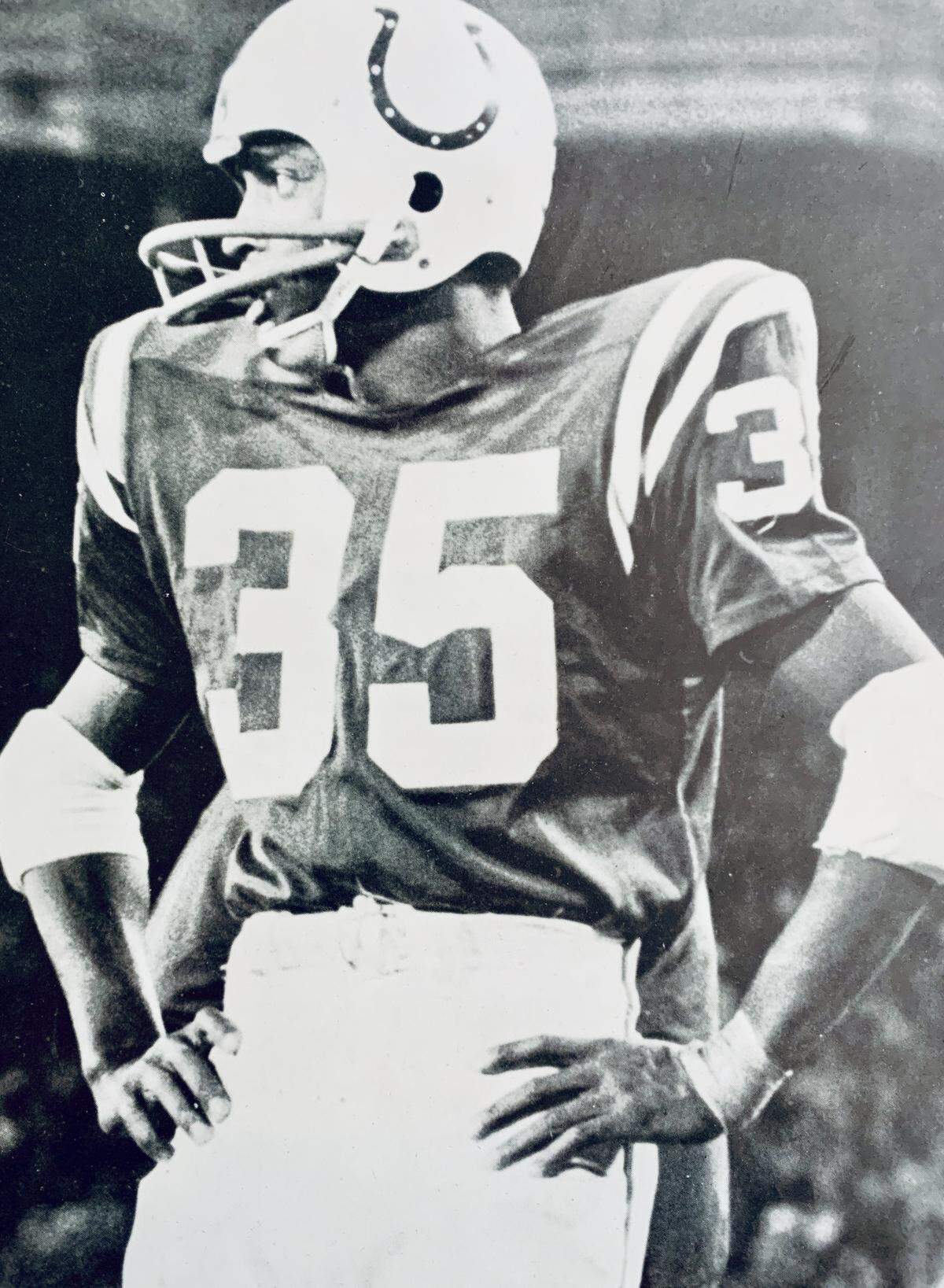
Duncan bought his mother a house — it’s not completely clear how he paid for it — when he was drafted in 1968. He lived well in Baltimore, acquiring a Lincoln Mark III luxury sedan, staying in a nice apartment with a roommate/teammate Ocie Austin, partying regularly and routinely dropping $100 or $200 on the side of a pool table for sporting purposes, according to his brother, Elroy Duncan.
For the first time in his life, Duncan was a joyously wasteful eater and drinker. And he took care of his family. When he moved back to Lancaster after being traded to New Orleans, he bought the Volkswagen convertible and gave Elroy Duncan his Lincoln Mark III. He also bought an organ for his mother’s house.
Ella Ree Clyburn told Jet Magazine in 1972 that her son “was the type of boy who always wanted to do something for his mother.” He often bought Ella Ree clothes and wouldn’t think twice to spend hundreds of dollars on Elroy during shopping trips.
It’s not clear if Duncan’s family knew how much money he actually made. Elroy Duncan said in 2017 he thought his brother made $100,000 per year, only to be told it was far less than that. It’s also not clear whether Jim Duncan misled people regarding his finances, or if he didn’t have a firm grasp on how much money he had. He told New Orleans media he lost $60,000, told an NFL coach that he lost $40,000 and told his brother it was $22,000.
“He never cared nothing about money,” his mother told The Charlotte Observer in 1972. “He got along as good without it as he did when he had, and he gave everything away.”
Could Jim Duncan have football comeback?
In the 21st century, it’s hard to imagine a psychiatrist treating an NFL player, then later discussing the player’s personal health with a newspaper.
It wouldn’t happen because of the Health Insurance Portability and Accountability Act, or HIPAA, a 1996 law that safeguards personal medical information. But when Dr. William R. Sorum told a Philadelphia Inquirer reporter in November 1972 about a semi-famous patient of his, it wasn’t unusual and certainly not illegal.
Sorum’s expert opinion of Jim Duncan’s mental state was startling. The main takeaway: Duncan had suicidal tendencies and was depressed.
When Duncan arrived in July 1972 at the Saints’ training camp in Hattiesburg, Miss., his optimistic surface appearance didn’t match the doctor’s diagnosis.
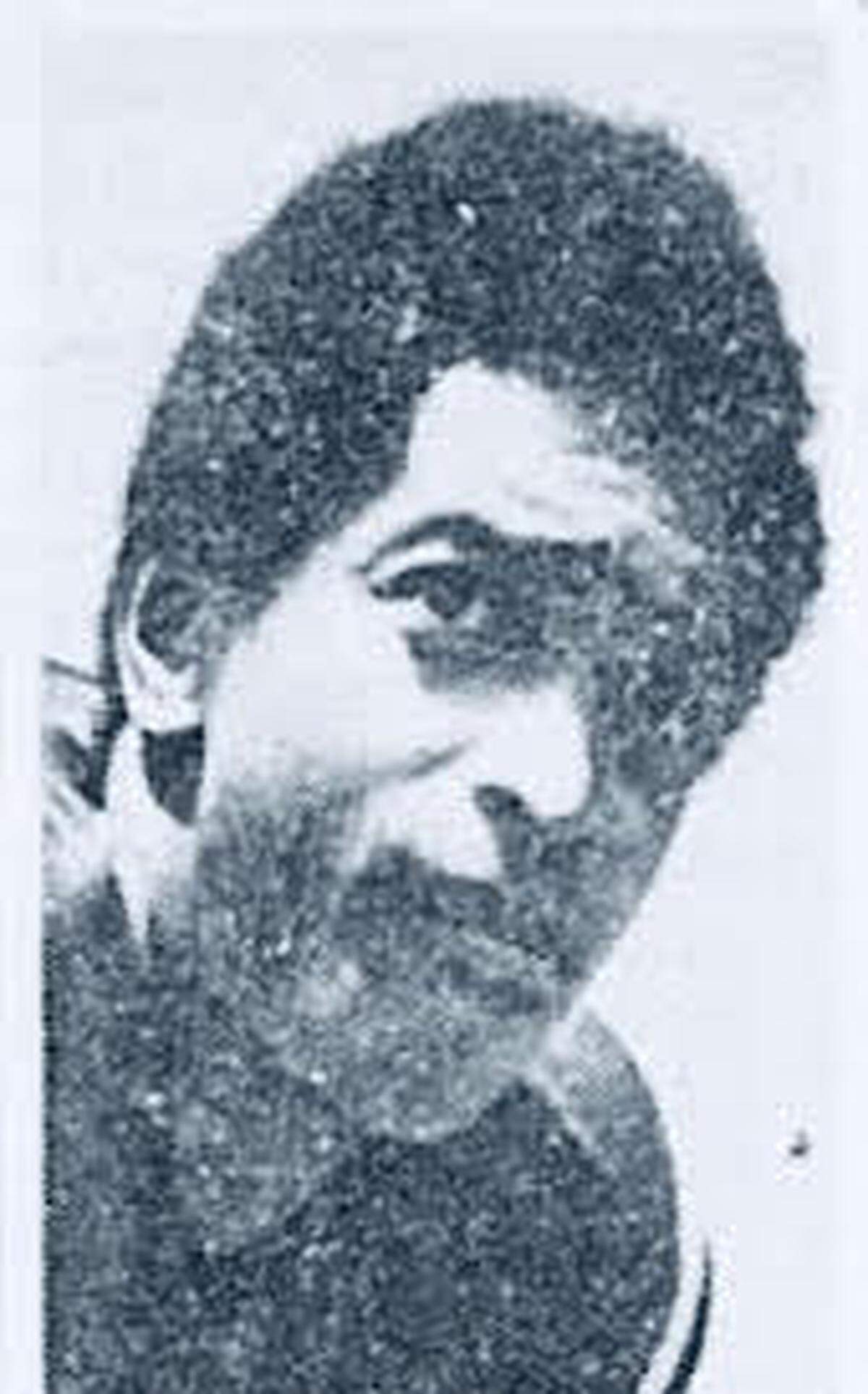
“I like New Orleans a lot,” he told the Times-Picayune newspaper. “Enough to want to make it my home. Maybe my bad luck is behind me now. I might take another try at a business there.”
But Roberts worried that a blow to Duncan’s head had affected him mentally. So the Saints coach sent his new player to see Sorum late that summer.
“I would like to have treated him,” Sorum told the Inquirer. “But by the time I saw him, he did seem to be resolving his problems. He seemed to be on the road to recovery. Had he continued to play football, I think he would have worked things out and made a complete recovery.”
The hope in New Orleans was that Duncan could relaunch a career that had seemed so promising only a year earlier. And Duncan’s own openness with the media — almost as surprising as Sorum’s — shows that he was highly aware of his mounting personal problems. He told reporters in early August 1972 about the nervous breakdown — that’s the term he used — he had suffered earlier in the year in Lancaster.
“I didn’t think I’d ever play football again,” he said. “I lay awake in that hospital for three weeks thinking and wondering about it and asking myself could I make it back.
“When I was lying in that hospital, I made my mind up right then and there to never worry about anything again. If I can do something then I’ll do it. If not … OK. But I’m not going to worry. And this whole thing has helped me to concentrate more on football and not on any pressures from competing for a job.”
Rumors of drug addition
Duncan spoke openly with reporters, but there was one topic he never addressed.
Ask Bob Grant, a close friend and former teammate of Duncan’s, what ended Duncan’s NFL career and Grant does not hesitate.
“Drugs,” he said in 2018.
Grant, who called Duncan by the nickname, Speedy, says Duncan was entangled with heroin by the summer of 1971.
“He knew it could wreck a life,” said Grant, “because it had already begun to wreck his.”
Some Colts knew Duncan as a pot-smoker. Fullback Tom Nowatzke told The Herald in 2017 that he used to check Duncan’s eyes before Colts games to see how red they were to determine if Duncan was high. But none of the other NFL-connected people interviewed for this series said they knew about Duncan’s possible use of heroin.
“It would have been a lot easier to hide back in those days,” said Bill Curry, a Colts teammate on the 1970 Super Bowl team. “I knew that Jim had had some personal problems, but hell, we all did. On a really good NFL team you don’t have a bunch of well-adjusted Sunday school guys. None of us was as pure as the driven snow.”
Duncan’s family and friends didn’t appear to be aware of any heroin problem and his wife said she never saw him use drugs. In Baltimore and New Orleans, Duncan was several states removed from his family and childhood friends, and it’s not clear if he used hard drugs while he was back in Lancaster for various spells during 1971 and 1972.
If it was true, “he would have kind of sealed me from it,” said Elroy, Duncan’s brother. “He wouldn’t have told me because he didn’t want me to see him in any light other than a great light. There is nothing bad that I could tell you about Butch, other than he just loved women.”
Baltimore traded Grant to Washington in the summer of 1971, but he and Duncan were reunited in June 1972 when Grant was dealt to the Saints. They lived together in a Metairie, La., apartment, along with Grant’s wife, playing cards and throwing dice when they weren’t on the football field.
Like the CTE hypothesis, Duncan’s drug issues are almost impossible to prove. He had no criminal record in any of the three states he lived.
But Grant insists that drugs contributed to Duncan’s unraveling.
“I was trying to keep an eye on him,” Grant said. “One afternoon it just got to him. And I guess the young man who was working in the cafeteria over there, you know the street sign language on drugs, they went back and forth and Speedy says, ‘I gotta go, I gotta go.’ And I said, ‘Nah, Speedy, don’t do it.’ So he went and he scored (drugs). That was the only time that I actually ever saw him do it there.
“I would say six or seven weeks after that he was dead.”
Cut from New Orleans Saints
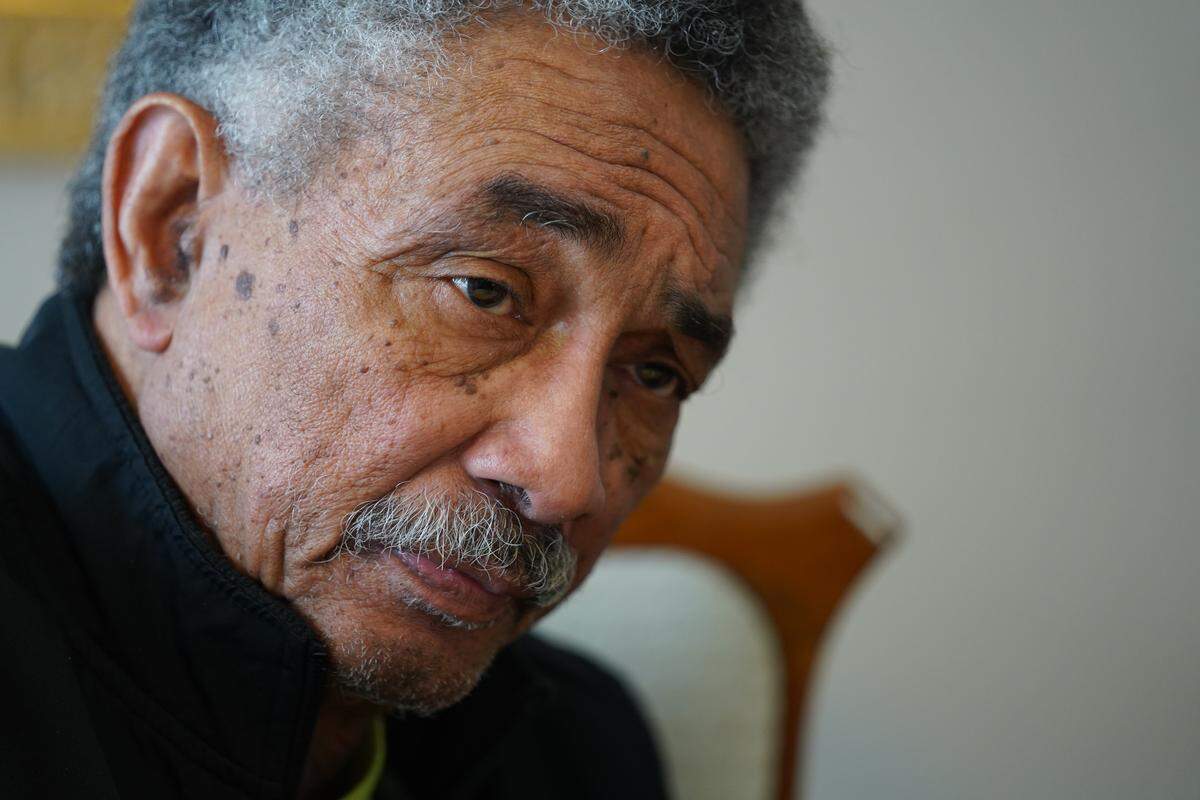
Shortly after Sorum’s psychiatric exam, Duncan collapsed while walking to a training camp dormitory in early August and was hospitalized for two weeks because of a bleeding ulcer. He missed three weeks of action, and defensive coordinator Jim Champion told a reporter in 1972 that Duncan couldn’t concentrate on anything, that he defended every play the same way. Duncan played in two preseason games but was too far behind the team’s other defensive backs.
The Saints cut him on Sept. 7, 1972.
Duncan’s NFL career had one last gasp. The Saints helped him catch on with his former coach, Don Shula, who had assembled a Super Bowl-contending team in Miami.
“In the week he was with us,” Shula told the New York Times in 1972, “he went out with a couple of our players and they told me that he had a few drinks and got a little out of hand. But that’s it. We were hoping he’d be a backup defensive back and run back kickoffs for us, but he wasn’t covering well and he had lost some of his speed.”
One of the best moments of Duncan’s life had occurred in Miami’s Orange Bowl Stadium, the Colts’ Super Bowl V victory in 1971.
Less than two years later, Duncan sat on a bench in the same stadium as the Dolphins played their final game of the 1972 preseason. He was cut three days later.
The Dolphins would go on to a 17-0 season, winning a Super Bowl championship and a solid claim to being pro football’s greatest team ever. But Duncan was back home in Lancaster before the Dolphins’ history-making regular season began. Whether he knew it or not, his football career was finished.
“I have the feeling that if it hadn’t been for football,” Champion later said, “what happened to Jimmy Duncan in October would have happened last summer.”
Have questions or comments about Return Man? Reach The Herald at 803-281-2840 or RHNews@gmail.com.
BEHIND THE STORY
MOREWhy did we report this story?
On multiple occasions I have been asked some version of “why are you digging this up all these years later?”
My main motivation was trying to fill in Jim Duncan’s story, one that 47 years later, still has so many unanswered questions.
This story is still relevant because it entails many of the issues American society continues to grapple with: drugs, escaping poverty, the financial issues of young adults, race relations, and community-law enforcement relations.
As Rosey Gilliam, whose father coached Jim Duncan in high school and college, said to me about Duncan’s story, “If you took away the date and time, could you imagine that happening today? And the answer is yes you can.”
Read more by clicking the arrow in the top right corner of this box.
Where did the idea come from?
I covered high school football for The Herald and have written often about how this area of South Carolina produced numerous NFL players, including seven active ones from Rock Hill.
I was looking up a list of NFL players from South Carolina, and near the end of the list I found the name “Jim Duncan.” I Googled his name, and one line from his Wikipedia page jumped out: “He was found to have committed suicide with a policeman’s revolver in 1972.”
That Internet search set me off on a journey to learn more about how Duncan went from the NFL’s most feared kickoff return man, to dead in a span of less than two years.
How did we report the story?
Over more than two years I made dozens of trips to Jim Duncan’s hometown, Lancaster. I interviewed more than 40 people, from family and friends, to high school, college and NFL teammates and coaches, as well as lawyers and doctors involved in the final days of his life and the confusing aftermath.
I submitted numerous Freedom of Information Act requests -- many of which came back empty -- and spent numerous hours at the Lancaster County Library, combing through microfilm of the Lancaster News and old phone books, and at libraries in Charlotte and New Orleans.
This story was originally published January 26, 2021 at 5:00 AM.