The package says the chicken is ‘free range.’ That may not mean what you think.
READ MORE
Big Poultry
North Carolina’s poultry farms are everywhere. The state cloaks big poultry in secrecy to the point regulators don’t even know where most of the farms are located. Neighbors complain about the stench and other nuisances. But state laws leave courts and local governments nearly powerless to help.
Expand All
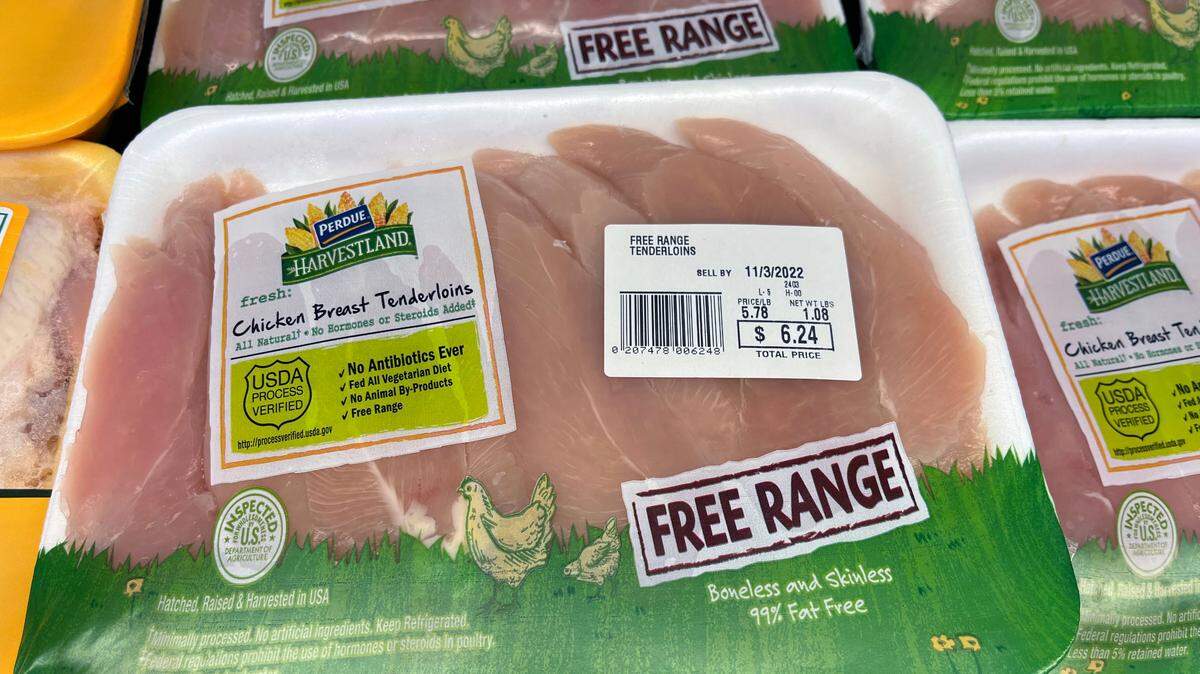
You’ll pay extra for “free-range” chicken at the grocery store. While that label conjures up bucolic images, the reality may differ from what you imagine.
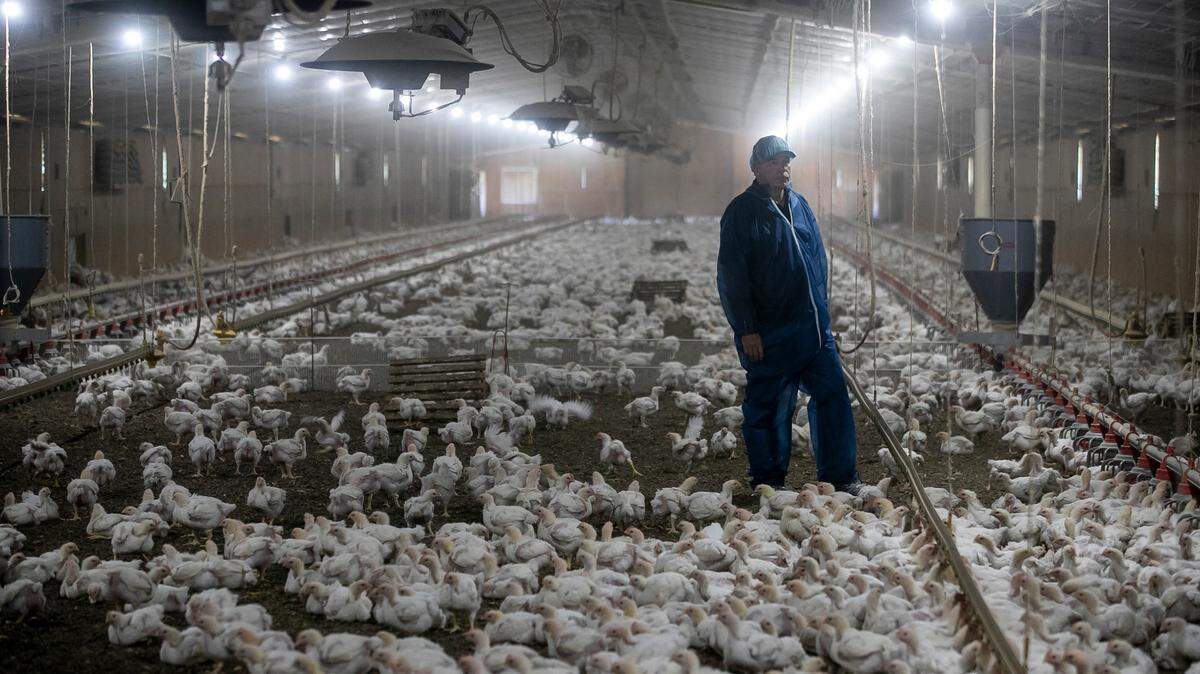
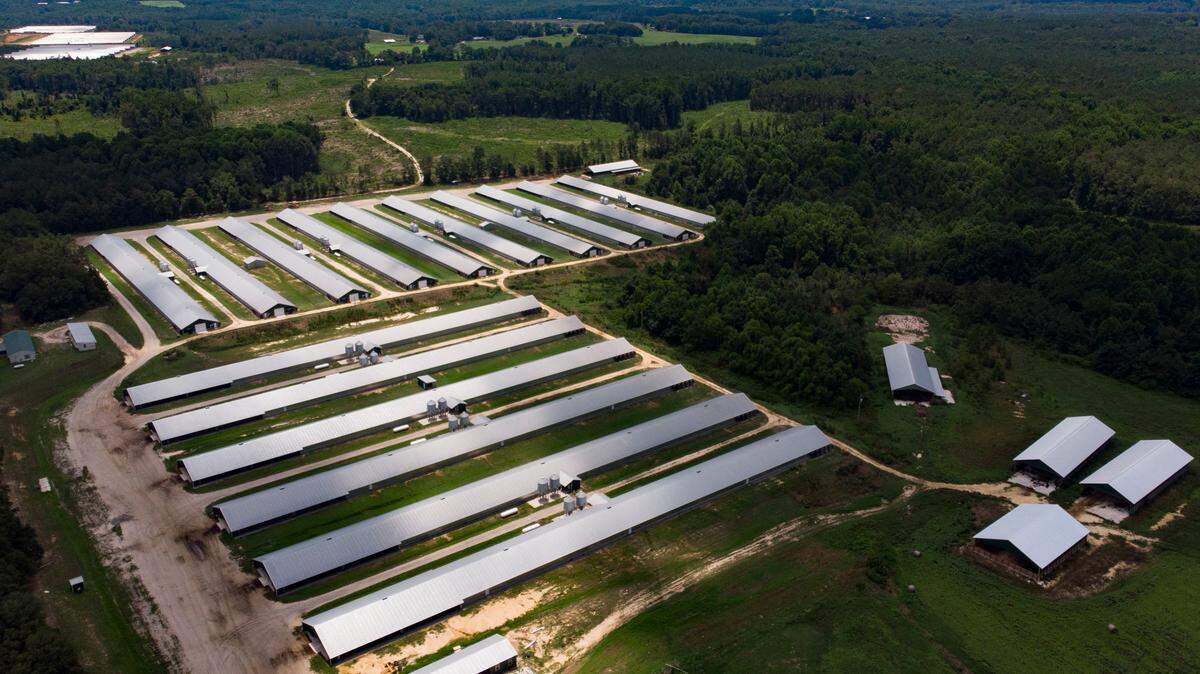
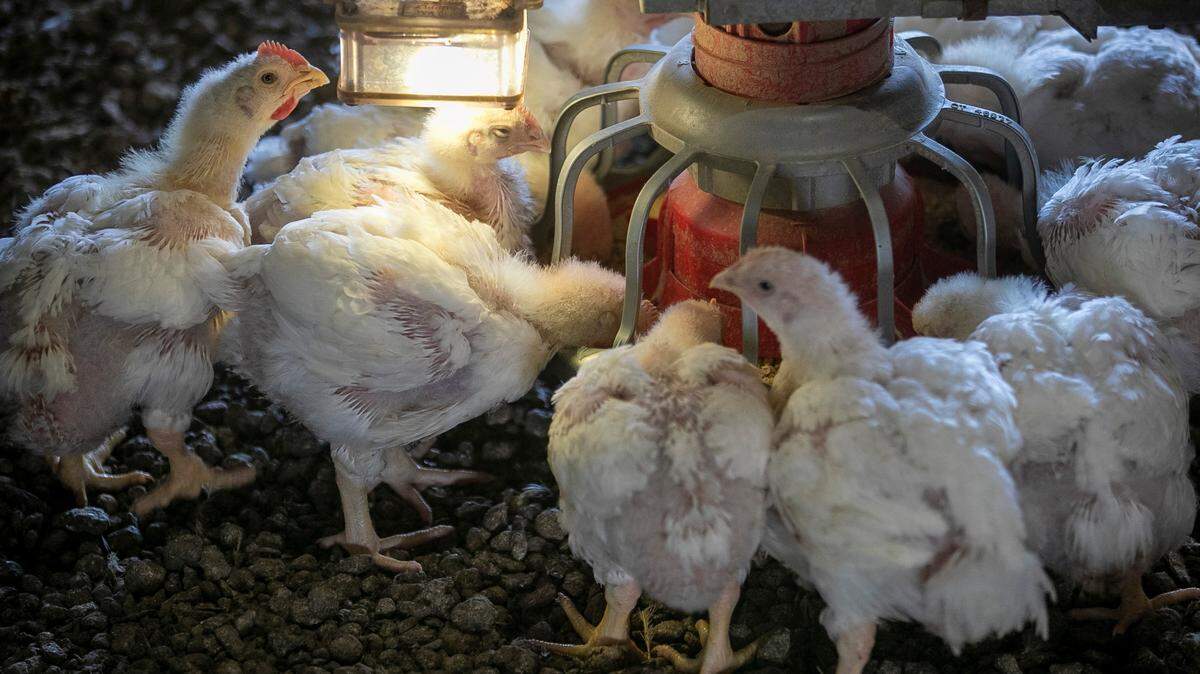
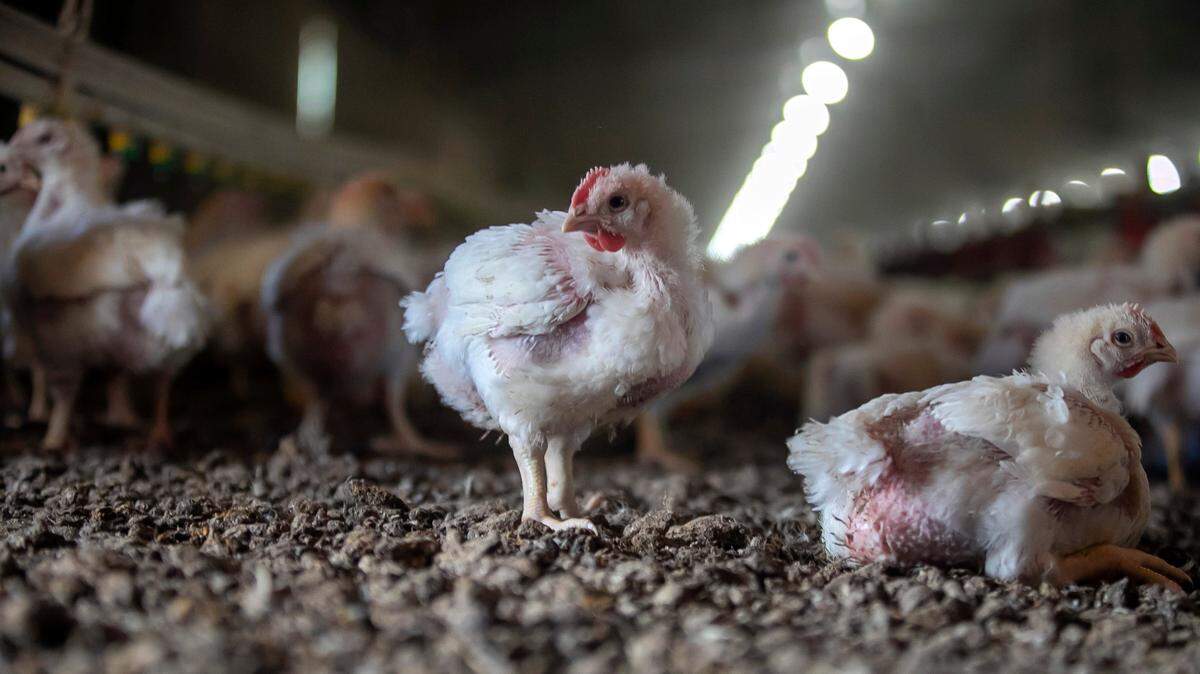
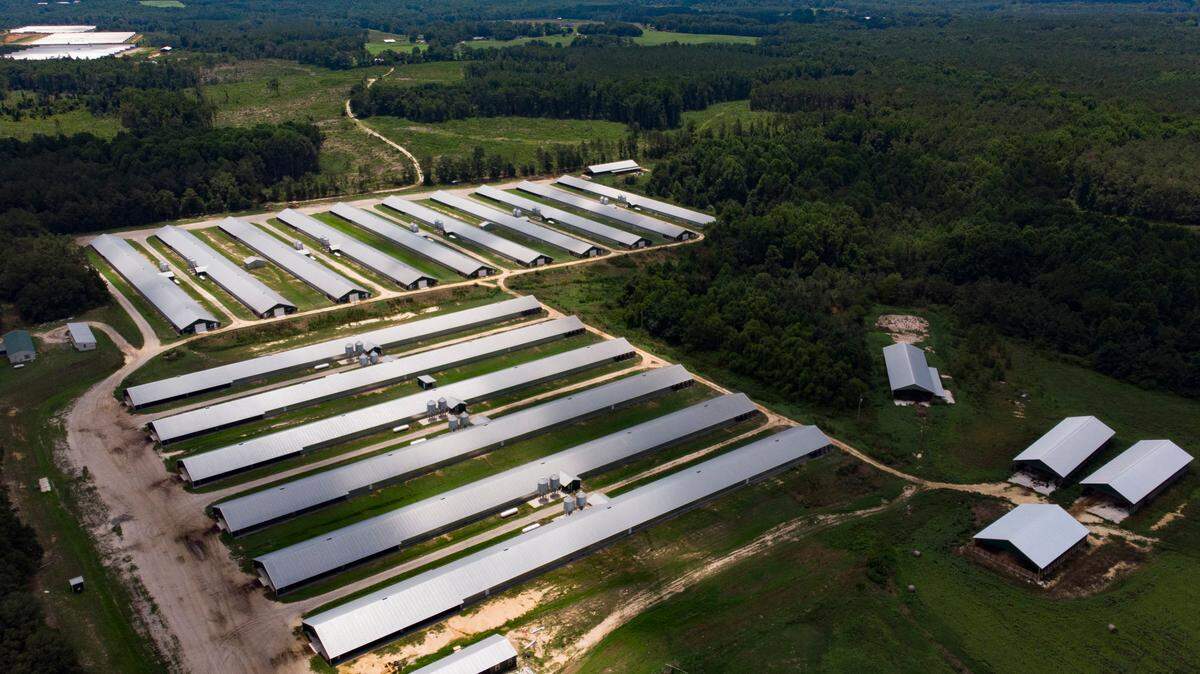
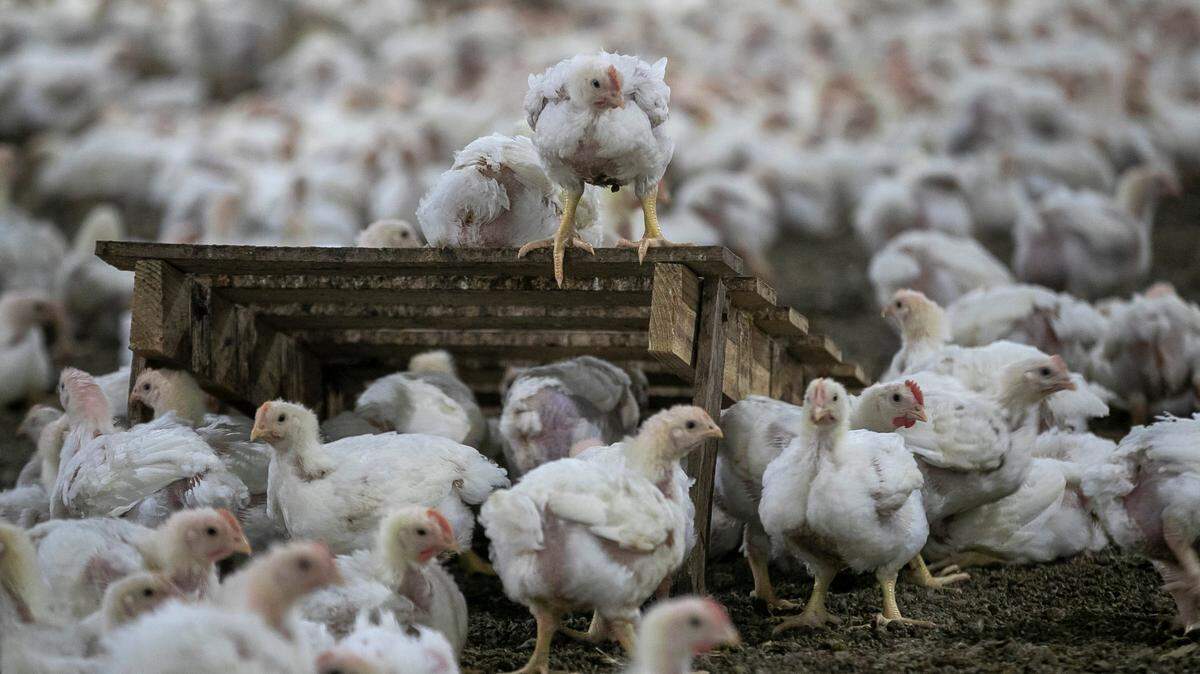
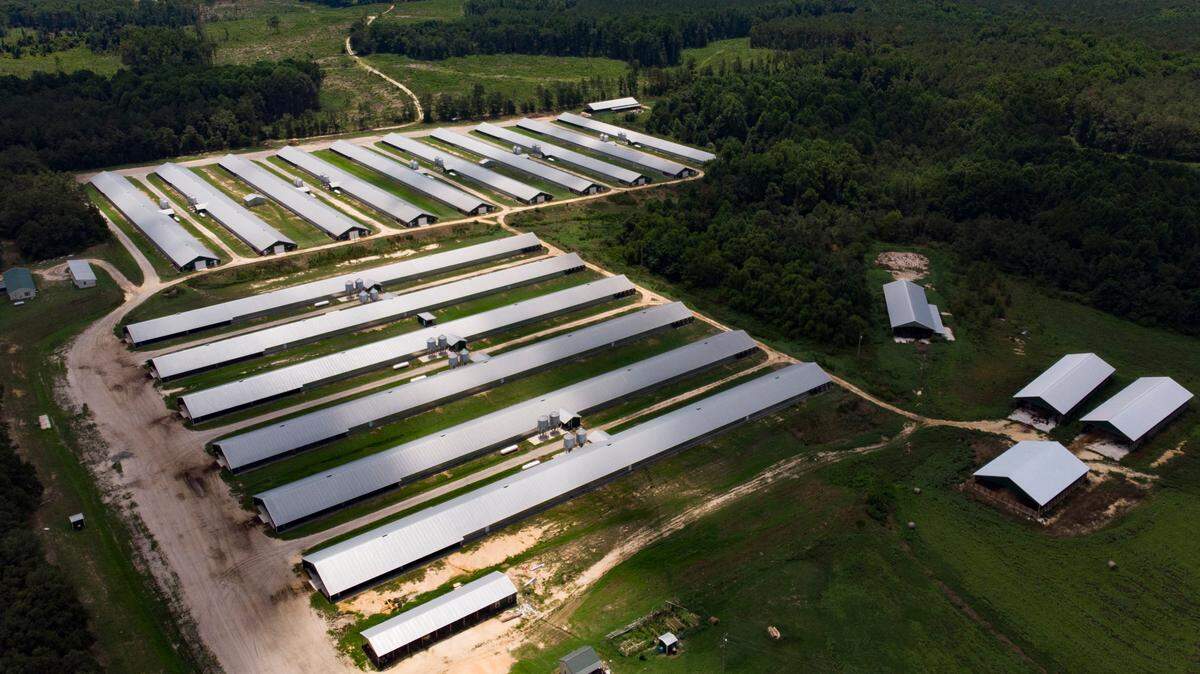
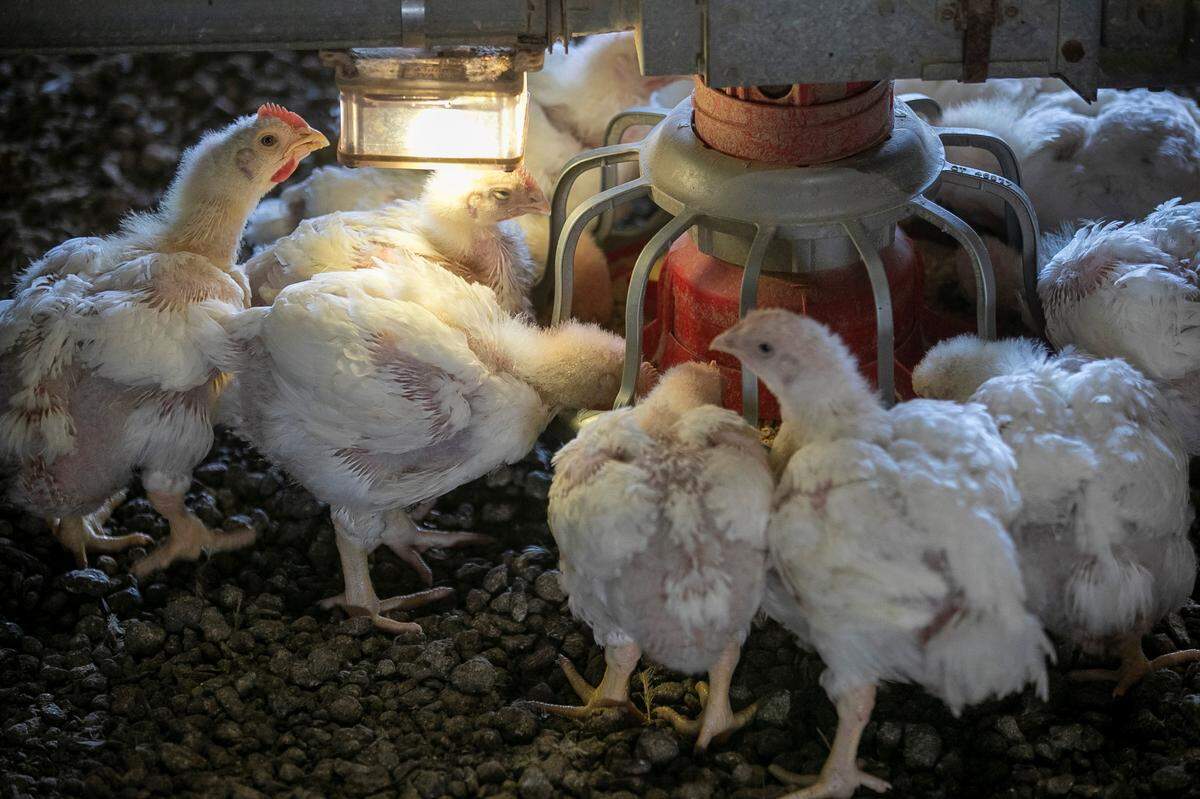
Free-range chickens are housed by the thousands in industrial-sized barns with access to the outdoors at least some of the time. That doesn’t mean they leave the barn.
Just 2% to 14% of Perdue Farm’s “free-range” chickens opt to go outside, according to Mike Levengood, the company’s chief animal care officer. The rest stay inside, close to food and water.
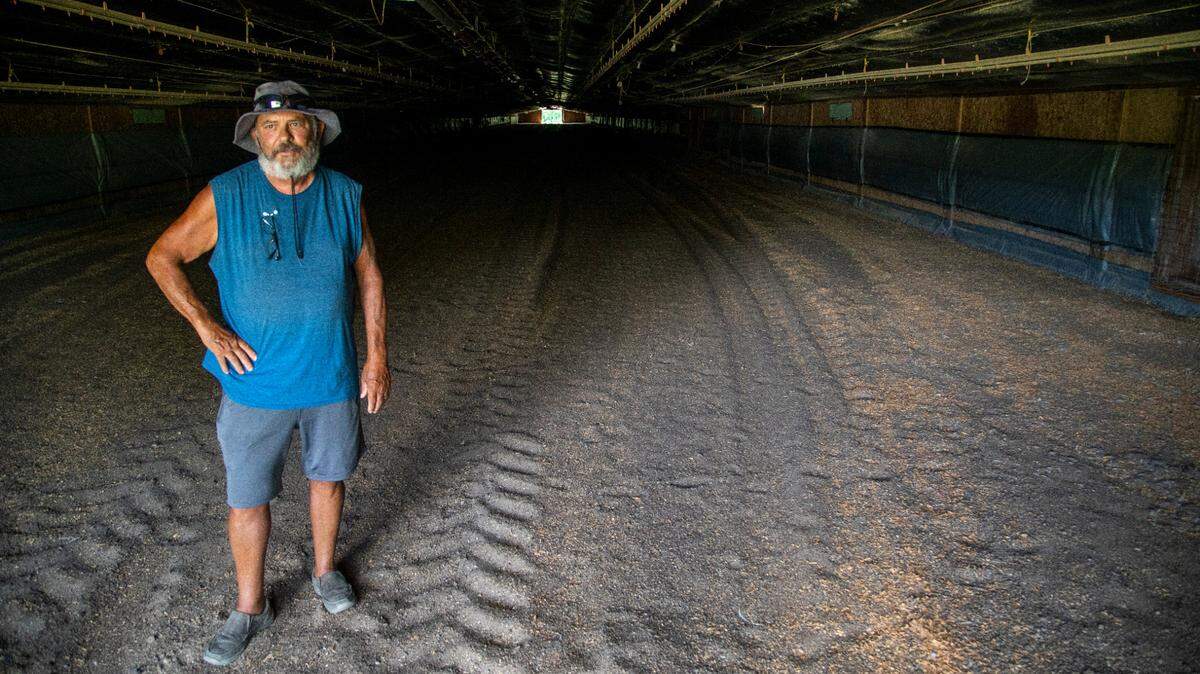
On Daniel Phillips’ chicken farm near Robersonville, the birds can forage on fenced grassy strips of land between the chicken houses —about 50 feet wide and 600 feet long. But chickens that choose to go outdoors can do so only on days when the weather is not too hot and not too cold.
The U.S. Department of Agriculture doesn’t precisely define the term “free range.” Instead it approves the label claims on a case-by-case basis.
“USDA generally permits the term to be used if chickens have access to the outdoors for at least some part of the day, whether the chickens choose to go outside or not,” the National Chicken Council notes on its website. “In practice, most chickens stay close to water and feed, which is usually located within the chicken house.”
To help sort truth from impressions, the National Chicken Council and the USDA have compiled glossaries of some other common poultry marketing terms:
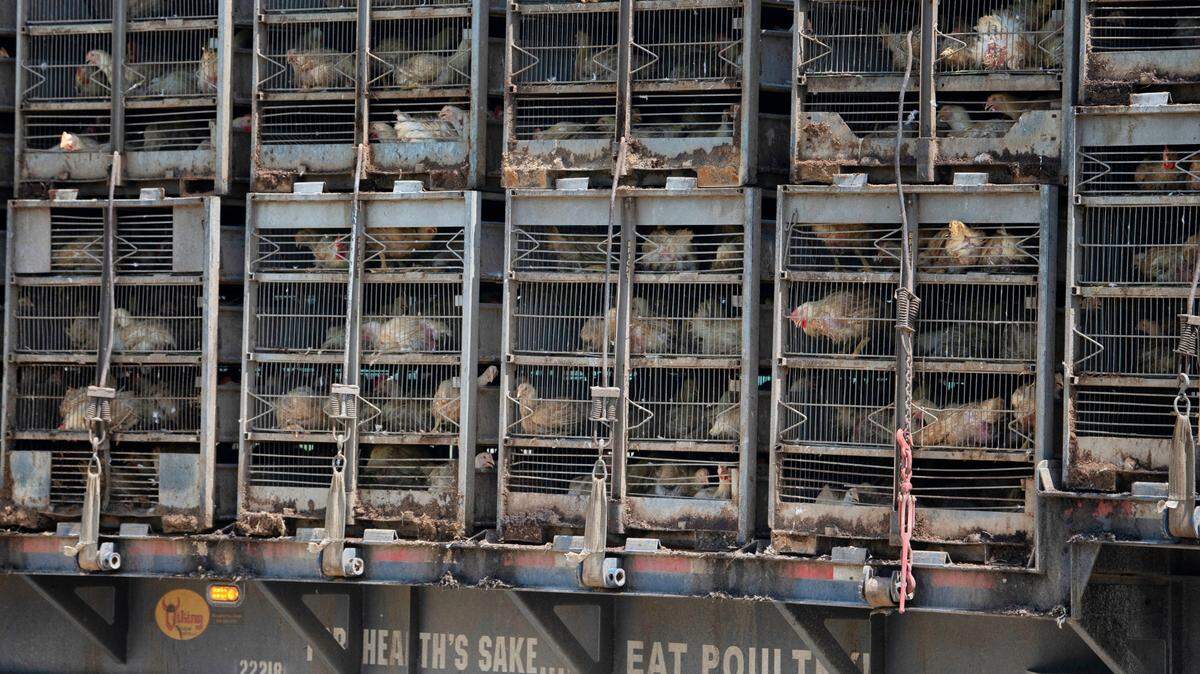
CAGE-FREE: About 35% of egg-laying hens are now raised in cage-free housing, according to a newly released USDA report. But if you see the term “cage-free” on a package of poultry meat, the term means little, because virtually all chickens and turkeys raised for meat are housed without cages in large, open barns.
PASTURE-RAISED: Chickens that are primarily raised outdoors on pasture.
NO ADDED HORMONES OR STEROIDS: No chicken meat found in a grocery store should come from birds treated with hormones or steroids. The Food and Drug Administration forbids that.
ANTIBIOTIC-FREE: All chicken in stores is technically “antibiotic-free” because federal rules require that antibiotics must have cleared from chickens’ systems before they are taken from farms, according to the chicken council. Some chickens are never treated with antibiotics; those may carry other labels, such as “No Antibiotics Ever” or “Raised Without Antibiotics.”
Read more stories from the “Big Poultry” project at newsobserver.com, charlotteobserver.com or heraldsun.com.
This story was originally published December 1, 2022 at 6:00 AM with the headline "The package says the chicken is ‘free range.’ That may not mean what you think.."
.JPG)