Big Poultry: Five takeaways from investigating North Carolina’s secretive ag industry
READ MORE
Big Poultry
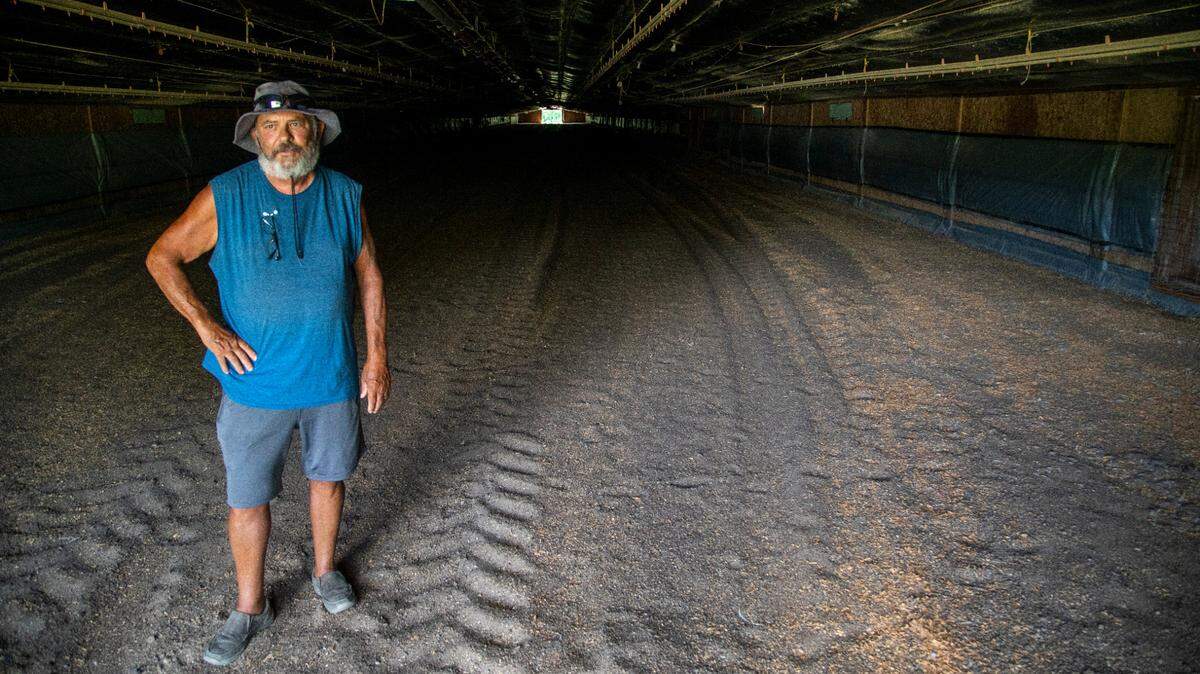
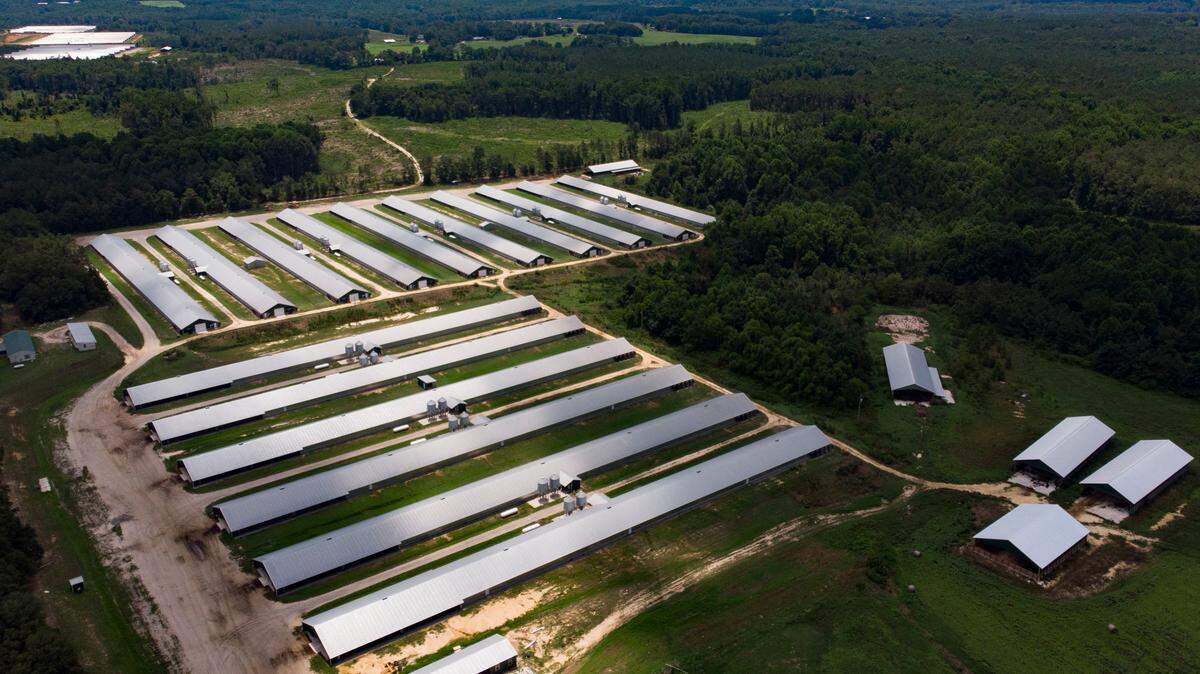
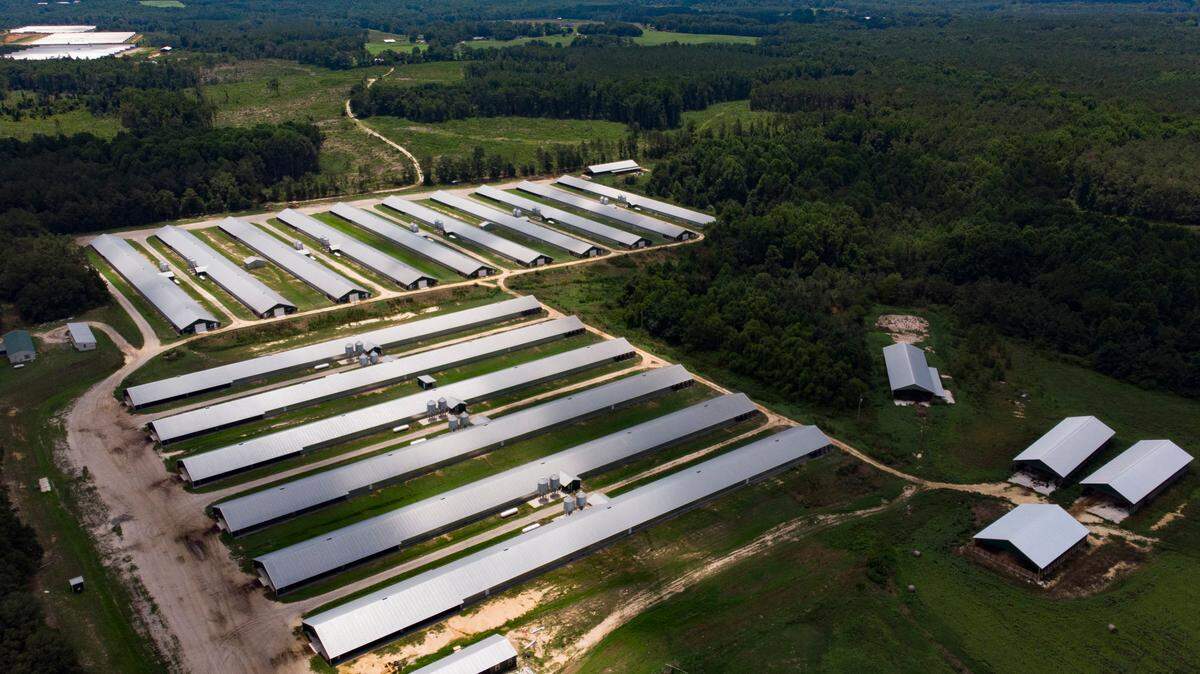
North Carolina’s poultry farms are everywhere. The state cloaks big poultry in secrecy to the point regulators don’t even know where most of the farms are located. Neighbors complain about the stench and other nuisances. But state laws leave courts and local governments nearly powerless to help.
Expand All
The Charlotte Observer and The News & Observer this month published Big Poultry, an investigation into impacts from the roughly 4,700 industrial-scale poultry farms now operating across North Carolina.
Poultry farming, the backbone of North Carolina’s largest agriculture sector, is a lightly regulated and secretive enterprise, the reporting revealed.
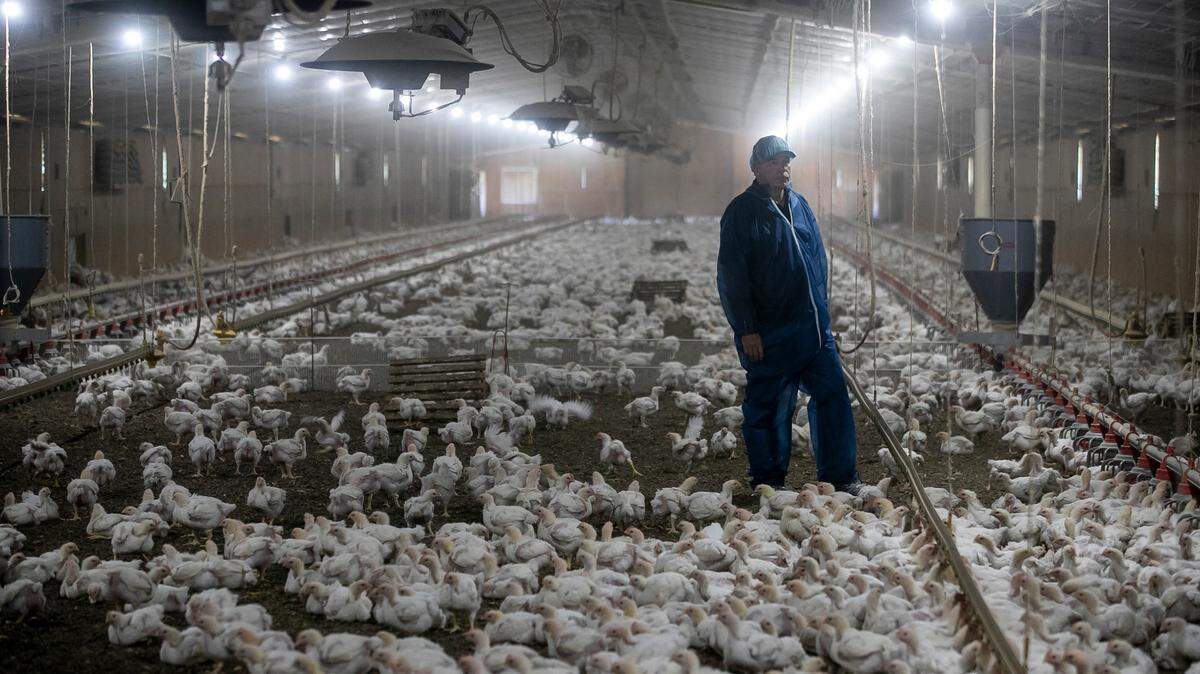
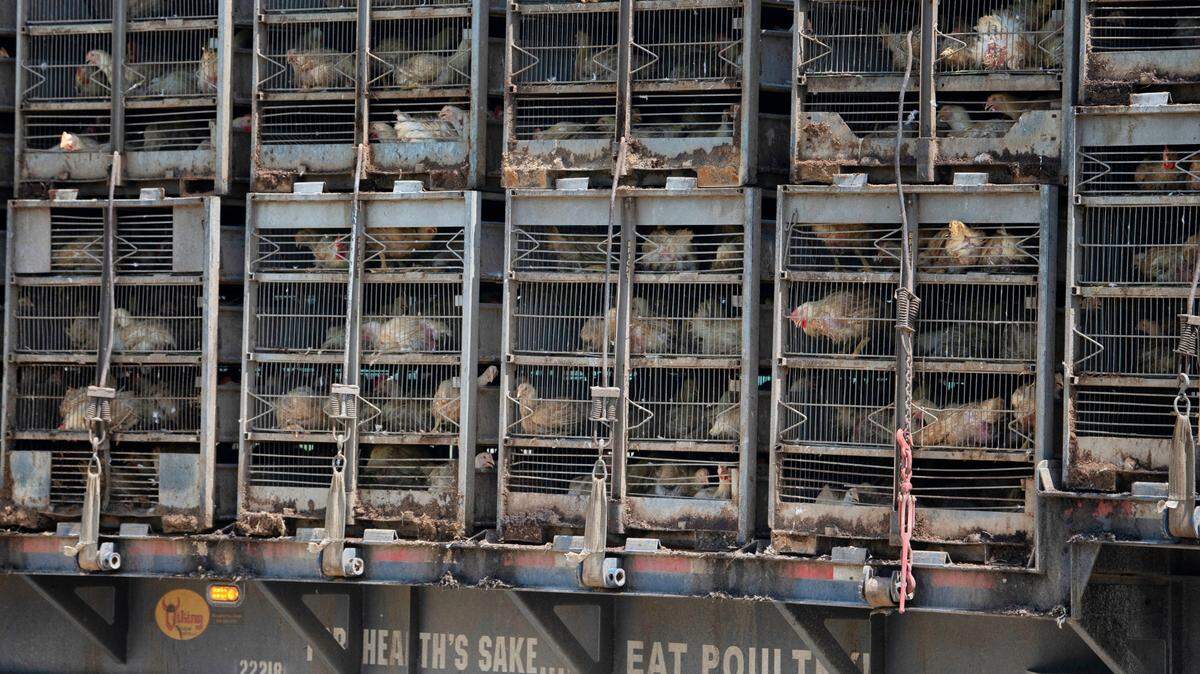
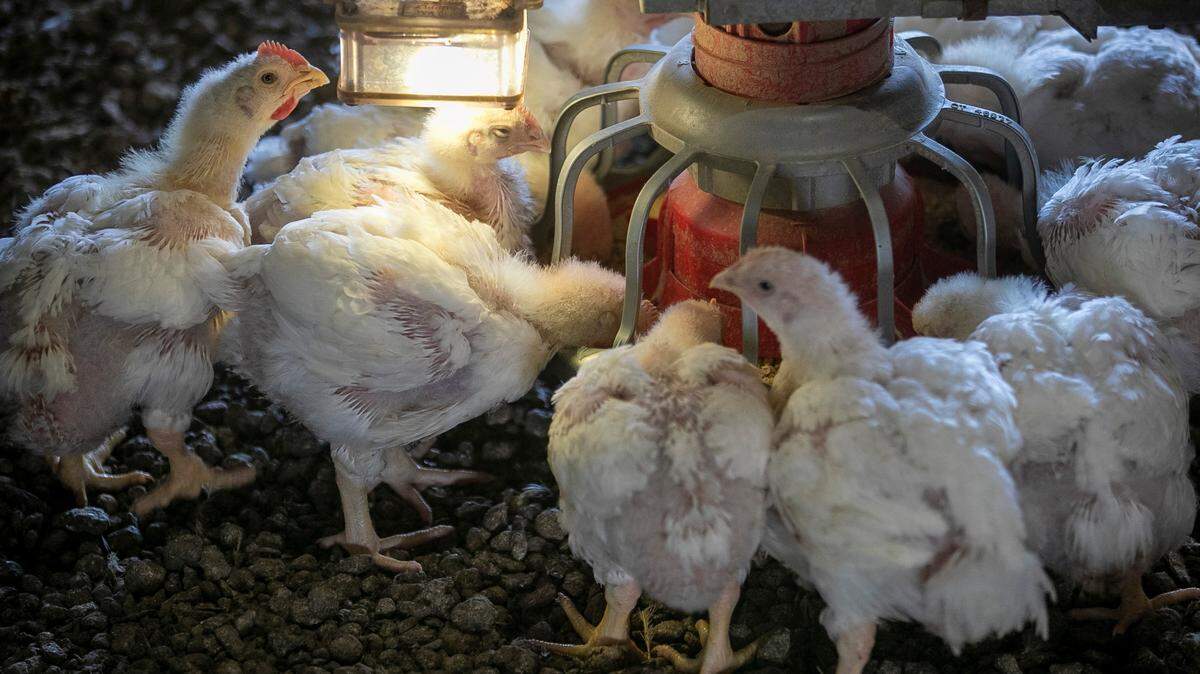
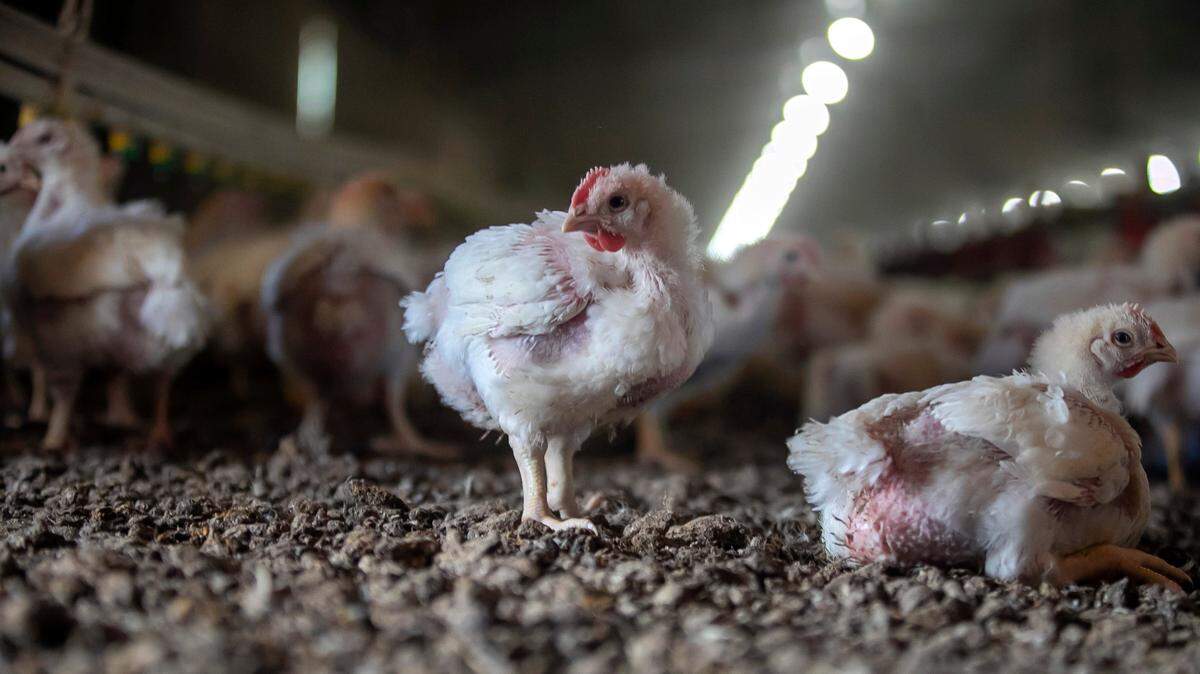
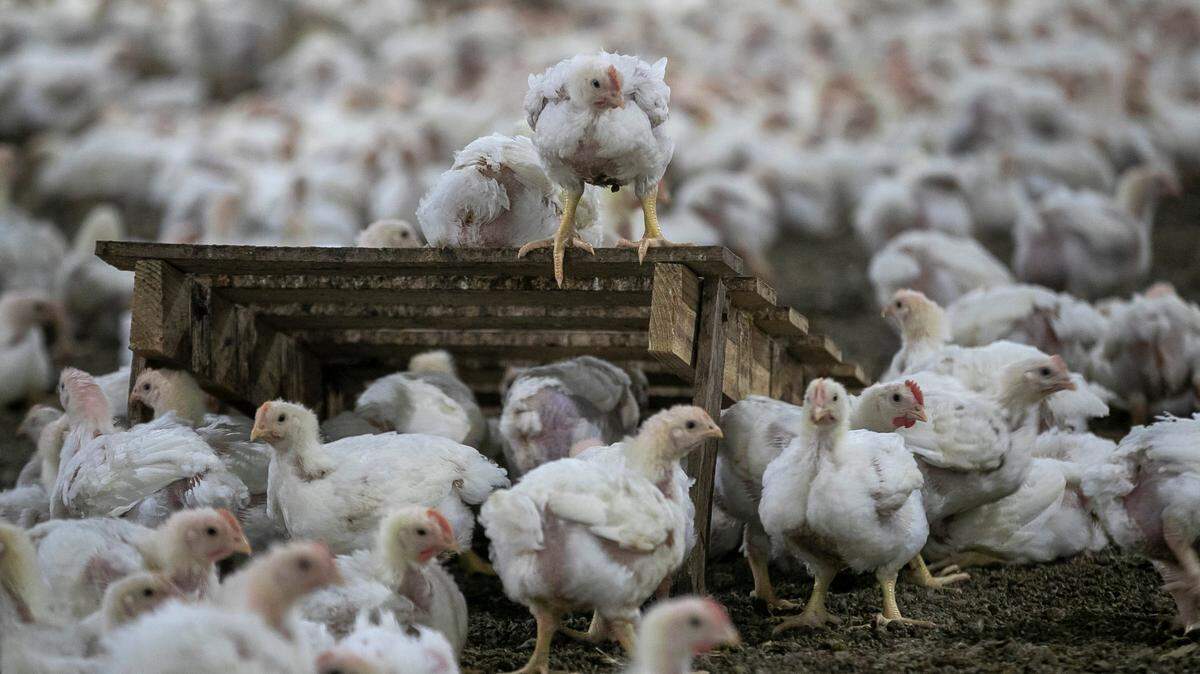
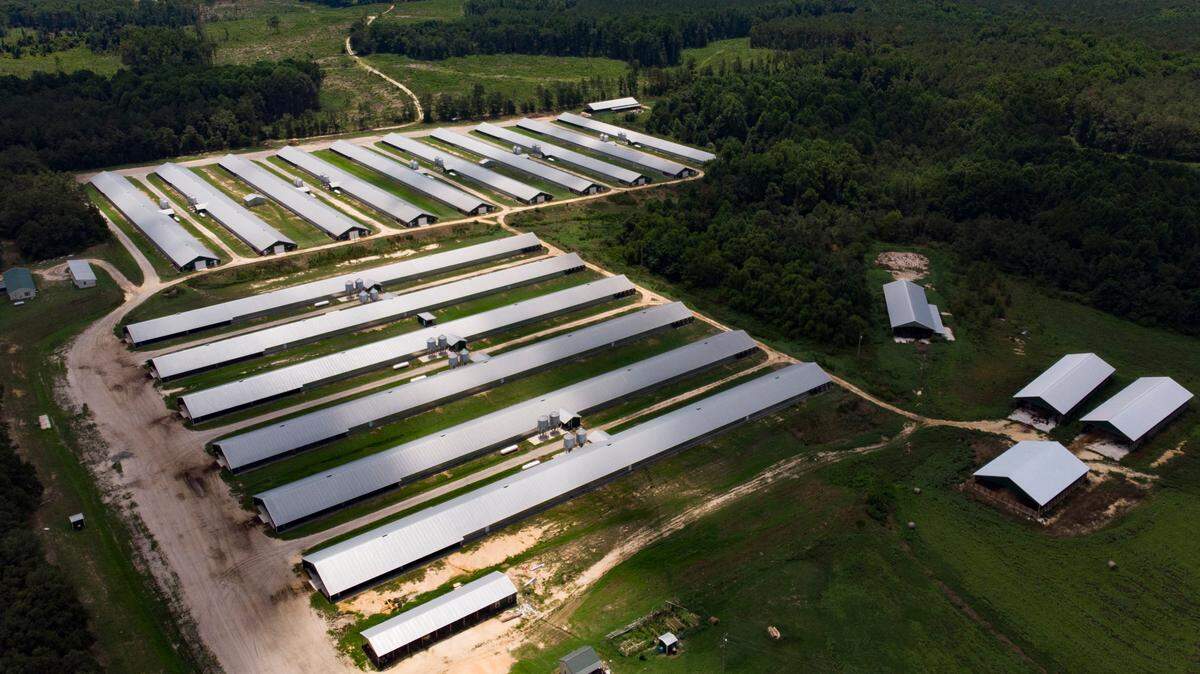
Farms here annually raise more than a billion birds — almost 100 chickens and turkeys for each of the state’s 10.5 million residents — in densely packed barns found from the western foothills to the coast.
Despite producing billions of pounds of waste collectively, poultry farmers are not required to apply for environmental permits or submit to environmental inspections. Neighbors complain about odors and other nuisances, but local leaders have no power to limit where farms are built.
In other states, information made public about poultry farms helps researchers to explore potential pollution and health risks. But not here.
Here are five major things we learned while investigating this secretive industry:
Mapping NC poultry farms: Not easy but worth it
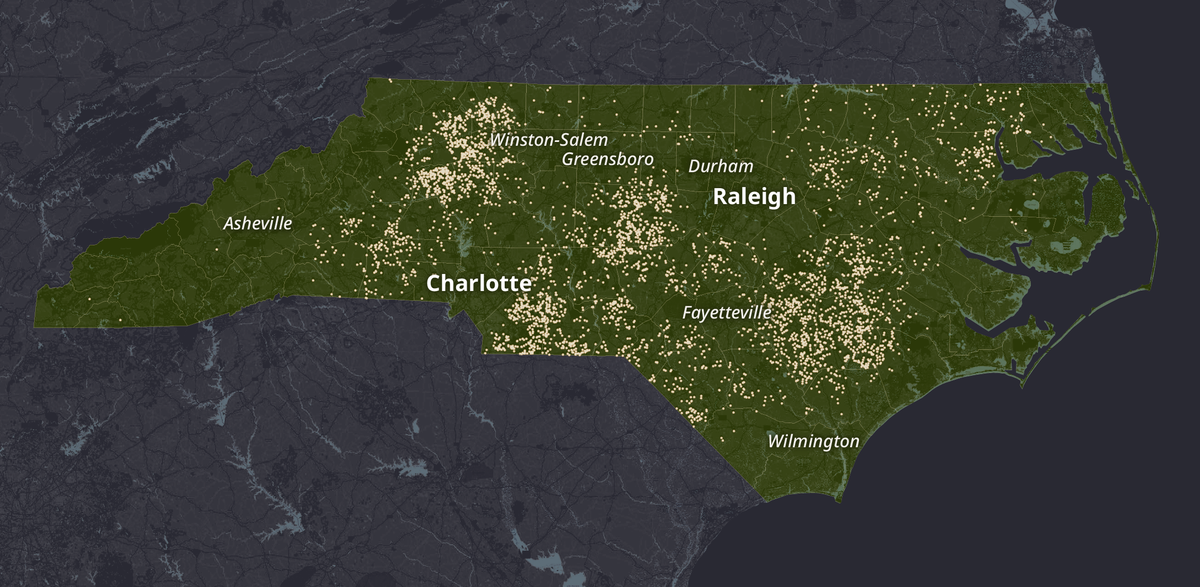
Unlike other states, including neighboring South Carolina and Virginia, North Carolina keeps the locations of poultry farms secret. Not even N.C. Department of Environmental Quality staff know where the vast majority stand.
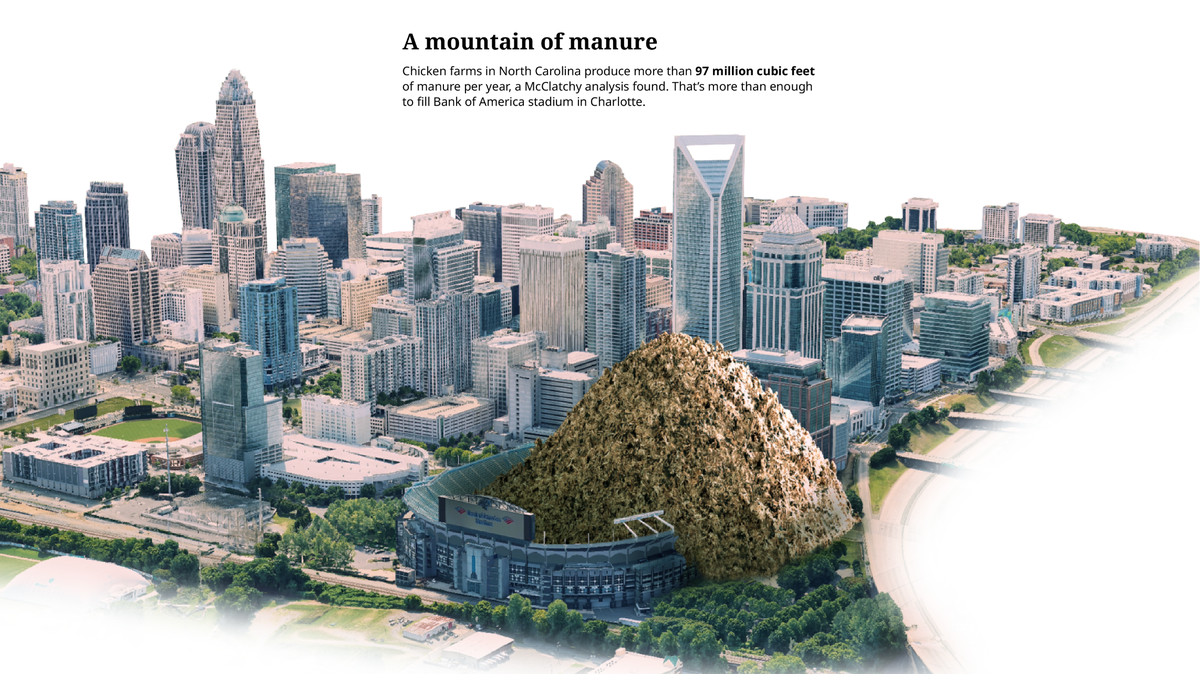
Chickens alone produce roughly 2.5 billion pounds of manure here each year. DEQ officials have said knowing addresses of poultry farms would help them better protect public waters from any pollutants from poultry waste.
Researchers say public information about farm locations and practices help assess any human health risks, too. Living closer to big poultry barns can increase the risk of some illness, studies have shown.
By combining and confirming data provided by the Environmental Working Group, a Washington, D.C. nonprofit, and Stanford University researchers, Charlotte Observer data journalist Gavin Off mapped some 4,700 poultry farms in 79 counties.
Combining that map with more than five million land parcel records, block-level U.S. Census Bureau counts and more data brought new insights.
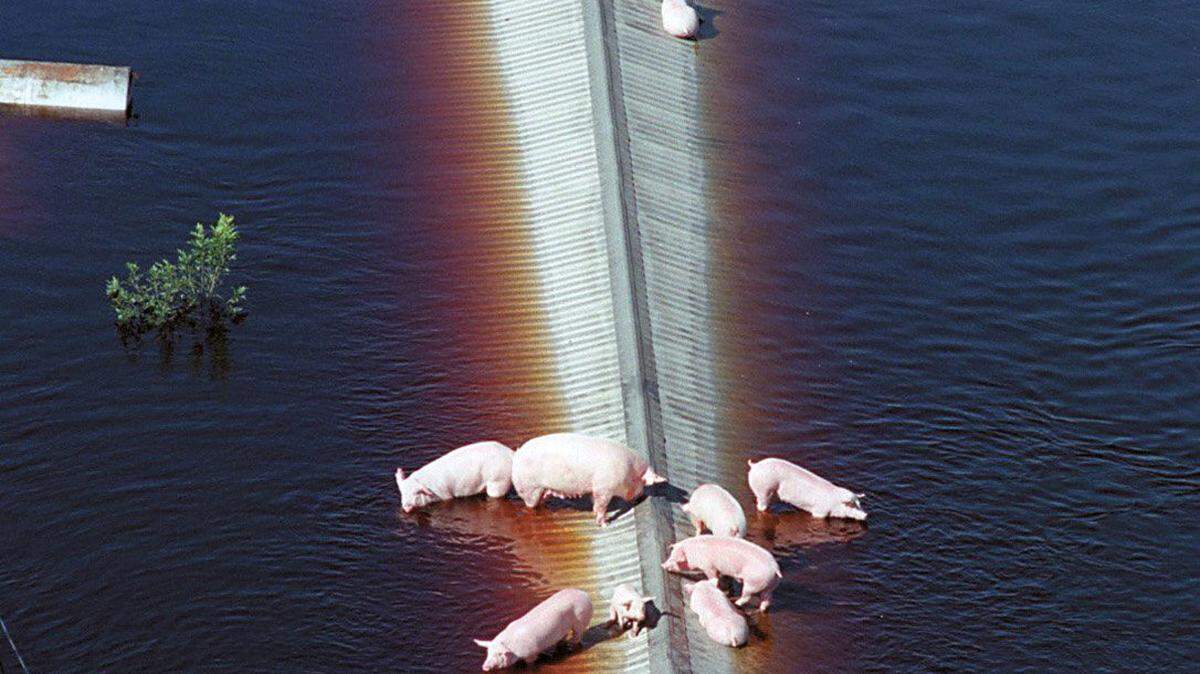
Some 230,000 North Carolinians now live within a half-mile of a poultry farm, for instance. And at least 232 barns — housing as many as 5.8 million birds —sit in floodplains.
NC regulation, transparency among the weakest
Georgia, the state that produces the most birds for slaughter, makes poultry farms’ waste management plans public. It also allows counties to adopt local controls of farms, limiting their size and density, for example.
Alabama, the second leading poultry-producing state, requires that farmers apply for environmental permits. Mississippi, another big producer, prohibits odor emissions that affect human health and well-being.
South Carolina and Virginia release farm locations to the public, notify residents if one is coming to their neighborhood and allow residents to provide public comment. Early notice in South Carolina allowed a group of residents in Laurens County to fight plans for 18 new barns near Little River
North Carolina does none of the above. In fact, among the 10 states reporters polled, the state has the fewest regulations and the least transparency.
As poultry production grows, neighbors pay a cost
The number of birds raised in North Carolina in the past two decades increased 33% — half of that coming in the past five years, state agricultural data shows.
In addition to the 230,000 North Carolinians living within a half mile of a poultry farm, some 690,000 people live within a mile of a farm, the newspapers’ analysis found.
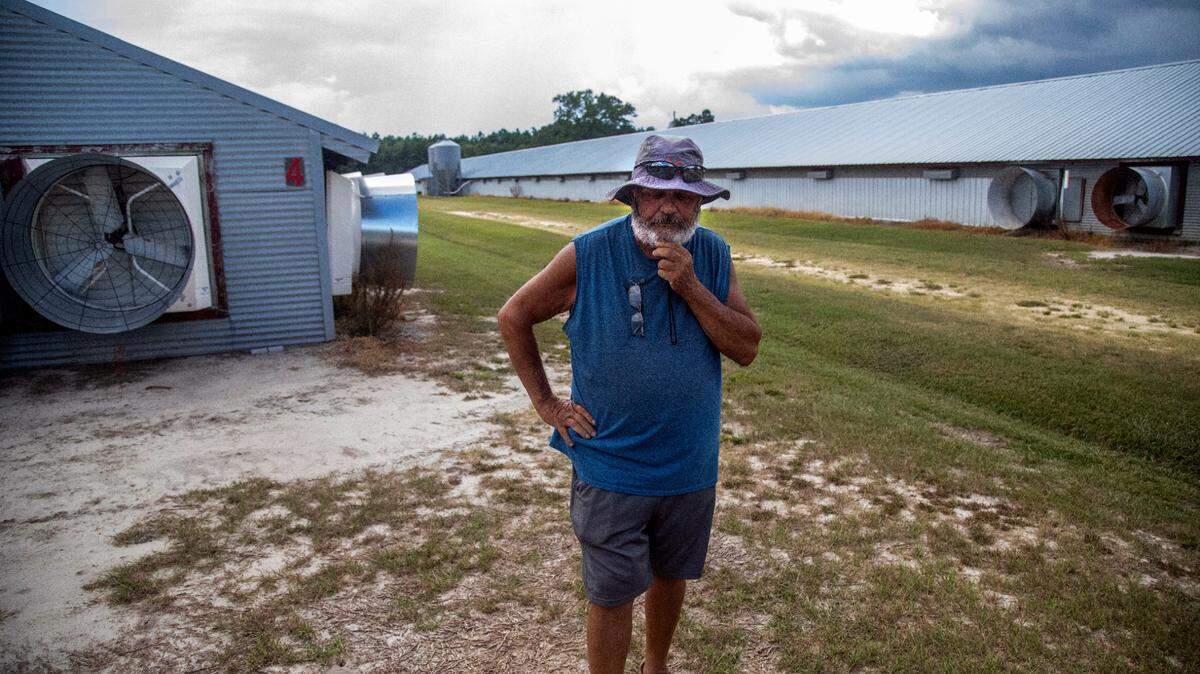
“The stench is oppressive,” said John Griffin, a Surry County resident and neighbor of a poultry farm. “It’s a lot like dog mess and vomit.”
When News & Observer and Charlotte Observer journalists visited counties with rapid growth in poultry production, people living near farms said their lives have been disrupted by problems beyond overpowering odors.
In Duplin County, Tarry Thomas wonders whether emissions floating from the chicken farm near her home are worsening her asthma and chronic allergies.
Living near big poultry barns can increase the risk of contracting respiratory illnesses and reduce property values, studies say.

No one tracks all waste; some detected in public waterways
Chickens alone in North Carolina produce as much waste as more than 7.5 million humans. But after it is scooped out of poultry barns, environmental regulators don’t track where most of it ends up.
When ventilation fans push ammonia, a natural byproduct of manure, out of the barns, the gas converts into nitrogen. That can fall on land, streams and rivers.
Runoff from farm fields overladen with animal waste can also cause environmental problems, feeding algae that reduces oxygen in public waterways, which can cause fish kills.
Some poultry waste pollutants wind up in streams, creeks and other waterways, research says. Poultry waste was a source of unwanted organic nitrogen in the Neuse River basin, according to a 2016 study by N.C. State University and UNC-Chapel Hill.
Farmers don’t always get what they bargain for
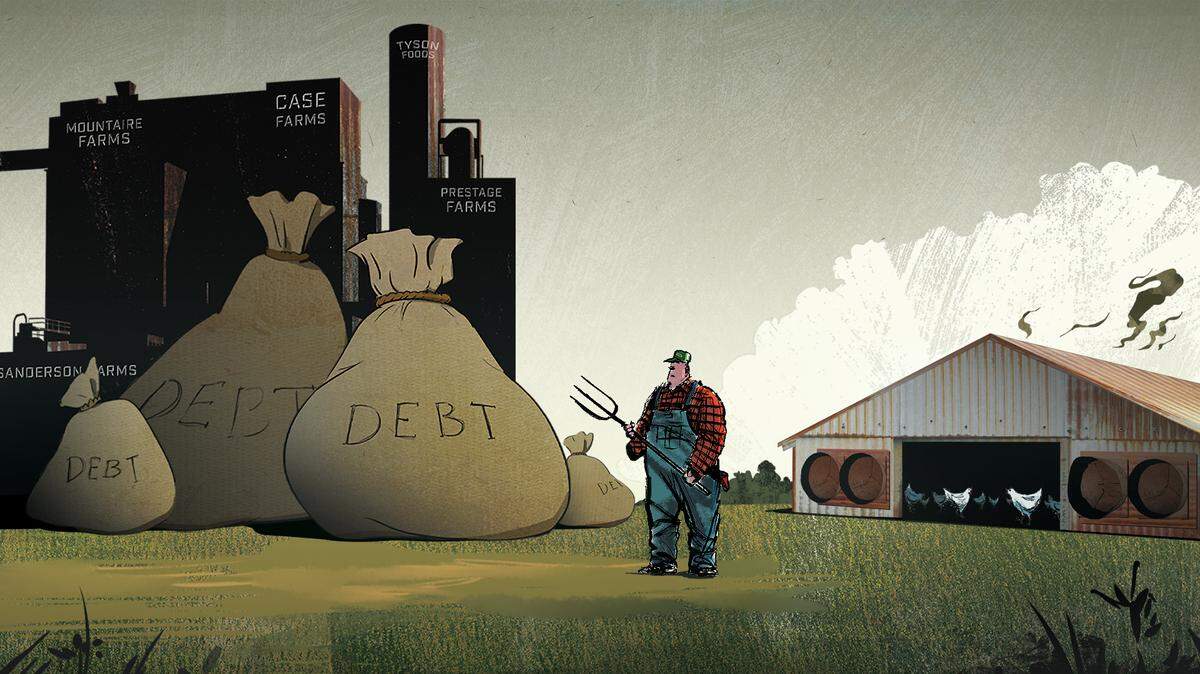
Some current and former North Carolina poultry farmers say they signed contracts to raise birds for multi-billion dollar companies, only to learn they had little control over the things they needed to succeed financially.
They said they were surprised when poultry companies required them to spend hundreds of thousands for equipment upgrades if they wanted to keep raising chickens.
Such problems leave some farmers with big debts and unreliable income.
The federal government has taken notice. A lawsuit filed by the U.S. Justice Department this year alleged that two large poultry companies — Sanderson Farms and Wayne Farms — have engaged in deceptive practices.
And the U.S. Department of Agriculture has proposed rules that would force poultry companies to disclose more information to help farmers make better informed choices about whether to raise their animals.
Read more stories from the “Big Poultry” project at newsobserver.com, charlotteobserver.com or heraldsun.com.
This story was originally published December 12, 2022 at 6:00 AM with the headline "Big Poultry: Five takeaways from investigating North Carolina’s secretive ag industry."