From Boss Hog to Big Poultry: North Carolina’s big question remains the same
READ MORE
Big Poultry
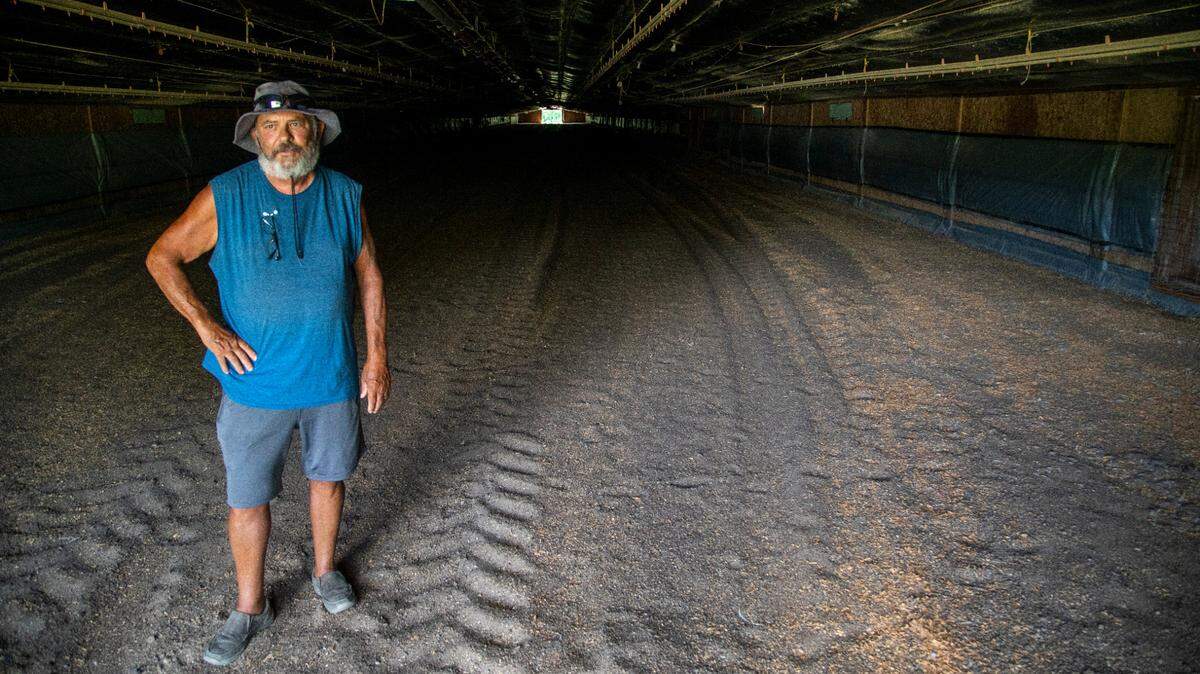
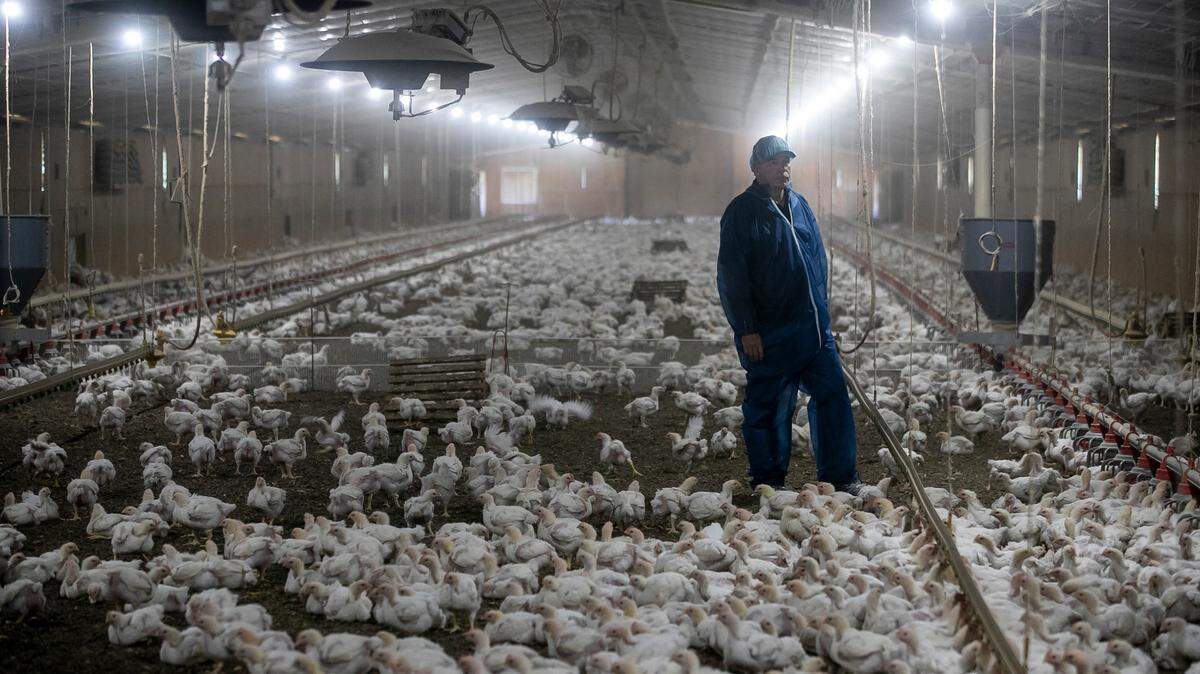
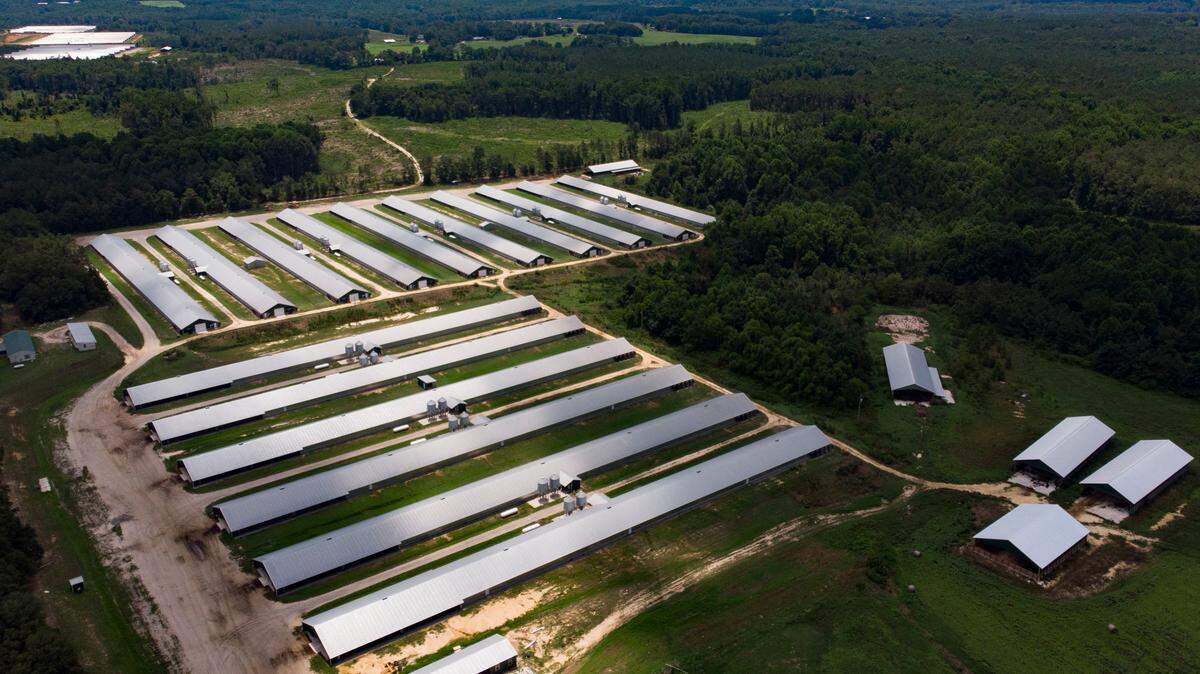
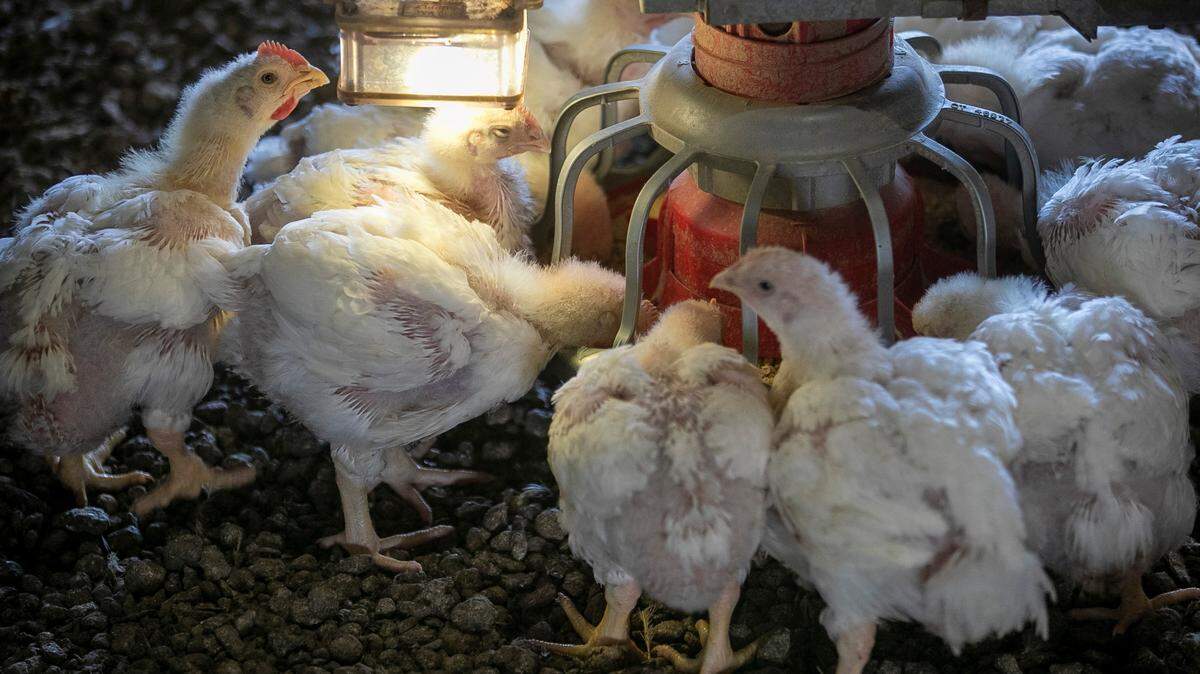
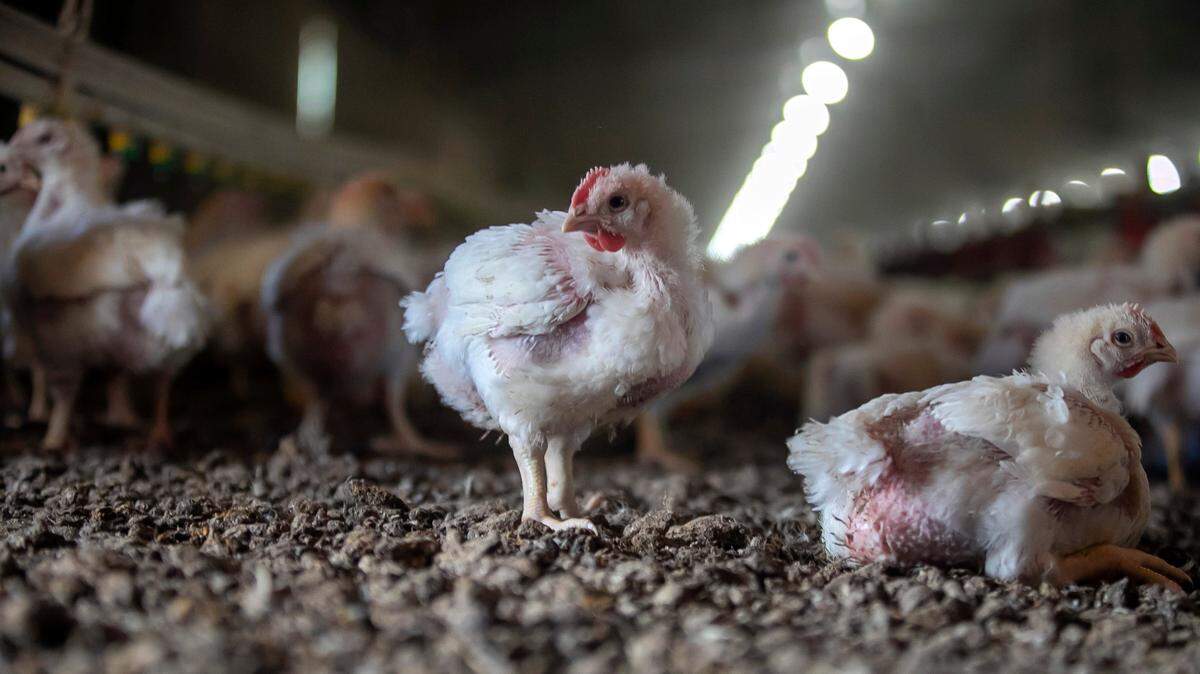
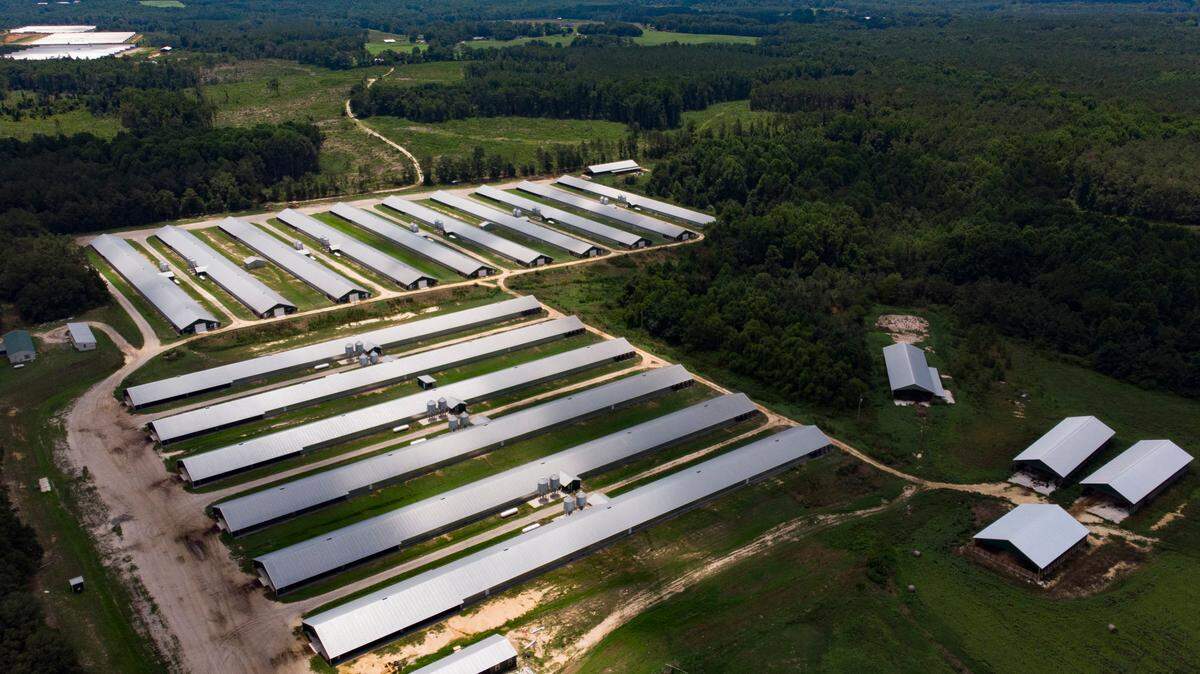
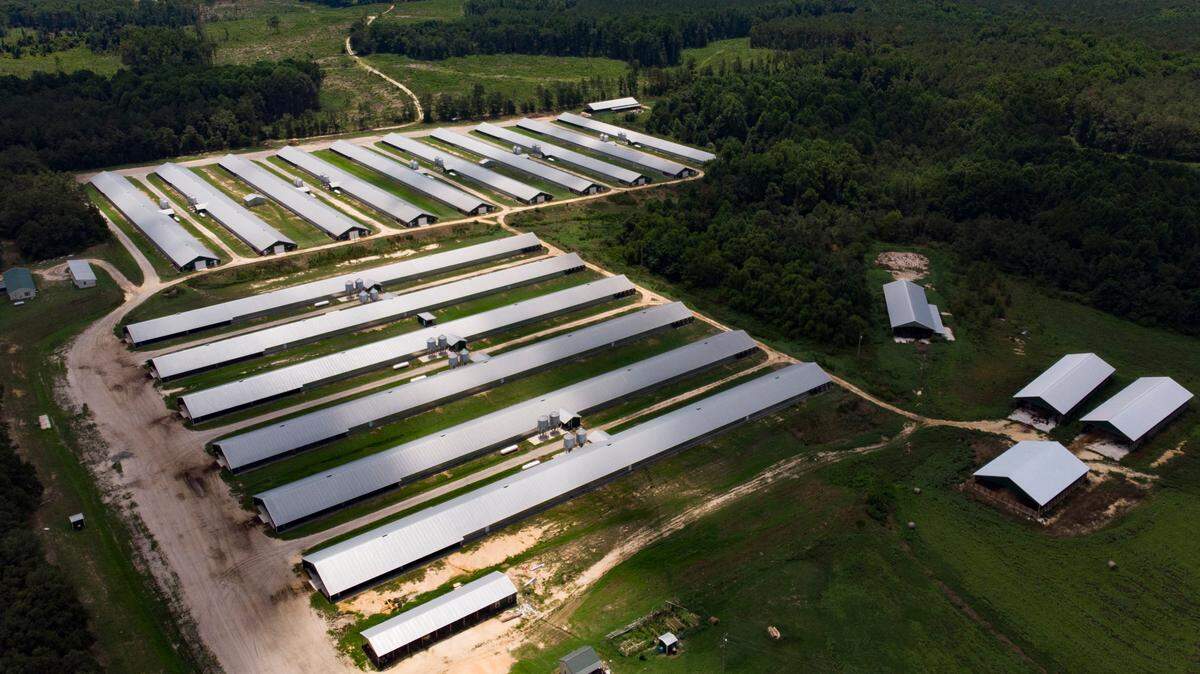
North Carolina’s poultry farms are everywhere. The state cloaks big poultry in secrecy to the point regulators don’t even know where most of the farms are located. Neighbors complain about the stench and other nuisances. But state laws leave courts and local governments nearly powerless to help.
Expand All
Editor’s note: Journalist Melanie Sill directed the News & Observer investigative series “Boss Hog,” which was awarded the Pulitzer Prize for public service in 1996.
This scene seems like forever ago, but it’s a story about today. Reporters Pat Stith and Joby Warrick were in The News & Observer canteen, wrestling with what their deep reporting on a fast-growing agricultural industry really meant for North Carolina.
Their “Boss Hog” series eventually changed policy and won a Pulitzer for The N&O, but first the reporters had to get their stories finished.
On a midafternoon break, their editor was (as Stith would describe it later) “agitating” them — the story swept in politics, the environment, commerce, and human impact, but what was it really about?
“I’ll tell you what it’s about,” Stith finally declared. “It’s about, who’s in charge?”
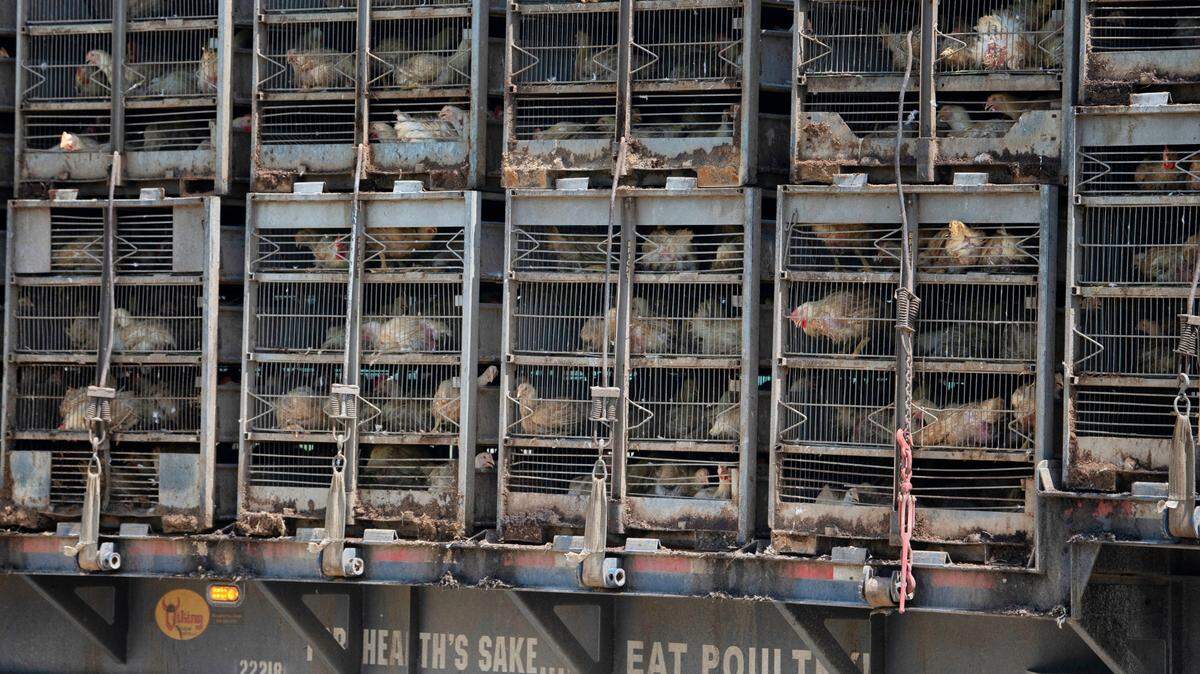
“Big Poultry,” the well-reported Charlotte Observer and N&O series exploring how the poultry industry has expanded in North Carolina, is similar in many ways.
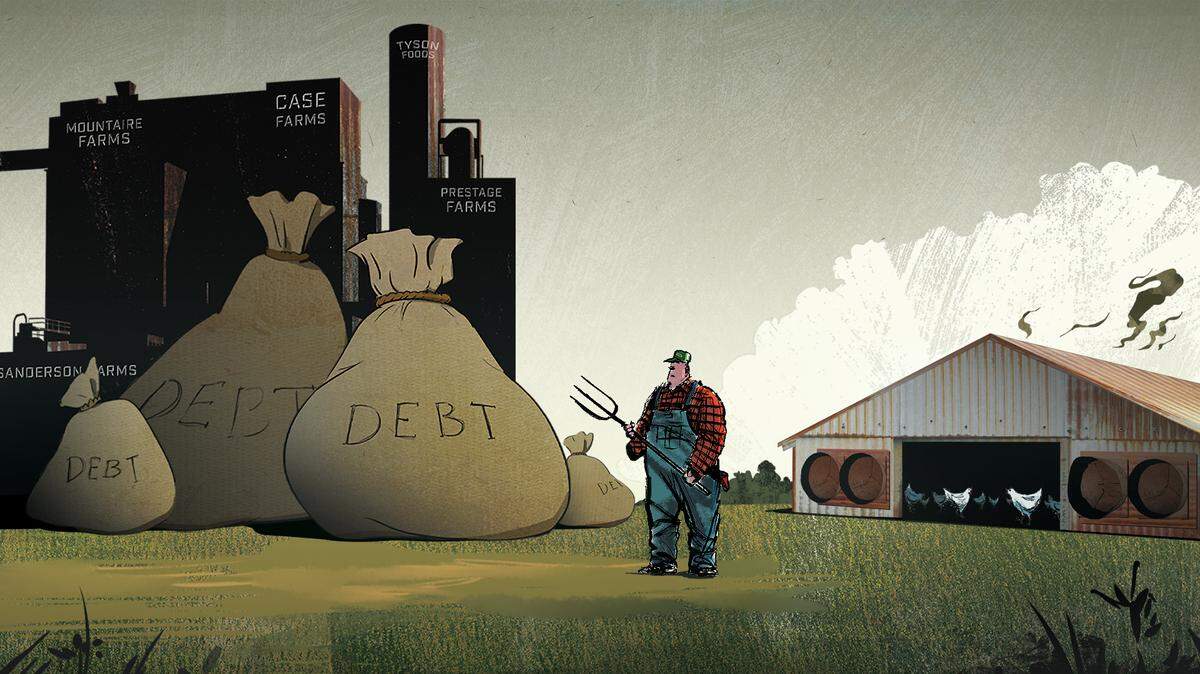
Once again an agricultural industry has won favorable legislation, been championed for bringing economic development to rural areas and benefited from a system that requires individual producers to take on debt and risk to raise animals for the conglomerates.
The state Agriculture Department, whose job it is to support ag industries, may be right that the growth of poultry has been a net win for North Carolina.
But with so much secrecy and industry power, where’s the public debate, and who in Raleigh looks out for the other interests in play? Among them: how neighbors and communities are affected by industries and businesses, the risks to poultry farmers, and how water and air quality are affected by confinement farming.
In the mid-1990s, “Boss Hog” brought the rest of North Carolina up to speed on what had happened with the expansion of Big Pork. Armed with more information, and with more accountability all around, other interests had more say in the debate over the benefits and costs of a major industry — for a time.
”Big Poultry” is the kind of journalism our state needs to help us see and understand what’s happening, and to give more people a voice in these choices. Stith’s question still holds: Who’s in charge?
Melanie Sill was the top editor and news executive for the N&O, The Sacramento Bee and Southern California Public Radio/ KPCC in Los Angeles. She was founding executive director of the N.C. Local News Workshop at Elon University. Read the N&O Pulitzer-prize winning “Boss Hog” reporting here.
Read more stories from the “Big Poultry” project at newsobserver.com, charlotteobserver.com or heraldsun.com.
This story was originally published December 12, 2022 at 6:00 AM with the headline "From Boss Hog to Big Poultry: North Carolina’s big question remains the same."