How it works: The risky business of contract poultry farming in North Carolina
READ MORE
Big Poultry
North Carolina’s poultry farms are everywhere. The state cloaks big poultry in secrecy to the point regulators don’t even know where most of the farms are located. Neighbors complain about the stench and other nuisances. But state laws leave courts and local governments nearly powerless to help.
Expand All
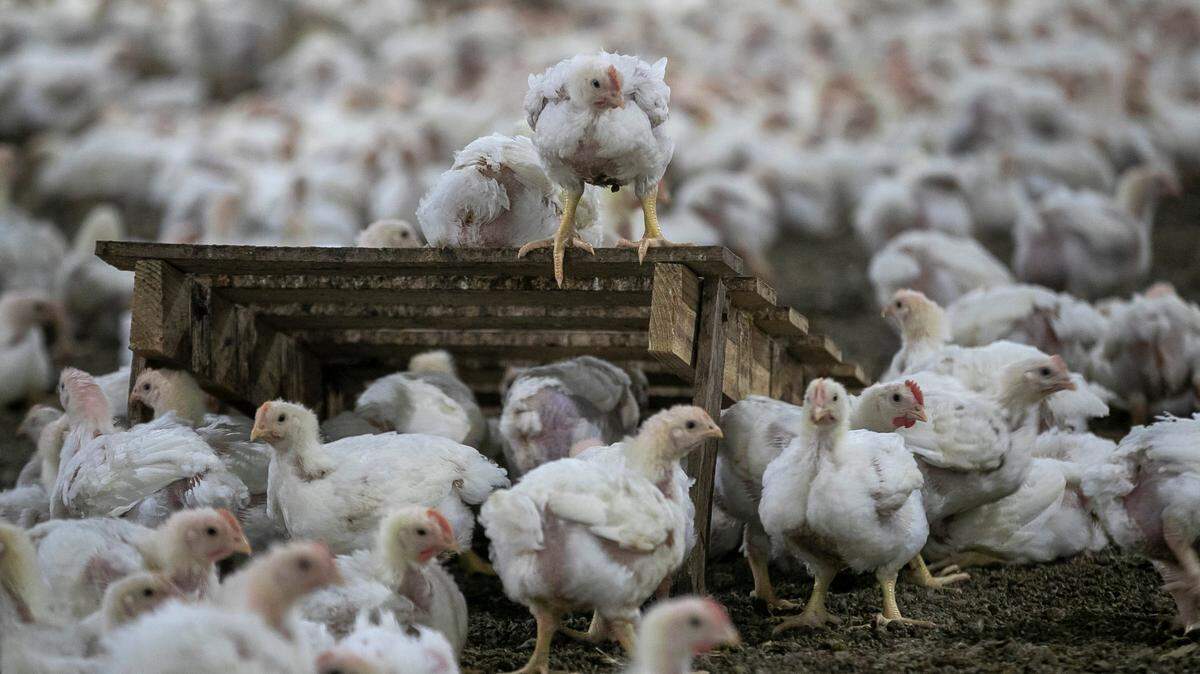
Almost all the chicken and turkey we eat comes from birds raised in huge barns on contract farms.
It’s an arrangement that industry leaders say is good for poultry companies, for consumers and for farmers. As agricultural economist Thomas Elam has put it: “Raising chickens under contract is one of the best and most reliable sources of cash flow that helps keep families on the farm.”
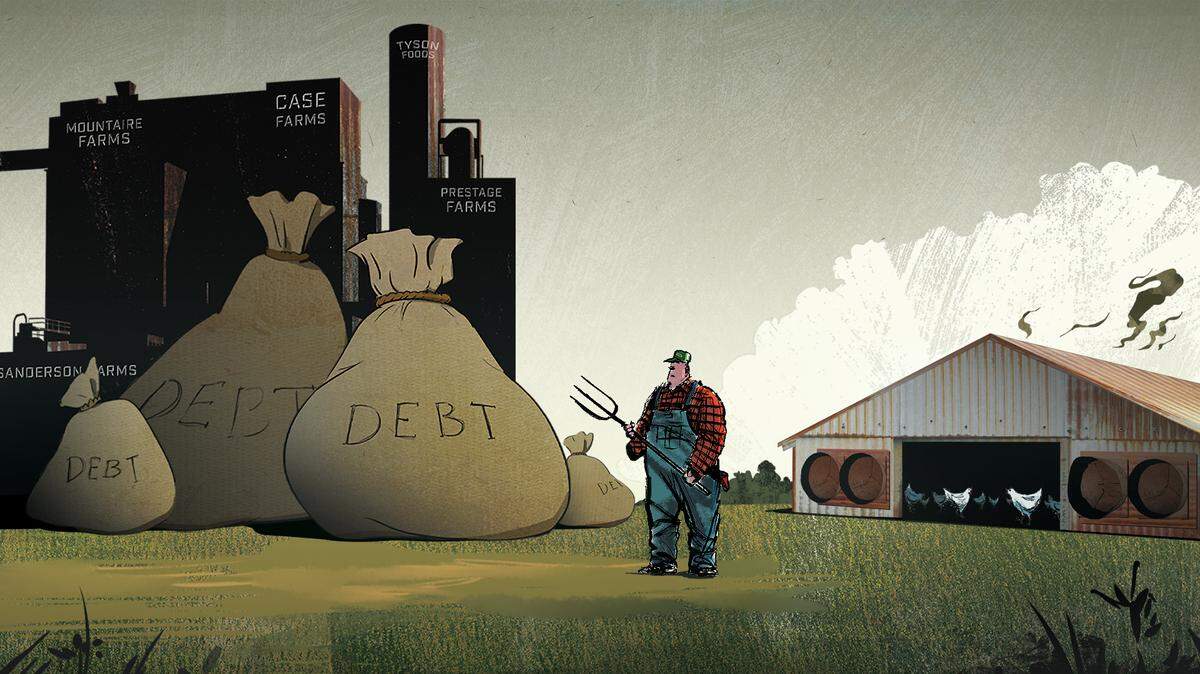
But critics — and some federal officials — say it’s a business that leaves many poultry farmers with big debts, unexpected costs, and little control over the things they need to assure a decent living.
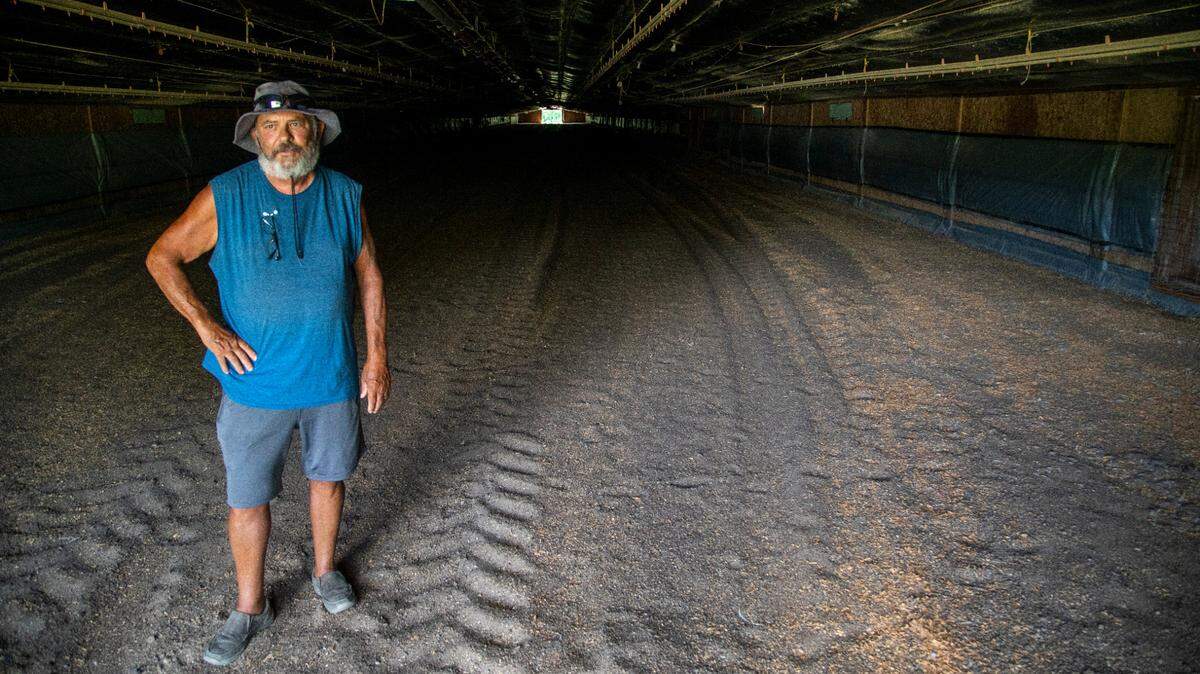
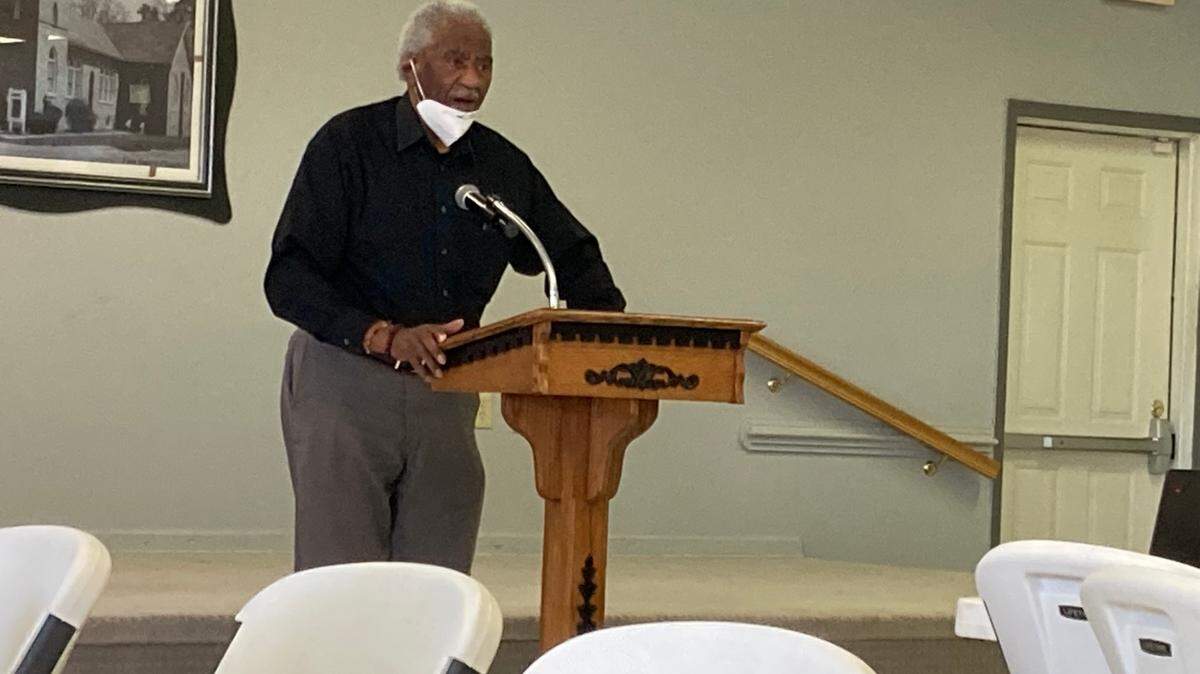
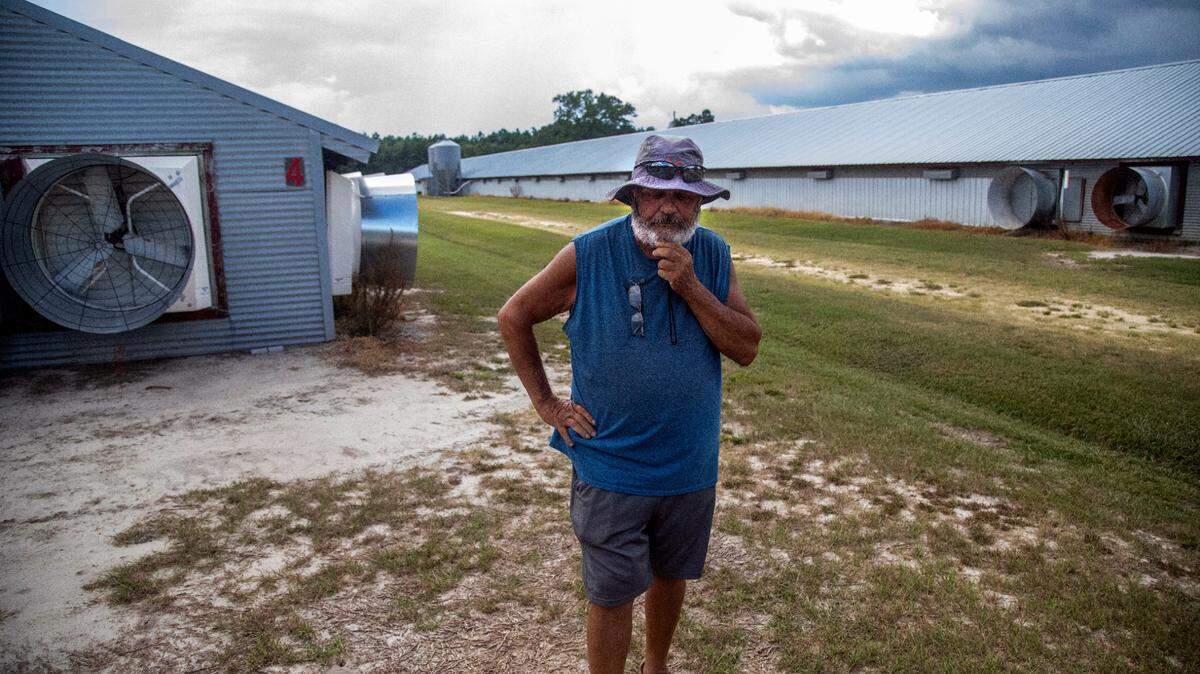
“These companies are dictators,” said Reid Phifer, a former chicken farmer from Union County.
“If you don’t follow orders, all they’ve got to do is threaten to withhold chickens. It’s ugly. But it works.”
Phifer quit poultry farming in 2020 because, he said, “I didn’t need the headaches.”
Poultry companies in charge
The business starts and ends with multi-billion-dollar poultry companies, known as integrators, that control almost all aspects of production.
In North Carolina, that includes Tyson Foods, Perdue Farms, Butterball, Sanderson Farms, Mountaire Farms and other leading poultry companies.
Owning and operating the farms where the birds are raised can be a risky and expensive proposition. Starting in the 1960s, poultry corporations began assigning that job to contract farmers. It’s a model that pork companies also use with contract pig farmers.
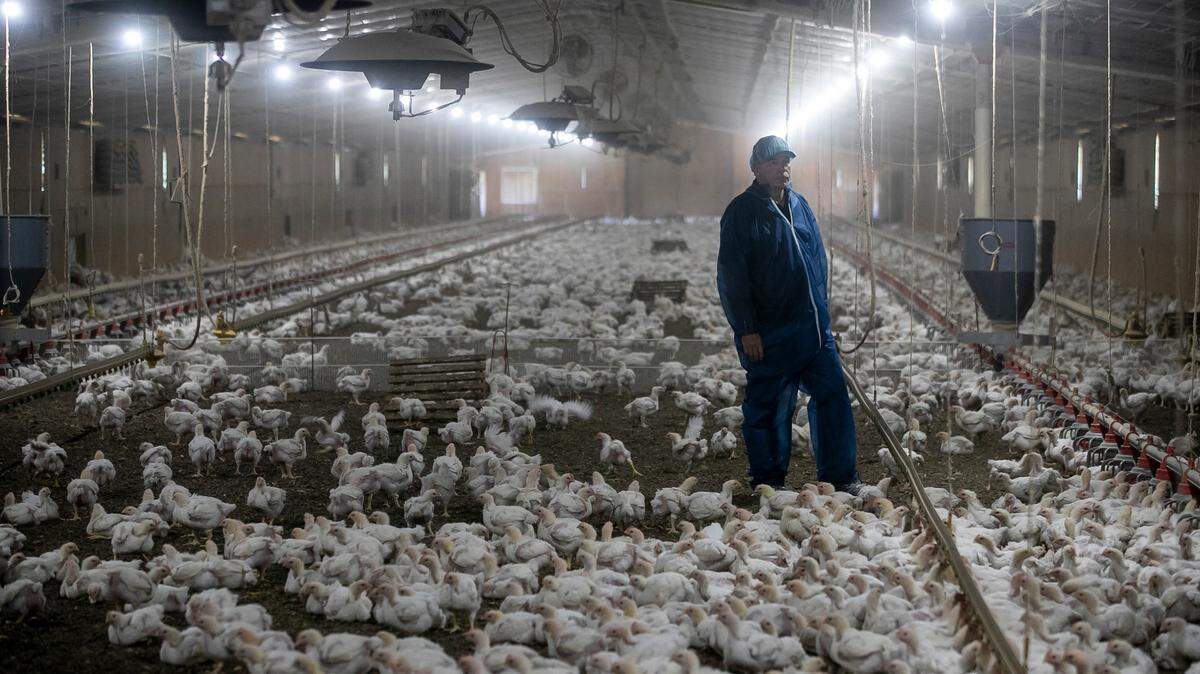
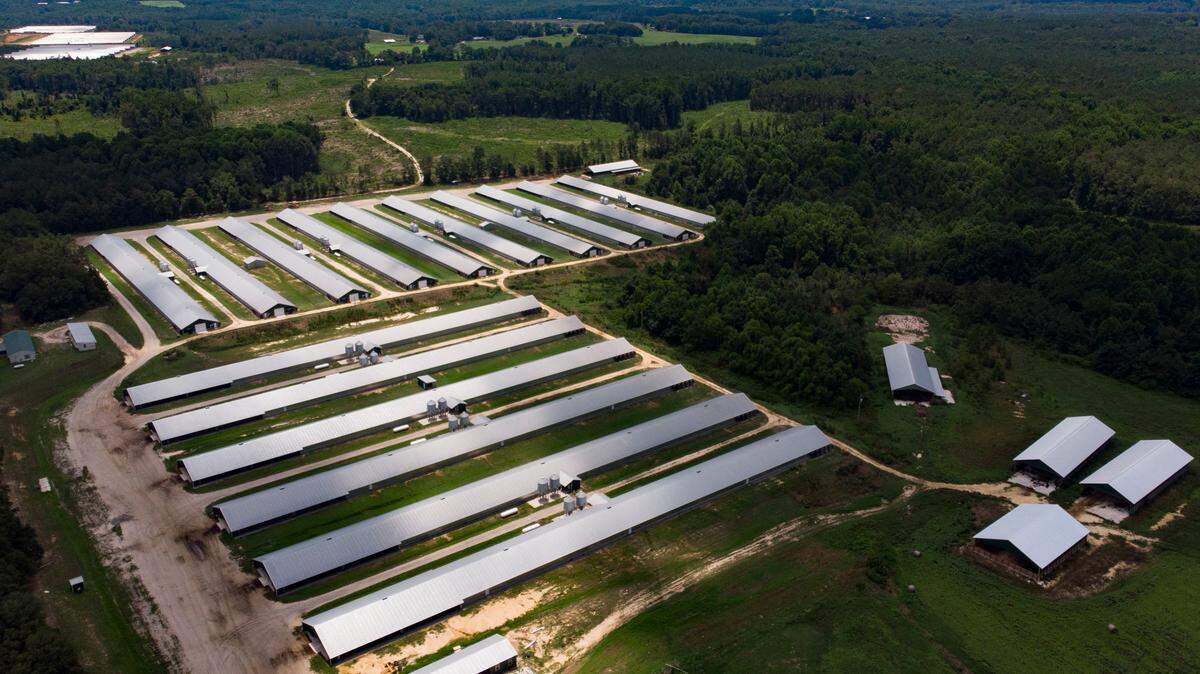
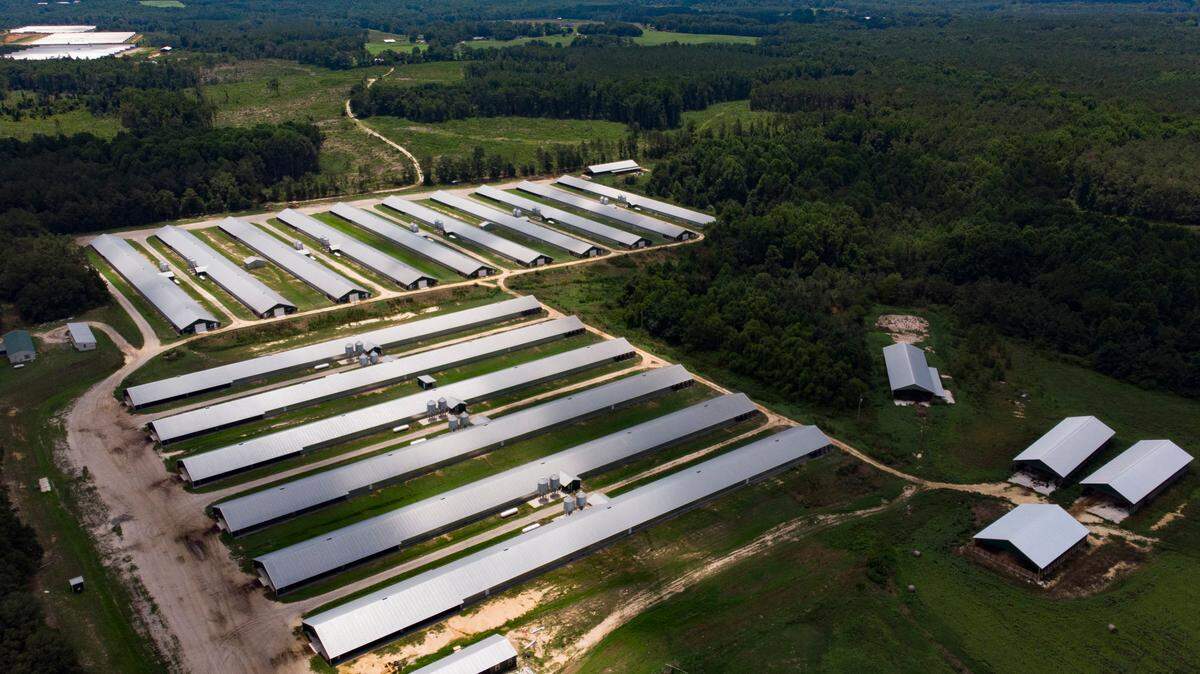
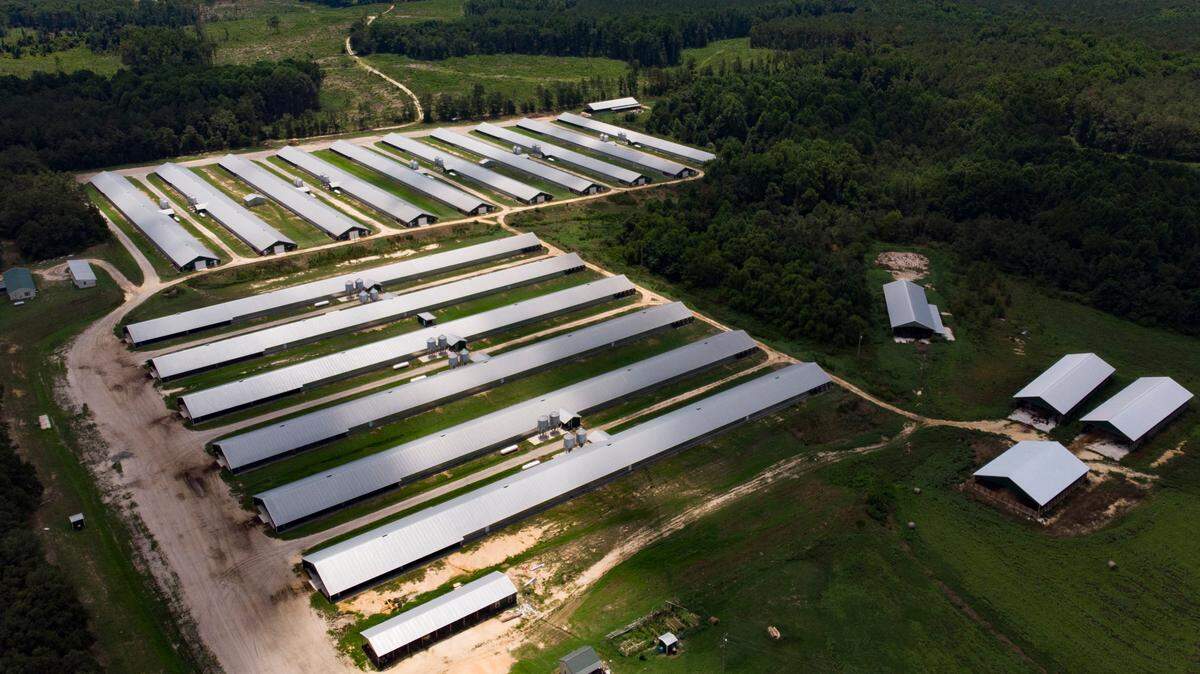
Today’s chicken and turkey farmers must spend $300,000 or more to build each poultry house — galvanized metal structures that usually stretch the length of two football fields and hold about 20,000 to 40,000 birds. Building and setting up a typical four-barn farm will require them to take out more than $1 million in loans, farmers say.
Farmers must spend much of what the companies pay them on loan payments, electricity and gas needed to heat and cool their barns, and equipment upgrades that some farmers say integrators require almost every year.
“There are a lot of hidden costs that no one ever talks about,” said Phifer, the former Union County poultry farmer.
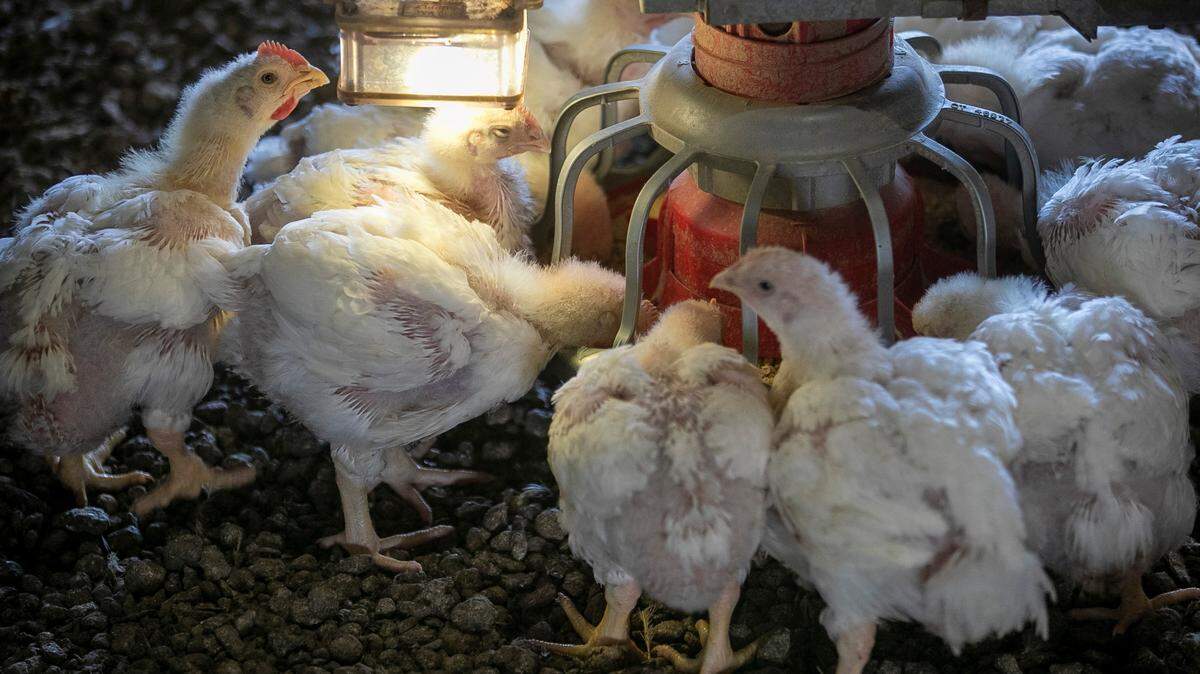
The poultry companies provide the baby chicks and the feed to the farmers, who raise the birds according to the integrator’s exacting specifications.
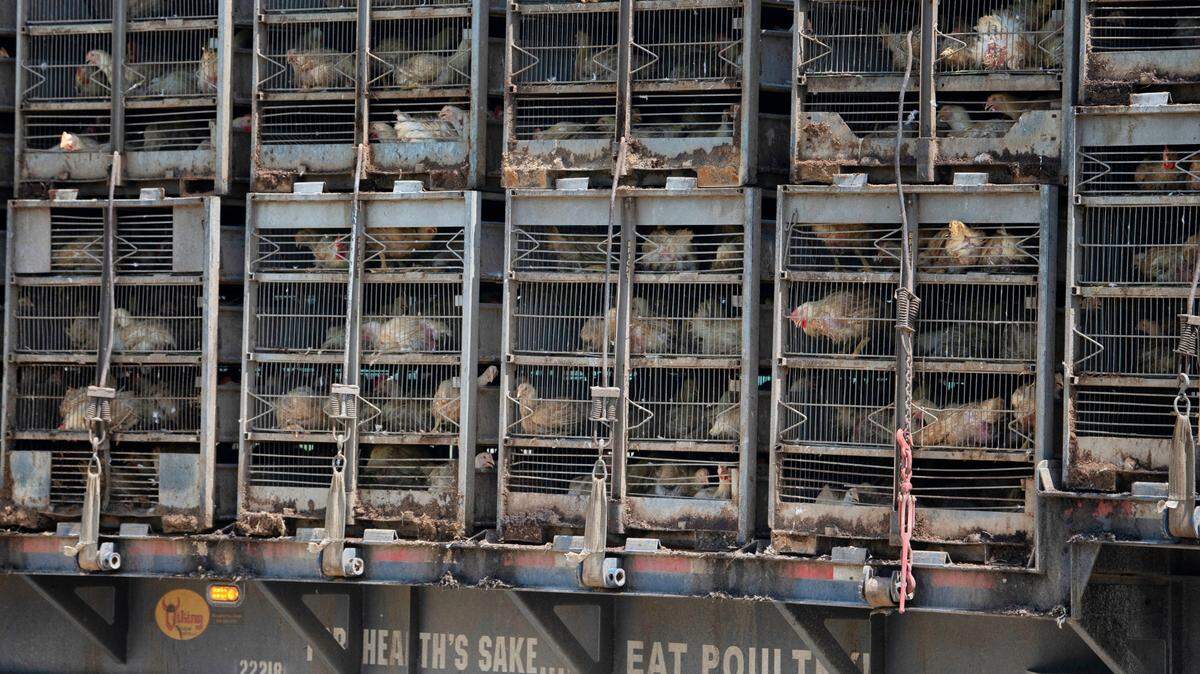
Chicken companies pick up the fully grown birds after six to eight weeks, packing them into trucks bound for the slaughter plant. In North Carolina, the birds are taken to one of more than 15 poultry processing plants spread across the state.
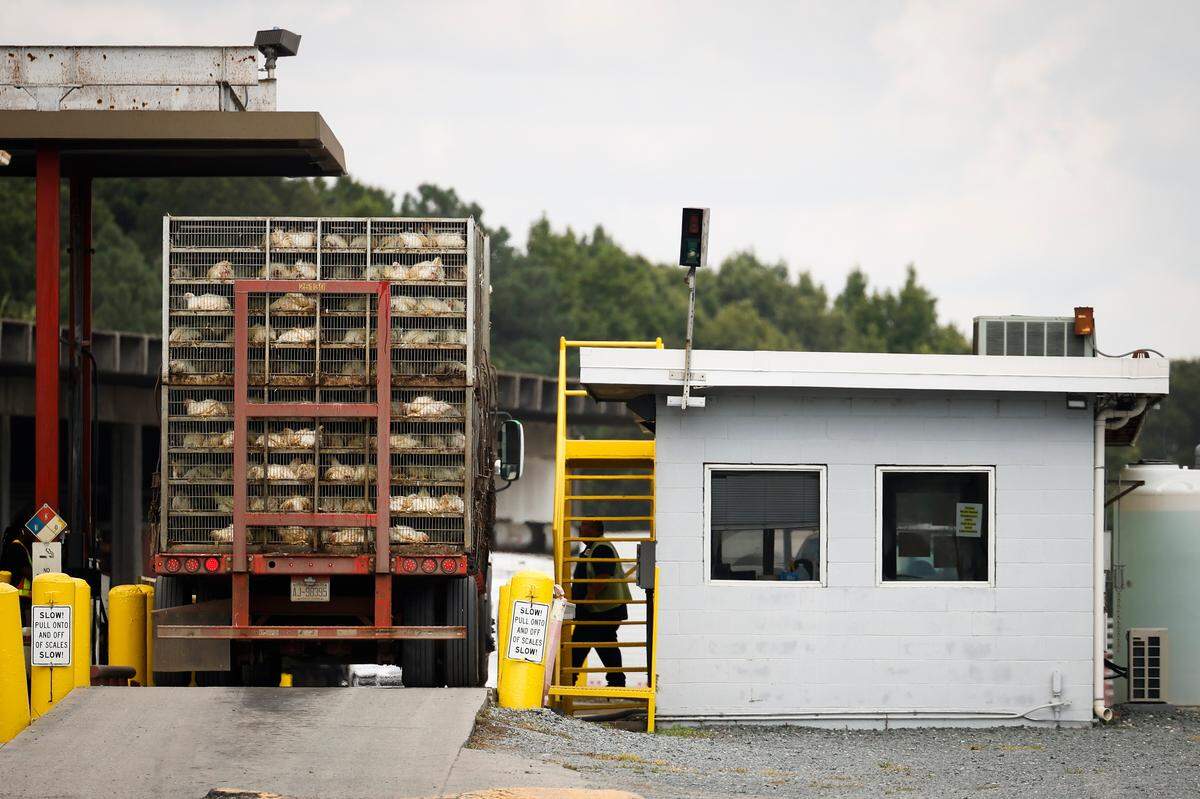
Integrators typically pay farmers about 6 to 7 cents a pound for raising the birds, growers say. That income can fluctuate widely, though. That’s because companies usually require farmers to compete in “tournaments,” which compensate growers based on how efficiently they fatten their chickens when compared to other growers.
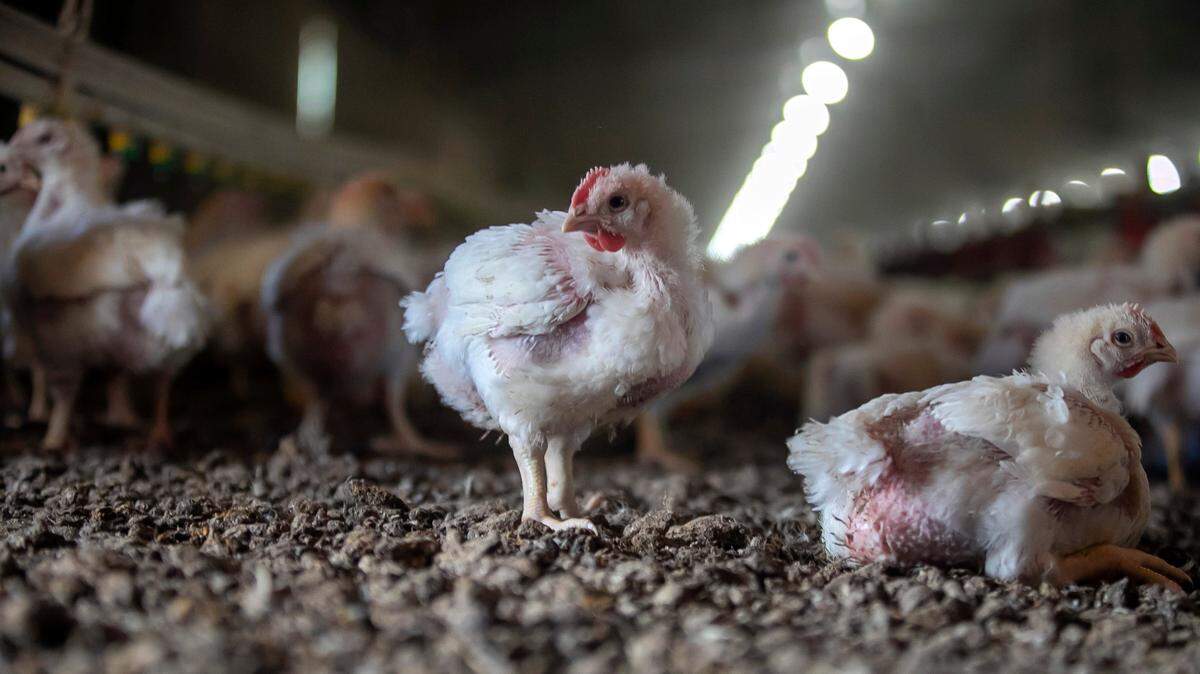
Many former farmers say their success and income depended largely on factors beyond their control - such as the number of chicks the integrator brought them, the health of those birds and the quality of the feed the company provided.
Earlier this year, the U.S. Department of Agriculture proposed new rules that would require poultry companies to disclose more information to would-be farmers — a change that is designed to help farmers better assess the risks. The National Chicken Council has opposed the rules and says the current system works well.
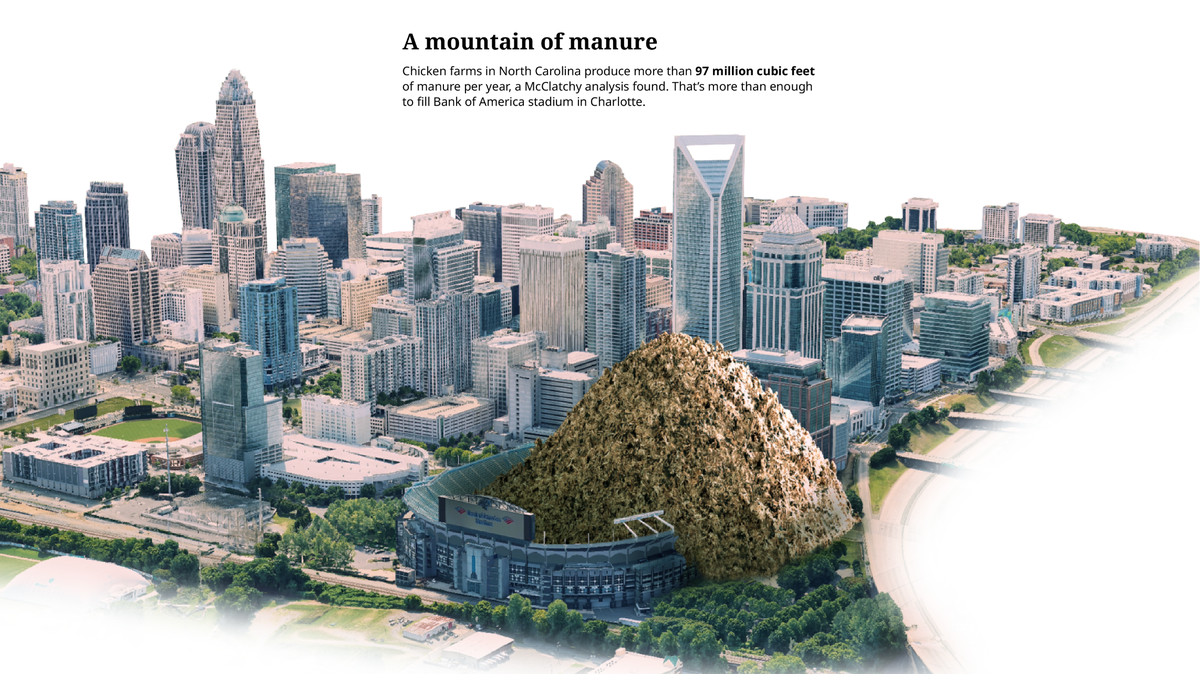
The contracts also hold farmers responsible for disposing of the hundreds of tons of manure that a typical poultry farm produces each year, along with the thousands of birds that die before they can be harvested.
This story was originally published December 7, 2022 at 6:00 AM with the headline "How it works: The risky business of contract poultry farming in North Carolina."
.JPG)