Working in fear: After they complained, farmers say poultry companies retaliated
READ MORE
Big Poultry
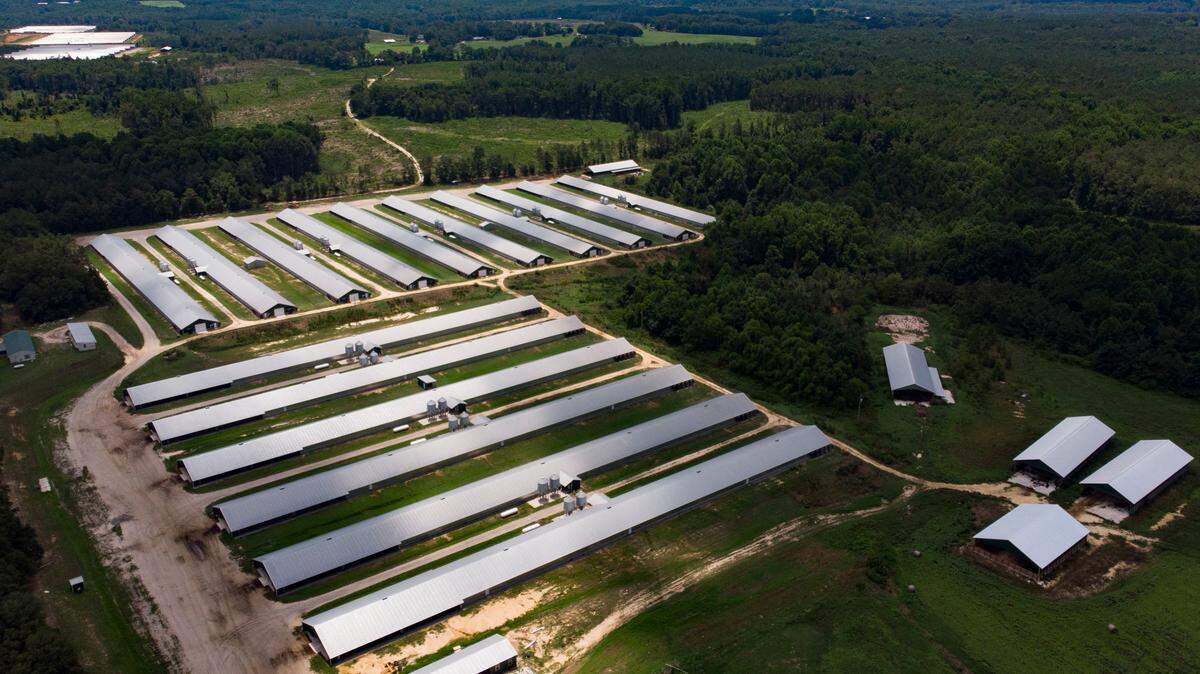
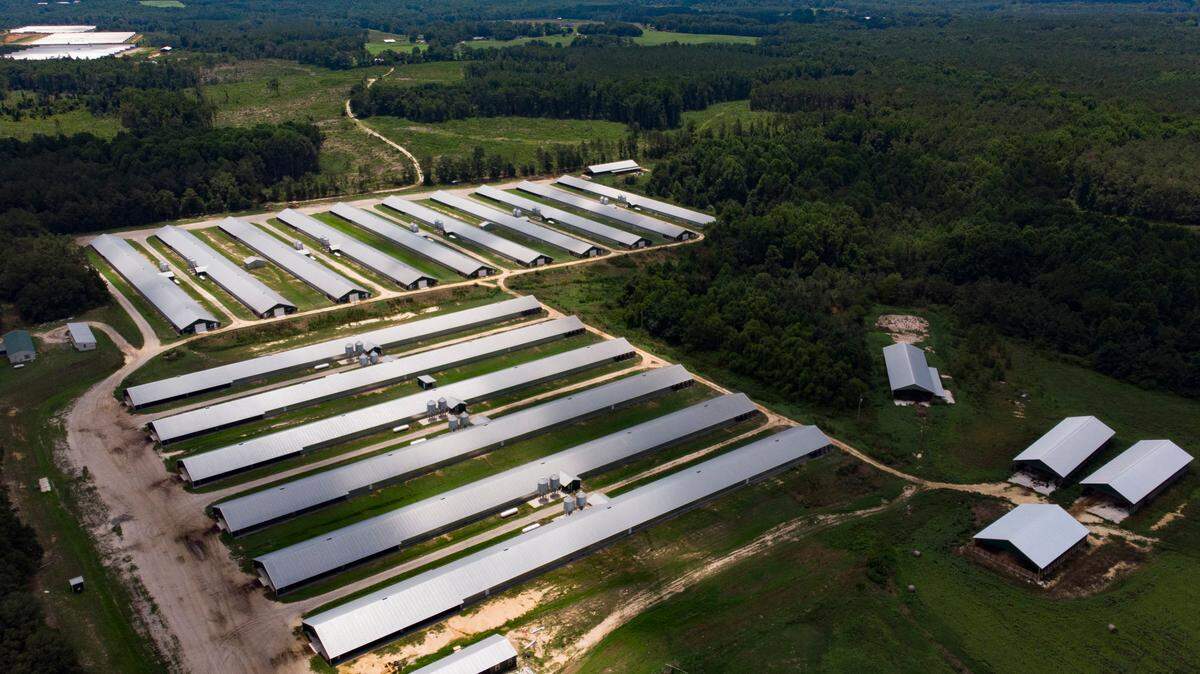
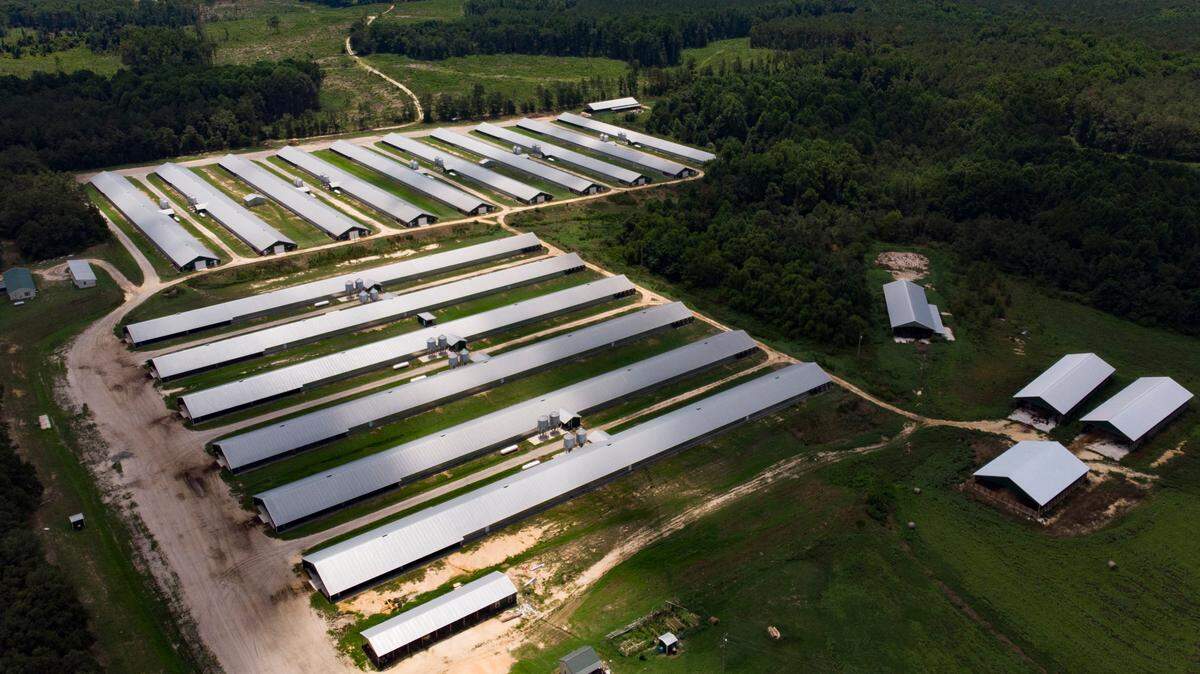
North Carolina’s poultry farms are everywhere. The state cloaks big poultry in secrecy to the point regulators don’t even know where most of the farms are located. Neighbors complain about the stench and other nuisances. But state laws leave courts and local governments nearly powerless to help.
Expand All
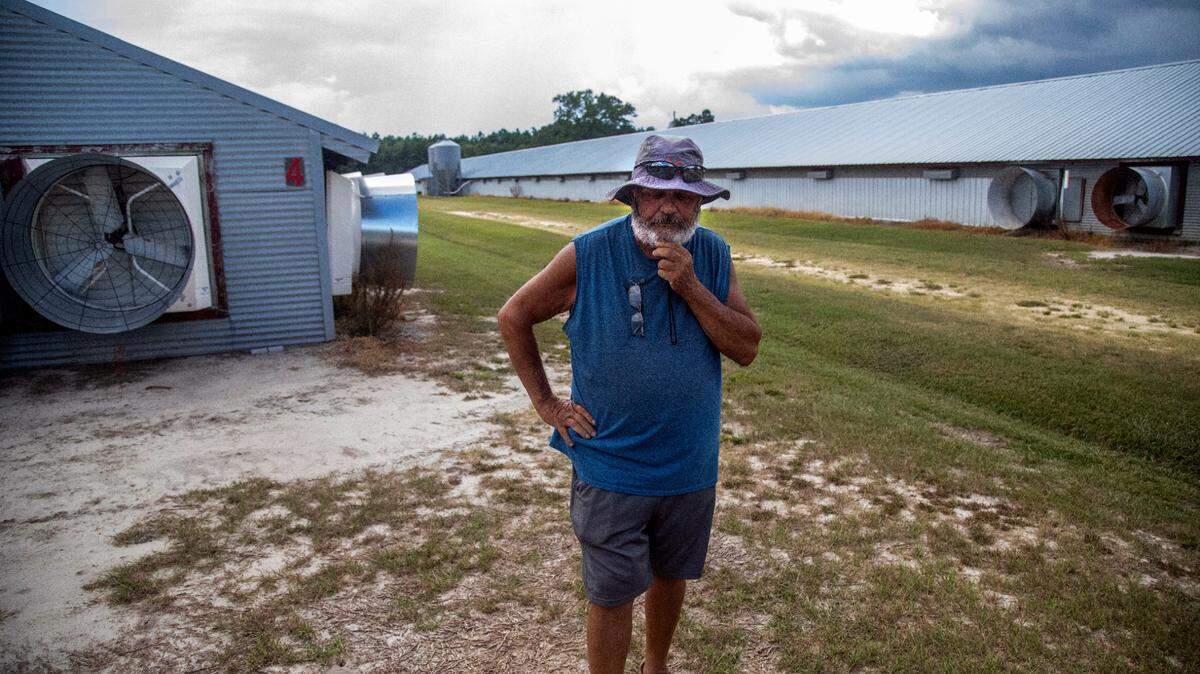
Rudy Howell had a problem.
Working as a contract chicken farmer for Perdue Farms several years ago, Howell complained that the company was delivering sickly chicks and poor quality feed to his farm in Robeson County. That was hurting his bottom line.
Equally troubling, he alleged in a 2021 whistleblower complaint, some company representatives were abusing chickens, routinely dropping them on their heads after weighing them.
He reported his concerns to the company, and when nothing was done, he talked to a reporter for The Guardian, a British newspaper, he said. In the summer of 2020, he allowed several environmental advocates onto his farm, along with a videographer for We the Animals Media, an animal welfare group. On July 30 of that year, We the Animals published a documentary that included footage of Howell’s farm.
Nineteen days later, “with no investigation, inquiry, or discussion,” Perdue terminated its 25-year relationship with Howell, Howell alleged in his complaint to the U.S. Department of Labor. The company stated that he had breached his contractual obligations by touring groups of visitors inside his chicken houses, Howell said.
The company also contended that Howell “converted” Perdue’s property without the company’s consent. Howell says the company was referring to his decision to give two dying chicks to a videographer who wanted to rescue them.
The company retaliated against Howell for speaking out, he alleged in his complaint. He is seeking damages and compensation for lost wages.
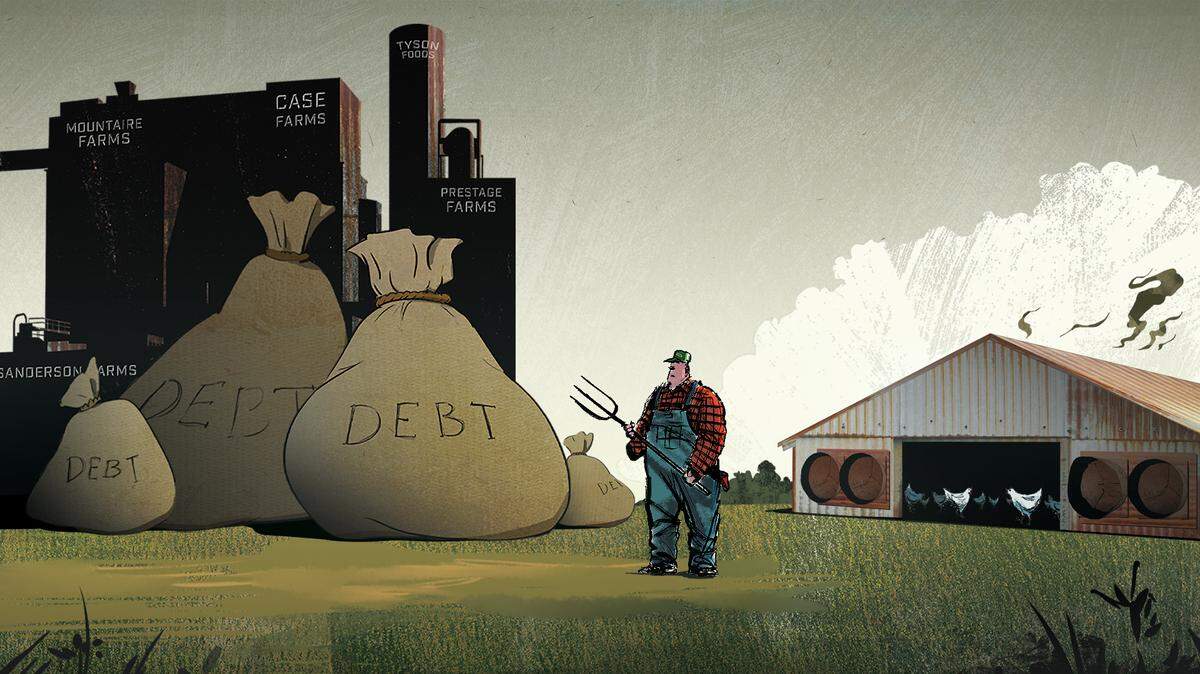
The complaints filed by Howell and by Craig Watts — a neighboring chicken farmer who encountered similar problems — offer a rare, detailed look at what can happen when conflicts erupt between poultry farmers and the multi-billion-dollar companies that contract with them.
Concerns about retaliation are widespread among poultry farmers. In extending the deadline for comments on proposed rules governing contracts with poultry farmers, U.S. Agriculture Secretary Tom Vilsack said in August: “There is fear throughout the meat and poultry industry as we saw earlier this year at two separate Congressional hearings where witnesses did not testify due to concerns of retaliation. But it is still critical that we hear the full story, so we are highlighting the option for comments to be provided anonymously.”
Perdue officials declined to respond to questions about the company’s dealings with Howell and other farmers who’ve filed complaints. But in an emailed statement, the company said it values “the excellent relationships built on trust we have with our farmers, and remain committed to providing them fair, competitive contracts.”
“We’re listening to the farmers,” said Mike Levengood, Farmer Relationship Advocate and Chief Animal Care Officer for Perdue.
Perdue also said it is a leader in poultry welfare. In 2016, the company launched a program aimed at improving the way chickens are cared for. “Mistreatment or abuse of animals is never tolerated,” the company said on its web page.
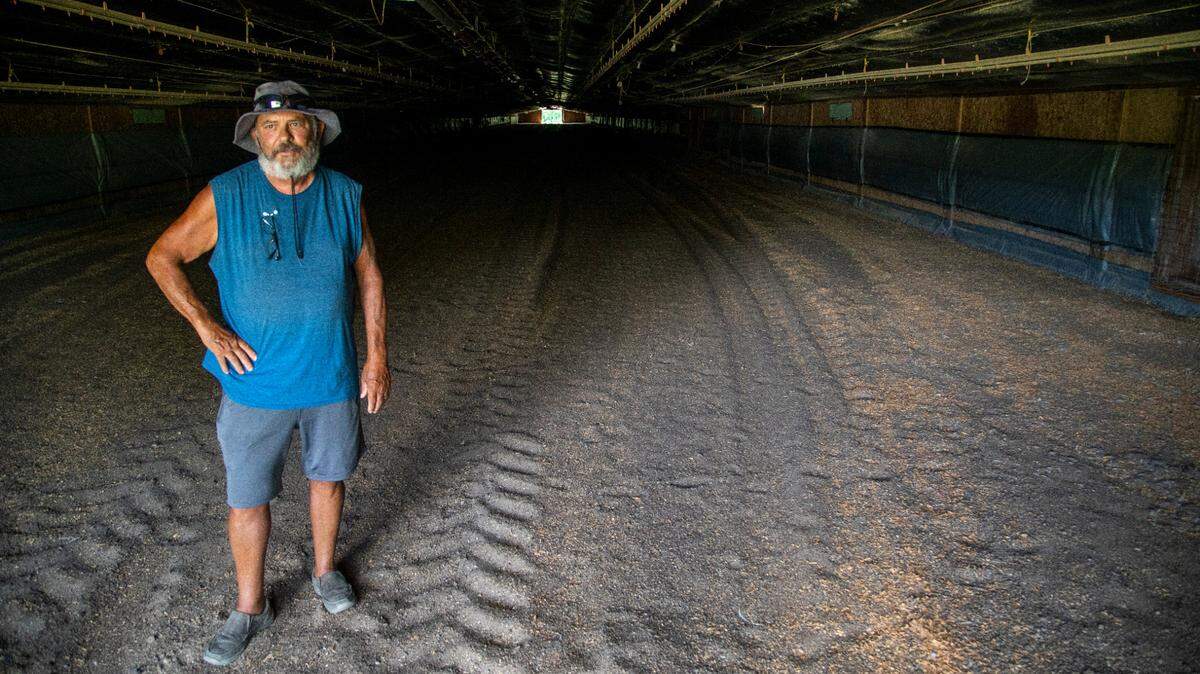
For more than 25 years, Howell raised chicken for Perdue. During that time, he said, the company ranked him one of the top farmers in his area on many flocks. Despite that, he could not clear more than about $30,000 a year from his four chicken barns most years, he said.
If not for the retirement income he received following a long career at a former DuPont chemical plant, he said, his family would be “broke today.”
“It’s a miserable business,” he said. “...You cannot run a budget off a chicken farm.”
Another farmer alleges retaliation
Just a mile to the west of Howell’s farm, on land that had been in his family for generations, poultry farmer Craig Watts said he experienced similar retaliation from Perdue.
The company sent Watts many unhealthy birds that died of apparent illness, Watts alleged in a separate whistleblower complaint.
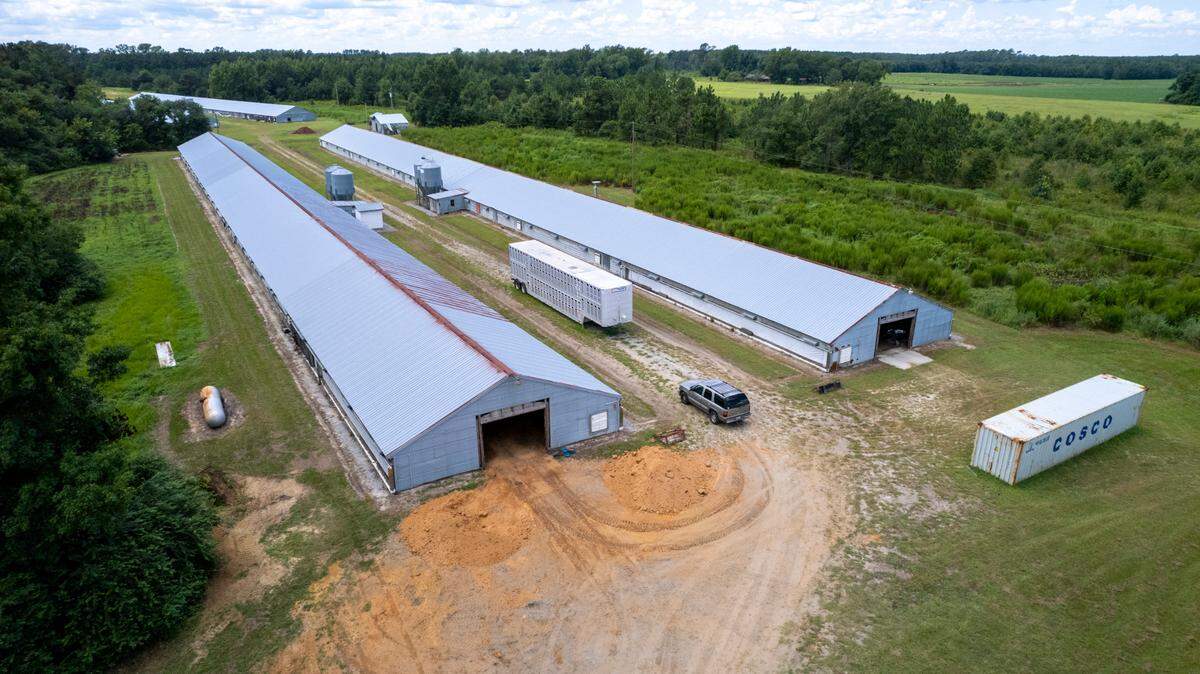
In 2012, about 20 years after he’d begun poultry farming, Watts watched a TV commercial in which Jim Perdue, the company’s chairman, walked through a poultry farm and talked about “treating your chickens humanely.”
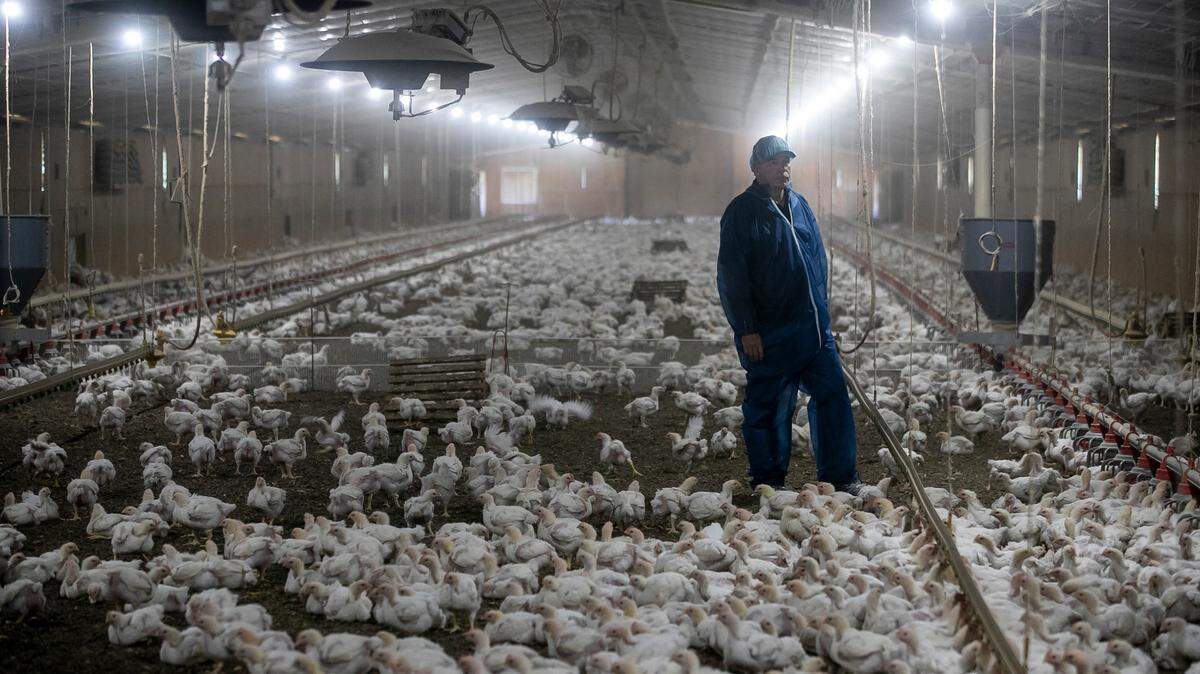
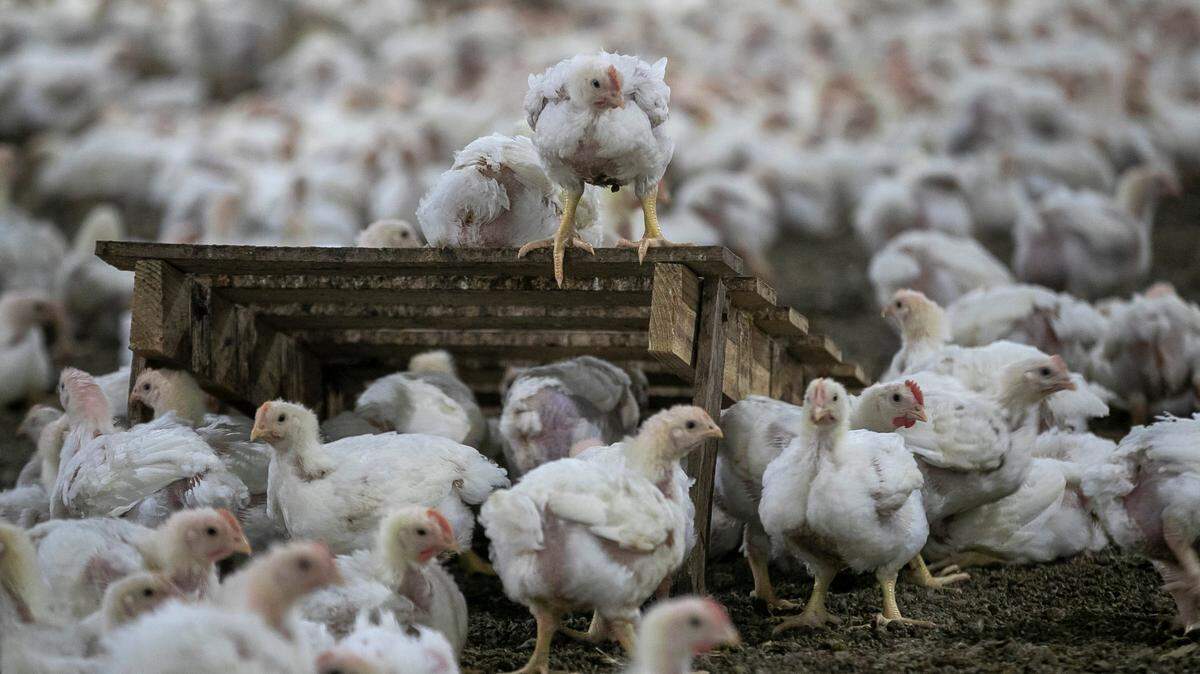
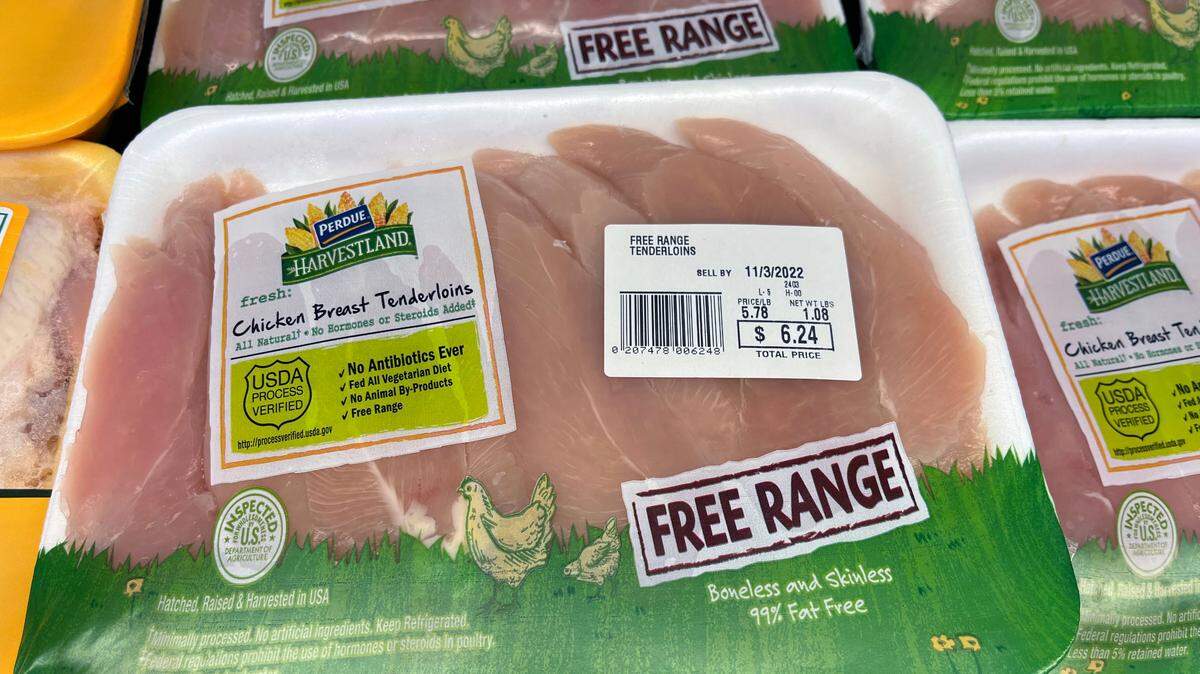
But what he saw on the screen in no way resembled a real contract farm, Watts said. While the chickens depicted in the commercial appeared to have plenty of space to roam, Perdue typically packed so many birds into its contract farms that they would step on each other to get food and water, Watts said in his 2015 whistleblower complaint.
“I felt the consumer was being hoodwinked,” Watts said.
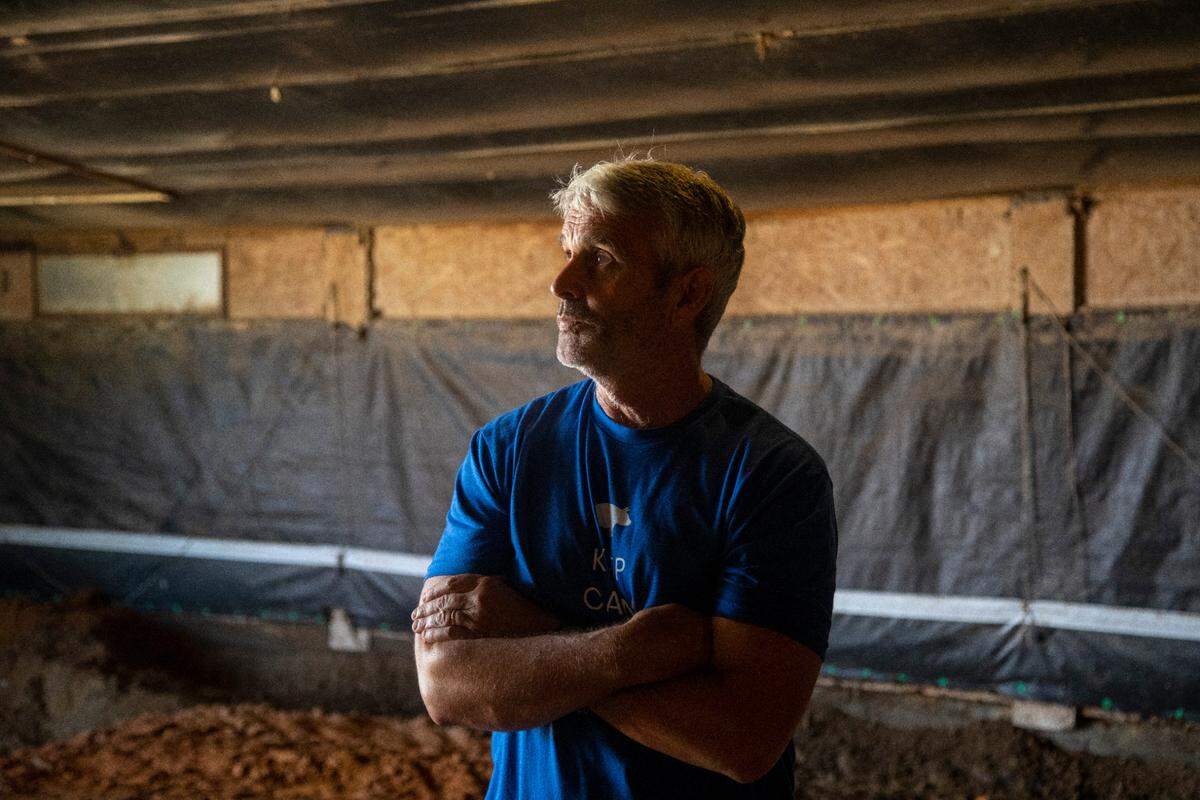
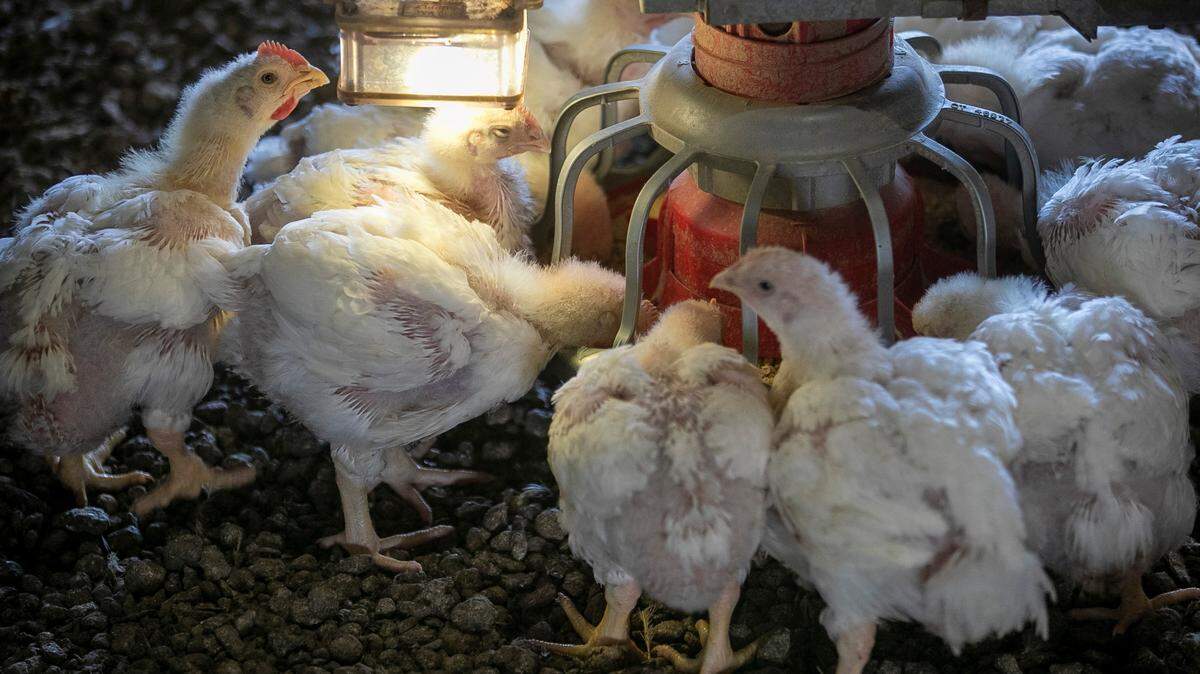
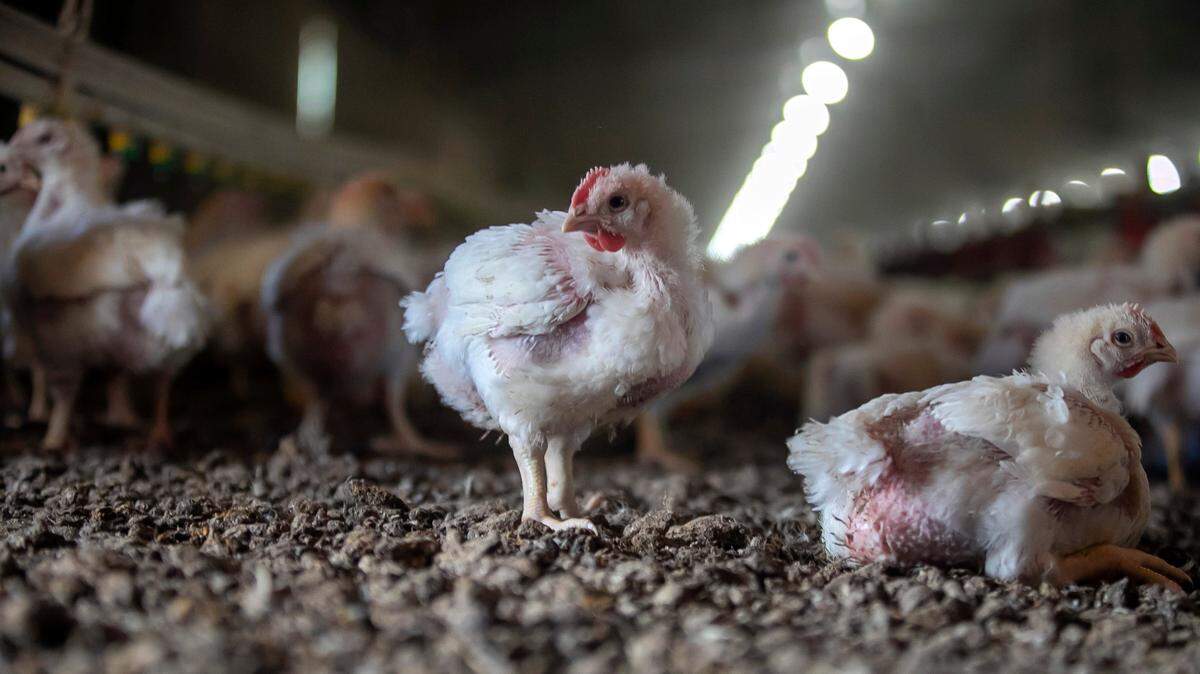
Under Perdue’s specs, chickens were raised to grow large and fast, becoming heavy and lethargic, Watts contended in his complaint. They spend much of their time lying down on feces-laden litter, causing patches of red, irritated flesh across their breasts, he said.
“The high growth rate makes it difficult for the flock to breathe and walk,” his complaint says.
Watts in 2014 invited the director of an animal rights group called Compassion in World Farming to videotape the chickens in his four poultry barns.
In December of that year, the New York Times published an article that discussed the condition of chickens raised on commercial farms, including those inside Watts’ barns. An excerpt of the video produced by the animal rights group was embedded in the story.
The video showed panting birds, chicks with apparent leg deformities, and chickens packed so tightly together that it was difficult to move.
The day after the story and video appeared in the New York Times, Perdue sent two employees to inspect Watts’ farm. “Retaliatory” inspections continued almost daily, Watts alleged in his whistleblower complaint.
Later that month, the company sent Watts a letter stating that before it placed another flock at his farm, it would audit his chicken houses and require him to be “retrained on biosecurity and poultry welfare.” The company would then perform frequent, unannounced checks of his farm.
As a result, Watts said, he had to wait nine extra days for a new flock, which cost him about $4,500. In his whistleblower complaint, which is still pending, Watts contended that it was all retaliation.
He became so disenchanted with poultry farming that he quit the business in 2016.
In an answer to Watts’ whistleblower complaint, Perdue denied that it retaliated against Watts. The company alleged that he tried to defame the company by withholding appropriate care from chickens and then letting the animal rights group film them. Watts also “cooperated in the production of a skewed and misleading video,” the company alleged.
Watts disputes all of that, saying the flock depicted in the Compassion for World Farming video was rated second best in a tournament ranking. He said the only money he has sought from Perdue was $5,000 to cover his losses during the time he had to wait extra days for a new flock.
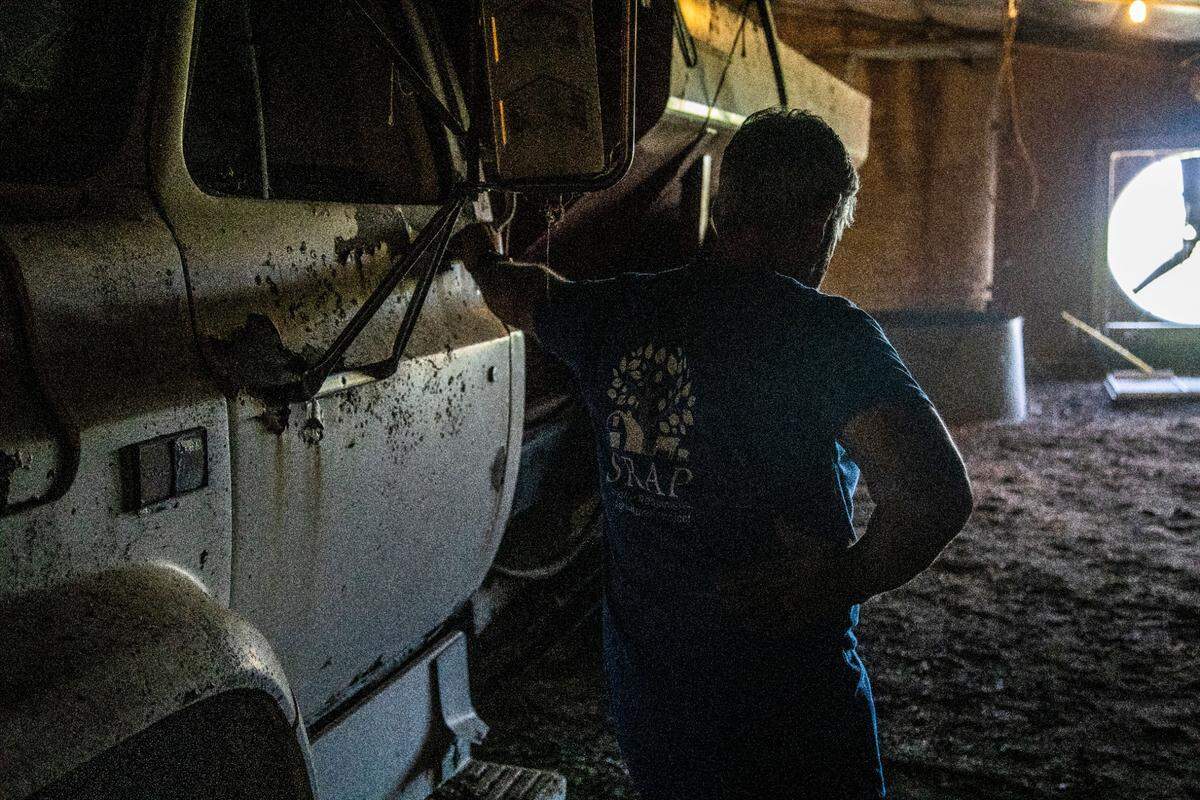
Now he’s trying to move on. He plans to grow shiitake mushrooms inside one of his old chicken houses.
But it’s hard for him to forget his big mistake: his decision 30 years ago to become a contract chicken farmer.
“If I had known then what I know now, I never would have gotten into it,” he said.
This story was originally published December 7, 2022 at 6:00 AM with the headline "Working in fear: After they complained, farmers say poultry companies retaliated."
.JPG)